

Changes to an Ecosystem

Presentation
•
Science
•
4th Grade
•
Practice Problem
•
Medium
+2
Standards-aligned

Susan Barron
Used 60+ times
FREE Resource
16 Slides • 6 Questions
1
Changes to an Ecosystem
The effects change has on an ecosystem.

2
Survival
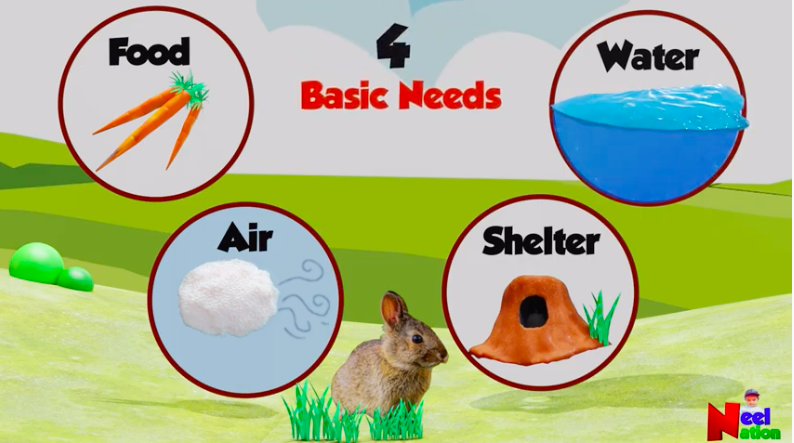
Organisms can survive only in environments that meet their needs.
3
Environments
The earth has many different environments, or biomes, and each has unique conditions. These conditions, which include temperature, rainfall, soil quality, and predators, present challenges to the living things born into that environment.

4
Adapting
Organisms have evolved features (structures and behaviors) that make them well adapted to tackle the challenges of the environment they live in.

5
Structural Adaptation
Physical features of an organism that enable them to survive in their environment. Example: penguin has blubber to protect itself from freezing temperatures.

6
Structural Adaptation
During the 1800’s, Europe and America experienced the Industrial Revolution. Coal burning released large amounts of smoke and smog into the surrounding environment which resulted in layers of soot settling on trees. What happened to the light colored Peppered Moths?

7
Behavioral Adaptation
Behavioral adaptations are actions that help animals survive. They can be learned or instinctive.
8
Behavioral Adaptation
Emperor penguins form large huddles. Huddles allow them to share body warmth, and shelters many of the penguins from the wind. The huddle constantly moves so that all the penguins have a turn in the middle. Huddling can reduce heat loss by up to 50%.

9
Multiple Choice
10
Multiple Choice
11
Multiple Choice
12
Changes
Changes in an organism's ecosystem may result in death, migration, or survival of a few well-adapted individuals in the population.

13
Ecosystem Changes
Changes include habitat change, climate change, invasive species, overexploitation, and pollution.

14
Habitat Change
Habitat change can occur naturally through droughts, disease, fire, hurricanes, mudslides, etc.
However, it generally occurs because of human activities such as land use change and physical modification of rivers or water withdrawal from rivers.

15
Climate Change
The average long-term changes in temperature, precipitation and the warming over the entire Earth.
Rising sea levels
Shrinking mountain glaciers
Ice melting at a faster rate
Changes in flower and plant blooming times.

16
Invasive Species
An invasive species can be any kind of living organism—animal, plant, insect, fish, fungus, bacteria, seeds or eggs—that is not native to an ecosystem and causes harm.
The invasive species can outcompete the native species for food and habitats and sometimes even cause their extinction.
17
Invasive: Small Indian Mongoose
Brought to new ecosystem to help with control of rats and snakes.
They are blamed for the extinction of the bar-winged rail bird, Jamaica petrel, and the decline (endangered) hawksbill turtles, pink pigeon , Amami rabbit and many other birds, reptiles and mammals. Mongooses also carry rabies and other human diseases.

18
Overexploitation
Overexploitation means harvesting species from the wild at rates faster than natural populations can recover. Overfishing and overhunting are both types of overexploitation.

19
Pollution
Streams full of toxic chemicals from industrial processes, rivers overloaded with nutrients from farms (fertilizer), trash blowing away from landfills, city skies covered in smog-all of these are examples of pollution that damage the balance of an ecosystem.

20
Multiple Choice
21
Multiple Choice
22
Multiple Choice
Changes to an Ecosystem
The effects change has on an ecosystem.
Show answer
Auto Play
Slide 1 / 22
SLIDE


