
Search Header Logo
  1. Resource Library
  2. Social Studies
  3. Civics & Government
  4. Checks And Balances
  5. Checks & Balances
Checks & Balances

Checks & Balances

Assessment

Presentation

Social Studies

10th - 12th Grade

Medium

Created by

Lindsay Cooper

Used 31+ times

FREE Resource

7 Slides • 6 Questions

1

Checks & Balances

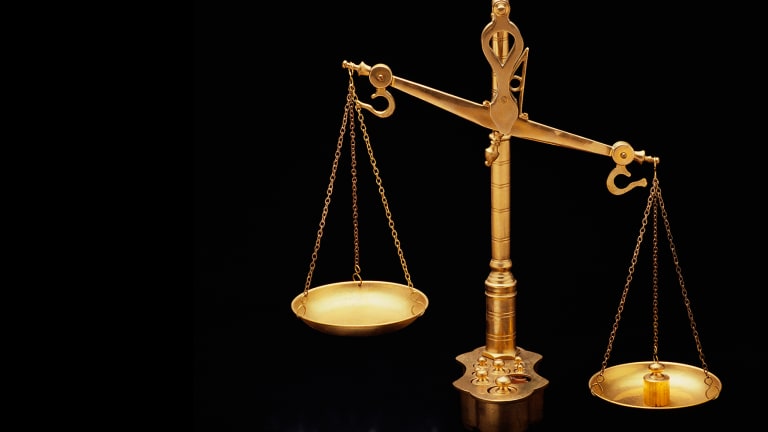
The Constitution sets up a system of Checks and Balances to prevent any branch from becoming too powerful. Each branch has powers that it can use to check (limit or review) the powers of the other two branches. This creates a balance of power.
Slide image

2

The Legislative Branch has the power to make laws. They can check the Executive Branch by:

  • overriding presidential vetoes w/ a two-thirds majority vote.

  • removing the president through impeachment.

  • approving treaties (Senate only).

  • approving presidential appointments of officers & judges (Senate only).

  • selecting the president if the Electoral College fails to do so.

  • declaring war even though the president is Commander in Chief of the army.

3

Multiple Select

Question image

Which of the following can the Legislative Branch do to check the Executive Branch's power?

1

override presidential vetoes

2

declare war

3

remove the prez through impeachment

4

appoint Electoral College

5

approve treaties & presidential appointments

4

The Legislative Branch has the power to make laws. They can check the Judicial Branch by:

  • creating lower courts.

  • removing judges through impeachment.

  • approving appointments of judges (Senate only).

5

Multiple Choice

Question image

Which of the following is a way the Legislative Branch can check the Judicial Branch (Supreme Court)?

1

Create lower courts

2

Remove judges through impeachment

3

Approve appointments of judges

4

All of the above

6

The Executive Branch has the power to enforce laws. They can check the Legislative Branch by:

  • vetoing (rejecting) any bill passed by Congress.

  • calling special meetings in Congress (in addition to their scheduled meetings).

  • recommending laws to be introduced and passed by Congress.

7

Fill in the Blank

Type answer...

8

The Executive Branch has the power to enforce laws. They can check the Judicial Branch by:

  • appointing Supreme COurt and other federal judges.

9

Multiple Choice

The President can appoint as many judges as they want to the Supreme Court. (This is a trick question: think back to learning about the Constitution. How many judges are there? How long do they serve? When can a new one be appointed?)

1

True

2

False

10

The Judicial Branch has the power to enforce laws. They can check the Legislative Branch by:

  • judging legislative acts, or laws, to be unconstitutional (not legit) through the power of "judicial review."

11

The Judicial Branch has the power to enforce laws. They can check the Executive Branch by:

  • deciding cases free from the opinion of the President.

  • judging presidential acts to be unconstitutional (not legit) through the power of "judicial review."

12

Open Ended

Question image

In your own words, what is "judicial review"?

13

Poll

Question image

In your opinion, which branch has the most power?

Legislative

Executive

Judicial

They're all pretty equal

Checks & Balances

The Constitution sets up a system of Checks and Balances to prevent any branch from becoming too powerful. Each branch has powers that it can use to check (limit or review) the powers of the other two branches. This creates a balance of power.

Slide image

Show answer

Auto Play

Slide 1 / 13

SLIDE
