

Introduction to the Enlightenment

Presentation
•
History
•
7th Grade
•
Medium

Tiffany Harris
Used 26+ times
FREE Resource
7 Slides • 2 Questions
1
Introduction to the Enlightenment

2
The word Enlightenment refers to a change in outlook among many educated Europeans that began during the 1600s. The new outlook put great trust in reason as the key to human progress. In the 1700s, this way of thinking became widespread in Europe.
3
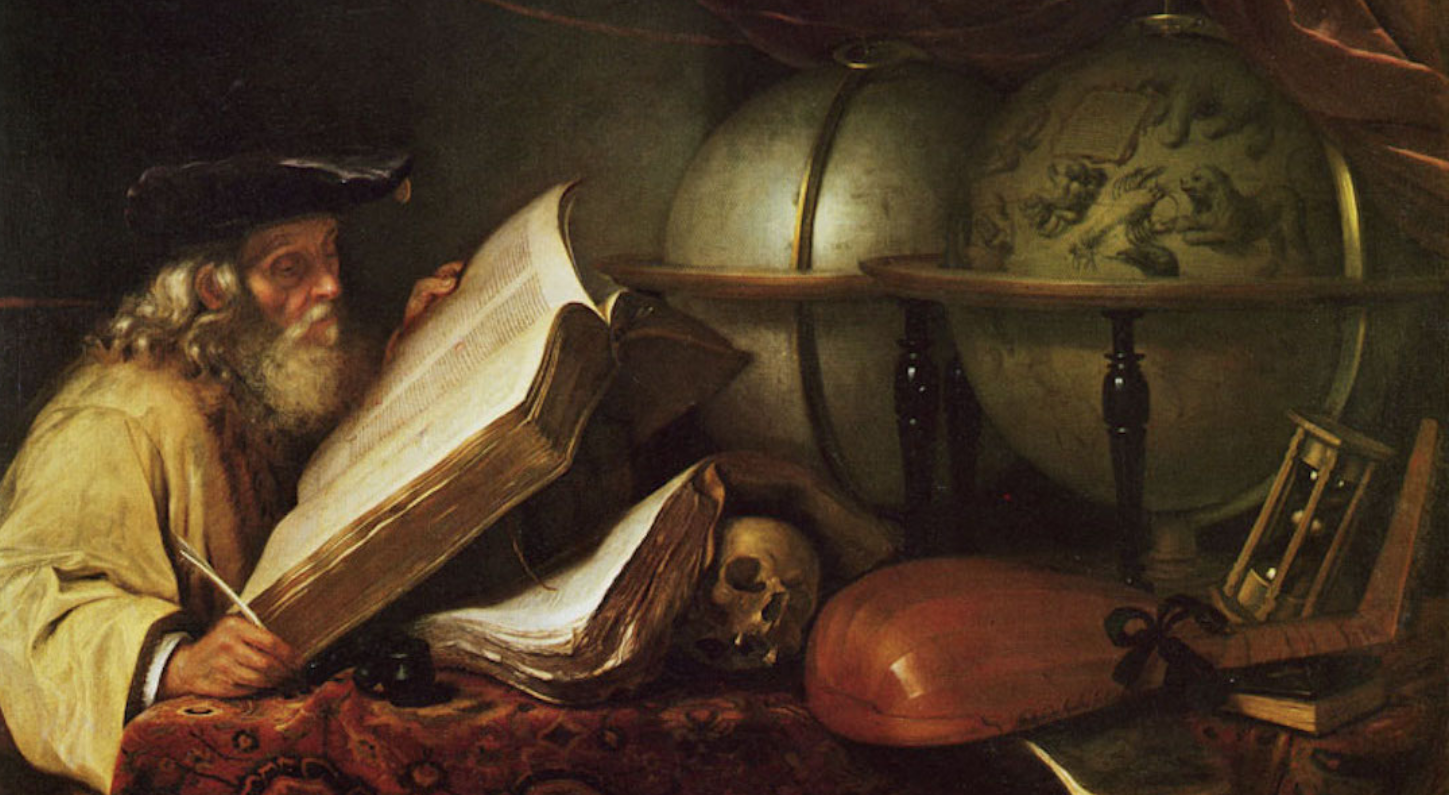
Enlightenment thinkers were inspired by the example of scientists such as Galileo and Newton. Scientists used observation and logic to understand the physical world. Their methods were rapidly overturning old beliefs. Now thinkers wanted to take a similar approach to problems of human life. "Forget the teachings of the past," they said, "A new age of reason is dawning." In this new age, governments and social institutions will be based on rational understanding, not the "errors and superstitions" of earlier times.

4
Multiple Select
5
A Frenchman, Bernard de Fontenelle. expressed this optimistic faith in reason and progress. In 1702, he wrote that the new century "will become more enlightened day by day, so that all previous centuries will be lost in darkness by comparison."

6
In France, thinkers called philosophes (French for "philosophers") championed these ideas. Philosophes often gathered in informal meetings called salons. There they exchanged and debated ideas

7
Many salons were organized by women. This painting shows a salon in the home of Madame Geoffrin in the 1750s. Gatherings like these helped to shape and spread the ideas of the Enlightenment.

8
Open Ended
9
In this last unit of the year, you will first learn about the roots of the Enlightenment. Then you will meet five philosophers whose ideas influenced the Enlightenment. You will see how their work led to new thinking about government and individual rights. Finally, you'll meet several women who played important roles in the Enlightenment.

Introduction to the Enlightenment
Show answer
Auto Play
Slide 1 / 9
SLIDE


