Search Header Logo
Segment 2 Review (A)

Segment 2 Review (A)

Assessment

Presentation

Science

8th - 12th Grade

Medium

Created by

Christiana Morgan

Used 8+ times

FREE Resource

13 Slides • 31 Questions

1

Segment 2 Review

media

2

Open Ended

What topic in segment 2 did you have the most trouble with?

3

media

4

Multiple Choice

Question image

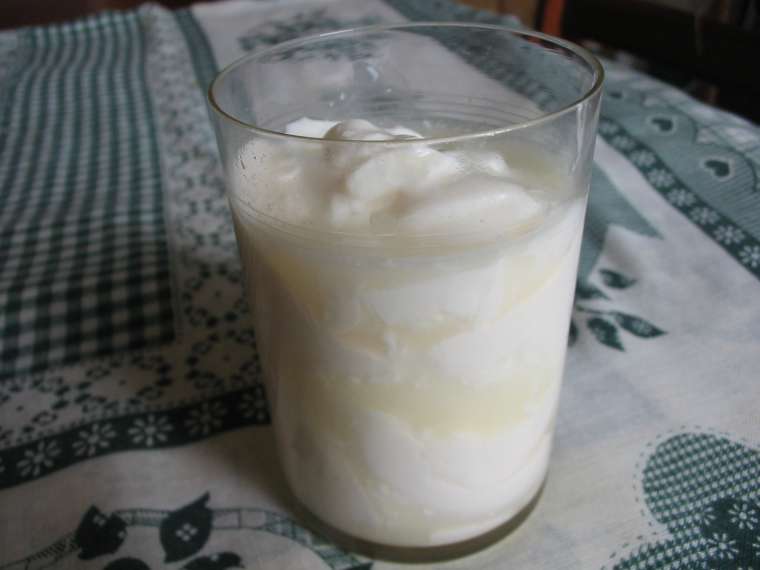
Is milk going sour a physical or chemical change?

1

Physical

2

Chemical

5

Multiple Choice

Question image

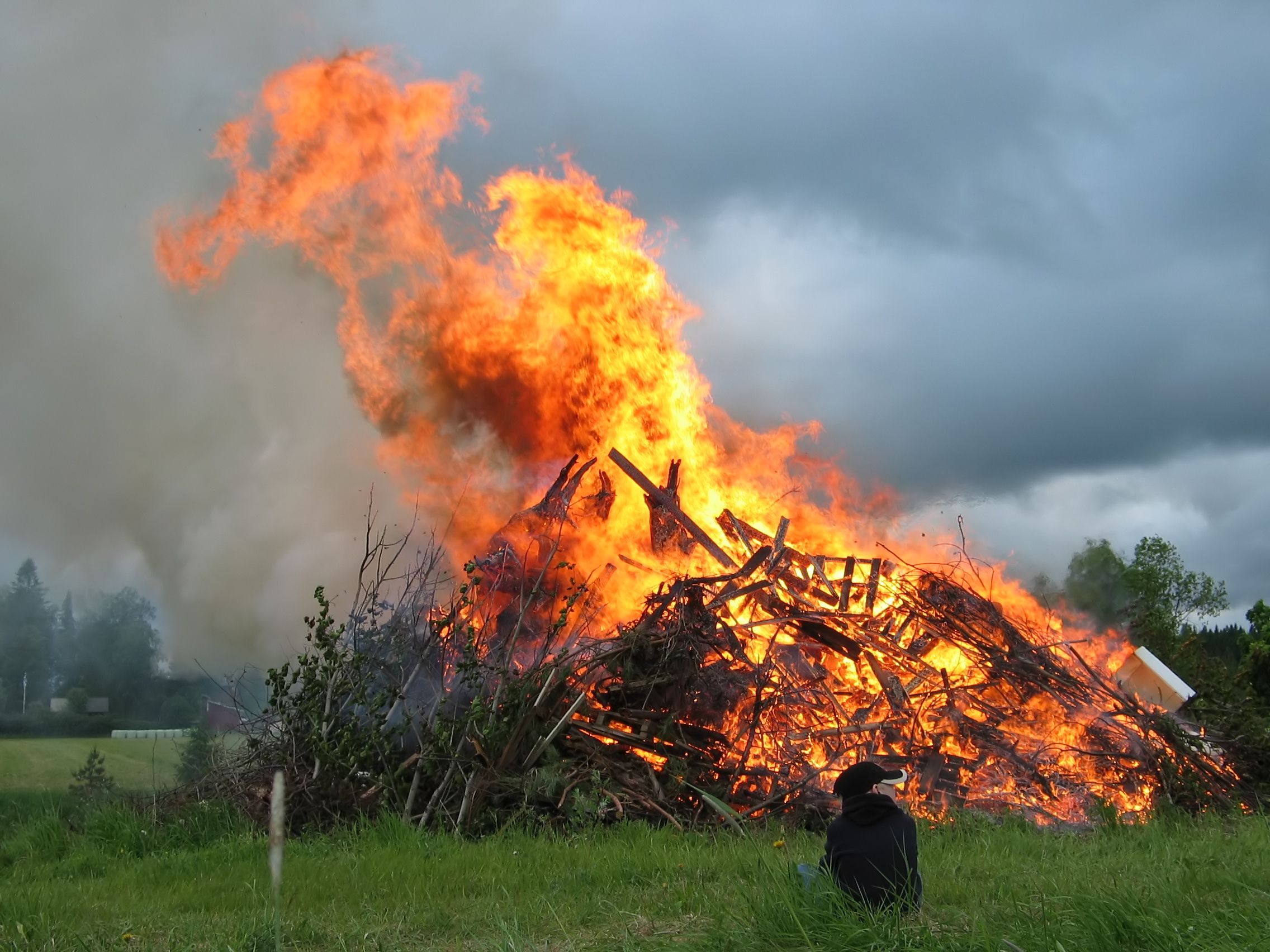
Is wood burning a physical or chemical change?

1

Physical

2

Chemical

6

Fill in the Blanks

Type answer...

7

media

8

Open Ended

Who discovered the electron?

9

Multiple Choice

Which of the following shows the correct order of Atomic Theory Timeline

1

Rutherford, Bohr, Dalton, Democritus, Thomson

2

Bohr, Democritus, Thomson, Rutherford, Dalton

3

Dalton, Thomson, Rutherford, Bohr, Democritus

4

Democritus, Dalton, Thomson, Rutherford, Bohr

10

media

11

Open Ended

List the two particles and their charges found in the nucleus of an atom.

12

Multiple Choice

This unit is represented by the combined number of protons and neutrons
1
Atomic Mass
2
Atomic Number
3
Mass Number

13

Multiple Choice

Isotopes of the same element have different ____________.

1

numbers of protons

2

numbers of electrons

3

symbols

4

numbers of neutrons

14

media

15

media

16

Multiple Choice

Elements in a ..................have similar chemical properties.

1

period

2

group

3

row

17

Multiple Choice

The Modern Periodic Table of Elements is arranged by

1

atomic mass

2

atomic number

3

valence electrons

4

number of isotopes

18

media

19

Multiple Choice

How are covalent bonds formed?

1

Sharing of valence electrons

2

Transfer of valence electrons

20

Multiple Choice

How are ionic bonds formed?

1

Transfer of valence electrons

2

Sharing of valence electrons

21

Multiple Choice

Have a high m.p. (1000°C-3000°C)
1
ionic compounds
2
covalent compounds

22

media

23

Multiple Choice

Which statement explains why water molecules stick together?

1

both sides are negative

2

one side has a positive charge and the other side has a negative charge

3

one side has a negative charge adn the other side has a neutral charge

4

both sides are positive

24

Multiple Choice

Question image

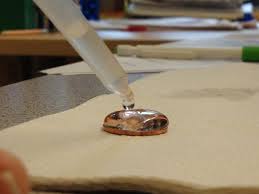
Water molecules ability to stick to other water molecules is called what?

1

adhesion

2

capillary action

3

cohesion

4

surface tension

25

Multiple Choice

Question image

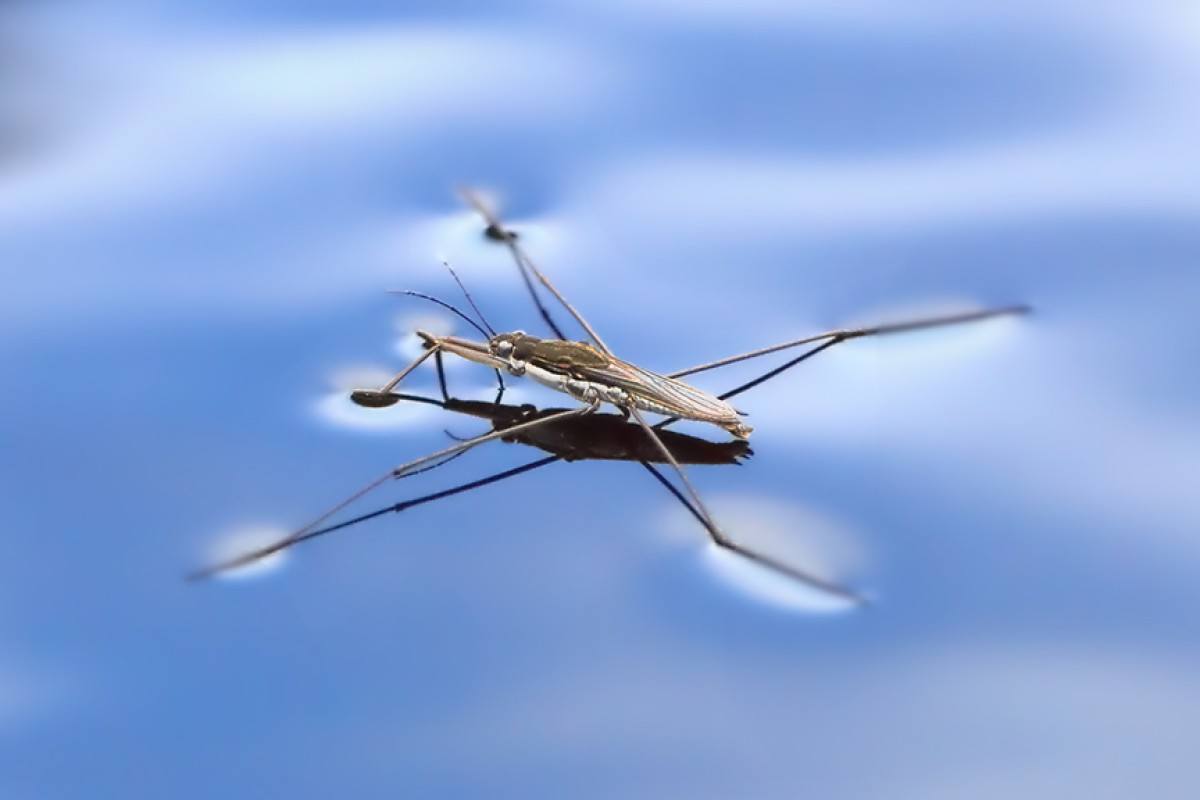
How can water striders can walk across the surface of water.

1

The insects are light enough so they do not break the hydrogen bonds holding the water molecules together

2

The insects actually use their wings to hover slightly above the water’s surface

3

The insect’s feet are non-polar, so they are repelled by the polar water molecules

4

The insects are small enough to see the individual water molecules, so they are able to step carefully from one molecule to the next

26

media

27

Multiple Choice

pH is the measure of the concentration of ______.

1

Acids

2

H+ ion

3

OH- ion

4

Bases

28

Multiple Choice

If the substance is neutral, what would the pH be?

1

3

2

5

3

7

4

9

5

11

29

Multiple Choice

Which of these pH values represent an acid?

1

4

2

8

3

10

4

12

30

Multiple Choice

When dissolved in water, bases produce:

1

acids

2

salts

3

hydrogen ions

4

hydroxide ions

31

Open Ended

Acids release what ion in the water?

32

media

33

Multiple Choice

The following reaction is an example of what reaction type?

CoCO3 → CoO + CO2

1

Synthesis

2

Decomposition

3

Single Replacement

4

Double Replacement

34

Multiple Choice

What type of reaction is the following:
 Zn + 2HCl  ZnCl2+H2Zn\ +\ 2HCl\ \rightarrow\ ZnCl_2+H_2 

1

Combination

2

Decomposition

3

Single Replacement

4

Double Replacement

5

Combustion

35

media

36

Multiple Choice

The more energy that particles have, the ___ they move.

1

slower

2

faster

37

Open Ended

What is the difference between exothermic and endothermic?

38

media

39

Multiple Choice

Where does fusion occur naturally?

1

Underwater

2

All around us

3

In the radioactive waste

4

On the sun

40

Multiple Choice

What nuclear reactions create power in a nuclear power plant?

1

Fusion

2

Fission

41

Multiple Choice

Takes two small nuclei and combines them into a larger nucleus
1
fission
2
fusion

42

media

43

Multiple Choice

Has the lowest penetrating power.  Can only penetrate 0.05 mm into the body and can be stopped by a piece of paper or clothing.
1
Alpha
2
Beta
3
Gamma

44

Multiple Choice

Question image
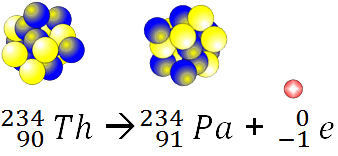
Which type of nuclear radiation is being emitted here?
1
Alpha
2
beta
3
gamma 
4
none

Segment 2 Review

media

Show answer

Auto Play

Slide 1 / 44

SLIDE