Search Header Logo
Earth's Layers and Plate Tectonics

Earth's Layers and Plate Tectonics

Assessment

Presentation

Science

6th Grade

Medium

NGSS
MS-ESS2-3, MS-ESS3-2

Standards-aligned

Created by

Adrienne Nichols

Used 240+ times

FREE Resource

8 Slides • 7 Questions

1

Earth Science

Earth's Layers and Plate Tectonics
Slide image

2

Multiple Select

What are the different layers of the Earth?

1

Mantle

2

Crust

3

Onion

4

Core

3

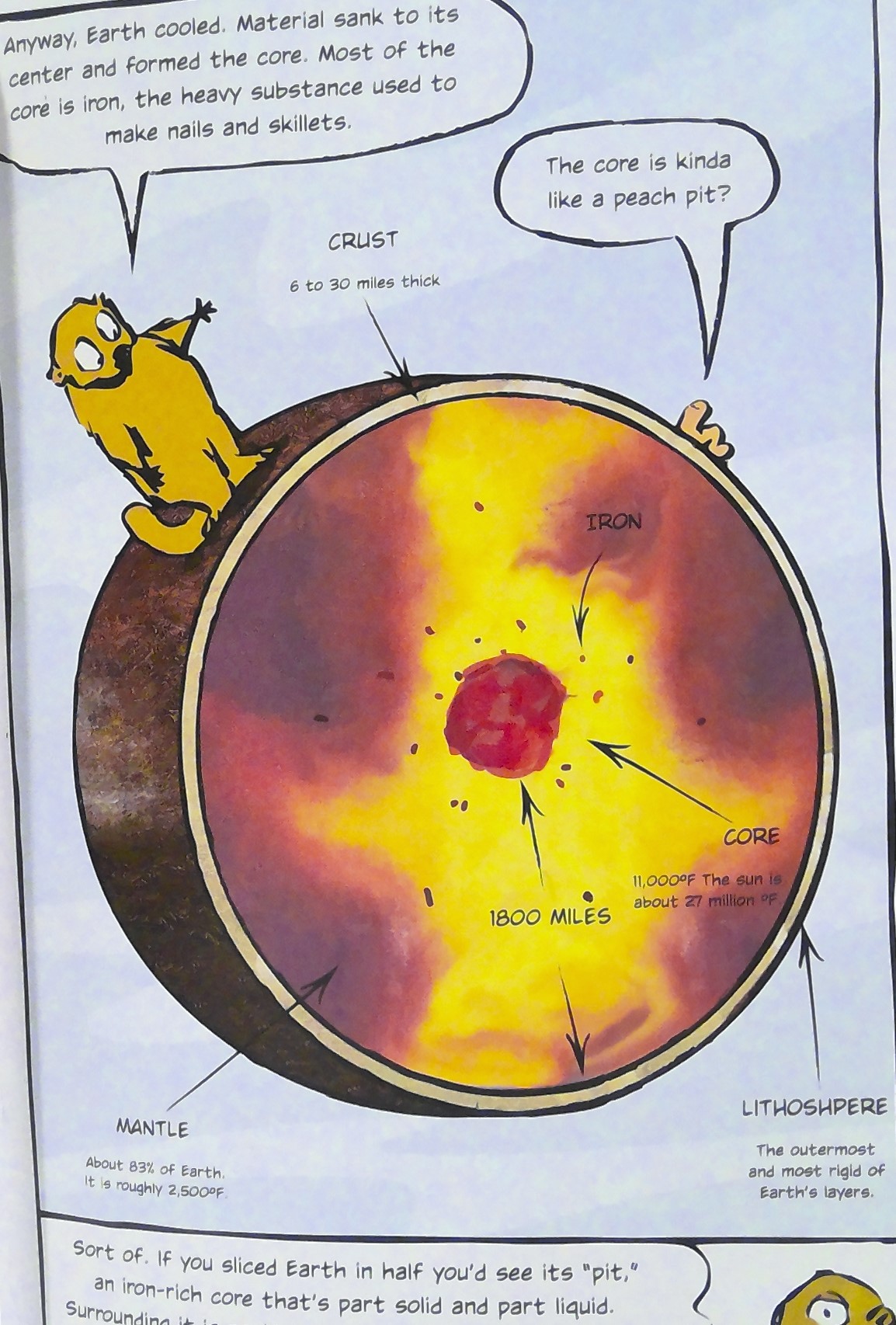
Earth's Layers

  • Crust: Outer layer (where we live)

  • Mantle: Layer directly below crust

  • Core: Center of the planet

Slide image

4

Multiple Choice

Earth's crust is broken into several large rocky pieces called ________.

1

fossils

2

plates

3

layers

4

faults

5

Plate Tectonics

  • The theory of plate tectonics states that Earth's surface is broken into large, rigid pieces that move with respect to each other.

  • These plates move slowly and can form volcanoes and mountains and cause earthquakes.

6

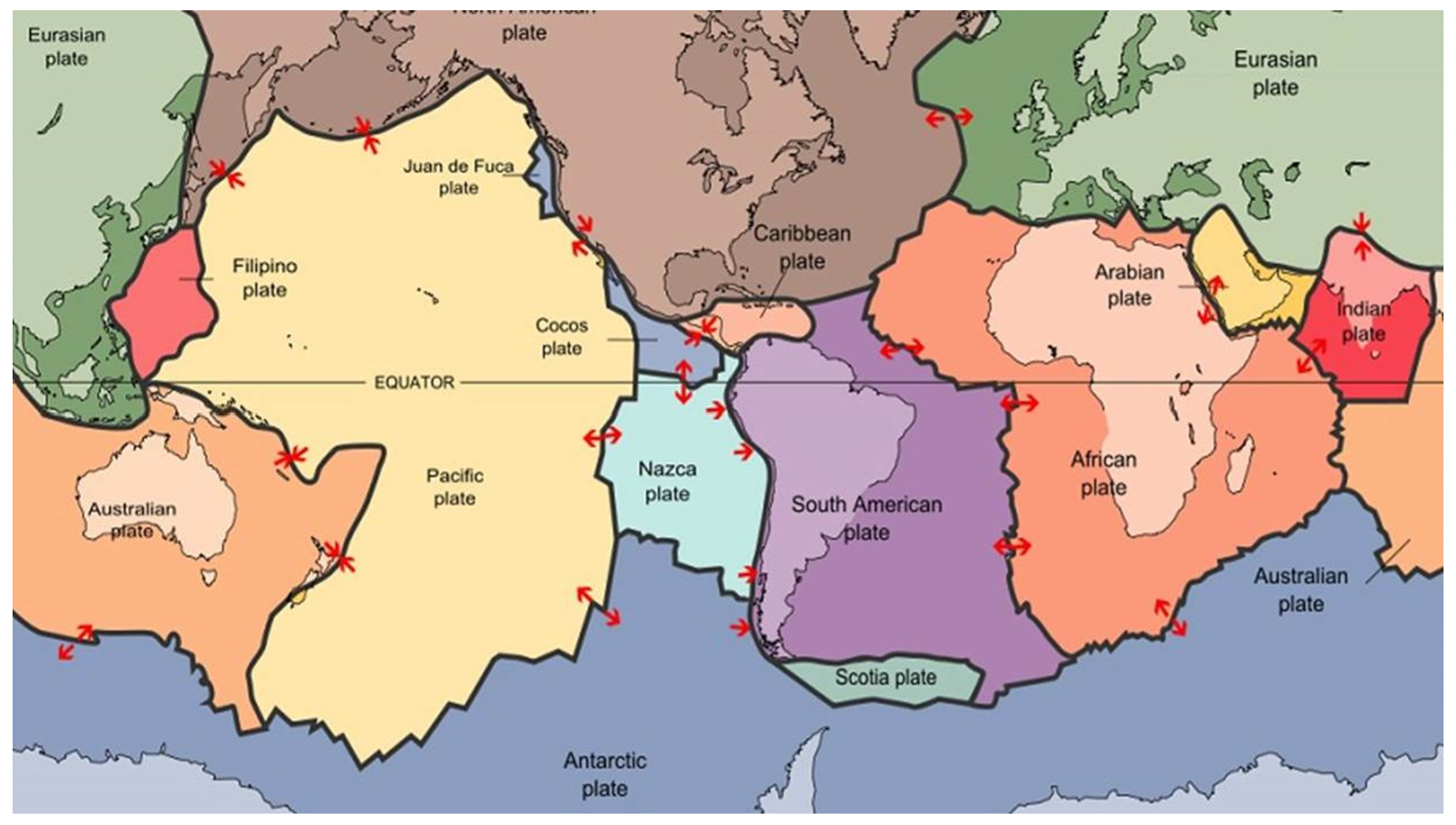
Tectonic Plates

  • There are 15 large tectonic plates.

  • 7 of these tectonic plates are considered major tectonic plates due to their size.
Slide image

7

Multiple Choice

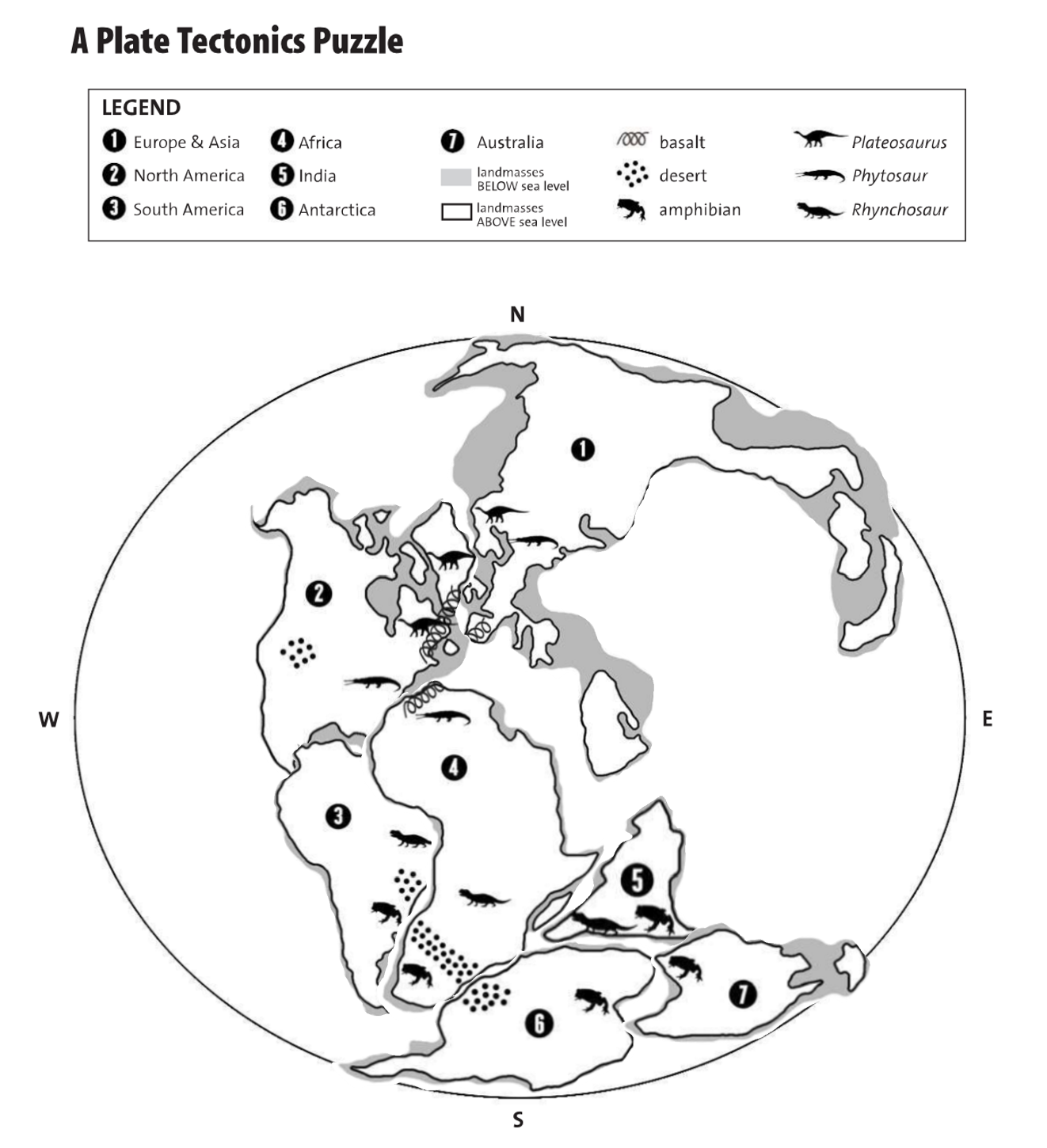
Question image

What is the name of the largest supercontinent that the continents today used to form?

1

North America

2

Antarctica

3

Pangaea

4

Eurasia

8

Divergent Plate Boundary

  • A boundary where two plates move away from each other. (divergent = divide)


Slide image

9

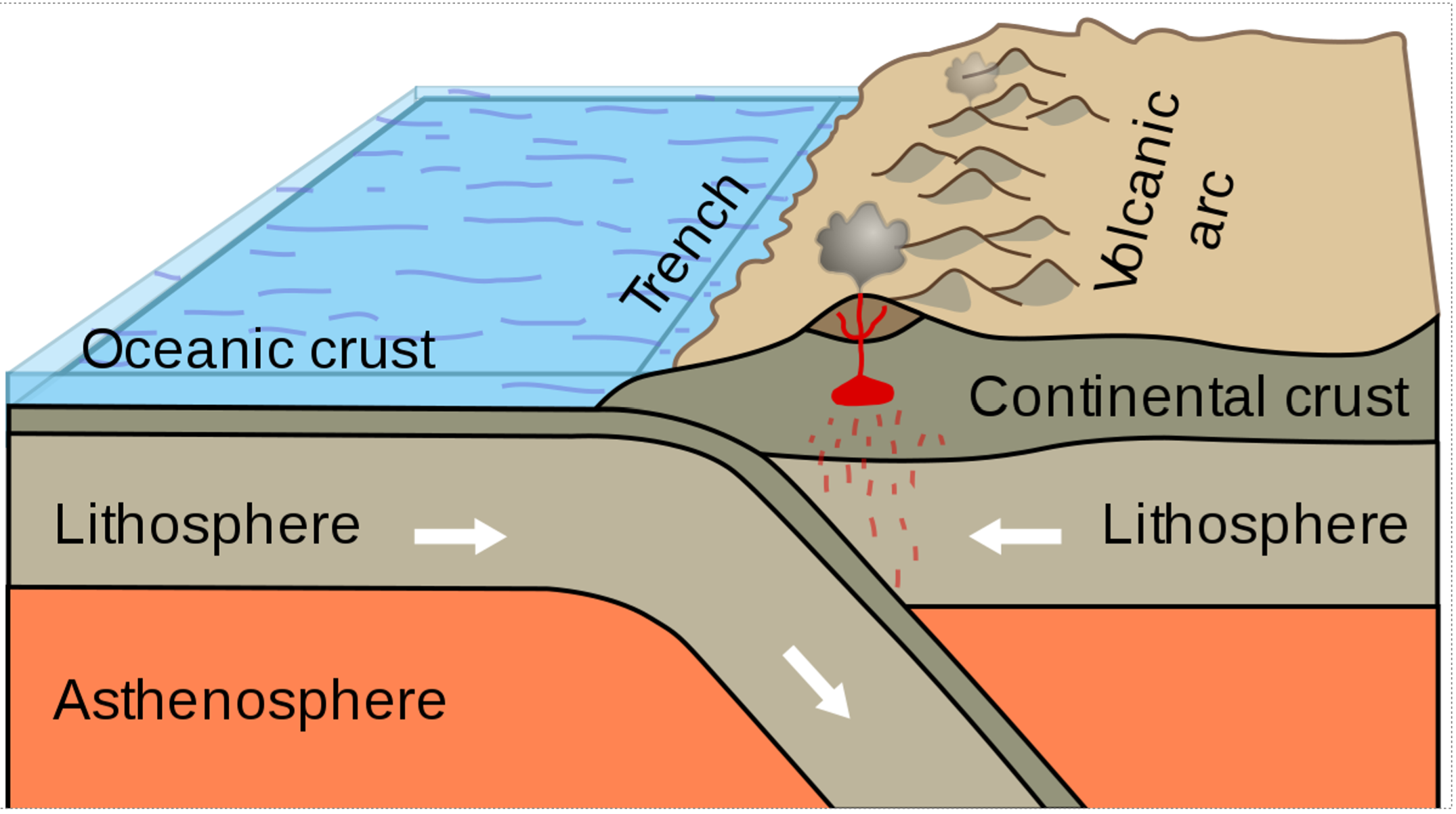
Convergent Plate Boundary

A boundary where two plates toward each other. (convergent= collide)


Subduction is the process that occurs when one tectonic plate moves under another.
Slide image

10

Transform Plate Boundary

A boundary where plates slide past each other.


The boundary between the Pacific Plate and the North American Plate in California is an example of this boundary.

Slide image

11

Multiple Select

Which plate boundary type is where plate moves together?

1

Divergent

2

Convergent

3

Transform

4

Subduction

12

Multiple Choice

Which plate boundary type is where plate move side by side?

1

Convergent

2

Divergent

3

Transform

4

Subduction

13

Multiple Choice

Which plate boundary type is where plates move apart?

1

Divergent

2

Convergent

3

Transform

4

Subduction

14

Cascadia Subduction Zone

  • Runs about 700 miles in the Pacific Ocean next to the North American coast

  • Responsible for the tall mountains found in Washington, Oregon, and Northern California

  • Can cause huge earthquakes!

15

Open Ended

Why is it important to know about the Cascadia Subduction Zone?

Earth Science

Earth's Layers and Plate Tectonics

Slide image

Show answer

Auto Play

Slide 1 / 15

SLIDE