Search Header Logo
Science - Day 13 Mechanical Chemical Electrical

Science - Day 13 Mechanical Chemical Electrical

Assessment

Presentation

Mathematics

5th Grade

Medium

CCSS
RI.4.4, RI.5.4, RI.6.4

+2

Standards-aligned

Created by

KELLY COOTS

Used 5+ times

FREE Resource

4 Slides • 24 Questions

1

Science - Day 13 Mechanical Chemical Electrical

By KELLY COOTS

2

​electrical: the flow of electrical charges through a closed circuit (closed loop)

  • charges can be positive +, negative ‐, or neutral (no charge)

  • a closed loop is a closed circuit, electricity can flow (light on)

  • an open circuit has an opening somewhere in the loop: electricity cannot flow (light off)

  • electricity can be transformed (changed) into light, heat, sound, and mechanical energy​

3

Multiple Choice

Question image

Transfer of energy in electrical circuits

1

thermal energy

2

electrical energy

3

solar energy

4

mechanical energy

4

Multiple Choice

stops the flow of electricity

1

conductor

2

insulator

5

Multiple Choice

allows electricity to flow

1

insulator

2

conductor

6

Multiple Choice

a push or pull between two charged objects

1

electric force

2

electrical circuit

3

static electricity

4

electric discharge

7

Multiple Choice

push apart

1

attract

2

repel

8

Multiple Choice

objects with like charges will...

1

attract

2

repel

9

Multiple Choice

pull together

1

repel

2

attract

10

Multiple Choice

Objects with unlike charges will...

1

repel

2

attract

11

Multiple Choice

an object that can push or pull on iron and a few other kinds of metal

1

force

2

magnet

3

pole

4

static electricity

12

Multiple Choice

A ______ is formed when an electric current passes through an unbroken path of conductors.

1

circuit

2

insulator

3

electron

4

proton

13

chemical: energy released as the result of a chemical change

  • muscles use chemical energy to produce mechanical energy

  • plants store chemical energy as food

  • plants produce food as the result of a chemical reaction

    • photosynthesis is the reaction of sunlight, carbon dioxide, and water: results in food (sugar) and oxygen

    • respiration (breathing) is the transfer of oxygen and carbon dioxide in animals  cells in animals convert sugars into energy and carbon dioxide (waste)​

  • ​chemical energy such as burning can be used for cooking

  • ​burning chemicals in motors/engines can produce mechanical energy

14

Multiple Choice

Which of the following is NOT an example of chemical energy?

1

A glow stick

2

A battery

3

A rock about to fall off a cliff

4

A burning match

15

Multiple Choice

A battery transforms:

1

Chemical energy into electrical energy

2

Chemical energy into kinetic energy

3

Electrical energy into chemical energy

4

Electrical energy into kinetic energy

16

Multiple Choice

Question image

When we move we transform chemical energy into...

1

mechanical energy.

2

light energy.

3

sound energy.

17

Multiple Choice

Question image

When we burn coal, the chemical energy is converted into...

1

light & heat.

2

energy.

3

solar energy.

4

calories.

18

Multiple Choice

Question image

When we burn natural gas, the chemical energy is converted into...

1

light & heat.

2

energy.

3

solar energy.

4

calories.

19

Multiple Select

Question image

The batteries in a flashlight contain _____energy that is converted into_______energy and _______energy when its on.

1

Electrical

2

Solar

3

Chemical

4

Mechanical

5

Light

20

Multiple Select

Question image

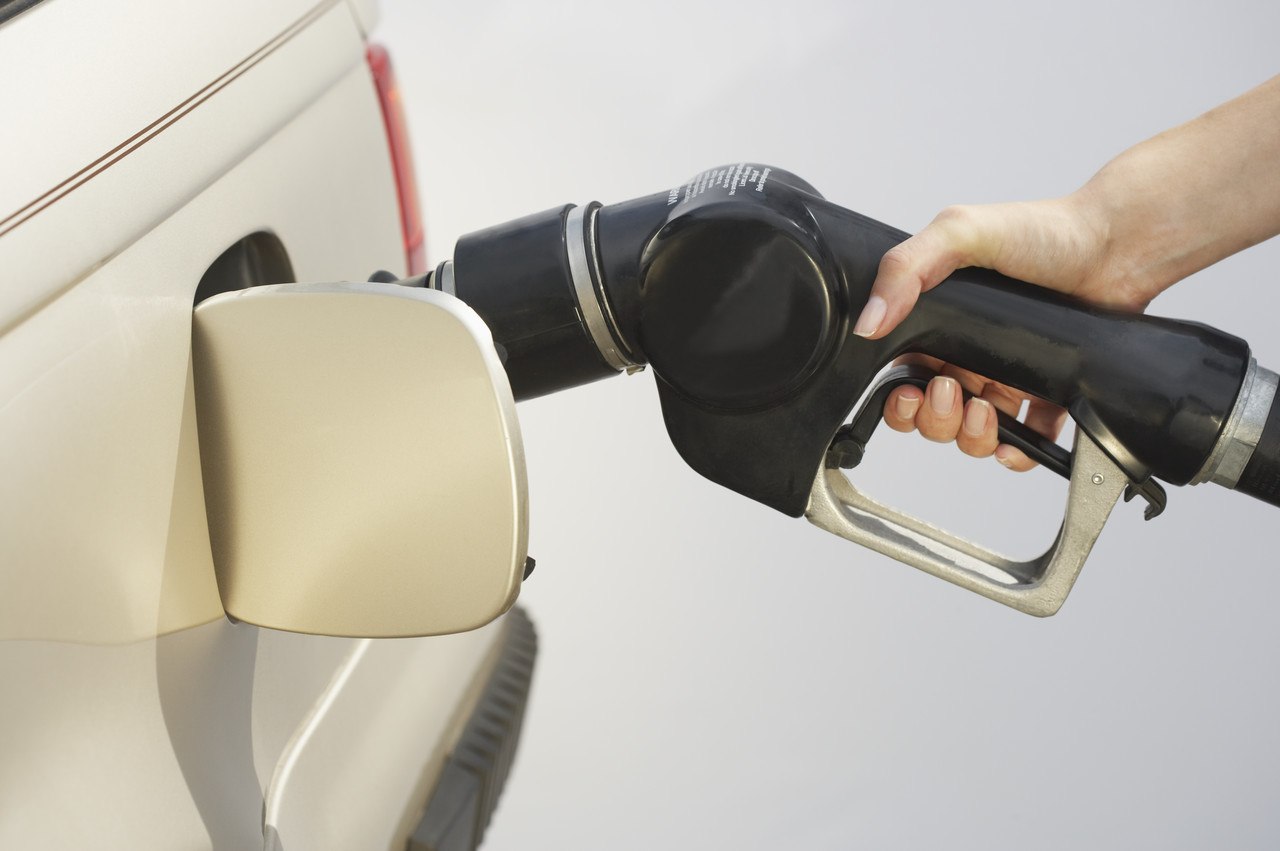
A car converts the ______energy in gasoline into _______when it moves.

1

thermal

2

Electrical

3

chemical

4

Mechanical

5

Solar

21

mechanical: the energy of motion

  • all objects in motion have mechanical energy

  • ​mechanical energy can be produced by chemical energy and electricity

  • ​mechanical energy is the energy produced by muscles

  • ​mechanical energy can be produced by tools and machines

  • ​mechanical energy is the result of any force, push or pull

    • ​gravity, magnetism, and electrically charged objects are all forces that cause motion or create changes in motion

22

Multiple Choice

Which statement best defines Mechanical Energy?

1

Energy produced by a machine or moving part.

2

Energy that is produced by an electrical current in a circuit.

3

Energy from the sun.

4

Energy that travels in waves due to vibrations.

23

Multiple Choice

All of the following are examples demonstrating mechanical energy EXCEPT –
1
an oven cooking food.
2
a fan blowing out air. 
3
a boy riding a bicycle.
4
a girl writing with a pen.

24

Multiple Choice

Which example below uses only mechanical energy?

1

A. Watching your favorite TV show with your family

2

B. Hitting a baseball with a baseball bat in the front yard

3

C. Talking to your grandmother on the telephone

4

D. Heating up hot water on the stove for hot chocolate

25

Multiple Choice

Question image

Where does the pendulum have the greatest kinetic energy?

1

A

2

B

3

C

4

D

5

E

26

Multiple Select

Question image

Where does the pendulum have the greatest potential energy? (pick 2)

1

A

2

B

3

C

4

D

5

E

27

Multiple Choice

Question image

1 Which statement completes the graphic organizer?

1

Measuring someone’s temperature

2

Having your ice cream melt in the sun.

3

Riding a bike.

4

The electricity running through your television.

28

Multiple Choice

Students are investigating how electrical energy can be transformed into heat, light, sound, and the energy of motion. Which of the following would be the best example of electrical energy being transformed into the energy of motion?

1

a laptop screen

2

a car stereo

3

a stove

4

a ceiling fan

Science - Day 13 Mechanical Chemical Electrical

By KELLY COOTS

Show answer

Auto Play

Slide 1 / 28

SLIDE