Search Header Logo
Biomes of the world

Biomes of the world

Assessment

Presentation

•

Biology

•

10th Grade

•

Medium

•
NGSS
MS-LS2-3, MS-LS2-4, MS-LS2-5

+4

Standards-aligned

Used 26+ times

FREE Resource

10 Slides • 35 Questions

1

Biomes of the world

By

2

​A biome is a large area characterized by its vegetation, soil, climate, and wildlife.

3

​

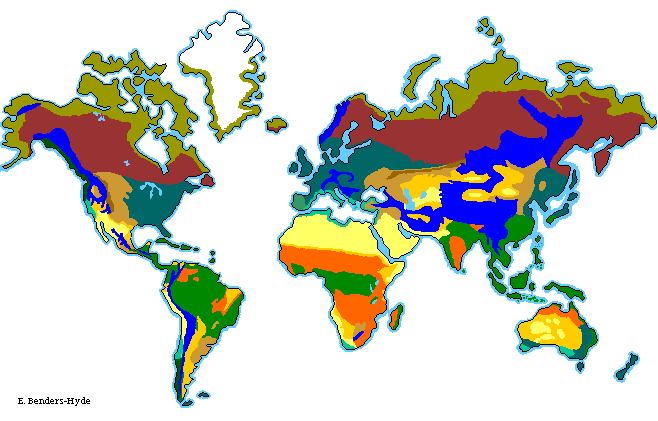
Biomes of the World

  • Tropical Rainforest.

  • Temperate Forest.

  • Desert.

  • Tundra.

  • Taiga (Boreal Forest)

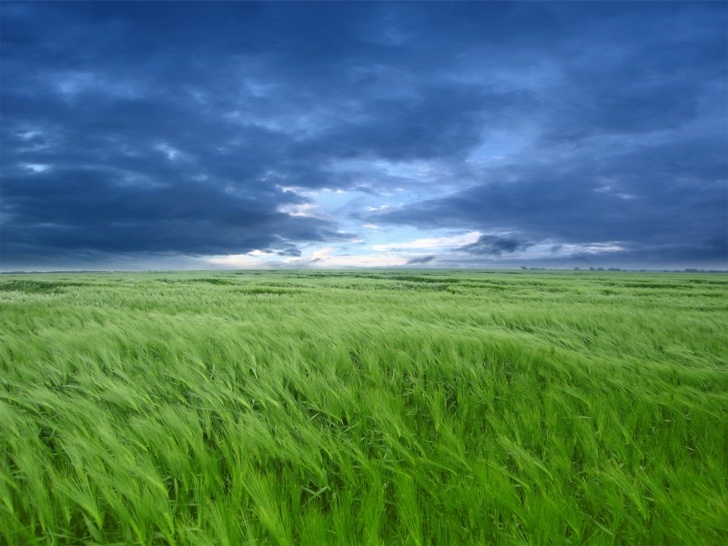
  • Grassland.

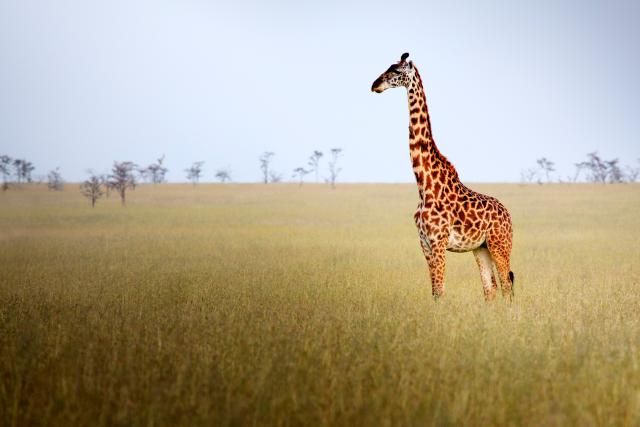
  • Savanna.

  • There are also marine (ocean and sea)biomes

4

​Biomes are sometimes confused with similar ecological concepts, such as habitats and ecosystems. Ecosystems are the interactions between biota, such as plants and animals, within the environment, and many ecosystems can make up a single biome. Nutrient and energy flow also play a critical role in ecosystems. A habitat, on the other hand, is specific to a population or species; it is the area in which that group lives. Meanwhile, biomes describe life on a much larger scale than either habitats or ecosystems.

5

6

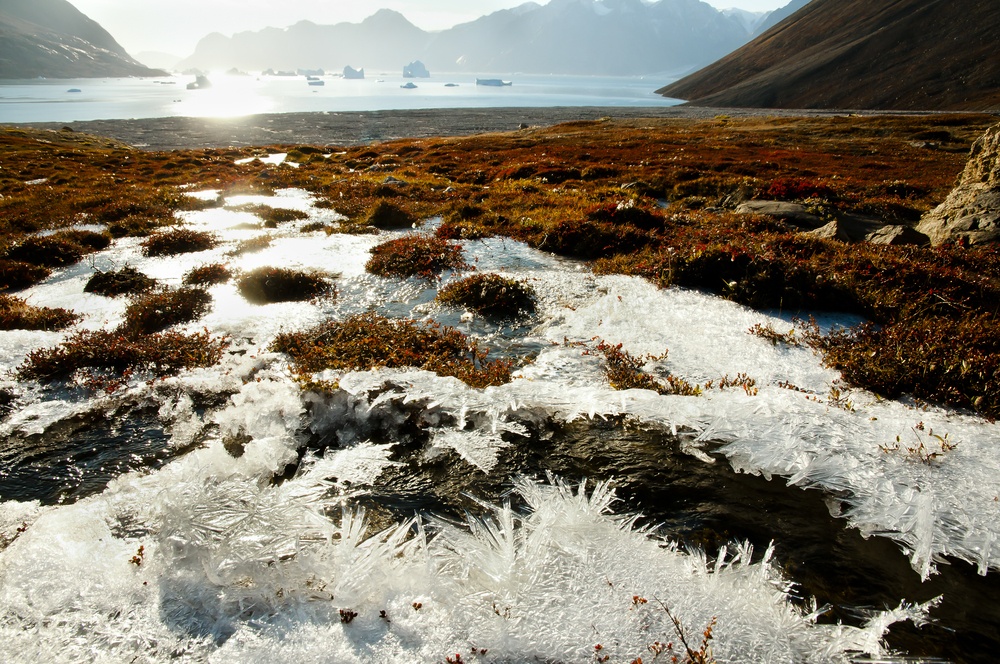
​The most striking visual difference between taiga and tundra is the presence of trees. The taiga has a thick forest of conifers such as pine and spruce, while in the tundra trees are absent completely. This is due in part to the lack of water available in the tundra, but also is a result of permafrost.

7

​

The marine biome is the biggest biome in the world! It covers about 70% of the earth. It includes five main oceans: the Pacific, Atlantic, Indian, Arctic, and Southern, as well as many smaller Gulfs and Bays. Marine regions are usually very salty!

8

Our Biome

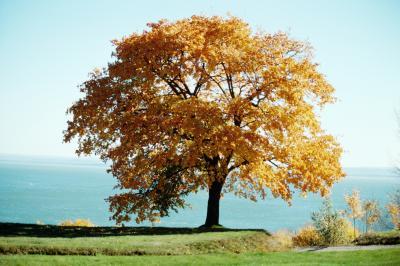
Temperate Deciduous Forest

​

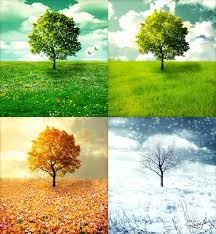
The average daily temperatures range between -30°C (-22°F) and 30°C (86°F) with a yearly average of 10°C (50°F). Hot summers and cold winters are typical in this biome.

Precipitation

On average, this biome receives 750 to 1,500 millimeters (30 to 59 inches) of rain per year.

Vegetation

Broadleaf trees (oaks, maples, beeches), shrubs, perennial herbs, and mosses

​

Subject | Subject

Some text here about the topic of discussion

9

media

10

media

11

Multiple Choice

Which biome is characterized by low temperatures and low amounts of rainfall?
1
tundra
2
desert
3
temperate deciduous forest
4
tropical rain forest

12

Multiple Choice

Which biome covers most of the land mass near the Earth's equator?
1
tundra
2
desert
3
grassland
4
tropical rainforest

13

Multiple Choice

Which biome, because of its climate, has the largest number of species of plants and animals?
1
tundra
2
desert
3
tropical rainforest
4
pine forest

14

Multiple Choice

Which type of trees is found in a temperate forest?
1
deciduous
2
evergreen
3
ginko
4
palm

15

Multiple Choice

Which major biome is home to cacti, mesquite, white thorn, pack rats, small reptiles, and coyotes?
1
desert
2
taiga
3
tundra
4
grassland

16

Multiple Choice

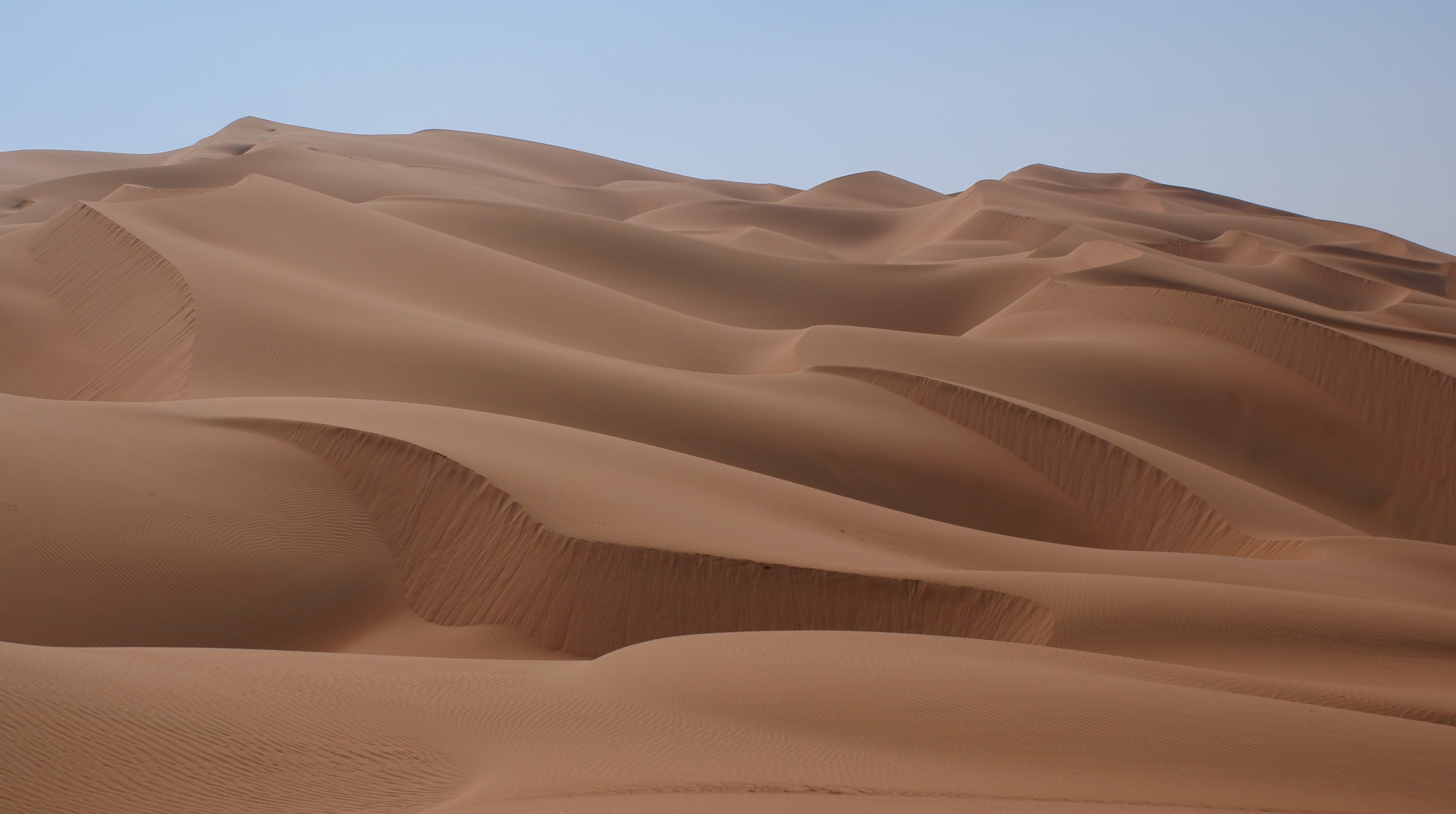
Which biome receives between 0 to 25 centimeters of rain per year, has a temperature range of 0 to 50 degrees Celsius, has poor soil, and is home to lizards, scorpions, and snakes?
1
desert
2
mountain
3
taiga
4
tundra

17

Multiple Choice

Which biome receives between 0 and 25 centimeters of precipitation each year, has a temperature range from -27 to 5 degrees Celsius, has frozen soil, and is home to hares, caribou, and wolves?
1
desert
2
mountain
3
savannah
4
tundra

18

Multiple Choice

Which of the following habitats probably has the greatest number of plant and animal species?
1
the African savannah
2
a rainforest in Brazil
3
a temperate forest in China
4
a temperate grassland in Kansas

19

Multiple Choice

Which biome contains large populations of grazing herbivores, few species of birds, and deep, rich soil?
1
taiga
2
tundra
3
deciduous forest
4
grassland

20

Multiple Choice

This biome contains mostly spruce trees and Douglas firs, which are both evergreen.  The winters are long and cold and the summers are short and rainy.  The soil is very rich.  Moose and elk live here.  This biome is classified as a
1
taiga
2
tundra
3
deciduous forest
4
temperate forest

21

Multiple Choice

Question image
The biome known for trees with broad leaves that fall off the trees in the winter.
1
Coniferous Forests
2
Deciduous Forests
3
Deserts
4
Tropical Rain Forests

22

Multiple Choice

Question image
The most important abiotic factors when studying biomes are...
1
Food and Water
2
Water and Sunlight
3
Temperature and Oxygen
4
Water and Temperature 

23

Multiple Choice

The greatest biodiversity on earth is found in the __________ biome.
1
taiga
2
grassland
3
temperate deciduous forest
4
tropical rainforest

24

Multiple Choice

Question image
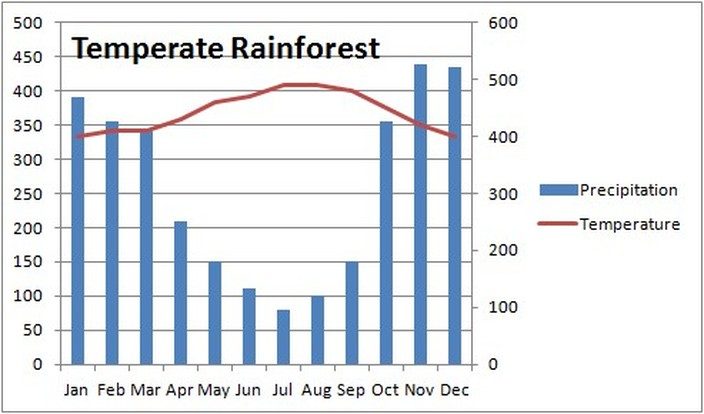
Which biome is represented by the rainfall amounts in letter C?
1
desert
2
prairie
3
deciduous forest
4
tropical rain forest

25

Multiple Choice

Question image
Which biome is MOST LIKE the "desert" in terms of precipitation?
1
tropical rainforest
2
temperate deciduous forest
3
tundra
4
coniferous forest

26

Multiple Choice

A ________ is a forest biome consisting mostly of cone-bearing evergreen trees
1
desert
2
temperate deciduous forest
3
taiga
4
tundra

27

Multiple Choice

Areas defined by their geographical location and ecological similarity are called?
1
ecozones
2
biotopes
3
biomes
4
biodomes

28

Multiple Choice

What are the key features of the Tundra?
1
cold winter, thin acidic soil, evergreen trees
2
treeless, permafrost, cold dark winters
3
ong cool summers, short dark winters, migrating animals
4
many evergreen trees, short moist summers, long snowy winters

29

Multiple Choice

Question image
A large ecosystem is called a ______
1
Ecosystem
2
Habitat
3
Biome
4
Niche

30

Multiple Choice

Question image
Which Biome has permafrost?
1
Temperate Forest
2
Rainforest
3
Taiga
4
Tundra

31

Multiple Choice

Question image
Which biome has wide-open fields of grass?
1
Taiga
2
Grasslands
3
Temperate Forest
4
Rainforest

32

Multiple Choice

Question image
Which biome has 4 seasons?
1
Taiga
2
Tundra
3
Grasslands
4
Temperate Forest

33

Multiple Choice

Question image
Which biome is home to lions, zebras, wildebeests, giraffes, and elephants?
1
Grasslands
2
Tundra
3
Rainforest
4
Temperate Forest

34

Multiple Choice

Question image
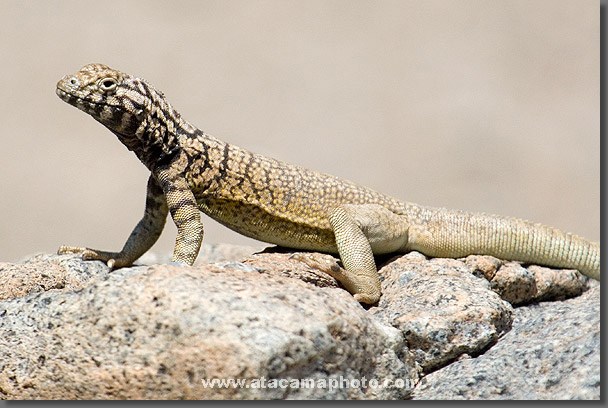
Which biome is home to cacti, scorpions, coyotes, kangaroo rats, and lizards?
1
Desert
2
Grasslands
3
Temperate Forest
4
Taiga

35

Multiple Choice

Question image
Which biome do we live in?
1
Grasslands
2
Taiga
3
Rainforest
4
Temperate Forest

36

Multiple Choice

Question image
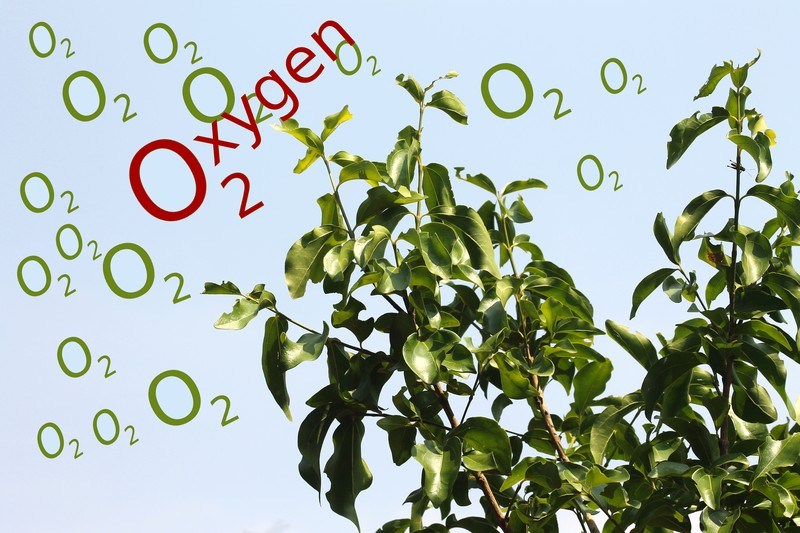
Which biome produces over 50% of the world's oxygen?
1
Rainforest
2
Temperate Forest
3
Grasslands
4
Taiga

37

Multiple Choice

Question image
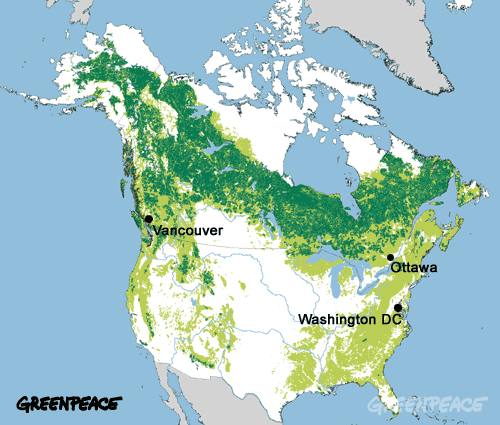
Which biome is Canada in?
1
Tundra
2
Taiga
3
Temperate Forest
4
Desert

38

Multiple Choice

Question image
In which biome does an organism have to be able to conserve water to survive?
1
Rainforest
2
Taiga
3
Desert
4
Temperate Forest

39

Multiple Choice

Which of the following in an ecosystem is classified as BIOTIC?
1
Rock
2
Sand
3
Wind
4
Tree

40

Multiple Choice

Which of the following in an ecosystem is ABIOTIC?
1
Sunlight
2
Frog
3
Scorpion
4
Snake

41

Multiple Choice

Question image
What biome? 
1
Savannah
2
Temperate Rainforest
3
Taiga
4
Desert

42

Multiple Choice

What kind of soil is found in the desert?
1
humus
2
sand
3
dirt
4
flowers

43

Multiple Choice

We would NOT find this animal in the deciduous forest
1
squirrel
2
deer
3
bear
4
giraffe

44

Multiple Choice

Nonliving elements in an ecosystem are called _______________. 
1
biotic factor
2
abiotic factor
3
limiting factor
4
carrying capacity 

45

Multiple Choice

a treeless biome that has permafrost
1
Tundra
2
Desert
3
Taiga
4
Deciduous

Biomes of the world

By

Show answer

Auto Play

Slide 1 / 45

SLIDE