

City-States of Ancient Greece

Presentation
•
History
•
6th Grade
•
Medium

Abigail Wigger
Used 13+ times
FREE Resource
10 Slides • 24 Questions
1
City-States of Ancient Greece
2
Fill in the Blanks
Type answer...
3
Fill in the Blanks
Type answer...
4
5 most influential = Athens, Sparta, Corinth, Delphi, & Thebes
each governed differently
created different currencies
spoke same language
worshiped similar gods
could move freely between city-states
only unified under 1 ruler during reign of Alexander the Great
Ancient Greek City-States

5
Multiple Choice
Which of the following was a common feature in Greek city-states, a place where people met to discuss politics and buy goods?
acropolis
agora
polis
Parthenon
6
largest/most influential
known for education & philosophy
birthplace of democracy
Athena = goddess of wisdom/warfare
involved in numerous wars
boys went to school
women stayed home to teach daughters to run a home
Athens

7
Multiple Choice
their military power
allowing their women to participate in democracy
8
Multiple Choice
9
Government of Athens

10
Multiple Select
Who was NOT allowed to participate in Ancient Athens government?
aristocrats
women
men from Athens
men from other territories
slaves
11
located on Peloponnesian Peninsula
center was inland = no sea power
turned to CONQUEST to meet needs
conquered Messenia - stayed within own territory
helots = slaves belonging to ALL of Sparta
forced to farm
provided food to Spartans
Sparta

12
Multiple Choice
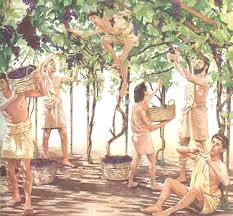
Who were the helots?
nobles who ran all of Sparta
slaves who worked the land
people of Sparta who worked the land
soldiers who protected the city-state
13
Multiple Choice

Sparta was in the south-central region of Greece, in an area known as
Greece
Sparta
Athens
Peloponnesus
Crete
14
Multiple Choice
15
mix of monarchy, democracy, OLIGARCHY
led by 2 kings
council of elders - 28 men
small assembly of free adult males
less power than Athens
5 Ephors - monitored kings/council
Spartan Government

16
Multiple Choice
How was Sparta a monarchy?
They had a small group of people who ruled
They had two kings
They had a president
They had a dictator
17
Multiple Choice
How was Sparta an oligarchy?
They had a king
They had a president
They had a council of elders
They had a prime minister
18
Multiple Choice
The TRUE government of Sparta was
a monarchy
a diarchy
an oligarchy
a democracy
19
Multiple Choice
20
used conquest to gain resources
needed strong military to prevent helot revolts
high value on military discipline
boys taken at 7 to begin training
military trained at 18 (retire at 60)
powerful army = stable gov.
A Military State

21
Multiple Choice

The Spartans tried to become the _____________ people in Greece.
strongest
smartest
seafaring
m
22
Multiple Choice
23
men's club of soldiers = full citizen
gained membership into assembly
women = strong/healthy for child bearing
greater independence than other city-states
more freedom - responsible for raising soldiers
Spartan Social Classes

24
Fill in the Blanks
Type answer...
25
Multiple Choice
Who was at the very bottom of the social structure in Sparta?
Spartiate
Perioeci
Helots
26
(S) feared individual differences/change
(A) valued individual expression/new ideas
(S) rigid Oligarchy/little change
(A) Democracy/evolved over time
opposing values = TENSION
Spartan vs. Athens

27
both unable to feed growing population
(S) relied on conquest/slave labor
(A) relied on trade
(S) valued military/obedience
(A) valued education/art/lit.
Spartan vs. Athens
28
Multiple Choice
29
Multiple Choice
In which city-state did women have more rights?
Sparta
Athens
Both
Neither
30
Multiple Choice
Sparta's economy was based on...?
Farming and Taking Over People
Trade
Creating iron to sell to neighboring city-states
Had no economy
31
Multiple Choice
This Greek city-state had ready access to water and excelled at sailing and boating?
Athens
Sparta
32
Multiple Choice
33
Multiple Choice
34
Multiple Choice
City-States of Ancient Greece
Show answer
Auto Play
Slide 1 / 34
SLIDE
Similar Resources on Wayground

24 questions
Ancient Indian Achievements
Presentation
•
6th Grade
28 questions
Battles of the Texas Revolution #2
Presentation
•
7th Grade
27 questions
January 11, 2021 Singular, Plural, and Possessive Nouns
Presentation
•
6th Grade
25 questions
Perseus
Presentation
•
6th Grade
26 questions
Ancient Cave Paintings
Presentation
•
6th Grade
24 questions
Aryans and Caste System
Presentation
•
6th Grade
26 questions
What's the difference between Democrats and Republicans?
Presentation
•
5th - 6th Grade
27 questions
World War 2
Presentation
•
5th - 6th Grade
Popular Resources on Wayground
20 questions
Math Review

Quiz
•
3rd Grade
15 questions
Fast food
Quiz
•
7th Grade
20 questions
Context Clues
Quiz
•
6th Grade
20 questions
Inferences
Quiz
•
4th Grade
19 questions
Classifying Quadrilaterals
Quiz
•
3rd Grade
20 questions
Figurative Language Review
Quiz
•
6th Grade
20 questions
Equivalent Fractions
Quiz
•
3rd Grade
10 questions
Identify Fractions, Mixed Numbers & Improper Fractions
Quiz
•
3rd - 4th Grade
Discover more resources for History
10 questions
Memorial Day
Quiz
•
6th Grade
10 questions
Exploring the Byzantine Empire: Key Events and Milestones

Interactive video
•
6th - 10th Grade
10 questions
Exploring the American Civil War: Key Events and Figures
Interactive video
•
6th - 10th Grade
25 questions
US HISTORY REVIEW
Quiz
•
6th - 8th Grade
10 questions
Exploring Ancient China's Dynasties and Innovations
Interactive video
•
6th - 10th Grade