

World Climates, Environments, & Biomes

Presentation
•
Social Studies, Geography
•
7th Grade
•
Hard

Jay Iaquinta
Used 7+ times
FREE Resource
14 Slides • 19 Questions
1
2

We can divide Earth into five climate zones: tropical, temperate, polar, dry, and highland. Tropical climates appear near the equator, temperate climates are found in the middle latitudes, and polar climates occur near the poles. Dry and highland climates can appear at different latitudes.
Major Climate Zones
Humid tropical climates occur near the equator. Some are hot and humid throughout the year. Rain forests need this type of climate to thrive and support thousands of species. Other tropical areas have monsoons—winds that shift directions and create wet and dry seasons.
Tropical & Dry Climates
3


Moving away from the equator, we find tropical savanna climates. A long, hot dry season is followed by short periods of rain. This climate supports savannas, an area of tall grasses and scattered trees and shrubs.
Deserts are hot and dry. At night, the dry air cools quickly; desert nights can be cold. Only a few tough plants and animals survive in a desert. Sometimes steppes—semidry grasslands—are found near deserts.
4

Temperate, or mild, climates occur in the middle latitudes. In this climate, weather often changes quickly when cold and warm air masses meet. Most temperate regions have four distinct seasons, with hot summers and cold winters. A Mediterranean climate has hot, sunny summers and mild, wet winters. They occur near the ocean, and the climate is mostly pleasant. People like to vacation in these climates. Only small, scattered trees survive in these areas.
Temperate Climates
5
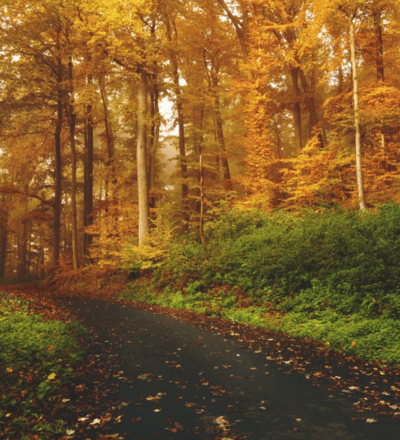
East coasts near the tropics have humid subtropical climates because winds bring moisture from the ocean. They have hot, wet summers and mild winters, with storms year-round. Marine west coast climates occur farther north on the west coast. They also get moisture from the sea, which causes mild summers and rainy winters. Inland or east-coast regions in the upper-middle latitudes often have humid continental climates. These have short, hot summers, a mild spring and fall, and long, cold winters.
Temperate Climates
6

There are three polar climates. Subarctic climate occurs south of the Arctic Ocean. Winters are long and very cold; summers are cool. There is enough precipitation to support forests. At the same latitude near the coasts, tundra climate is also cold, but too dry for trees to survive. In parts of the tundra, soil is frozen as permafrost. Ice cap climates are the coldest on Earth. There is little precipitation and little vegetation. Even though it is a harsh place, penguins and polar bears live there. Highland, or mountain, climate changes with elevation. As you go up a mountain, the climate may go from tropical to polar.
Polar & Highland Climates
7

Plants and animals cannot live just anywhere. They must have an environment, or surroundings, that suits them. Climate, land features, and water are all part of a living thing’s environment. Plants and animals adapt to specific environments. For example, kangaroo rats do not need to drink much water and are adapted to a desert environment
The Environment & Life
8
An ecosystem is the connection between a particular environment and the plants and animals that live there. They all depend on each other for survival. Ecosystems can be as small as a garden pond or as large as a forest. Biomes are much larger than ecosystems. They may contain several ecosystems.
The Environment & Life
9
Each part of an ecosystem fills a certain role in a cycle. For example, the sun provides energy to plants, which use it to make food. These plants then provide energy and food to other plants and animals. When these life forms die, their bodies break down and give nutrients to the soil so more plants can grow.
The Environment & Life
10

A small change in one part of an ecosystem can affect the whole system. Many natural events and human actions affect ecosystems and the habitats in them. A habitat is the place where a plant or animal lives. Natural events include forest fires, disease, and climate changes
The Environment & Life
11
Human actions such as clearing land and polluting can destroy habitats. For example, people are clearing Earth’s rain forests for farmland, lumber, and other reasons. As a result, these diverse habitats are being lost. If a change to the environment is extreme, a species might become extinct, or die out completely.
The Environment & Life
12
Many countries are passing laws to protect the environment. Although these laws do not please everyone, they can have good results. The U.S. Endangered Species Act of 1973 has saved 47 species from becoming extinct.
The Environment & Life
13

An environment’s soil affects which plants can grow there. Fertile soils have lots of humus and minerals. Humus is decayed plant or animal matter.
Soils can lose fertility from erosion when wind or water sweeps topsoil away. Soil can also lose fertility from planting the same crops repeatedly. When soil becomes worn out and can no longer support plants, desertification can occur. The spread of desert conditions causes problems in many parts of the world.
Soil & the Environment
14
15
Multiple Choice
Geographers use temperature, precipitation, and plant life to identify:
Continents
Borders
Climate zones
Ecosystem
16
Multiple Choice
These climates are wet and warm:
Dry
Polar
Tropical
Highland
Temperate
17
Multiple Choice
These climates receive little to no rain:
Dry
Polar
Tropical
Highland
Temperate
18
Multiple Choice
These climates have the most seasonal change, as in they have the biggest differences between their seasons:
Dry
Polar
Tropical
Highland
Temperate
19
Multiple Choice
These climates are cold and dry:
Dry
Polar
Tropical
Highland
Temperate
20
Multiple Choice
These climates change with elevation:
Dry
Polar
Tropical
Highland
Temperate
21
Multiple Choice
Winds that shift direction with the seasons and create wet and dry periods are called:
Steppes
Permafrost
Monsoons
Savannas
22
Multiple Choice
Semidry grasslands or prairies are called:
Steppes
Permafrost
Monsoons
Savannas
23
Multiple Choice
Permanently frozen layers of soil are called:
Steppes
Permafrost
Monsoons
Savannas
24
Multiple Choice
Which of these terms does not relate to the others?
Monsoon
Muggy
Prairies
Rain forest
25
Multiple Choice
Which of these terms does not relate to the others?
Subarctic
Tundra
Desert
Permafrost
26
Multiple Choice
Which of these terms does not relate to the others?
Forest
Steppes
Savannas
Grassland
27
Multiple Choice
Any place where plants and animals depend upon each other and their environment for survival is called:
Biome
Environment
Habitat
Ecosystem
28
Multiple Choice
An area much larger than an ecosystem and possibly made up of several ecosystems is called:
Biome
Environment
Habitat
Ecosystem
29
Multiple Choice
A plant or animal’s surroundings, including things like climate and land or water features, is called:
Biome
Environment
Habitat
Ecosystem
30
Multiple Choice
A place where a plant or animal lives is called:
Biome
Environment
Habitat
Ecosystem
31
Multiple Choice
The slow process of losing soil fertility and plant life is called:
Humus
Extinct
Desertification
Erosion
32
Multiple Choice
Decayed plant or animal matter is called:
Humus
Extinct
Desertification
Erosion
33
Multiple Choice
When something completely dies out it becomes:
Humus
Extinct
Desertification
Erosion
Show answer
Auto Play
Slide 1 / 33
SLIDE
Similar Resources on Wayground

23 questions
The Protestant Reformation in England
Presentation
•
7th Grade
25 questions
Reconstruction
Presentation
•
7th Grade
27 questions
7.2/7.3 Tang and Song Dynasties
Presentation
•
6th - 7th Grade
27 questions
The Texas Empresarios
Presentation
•
7th Grade
26 questions
Central American and Caribbean Physical Geography
Presentation
•
7th Grade
27 questions
Great Depression
Presentation
•
7th Grade
24 questions
Causes of the Texas Revolution (Part 1)
Presentation
•
7th Grade
29 questions
The Civil Rights Movement
Presentation
•
7th Grade
Popular Resources on Wayground
10 questions
Safety Day 2026 – Student Review

Quiz
•
9th Grade
21 questions
Continents and Oceans
Quiz
•
6th Grade
20 questions
Parts of Speech
Quiz
•
5th Grade
16 questions
Subject & Predicate
Quiz
•
5th Grade
25 questions
Multiplication Facts
Quiz
•
5th Grade
12 questions
Map Skills
Quiz
•
3rd Grade
22 questions
Continents and Oceans
Quiz
•
5th Grade
15 questions
Rounding Decimals
Quiz
•
5th Grade
Discover more resources for Social Studies
19 questions
Foundations of America
Quiz
•
6th - 8th Grade
10 questions
Exploring the Age of Exploration: Key Events and Figures

Interactive video
•
6th - 10th Grade
15 questions
Middle Ages of the Middle East Vocab List (CFA #2)
Quiz
•
6th - 8th Grade
10 questions
13 Colonies: Comparing Regions
Quiz
•
7th Grade
26 questions
SW Asia History
Quiz
•
7th Grade
16 questions
Causes of the Texas Revolution
Quiz
•
7th Grade
14 questions
Types of Government Overview (SW Asia)
Presentation
•
7th Grade
8 questions
DLT 1: Citizen Participations
Quiz
•
7th Grade