Year 7 Cells
Presentation
•
Science
•
6th - 9th Grade
•
Easy
Ryan Foskett
Used 2+ times
FREE Resource
3 Slides • 41 Questions
1
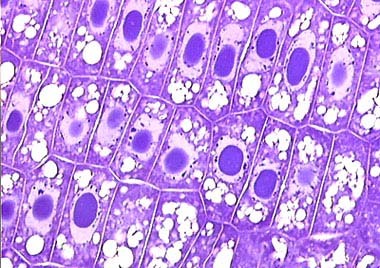
Cells are joined together to make tissue
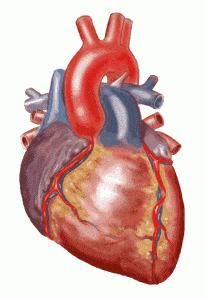
Tissue forms organs
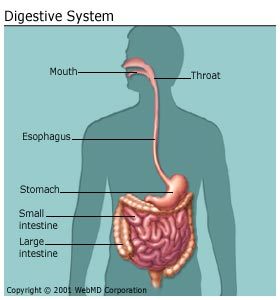
Organs work together to form an organ system
2
Multiple Choice
organ
organ system
cell
tissue
3
Multiple Choice
cell
tissue
organ
organ system
4
Multiple Choice
cell
organ system
organ
tissue
5
Multiple Choice
organ system
cells
organ
tissue
6
7
Multiple Choice
Is this an animal or a plant cell?
Animal
Plant
8
Multiple Choice
Identify structure A in the diagram
Chloroplast
Nucleus
Cell wall
Vacuole
9
Multiple Choice
Identify structure B in the diagram
Chloroplast
Nucleus
Cytoplasm
Vacuole
10
Multiple Choice
Identify structure C in the diagram
Chloroplast
Nucleus
Mitochondria
Vacuole
11
Multiple Choice
Identify structure D in the diagram
Chloroplast
Nucleus
Cell membrane
Vacuole
12
Multiple Choice
Identify structure E in the diagram
Chloroplast
Nucleus
Mitochondria
Vacuole
13
Multiple Choice
Identify structure F in the diagram
Cytoplasm
Cell membrane
Cell wall
Mitochondria
14
Multiple Choice
Identify structure G in the diagram
Cytoplasm
Cell membrane
Cell wall
Nucleus
15
Multiple Choice
What is the role of the cell wall in a plant cell?
Site of photosynthesis
Gives the cell structural support
Controls which substances leave or enter the cell
16
Multiple Choice
What is the role of the vacuole in a plant cell?
Contains cell sap (sugars)
Gives the cell structural support
Controls which substances leave or enter the cell
17
Multiple Choice
What is the role of the chloroplast in a plant cell?
Contains cell sap (sugars)
Gives the cell structural support
Absorbs lights and is where photosynthesis takes place
18
Multiple Choice
Is this an animal or plant cell?
Plant
Animal
19
Multiple Choice
Identify structure A in the diagram
Cytoplasm
Cell membrane
Nucleus
Mitochondria
20
Multiple Choice
Identify structure B in the diagram
Cytoplasm
Cell membrane
Nucleus
Mitochondria
21
Multiple Choice
Identify structure C in the diagram
Cytoplasm
Cell membrane
Nucleus
Mitochondria
22
Multiple Choice
Identify structure D in the diagram
Cytoplasm
Cell membrane
Nucleus
Mitochondria
23
Multiple Choice
What is the role of the nucleus?
Controls the cell and contains DNA
Lets things in and out of the cell
Releases energy
24
Multiple Choice
What is the role of the cell membrane?
Controls the cell and contains DNA
Lets things in and out of the cell
Releases energy
25
Multiple Choice
What is the role of the mitochondria?
Controls the cell and contains DNA
Lets things in and out of the cell
Releases energy
26
Multiple Choice
What is the role of the cytoplasm?
Where chemical reactions take place
Lets things in and out of the cell
Releases energy
27
Draw
Complete the plant cell by drawing on the o
28
Draw
Complete the animal cell by drawing on the organelles
29
30
Multiple Choice
What type of cells are adapted to perform a specific function?
Animal cells
Plant cells
Specialised cells
31
Multiple Choice
Why are specialised cells important?
They can perform any type of job
They are more efficient at carrying out a specific job
They can carry out their job very quickly
They can become any type of cell
32
Multiple Choice
What type of cell is this?
nerve cell
egg cell
sperm cell
red blood cell
33
Multiple Choice
What is the job of the red blood cell?
Carry oxygen around the body
Absorb light
Carry DNA
34
Multiple Choice
What is different about red blood cells compared to other cells?
They have no nucleus so they can carry more oxygen
They have no cell membrane
They have no mitochondria
35
Multiple Choice
What type of cell is this?
red blood cell
white blood cell
nerve cell
egg cell
36
Multiple Choice
What is the job of a nerve cell?
Carry oxygen from the lungs to the body
Carry nerve impulses (electrical signals) around your body
Carry DNA
37
Multiple Choice
What type of cell is this?
nerve cell
muscle cell
egg cell
sperm cell
38
Multiple Choice
What is the job of the sperm cell?
Carry DNA
Carry blood around the body
Carry electrical impulses around the body
39
Multiple Choice
What is different about the sperm cell compared to other cells?
They have a tail to help them move/swim
They have no cell membrane
They have no mitochondria
40
Multiple Choice
What type of cell is this?
white blood cell
sperm cell
egg cell
leaf (palisade) cell
41
Multiple Choice
What is the job of the palisade (leaf cell)?
Absorb light
Carry blood around the body
Carry DNA
42
Multiple Choice
What is different about the palisade (leaf) cell compared to other cells?
It has loads of chloroplasts to absorb light
It is blue
It has no cell wall
43
Multiple Choice
What is the name of this cell?
Red blood cell
Nerve cell
Root hair cell
44
Multiple Choice
What is the job of the root hair cell?
Absorb light
Absorb water and nutrients
Carry blood around the body
Cells are joined together to make tissue
Tissue forms organs
Organs work together to form an organ system
Show answer
Auto Play
Slide 1 / 44
SLIDE

Similar Resources on Wayground
41 questions
Characteristics of the Cell
Presentation
•
6th - 9th Grade
35 questions
Properties of Matter Review
Presentation
•
6th - 9th Grade
38 questions
Topographic Maps
Presentation
•
6th - 8th Grade
35 questions
Balanced and Unbalanced Forces
Presentation
•
6th - 8th Grade
35 questions
Magnetic Force
Presentation
•
6th - 8th Grade
40 questions
Physical properties
Presentation
•
6th - 9th Grade
35 questions
Sexual and Asexual Reproduction
Presentation
•
6th - 8th Grade
39 questions
Test Term 2 Review (2021)
Presentation
•
6th - 8th Grade
Popular Resources on Wayground
24 questions
PBIS-HGMS Day 10
Quiz
•
6th - 8th Grade
10 questions
HCS SCI 03 Summer School Review 3
Quiz
•
3rd Grade
11 questions
Home Scope
Quiz
•
7th - 8th Grade
15 questions
HCS SCI 05 Summer School Assessment 3 Review
Quiz
•
5th Grade
35 questions
Lufkin Road Middle School Student Handbook & Policies Assessment
Quiz
•
7th Grade
18 questions
Geo 11.3 Area of Circles and Sectors
Quiz
•
9th - 11th Grade