Search Header Logo
  1. Resource Library
  2. Science
  3. Earth & Space Science
  4. Sta 7th Earth & Space Science Semester Review!
STA 7th Earth & Space Science Semester Review!

STA 7th Earth & Space Science Semester Review!

Assessment

Presentation

Science

6th Grade

Medium

NGSS
MS-ESS1-4, MS-ESS2-3, MS-LS1-5

+17

Standards-aligned

Created by

Andrew Howell

Used 5+ times

FREE Resource

30 Slides • 83 Questions

1

Multiple Choice

You are measuring the weight of a car, What unit would you use to measure it?

1

kilogram (kg)

2

gram (g)

3

centigram (cg)

4

milligram (mg)

2

Multiple Choice

You are buying a family sized container of apple juice from the store. What is the unit of measure that you would see on the label?

1

kiloliter (kl)

2

dekaliter (dal)

3

liter (l)

4

deciliter (dl)

3

Multiple Choice

You are measuring the length of an ant. What unit of measure would you use?

1

hectometer (hm)

2

meter (m)

3

centimeter (cm)

4

millimeter (mm)

4

Multiple Choice

Question image

Convert:


6 m is the same as ___ cm

1

60

2

600

3

0.6

4

0.06

5

Multiple Choice

Question image

Convert:


28 g is the same as ____ hg

1

280

2

2,800

3

2.8

4

0.28

6

media

7

Open Ended

Question image

Fabian's water bottle holds 600 milliliters of water. Jonathan's water bottle holds1 liter of water. Whose water bottle holds more water? How much more water?

8

Multiple Choice

What temperature scale do we use in the metric system?

1

Fahrenheit

2

Celsius

3

Kelvin

9

Multiple Choice

What is the formula for density?
1
density = mass x volume
2
density = mass / volume
3
density = mass + volume
4
density = mass - volume

10

Multiple Choice

Jack has a rock. The rock has a mass of 14 g and a volume of 2 cm3. What is the density of the rock?
1

7 mL

2

7 g/cm3

3

28 g/cm3

4

1/7 g/cm3

11

Multiple Choice

Frank has a liquid. It has a mass of 6 g and a volume of 9 mL. What is its density?
1

3 g/mL

2

.66 g/mL

3

1.33 g/mL

4

54 g/mL

12

Multiple Choice

You have a graduated cylinder that has 30 mL of water in it. You put a rock in it and it raises to 42 mL. You know the rock has a mass of 10g. What is its density?

1

0.83 g/cm^3

2

0.83 g/g

3

0.83 cm^3/g

13

Multiple Choice

Question image
Julie is colleting information about the physical properties of a rock. She puts water in a graduated cylinder. Then she puts the rock into the cylinder. What information can Julie collect from the graduated cylinder?
1

the rocks mass

2

the rocks temperature

3

the rocks texture

4

the rocks volume

14

Multiple Choice

Question image
Which liquid is the least dense?
1

oil

2

water

3

syrup 

4

plastic bottle

15

Multiple Choice

Question image
What is the volume of Object X?
1

10.0 cm3

2

15.0 cm3

3

20.0 cm3

4

25.0 cm3

16

Multiple Choice

Density is...
1

the amount of mass in an object

2

the amount of space an object takes up

3

the amount of mass in a given space

4

the weight of an object

17

Multiple Choice

Anything that has mass and takes up space is called
1

volume volume

2

matter

3

magnetism

4

electricity

18

Multiple Choice

What is calculated by multiplying
 l x w x h?
1

mass

2

weight

3

volume

4

grades

19

Multiple Choice

Question image

An experiment generally tests how one _________ is affected by another.

1

Variable

2

test

3

scientist

4

option

20

Multiple Choice

Question image

The more times that an experiment is repeated and the same results obtained, the more likely the results are _________.

1

better

2

observed

3

valid

4

used

21

Multiple Choice

Question image

A(n) ____________ is a special type of scientific investigation that is performed under controlled conditions.

1

experiment

2

lab

3

inquiry

4

hypothesis

22

What's the process?

  • OBSERVE Something

  • Research or Infer to formulate a Hypothesis

  • Design a Procedure to test that hypothesis

  • Conduct an experiment and record data

  • Analyze the Results

  • Draw a Conclusion and communicate the results

media

23

Multiple Choice

Question image
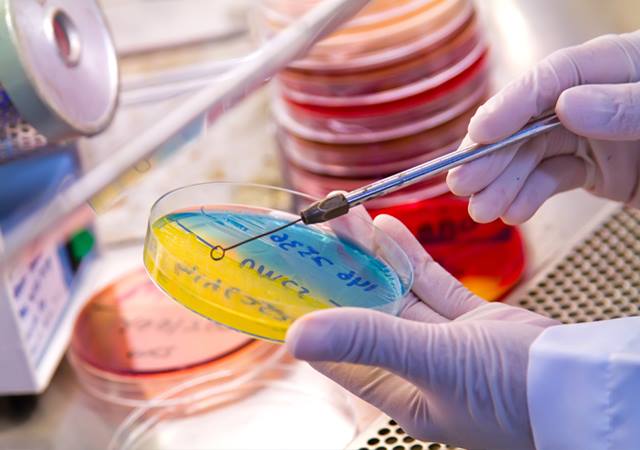
Rene grew bacteria from the mouth on special plates in the laboratory.  She placed drops of different mouthwashes on bacteria on each plate.
1
recognize a problem
2
test the hypothesis with an experiment
3
form a hypothesis   
4
draw conclusions

24

Multiple Choice

Question image
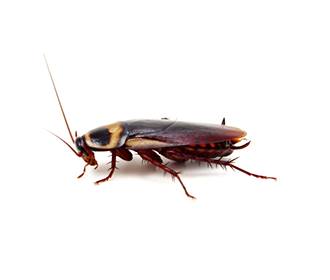
Johathan’s data showed that household cockroaches moved away from raw cucumber slices.
1

recognize a problem

2

test the hypothesis with an experiment

3

form a hypothesis

4

draw conclusions

25

Multiple Choice

Question image

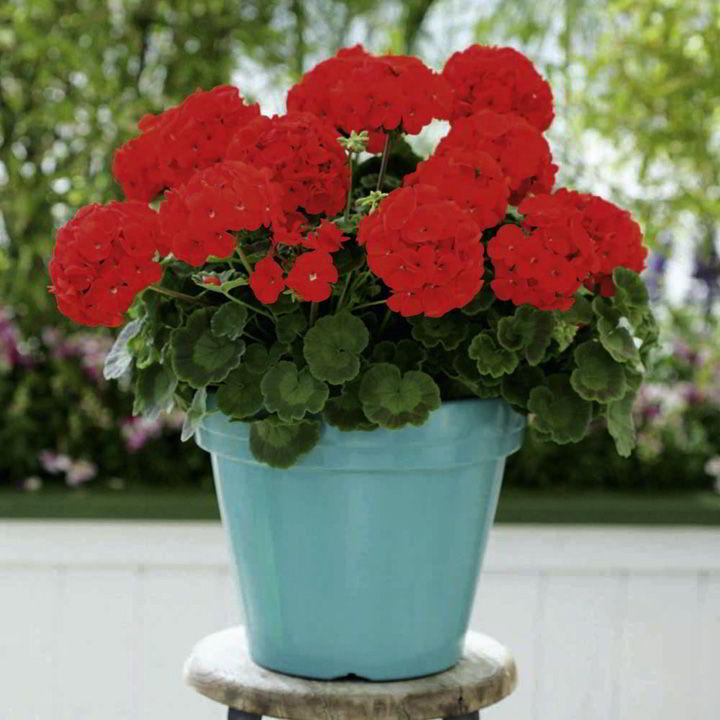
Susan said, “If I fertilize my geranium plants, then they will blossom faster.”

1

recognize a problem

2

test the hypothesis with an experiment

3

form a hypothesis

4

draw conclusions

26

Multiple Choice

Question image
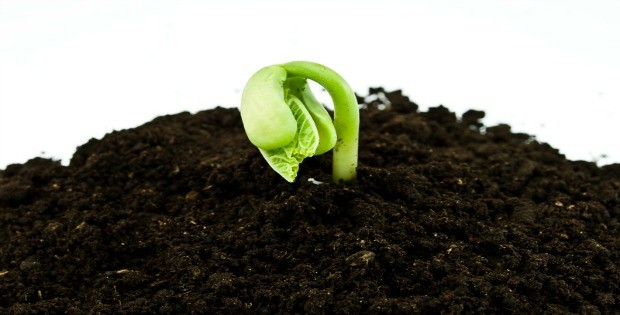
Stephen predicted that seeds would start to grow faster if an electric current traveled through the soil in which they were planted.
1
recognize a problem
2
test the hypothesis with an experiment
3
form a hypothesis
4
draw conclusions  

27

Multiple Choice

Question image

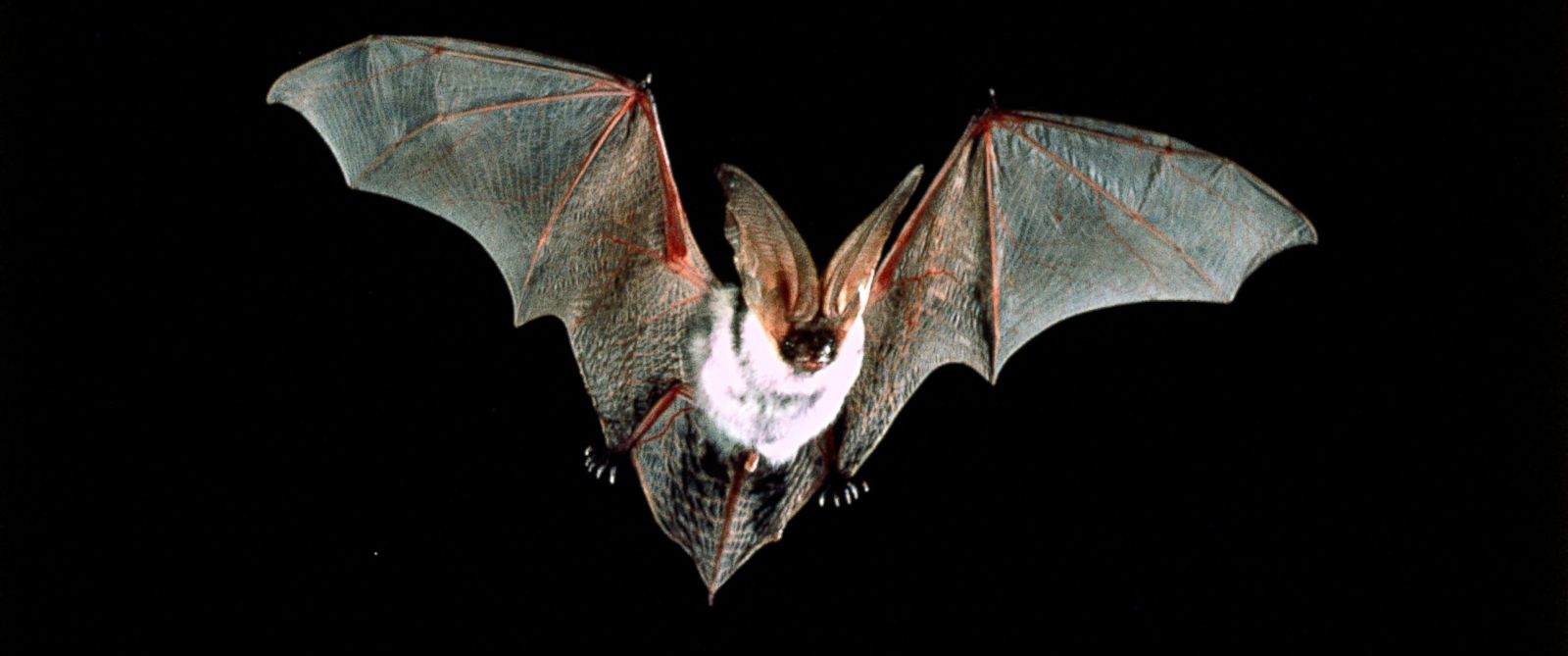
Jose saw bats catching insects after dark. He asked, “How do bats find insects in the dark?”

1

ask a question

2

test the hypothesis with an experiment

3

form a hypothesis

4

draw conclusions

28

What are variables?

  • ‌A Variable is anything that changes.

  • The variables compared in the problem statement are the INDEPENDENT & DEPENDENT variables.

  • The IV is what is changed at the beginning of the experiment.

  • The DV is what changes BECAUSE of the IV

  • Example 1: What is the effect of the change in the length of daylight on the leaf color of deciduous trees?T

media

29

IV vs. DV

  • ‌INDEPENDENT VARIABLE:

  • ‌A variable YOU MANIPULATE or CHANGE at the BEGINNING of the experiment.

  • The different variations of the IV are called the LEVELS of the IV.

  • DEPENDENT VARIABLE:

  • The Variable that changes as a result of the independent variable.

  • The Variable that is measured and recorded.

media

30

Constants & Control

  • IN ANY EXPERIMENT, YOU MUST CONTROL AS MUCH AS POSSIBLE.

  • Constants are variables that DO NOT CHANGE through the entire experiment. It is something that MUST REMAIN THE SAME!

  • The Control is one of the levels of the IV.

  • It is the group that is used TO COMPARE TO THE RESULTS FOR EACH LEVEL OF THE IV

media

31

Multiple Choice

Question image

A scientist is testing the impact of light and dark on the moth behavior by turning a light on and off. The DEPENDENT variable is...

1

amount of light

2

moth behavior/their reaction

3

number of moths

32

Multiple Choice

Diego wants to know how drinking milk affects how tall Dora grows. Which is the independent variable?

1

Drinking milk.

2

Diego's growth.

3

Dora's growth.

4

Chocolate or plain milk.

33

Multiple Choice

Question image

What is the INDEPENDENT variable (cause)in this experiment?

"Which type of metal, copper or aluminum, conducts heat faster?"

1

size of metal

2

types of metal

3

time it takes to heat up

4

shape of the metal

34

Multiple Choice

Question image

What is the DEPENDENT variable (effect) in this experiment?

"Does eating breakfast improve test score?"

1

eating breakfast or not

2

the grade you got on the test

3

what time you get up in the morning

4

what you eat for breakfast

35

Multiple Choice

Using your senses to gather information is called an _____?

1

observation

2

inference

3

question

36

Multiple Choice

Explaining or interpreting the observations is called _____?

1

observation

2

inference

3

question

37

Multiple Choice

An observation that has a number is called a _________ observation?

1

quantitative

2

qualitative

3

inference

4

observation

38

Multiple Choice

An observation that uses words without numbers or amounts is called a _________ observation?

1

quantitative

2

qualitative

3

observation

4

inference

39

Multiple Choice

Which of the following is an example of a qualitative observation?

1

The cat weighs 34 kg

2

The clouds look grey and dark

3

The girl can run 15 mph

4

There are 50 states in the USA

40

Multiple Choice

Which observation is quantitative?
1

It is 5 cm long

2

It is smooth

3

It looks red

4

It is dry

41

Multiple Choice

Question image
The girl is folding her arms.
1

Observation

2

Inference

42

Multiple Choice

Question image

It's December.

1

Observation

2

Inference

43

Multiple Choice

Question image
There are 5 boys.
1

Observation

2

Inference

44

Multiple Choice

Question image

The Sloth is on a beach with palm trees.

1

observation

2

inference

45

Fill in the Blank

Question image

Paleontology is the study of __________, from dinosaurs to prehistoric plants, mammals, fish, insects, fungi, and even microbes.

46

media

47

media

48

media

49

Multiple Choice

Question image

Most fossils are formed within which kind of rock?

1

sedimentary

2

metamorphic

3

igneous

4

they form equally in all types of rock

50

Multiple Choice

Question image

Click to enlarge. Study this carefully. Which fossil in the oldest?

1

Fossil 1

2

Fossil 2

3

fossil 3

51

Multiple Choice

Question image

Which layer is the oldest?

1

A

2

F

3

Can not be determined

4

They are all the same age.

52

Multiple Choice

Question image

Which layer is the youngest?

1

A

2

F

3

Can not tell

4

They are all the same age.

53

Multiple Choice

Question image

If fossils in layer D are 100 million years old and in layer B they are 110 million years old, how old might are the fossils in layer C? Choose the best answer.

1

90 million years old

2

120 million years old

3

105 million years old

4

50 million years old

54

Geologic Time

How can we relate rocks to time?

media

55

Multiple Choice

Question image

The earth is ______________of years old

1

Hundreds

2

Millions

3

Billions

4

Trillions

56

Multiple Choice

The Geologic Time Scale is a record of what?
1
old geologists
2
sweet geology music
3
the known history of rocks and fossils
4
a list of every living thing ever

57

Multiple Choice

Which of the following statements about the fossil record is true?
1
all organisms become fossils
2
organisms having soft body parts make up most of the fossils
3
all organisms that have shells become fossils
4
the fossil record is incomplete

58

Multiple Choice

Why is the fossil record incomplete?
1

fossils get eroded away over time

2

most organisms never became fossils

3

scavengers and decomposers eat them too quickly

4

all of the above

59

media

60

Multiple Choice

What Eon, Era, Period and Epoch are you living in today?

1

Phanerozoic, Cenozoic, Quaternary, Holocene

2

Triassic, Jurassic, and Cretaceous

3

The Cambrian period

61

Multiple Choice

What are the fractions of time in order from LEAST to GREATEST?

1

Epoch, Eon, Era, Period

2

Eon, Era, Period, Epoch

3

Period, Epoch, Eon, Era

4

Epoch, Period, Era, Eon

62

media

63

media

64

media

65

Theory of Plate Tectonics

media

66

The lithosphere is broken into Tectonic Plates

  • The lithosphere is made from the crust and the uppermost part of the mantle

  • The lithosphere is rigid, brittle rock

  • These plates float on the asthenosphere

media

67

media

68

How do the plates ACTUALLY MOVE?

  • Convection currents in the asthenosphere drive the movement of lithospheric plates

media

69

media

70

How does a convection cell occur?

  • Hot magma in the asthenosphere begins to rise, similar to the way hot air rises.

  • As it rises to the top of the asthenosphere, it cools and becomes more dense.

  • This cooler, dense magma then sinks again. As it sinks, it gets warmer, until the process begins again

  • This movement of magma is what drives the plates to move.

media

71

Multiple Choice

Tectonic plates consist of

1

continental crust

2

mesospheric crust

3

both continental and oceanic crust

4

oceanic crust

72

Multiple Choice

Why did no one believe Wegener's thoery that the continents were once together?

1

He could not explain HOW the continents moved

2

He didn't have evidence

3

His data was wrong

4

He didn't use the right technology to gather data

73

Multiple Choice

The movement of the tectonic plates is caused by

1

the rotation of the Earth

2

convection currents in the Asthenosphere

3

the gravity of the iron-nickel core

4

the Moho discontinuity

74

Multiple Choice

Which layer of the Earth consists of tectonic plates?

1

asthenosphere

2

mantle

3

mesosphere

4

lithosphere

75

Multiple Choice

Tectonic plates “float” on

1

the lithosphere

2

the mantle

3

the ocean

4

the asthenosphere

76

Multiple Choice

The fact that similar fossils are found on both sides of the ocean is evidence of

1

magnetic reversal

2

global positioning

3

continental drift

4

oceanic drift

77

Multiple Choice

How does temperature change as you move from the crust to the core?
1
it gets cooler
2
it gets hotter
3
it stays the same
4
the core is frozen

78

Multiple Choice

Which layer of the earth is a pure liquid?
1
crust
2
mantle
3
outer core
4
inner core

79

Multiple Choice

What is the correct order (starting from the surface) of Earth's layers?
1
crust, mantle, inner core, outer core
2
mantle, outer core, inner core, crust
3
inner core, outer core, mantle, crust
4
crust, mantle, outer core, inner core

80

3 plate boundaries

  • Convergent

  • Divergent

  • Transform

media

81

Multiple Choice

Which boundary collides

1

Convergent

2

Divergent

3

Transform

82

Multiple Choice

Which boundary divides

1

Convergent

2

Divergent

3

Transform

83

Multiple Choice

Which boundary slides

1

Convergent

2

Divergent

3

Transform

84

Multiple Choice

What is the line (crack) called in the ground where 2 plates meet?

1

Seafloor spreading

2

Fault line

3

Earthquake

85

Multiple Choice

What do we feel when plates move at a transform boundary?

1

Tsunami

2

Ocean waves

3

Earthquake

86

Multiple Choice

What is a real life example of a transform boundary?

1

Himalayan Mts

2

Appalachian Mts

3

Mid ocean ridge

4

San Andreas Fault

87

Multiple Choice

Which statement is correct?

1

Older rocks are located near the ridge where magma flows out

2

Younger rocks are located near the ridge where magma flows out

88

Multiple Choice

What is formed at a convergent boundary when 2 continental crusts collide?

1

Volcanoes

2

Seafloor spreading

3

Trench

4

Mountains

89

Multiple Choice

What do we call it when the heavier, more dense plate sinks below another one?

1

Submarine

2

Subduction

3

Gravity

90

What shapes the Earth

Weathering, erosion, and deposition are processes that act together to wear down and build up the Earth's surface.  These processes have occurred over billions of years.​

media

91

What is weathering?

  • Weathering is a process that BREAKS DOWN rocks and creates sediments.

  • Sediments refer to small pieces of rocks​.

  • Two types of weathering: Chemical and Mechanical​.

media

92

Multiple Choice

What is Weathering?

1

When it rains or snows.

2

Process of breaking down of rocks into smaller pieces.

3

Process of moving small pieces of rocks.

4

Process of laying down small pieces of rocks.

93

Multiple Choice

What types of weathering are there?

1

Mental & Astronomical

2

The rainy type

3

Sedimentary & Metamorphic

4

Chemical & Mechanical

94

Multiple Choice

What is a sediment?

1

chemical reaction

2

pollution

3

tiny pieces of weathered rock

95

Multiple Choice

Question image

What type of weathering is it when acid rain breaks down and changes the rock.

1

Chemical weathering

2

Mechanical weathering

3

Astronomical weathering

4

Physiological weathering

96

Multiple Choice

Question image

Freezing water is expanding, causing the crack in the rock to widen (frost action). What kind of weathering is this?

1

Chemical weathering

2

Mechanical weathering

97

media

98

Fill in the Blank

________ is the laying down of sediment carried by wind, water, or ice.

99

Fill in the Blank

_________ is the process of breaking down rocks into sediments.

100

Fill in the Blank

________ is the process of moving away sediments at the Earth's surface. 4 agents move sediment: Water, Wind, Glaciers, and Mass Wasting (gravity).

101

Rocks are recycled and created by three different processes.

media

102

Igneous rocks are created when rocks melt into magma then cool and harden

media

103

Sedimentary rocks are created when rocks weather into sediments that compact and cement together

media

104

Metamorphic rocks are created when rocks are exposed to lots of heat and pressure

media

105

IGNEOUS = MELT, COOL, HARDEN

106

SEDIMENTARY = WEATHERING, COMPACT, CEMENT

107

METAMORPHIC = HEAT and PRESSURE

108

Multiple Choice

Which rock forms when other rocks melt and then cool and harden?

1

Igneous

2

Sedimentary

3

Metamorphic

109

Multiple Choice

Which rock forms when other rocks weather into sediments that compact and cement together?

1

Igneous

2

Sedimentary

3

Metamorphic

110

Multiple Choice

Which rock forms when other rocks are exposed to heat and pressure?

1

Igneous

2

Sedimentary

3

Metamorphic

111

Multiple Choice

Which rock forms when other rocks melt and then cool and harden?

1

Igneous

2

Sedimentary

3

Metamorphic

112

Multiple Choice

Which rock forms when other rocks are exposed to heat and pressure?

1

Igneous

2

Sedimentary

3

Metamorphic

113

Multiple Choice

Which rock forms when other rocks weather into sediments that compact and cement together?

1

Igneous

2

Sedimentary

3

Metamorphic

You are measuring the weight of a car, What unit would you use to measure it?

1

kilogram (kg)

2

gram (g)

3

centigram (cg)

4

milligram (mg)

Show answer

Auto Play

Slide 1 / 113

MULTIPLE CHOICE