
Black Power, Civil Rights and 1960's

Presentation
•
History
•
11th Grade
•
Hard

Alfredo Gonzalez
Used 28+ times
FREE Resource
19 Slides • 0 Questions
1
2
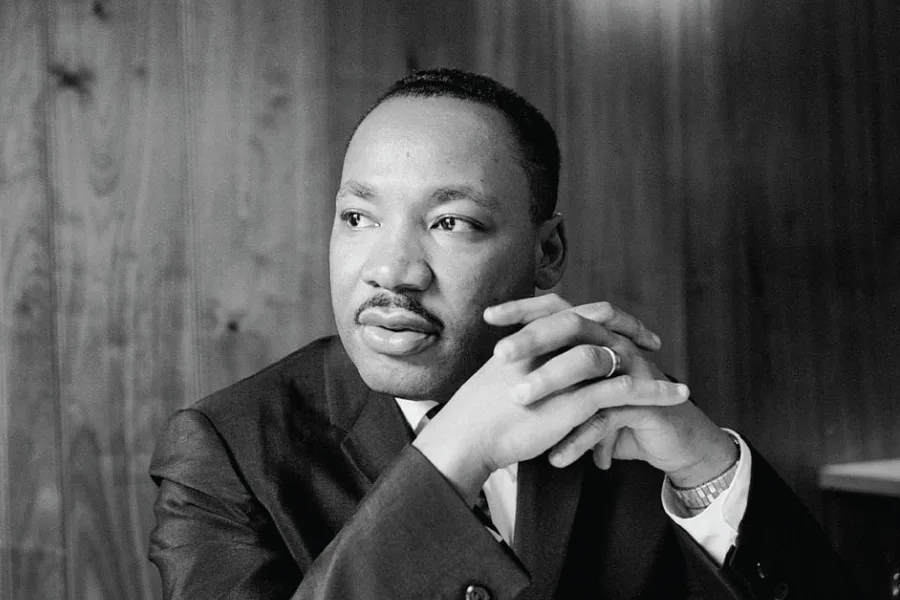
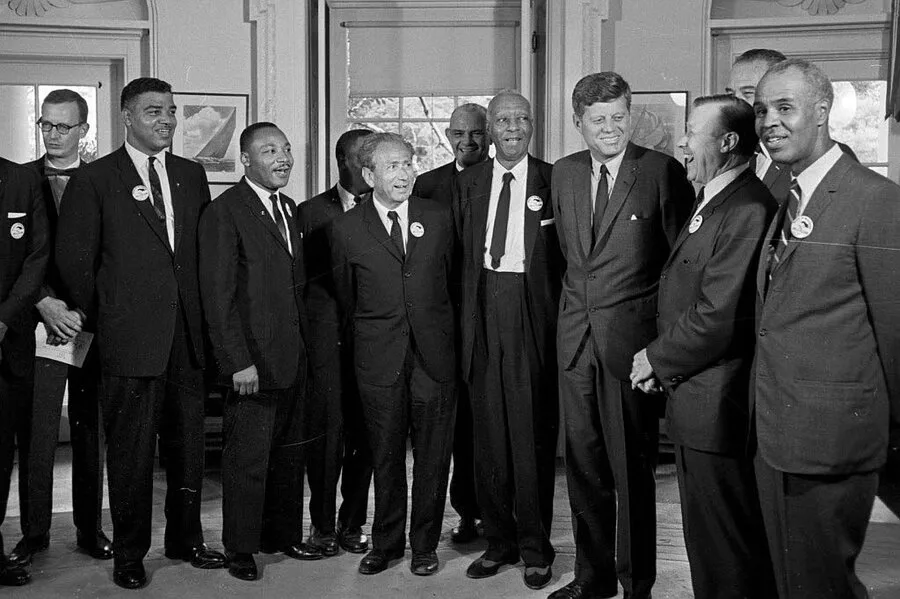
Dr. King was the driving force behind watershed events such as the Montgomery Bus Boycott and the 1963 March on Washington, which helped bring about such landmark legislation as the Civil Rights Act and the Voting Rights Act.
3
4
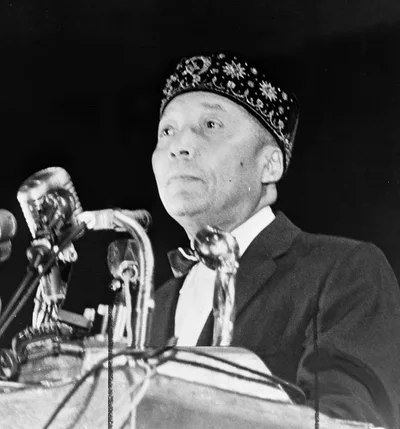
“The Negro wants to be everything but himself[...] He wants to integrate with the white man, but he cannot integrate with himself or with his own kind. The Negro wants to lose his identity because he does not know his own identity.” - Elijah Muhammad

5
6

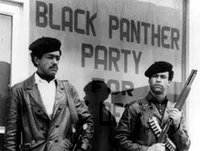
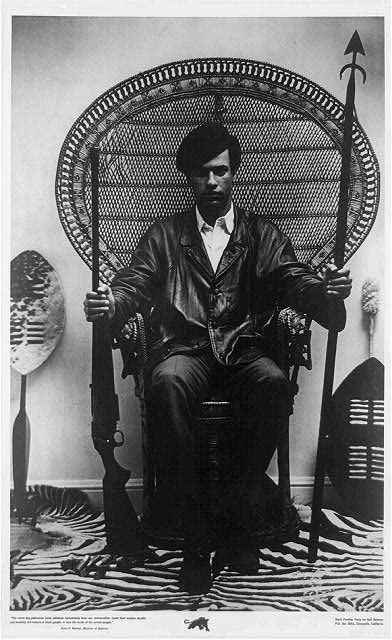
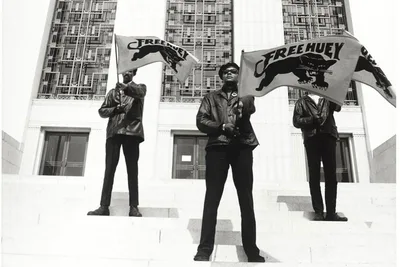
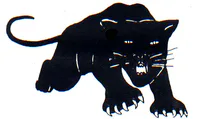
Founded in 1966 in Oakland, California, the Black Panther Party for Self Defense was the era's most influential militant black power organization. Its members confronted politicians, challenged the police, and protected black citizens from brutality

7
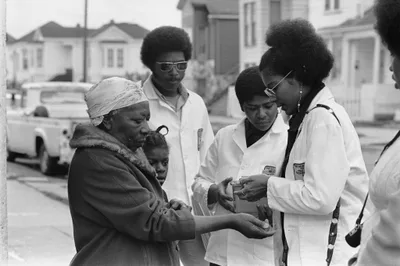
Free healthcare was given in the community. The first nationwide program to screen sickle cell anemia was established.
Black Panther Healthcare
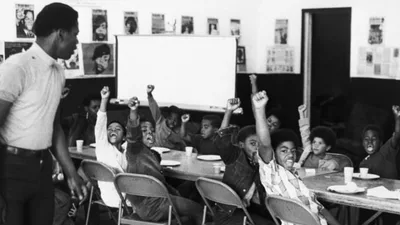
From 1969 through the early 1970s, the Black Panthers’ Free Breakfast for School Children Program fed tens of thousands of hungry kids.
The Panthers’ popular breakfast programs put pressure on political leaders to feed children before school.
Black Panther Breakfast Program
8
9
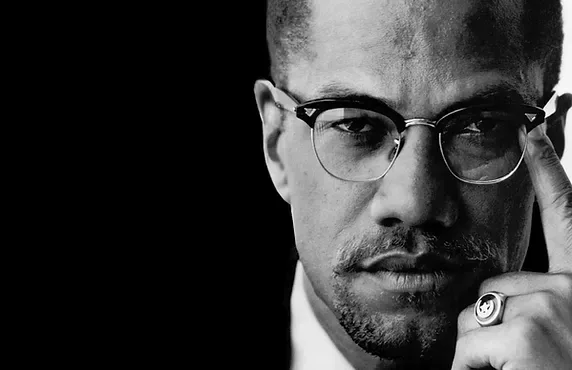
Malcolm X was a minister, a leader in the civil rights movement and a supporter of Black nationalism. He urged his fellow Black Americans to protect themselves against white aggression “by any means necessary,” a stance that often put him at odds with the nonviolent teachings of Martin Luther King, Jr.
10
11
12
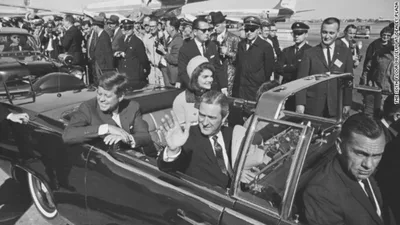
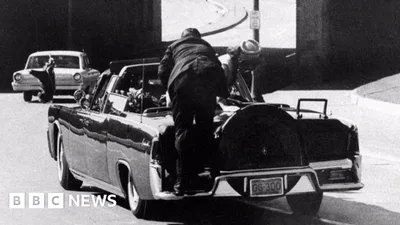
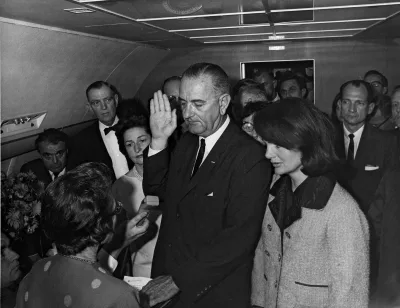
JFK is assassinated on Nov 22, 1963 in Dallas. Suspected killer is Lee Harvey Oswald. Lyndon B. Johnson fearing it was a soviet attack is sworn into office on Airforce One with president Kennedy's dead corpse on board.
13
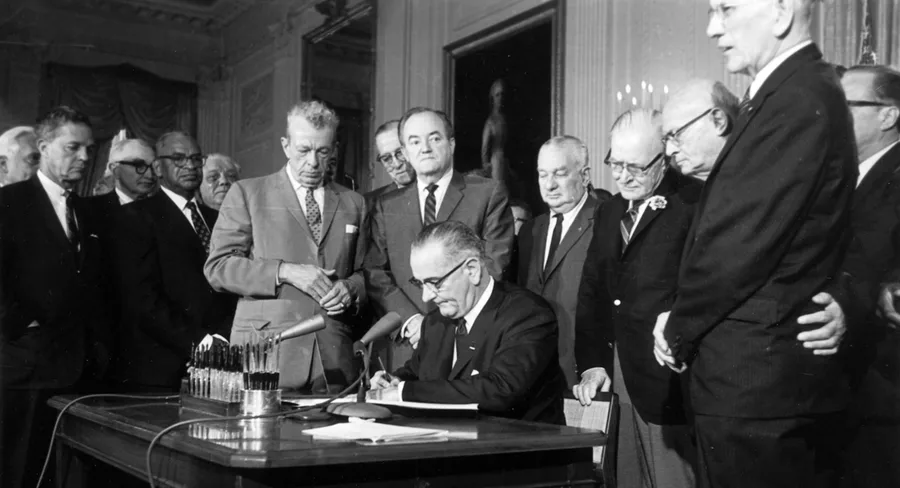
Following Kennedy's assassination, Lyndon B. Johnson became president. One of his first initiatives was to pass the Civil Rights Act of 1964 which was drafted by Kennedy. Civil Rights Act of 1964 prohibits discrimination on the basis of race, color, religion, sex or national origin.
14
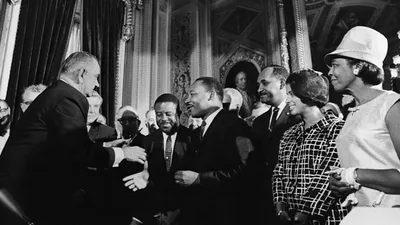
The Voting Rights Act of 1965, signed into law by President Lyndon B. Johnson, aimed to overcome legal barriers at the state and local levels that prevented African Americans from exercising their right to vote as guaranteed under the 15th Amendment to the U.S. Constitution.
15
16
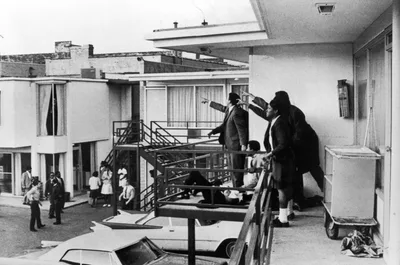
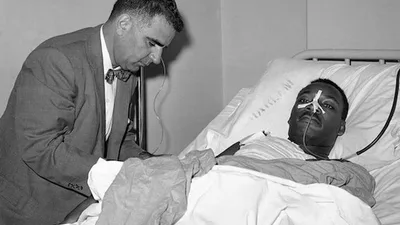
(Left image) Dr. King survives an attempted murder in 1958. While promoting a book, Dr. King was stabbed by Izola Curry with a 7inch letter opener in the chest.
(Right Image) Dr. King is shot dead on April 4, 1968 in the Lorraine Hotel in Memphis, TN by James Earl Ray.
17
18
19
It seeks to empower migrant farmworkers and to improve their wages and working conditions through protest and boycotts.
United Farm Workers
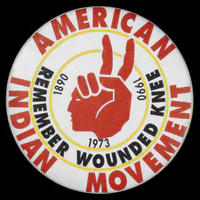
Activists began organizing demonstrations to secure the civil rights of Native Americans due to horrible reservation conditions.
American Indian Movement
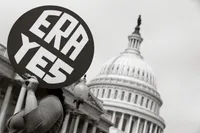
A proposed amendment to the United States Constitution designed to guarantee equal legal rights for all American citizens regardless of sex.
Equality Rights Amendment
Show answer
Auto Play
Slide 1 / 19
SLIDE
Similar Resources on Wayground

13 questions
Oral Communication
Presentation
•
11th Grade
15 questions
Haitian Declares Independence
Presentation
•
11th Grade
13 questions
Wilsons's Fourteen Points (SSUSH15c)
Presentation
•
11th Grade
16 questions
PRESENT SIMPLE
Presentation
•
11th Grade
15 questions
Political Machines - SS.912.A.3.11
Presentation
•
11th Grade
14 questions
Nixon Foreign Policy
Presentation
•
11th Grade
14 questions
Parts of an Essay Review
Presentation
•
11th Grade
14 questions
Los mandatos y las recetas
Presentation
•
11th Grade
Popular Resources on Wayground
10 questions
Safety Day 2026 – Student Review

Quiz
•
9th Grade
21 questions
Continents and Oceans
Quiz
•
6th Grade
20 questions
Parts of Speech
Quiz
•
5th Grade
16 questions
Subject & Predicate
Quiz
•
5th Grade
25 questions
Multiplication Facts
Quiz
•
5th Grade
12 questions
Map Skills
Quiz
•
3rd Grade
22 questions
Continents and Oceans
Quiz
•
5th Grade
15 questions
Rounding Decimals
Quiz
•
5th Grade
Discover more resources for History
15 questions
The Bill of Rights
Quiz
•
8th - 12th Grade
16 questions
Students of Civics Unit 2: The Constitution
Quiz
•
7th - 11th Grade
52 questions
Greece and Rome Review
Quiz
•
10th - 11th Grade
6 questions
Day 19 USH Do Now - US enters WWI
Quiz
•
11th Grade
21 questions
US History Unit 4 EOC Review
Quiz
•
11th Grade
50 questions
AP World Modern Unit 1: Global Tapestry
Quiz
•
10th - 12th Grade
12 questions
CE 2b Early Documents Review
Quiz
•
7th Grade - University