Search Header Logo
Assessment #1: BLUEPRINTS FOR LIFE: DNA Structure and Function

Assessment #1: BLUEPRINTS FOR LIFE: DNA Structure and Function

Assessment

Presentation

•

Biology

•

10th Grade

•

Medium

•
NGSS
HS-LS1-1, MS-LS1-2, HS-LS3-1

+1

Standards-aligned

Created by

Luz Rebecca Sumingwa

Used 9+ times

FREE Resource

0 Slides • 28 Questions

1

Multiple Choice

Adenine bonds or partners with ______________.

1

Guanine

2

Thymine

3

Cytosine

4

Adenine

2

Multiple Choice

What does DNA stand for?
1

Deoxyribonacent Acid

2

Dextroribonucleic Acid

3

Deoxyribonucleic Acid

4

Dinitrogen Acid

3

Multiple Choice

In which organelle or part of the cell is DNA usually found in?

1

cell membrane

2

vacuole

3

chloroplast

4

nucleus

4

Multiple Choice

Which of the following units are repeatedly joined together to form a strand of DNA?
1

amino acids

2

nucleotides

3

fatty acids

4

polysaccharides

5

Multiple Choice

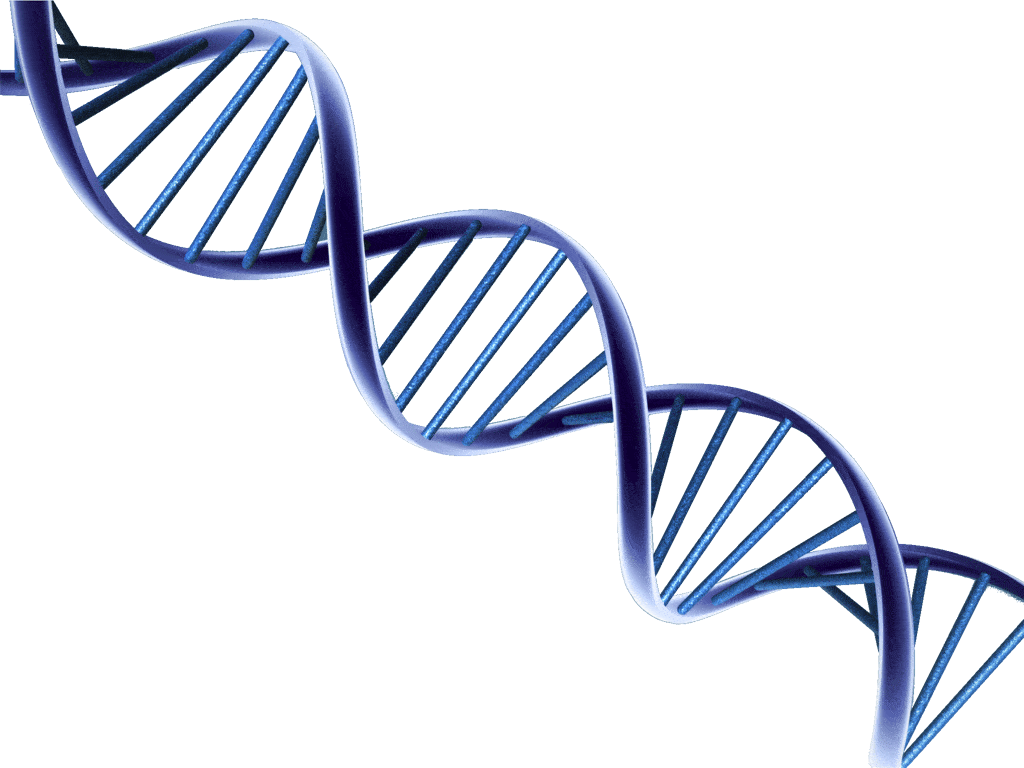
Question image
The drawing shows the structure of what molecule?
1

A DNA molecule

2

A lipid molecule

3

A carbohydrate molecule

4

A protein molecule

6

Multiple Choice

Which sequence of DNA bases would pair with this partial strand ATG TGA CAG?

1

ATG TGA CAG

2

TAC ACT GTC

3

GTA AGT GAC

4

CAT TCA CTG

7

Multiple Choice

Guanine bonds with ______________.
1

Adenine

2

Guanine

3

Cytosine

4

Thymine

8

Multiple Choice

Question image

In a molecule of double-stranded DNA, the amount of Adenine present is always equal to the amount of_________.

1

cytosine

2

guanine

3

thymine

4

uracil

9

Multiple Choice

Question image
Name this structure
1

double helix

2

nucelotide

3

twisted ladder

4

hydrogen bond

10

Multiple Choice

Question image
Why is DNA important?
1

it is very small and very complicated

2

it's in everything

3

it serves as the blueprint for traits of all living things

4

because we eat it every day for energy

11

Multiple Choice

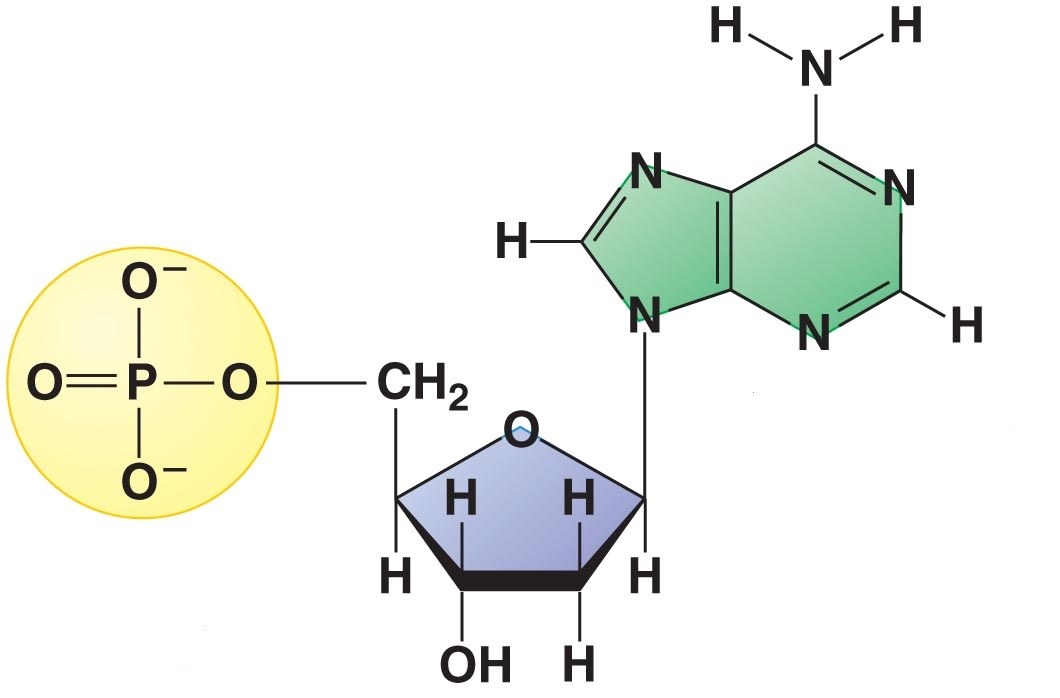
Question image

Name the YELLOW is structure

1

phosphate group

2

pentose sugar

3

double helix

4

hydrogen bond

5

nitrogen base

12

Multiple Choice

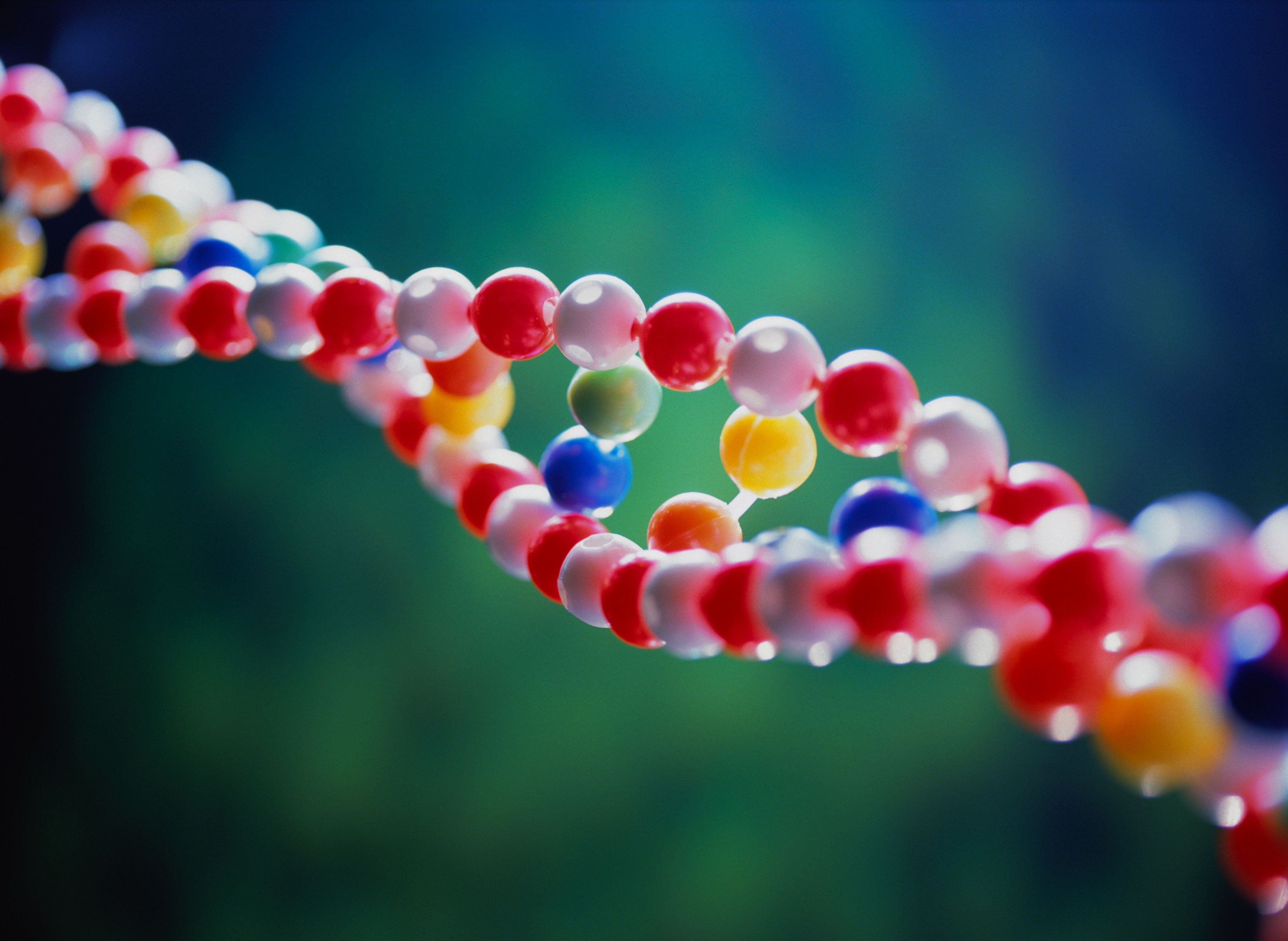
Question image

The pink, yellow, green, and blue "steps" in the DNA ladder represent

1

Nitrogen Bases

2

Phosphate group

3

Sugar-Phosphate Backbone

4

Nucleotides

13

Multiple Choice

A process in which DNA has the unique ability to make an exact copy of itself.
1

Replication

2

Translation

3

Transcription

14

Multiple Choice

Question image

Which statement best describes a gene?

1

A bundle (like a hot dog bun) that the DNA is packed into

2

something inside the nucleus

3

a piece of DNA

4

all of your DNA

15

Multiple Choice

Question image

Replicate the following strand of DNA or which sequence of nitrogen bases fits to this given piece of DNA ? :  AATCATGGA

1

AATCATGGA

2

TTAGTACCT

3

UUAGUACCU

4

GGATAUCUA

16

Multiple Choice

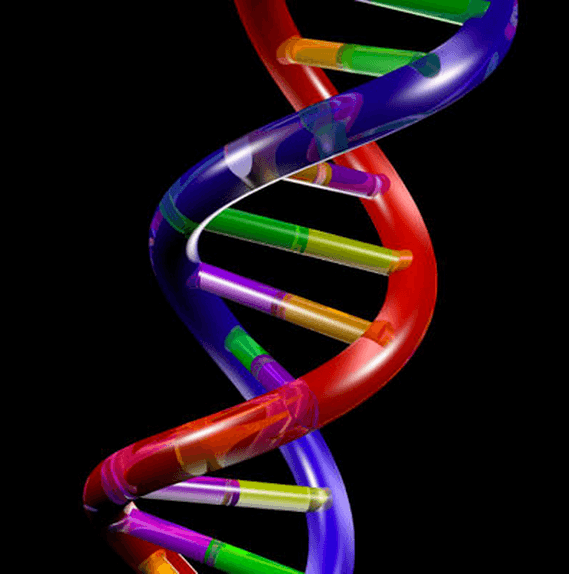
Question image

The red and blue ribbons represent the __________.

1

Nitrogen Bases

2

Phosphate group

3

Sugar-Phosphate Backbone

4

Nucleotides

17

Multiple Choice

Question image

Name the PURPLE in the structure or diagram.

1

phosphate group

2

pentose sugar

3

double helix

4

hydrogen bond

5

nitrogen base

18

Multiple Choice

Differences in traits such as hair texture are determined by differences in ___________.

1

the location of sugar groups in DNA

2

the sequence of nucleotides in DNA

3

the number of nitrogenous bases in DNA

4

the molecules attached to the phosphate in DNA

19

Multiple Choice

Question image
What determines the code, or information, of a DNA molecule?
1

the shape (structure) of the nitrogen bases

2

the order (sequence) of the nitrogen bases

3

the color of the nitrogen bases

4

the frequency (number) of nitrogen bases

20

Multiple Choice

Question image

The arrow in the diagram of the DNA model indicate or shows the ______________.

1

bond between adjacent phosphate and deoxyribose molecules

2

junction of introns and exons in the sense strand of DNA

3

hydrogen bond between complementary nucleotide

4

the junction of a codon and a DNA

21

Multiple Choice

How is information for a certain protein carried on the DNA?

1

As a sequence of nucleotides

2

In the double-helix shape of the condensed chromosome

3

In the ratio of adenines to thymines

4

As a pattern of phosphates and sugars

22

Multiple Choice

What is the name of the sugar found in DNA?
1

Deoxyribose

2

Oxyclean

3

Glucose

4

Ribose

23

Multiple Choice

What does it mean to say DNA replication is "semi-conservative?"
1

A new strand is built from an original strand

2

A new strand is built from nothing

24

Multiple Choice

Question image

Which statement is true, based on the picture below?

1

The model is inaccurate because the base pairs are incorrect

2

The model is accurate because it contains correctly paired bases.

3

The model accurate because it shows each splitting to form a double helix

4

The model is inaccurate because some typical bases in DNA are missing

25

Multiple Choice

Question image

The purpose of this replication process is to __________

1

make protein for transport

2

make sugar for cell

3

make a new copy of DNA from an existing strand of DNA

4

make a new DNA from RNA

26

Multiple Choice

Why is it important that when DNA is copied, it makes an exact copy?
1

If not, then there will be different instructions passed on to the new cell

2

It's not important

3

It's not important because the cell will just figure it out

27

Multiple Choice

Because of the complementary base pairing, the shape of DNA is __________.

1

single helix

2

double helix

3

triple helix

4

double spiral

28

Multiple Choice

The sequence of bases in the DNA is most important for which of the following?

1

Providing the instructions for the traits of an organism

2

Preventing mutations from occurring during DNA replication

3

Allowing the DNA to have the shape necessary for the replication

4

Helping form the sugar-phosphate backbone of DNA molecules

Adenine bonds or partners with ______________.

1

Guanine

2

Thymine

3

Cytosine

4

Adenine

Show answer

Auto Play

Slide 1 / 28

MULTIPLE CHOICE