

Energy Flow Through Ecosystems

Presentation
•
Science
•
9th - 12th Grade
•
Easy
+4
Standards-aligned

An Tran
Used 20+ times
FREE Resource
11 Slides • 11 Questions
1
Multiple Select
What are the names of the nitrogenous bases?
adenine
cytosine
thymine
guanine
2
Multiple Choice
Adenine always pairs with...
thymine
cytosine
guanine
adenine
3
Multiple Choice
Cytosine always pairs with...
thymine
cytosine
guanine
adenine
4
Multiple Choice
What is the shape of DNA?
double helix
single helix
squiggle
twisty step looking thing
5
6
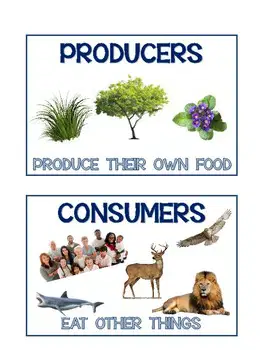
Producer - organisms that make their own food.
They are also called autotrophs.
Consumer - organisms that obtains energy from eating other organisms.
They are also called heterotrophs.
Producers and Consumers
7
Multiple Choice
Producers are generally found at the beginning of a
food chain. Which statement best explains why this
is true?
Producers are usually smaller in size than
consumers.
Producers do not rely on other organisms for
food.
There are always more consumers than
producers in food chains.
Consumers are always more complex
organisms than producers.
8
Multiple Choice
In the food chain below, which is the producer?
grass --> mouse --> snake --> hawk
grass
mouse
snake
hawk
9
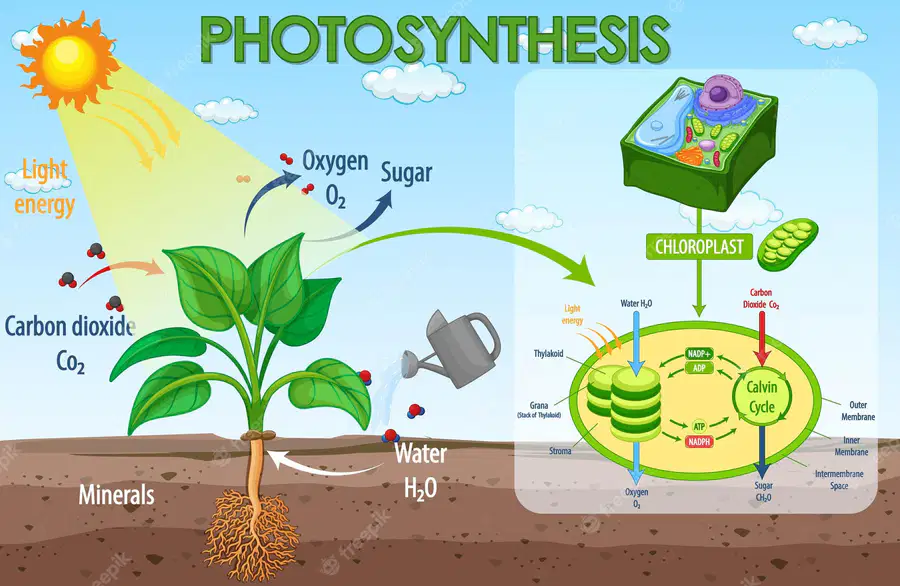
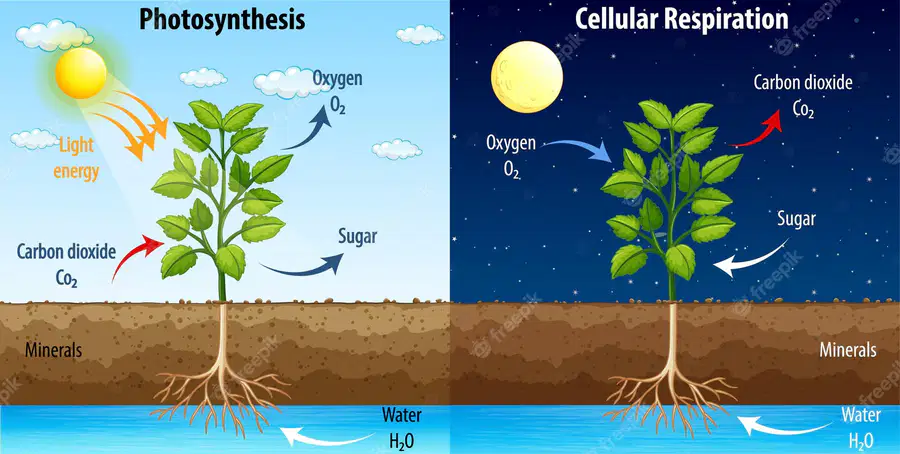
Photosynthesis - process of plants using solar energy to produce their food.
10
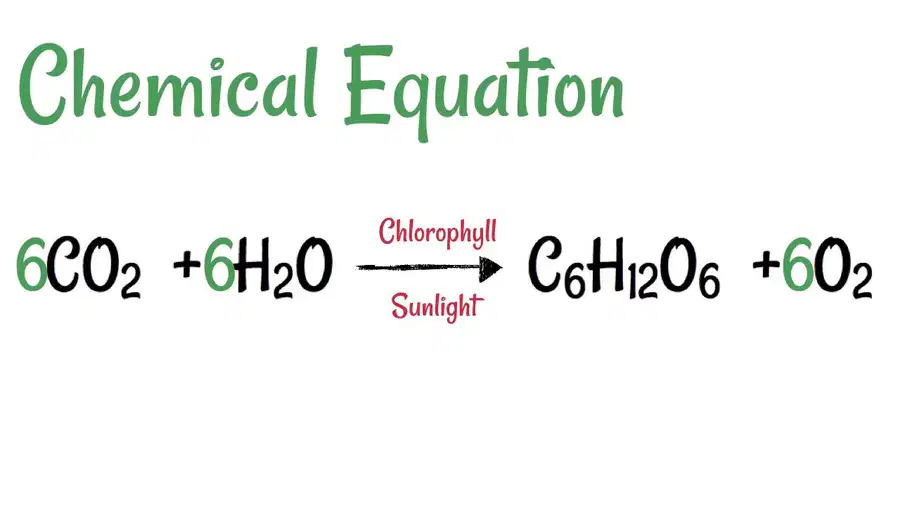
Photosynthesis
11
Multiple Choice
Which process do plants use to turn sunlight into food energy?
photosynthesis
cellular respiration
transpiration
evaporation
12
13
14
15
Multiple Choice
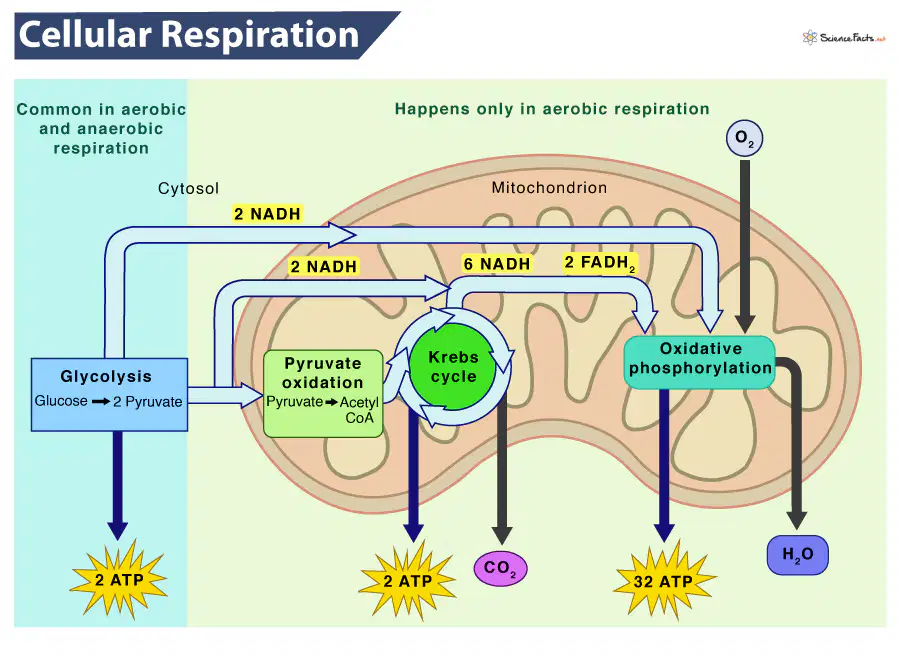
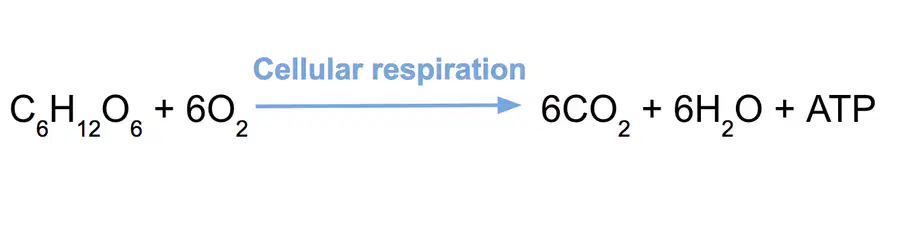
Cellular respiration is...
the process by which cells break down glucose into energy.
the process by which cells break light down into energy.
the process by which cells communicate with other cells.
16
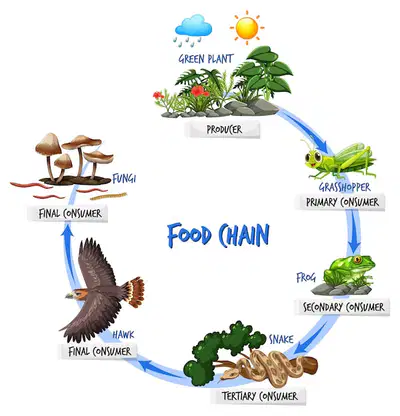
Food chain - models energy flow through an ecosystem.
Shows feeding relationships.
Producers - plants and algae that perform photosynthesis.
Primary consumers - eats producers; also called herbivores.
Food Chains
17
Secondary Consumers - eats primary consumers; also known as carnivores.
Tertiary Consumers - eats secondary consumers.
Decomposers - breaks down the remains of plants and animals
Food Chains
18
Match

Match the following:
Producer/Autotroph
Secondary Consumer
Tertiary Consumer
Apex Predator
Herbivore
Plant
Bird
Snake
Owl
Grasshopper
Plant
Bird
Snake
Owl
Grasshopper
19
Multiple Choice
Which of the following is a primary consumer in a food chain?
predators
herbivores
carnivores
omnivores
20

Ecological Pyramid - models that show the flow of energy through trophic levels and feeding relationships in an ecosystem.
Ecological Pyramid
21
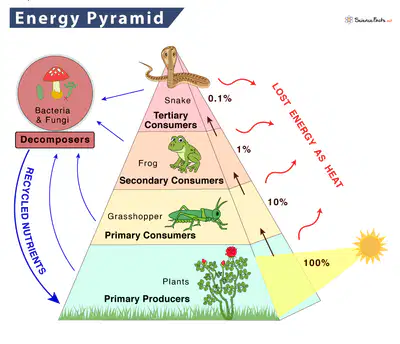
Energy Pyramid - shows the total amount of energy stored in organisms.
Not all energy stored in producers is passed on to the next trophic level.
Only 10% of the matter and energy and energy in the organisms of each trophic level transfers to the next level.
Energy Pyramid
22
Multiple Choice
How much energy is passed from one trophic level to the next?
.1%
1%
10%
100%
What are the names of the nitrogenous bases?
adenine
cytosine
thymine
guanine
Show answer
Auto Play
Slide 1 / 22
MULTIPLE SELECT
Similar Resources on Wayground

17 questions
Seasons
Presentation
•
8th - 12th Grade
20 questions
Properties of Water
Presentation
•
9th - 12th Grade
18 questions
Flow of Energy in an Ecosystem
Presentation
•
10th - 12th Grade
15 questions
Forces LT5 - Newton's 2nd Law Calculations
Presentation
•
9th - 12th Grade
19 questions
What is photosynthesis?
Presentation
•
10th - 12th Grade
18 questions
Weather and Climate
Presentation
•
9th - 12th Grade
16 questions
Counterfeit Money
Presentation
•
9th - 12th Grade
16 questions
3.6 Climate Change
Presentation
•
9th - 12th Grade
Popular Resources on Wayground
10 questions
How much do you know about our Portrait of an Eagle?

Quiz
•
10th Grade
10 questions
Fast Food Slogans
Quiz
•
6th - 8th Grade
21 questions
Continents and Oceans
Quiz
•
6th Grade
20 questions
Parts of Speech
Quiz
•
5th Grade
16 questions
Subject & Predicate
Quiz
•
5th Grade
25 questions
Multiplication Facts
Quiz
•
5th Grade
12 questions
Map Skills
Quiz
•
3rd Grade
22 questions
Continents and Oceans
Quiz
•
5th Grade
Discover more resources for Science
10 questions
Exploring Chemical and Physical Changes

Interactive video
•
6th - 10th Grade
20 questions
Atomic Structure
Quiz
•
9th Grade
10 questions
Decoding the Periodic Table of Elements
Interactive video
•
6th - 10th Grade
10 questions
Exploring the Periodic Table
Interactive video
•
6th - 10th Grade
14 questions
Physical and Chemical Changes
Quiz
•
10th Grade
22 questions
Periodic Table Review
Quiz
•
9th - 12th Grade
20 questions
Observation vs. Inference
Quiz
•
7th - 9th Grade
14 questions
Periodic Trends
Interactive video
•
11th Grade