Evidence of Evolution
Presentation
•
Science
•
12th Grade
•
Medium
+2
Standards-aligned
Stephanie Buggs
Used 3+ times
FREE Resource
12 Slides • 19 Questions
1
2
3
Multiple Choice
Which IS NOT used as evidence for evolution?
Fossils
Natural Selection
Early Development/Embryos
Body Structure/Anatomy
DNA/Proteins
4
5
6
7
8
Multiple Choice
vestigial structures
homologous structures
adaptive radiation
fossil
9
Multiple Choice
natural selection
embryology
speciation
evolution
10
Multiple Choice
species change over time
extinct species are not related to living species
different species can interbreed
animals that look alike are most closely related
11
Multiple Choice
vestigial structures
analogous structures
homologous structures
fossil structures
12
Multiple Choice
They are reptiles
One organism evolved from the other.
The organisms have a common ancestor
13
Multiple Choice
Their feathers
Genotypes
Their beaks
Their body sizes
14
Multiple Choice
Which of the following can be determined by observing the embryos shown in the diagram
The organisms share a common ancestry.
The organisms belong to the same genus.
The organisms are native to the same geographic areas.
The organisms will grow into anatomically similar adults.
15
16
Multiple Choice
Fossils show how the sizes of certain animals has changed drastically over millions of years
Fossils show that some species have gone extinct
Fossils show how life forms present today are different than those from the past
Different sedimentary rock layers provide evidence for how the environment has changed over time
17
Multiple Choice
Which of the following is the best scientific evidence that mammals evolved from reptiles?
A. Similarities in the diets of extinct reptiles and modern mammals
B. Similarities in the average lifespans of modern reptiles and modern mammals
C. Fossils of ancient reptiles and mammals that appear together in the same layers of rock
D. Fossils that show gradual changes in skull shape from reptile-like organisms to mammal-like organisms
18
19
20
Multiple Choice
very similar DNA sequence
exactly the same DNA sequences
no proteins in common
completely different DNA sequence
21
22
23
24
Multiple Choice
Sperm whales have vestigial hip bones, and a small percentage of sperm whales also have vestigial hind limbs. Which of the following statements best explains the presence of these vestigial structures in sperm whales?
A. Sperm whales evolved from ancestors that walked on land.
B. Sperm whales are in the process of evolving into land mammals.
C. These structures are acquired by each individual sperm whale during its lifetime.
D. These structures resulted from sperm whales having a long period of embryonic development.
25
Multiple Choice
Penguins are powerful swimmers. Scientists have concluded that penguins evolved adaptations for powerful swimming early in their evolutionary history.Which of the following pieces of evidence did scientists most likely use to make this conclusion?
A. DNA sequences of different penguin species
B. Maps of the global distribution of penguin species
C. Fossils showing the shape of ancient penguins’ wings and feathers
D. X-rays of the bone structure in modern penguins’ wings
26
Multiple Choice
Fossils show how the sizes of certain animals has changed drastically over millions of years
Fossils show that some species have gone extinct
Fossils show how life forms present today are different than those from the past
Different sedimentary rock layers provide evidence for how the environment has changed over time
27
Multiple Choice
Recently, scientists have been able to use ___________to find common proteins and amino acids to determine how closely related species are.
DNA
Vestigial structures
Fossils
Homologous structures
28
Multiple Choice
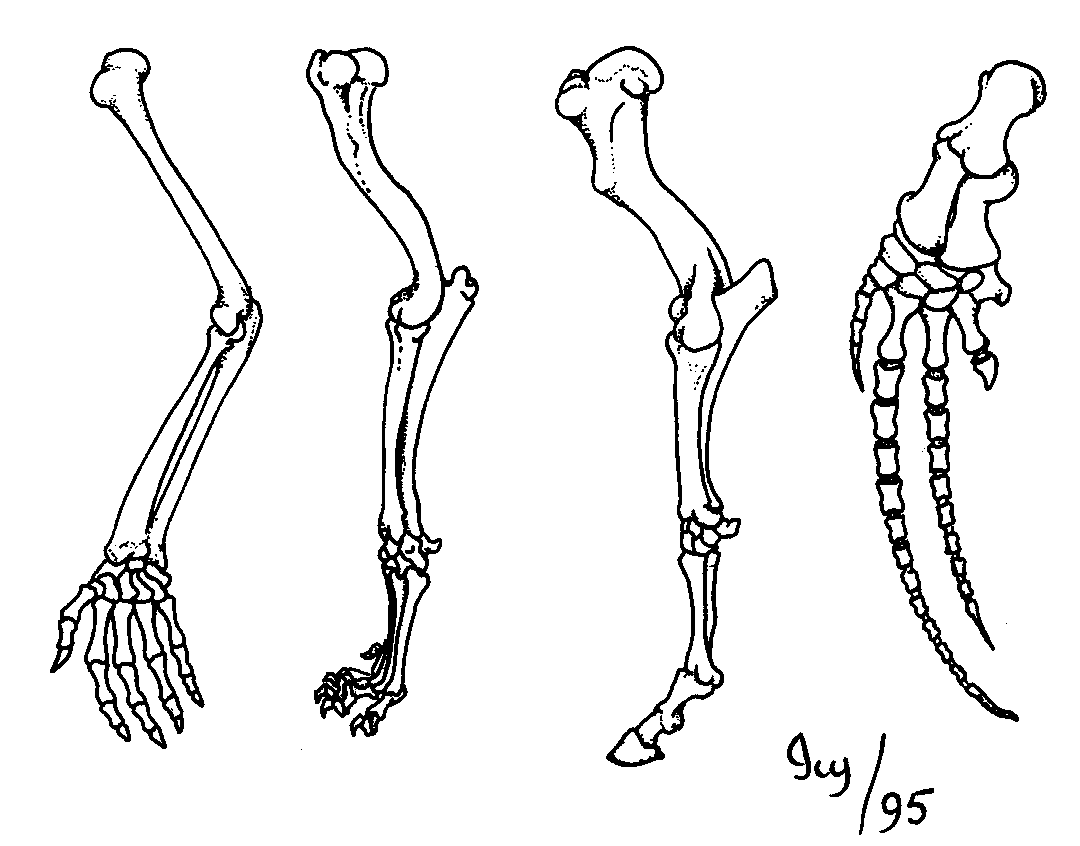
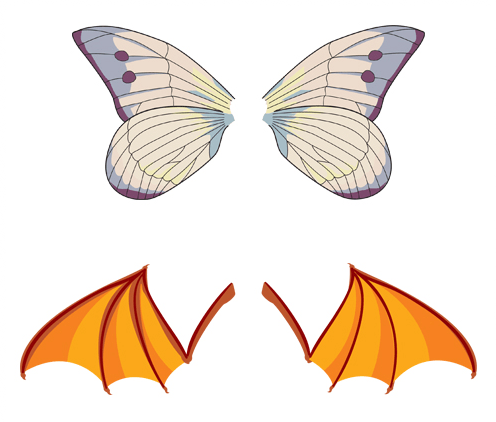
What is this an example of?
Homologous structure
Analogous structure
Vestigial organs
Functional adaption
29
Multiple Choice
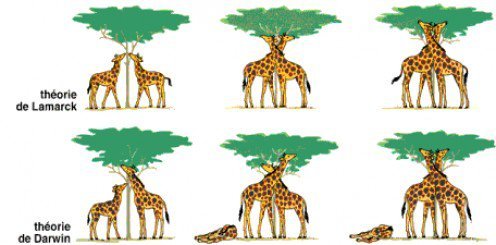
Some lizards have an adaptation that allows their tails to break off with minimal damage to bones, nerves, blood vessels, and muscles. This type of lizard can then regrow the missing portion of the tail.Which of the following statements best explains why this adaptation is selected for in lizard populations?
A. Lizards with this adaptation are better at climbing trees.
B. Lizards with this adaptation are more likely to escape from predators.
C. Lizards with this adaptation can use their tails as lures to attract more food.
D. Lizards with this adaptation can camouflage themselves more easily in vegetation.
30
Multiple Choice
they would survive
They would thrive
They would become extinct
They will find another source of food
31
Multiple Choice
many animals have homologous structures due to common ancestry
Many animals have vestigial structures from an ancestor
We can observe changes in life forms by observing the fossil record
All of these are evidence for evolution
Show answer
Auto Play
Slide 1 / 31
SLIDE

Similar Resources on Wayground
24 questions
2.7 The Immune System
Presentation
•
12th Grade
25 questions
Measurement Review
Presentation
•
KG
22 questions
Intro to Oceans Challenge
Presentation
•
12th Grade
24 questions
Motion Graph Lesson
Presentation
•
11th - 12th Grade
22 questions
Ag 1: Plant Nutrients
Presentation
•
12th Grade
23 questions
Lymphatic system
Presentation
•
12th Grade
26 questions
Circuits and Symbols
Presentation
•
9th - 12th Grade
22 questions
Groundwater Notes
Presentation
•
12th Grade
Popular Resources on Wayground
21 questions
Continents and Oceans
Quiz
•
6th Grade
20 questions
Parts of Speech
Quiz
•
5th Grade
16 questions
Subject & Predicate
Quiz
•
5th Grade
25 questions
Multiplication Facts
Quiz
•
5th Grade
12 questions
Map Skills
Quiz
•
3rd Grade
22 questions
Continents and Oceans
Quiz
•
5th Grade
15 questions
Rounding Decimals
Quiz
•
5th Grade
20 questions
Brand Labels
Quiz
•
5th - 12th Grade
Discover more resources for Science
7 questions
Newton's Laws Video Quiz
Interactive video
•
9th - 12th Grade
28 questions
Asexual vs. Sexual Reproduction
Quiz
•
9th - 12th Grade
19 questions
Understand Roles of Organisms in Food Chains
Quiz
•
9th - 12th Grade
10 questions
Understand Cell Functions and Organelles
Quiz
•
9th - 12th Grade
12 questions
Understand Organism Roles in Energy Transfer
Quiz
•
9th - 12th Grade
19 questions
Explore Macromolecules in Living Organisms
Quiz
•
9th - 12th Grade
25 questions
Ecology Review (9th grade biology)
Quiz
•
9th - 12th Grade
49 questions
APES Unit 1 Review
Quiz
•
12th Grade