
Chapter 6 Lesson 2: The Greek mind

Presentation
•
History
•
6th Grade
•
Practice Problem
•
Easy

LaJoni Austin
Used 12+ times
FREE Resource
20 Slides • 15 Questions
1

2
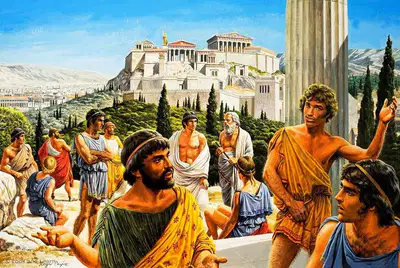
Greeks believed the human mind had a great understanding.
500 BCE - 350 BCE was the GOLDEN AGE OF GREECE
Art, architecture, and literature flourished
Thinkers pondered deep questions about truth and developed the study of Science and Mathematics
3
Open Ended
Why was this period in Greece Known as the Golden Age?
4
Created a new body of Knowledge called Philosophy.
Philosophy means "Love of Wisdom"
Philosophy helped develop many subjects like history, political science, biology and logic.
5
Multiple Choice
What Does Philosophy Mean?
Seeker of Truth
Love of Wisdom
Love of Truth
Seeker of Wisdom
6
Greek philosophers who were also teachers
Traveled from polis to polis
taught many subject including math, science and history.
Best known for teaching rhetoric which is the art of public speaking and debate
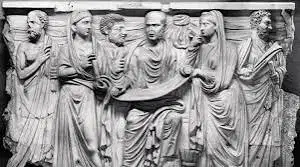
did not believe that God influenced human actions.
rejected the idea of absolute right or wrong (what's right for you might be wrong for someone else)
Challenged Greek traditions
Other Greek Philosphers did not approve of Sophists and believed they lacked ideals and values and taught students to win arguments instead of seeking out the truth
7
Multiple Choice
What did Sophists believe?
There is absolute right and wrong
There is no absolute right or wrong
There is absolute truth inside of all humans
There is no absolute truth inside of all humans
8
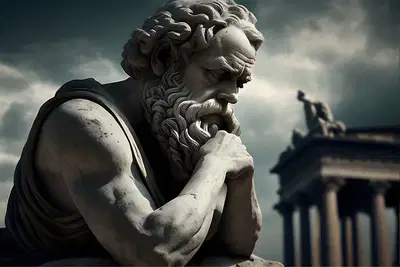
trained to be sculptor
loved philosophy
lived in Athens and spent most of his time teaching
Did not leave a written record of his beliefs they are only known from his student's writing
believed in absolute truth and all real knowledge is within people.
Did not believe it was right for Sophists to charge people for education.
Created the Socratic method ( a way of teaching where the teacher asks students questions and allow them to find truth or answers on their own.
Athenian leaders believed the Socratic method was dangerous and allowed people to publicly question the leaders.
Athens lost the Peloponnesian war and the new leaders took away the freedom to question leaders.
Socrates continued to teach his students
9
Open Ended
What is the Socratic Method?
10
Open Ended
Why did some people think the Socratic Method was dangerous?
11
399 BCE city leaders feared the great influence of Socrates and had him arrested for urging young people to rebel against the government.
He was found guilty and sentenced to death.
After the verdict he was given the choice to stay and die or leave Athens and live.
He chose to stay. Surrounded by his students and friends he decided to explain that he lived under the city's laws and must obey them. He gave his last speech, drank poison and died.

12
Open Ended
Do you agree with Sophist ( there is no absolute right or wrong) or Socrates (there is absolute right or wrong) and why?
13
Multiple Choice
How was Socrates different from Sophist?
He believed that truth and Knowledge is within people but they believed there is no absolute right or wrong
He believed in accepting money for teaching but they believed knowledge should be free
He believed in right depended on the person
They believed in absolute truth but he did not
14
One of Socrates' Students
Became a teacher and founded "The Academy" in Athens.
Recorded his ideas in writing
Wrote "The Republic" which presented plans of an ideal society and government.
Had a distrust for the common people
Believed Women should have the same opportunities with work and education as men have.

15
Plato organized society into three groups

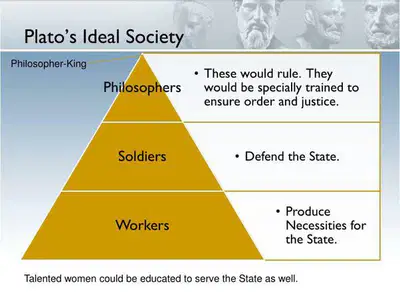
Plato believed that an ideal society had to have a just and reasonable government
In his book he noted that he dislike Athenian society because common people did not think for themselves
16
Plato believed
an ideal society had to have a just and reasonable government
disliked Athenian society (democracy)
Believed common people could not think for themselves and could be influenced to make foolish decision
Philosopher Kings were well educated and intelligent and the only people fit to rule
17
Multiple Choice
What type of government did Plato think was the best?
Monarchy
Democracy
18
Multiple Choice
Why did Plato Dislike Democracy?
He felt the Kings and Queens had too much power
He thought democracy was fair but needed to change
He believed common people were not intelligent and only Philosopher Kings were smart enough to rule.
He didn't like social classes.
19
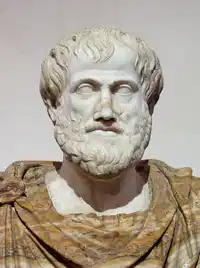
Wrote over 200 works on topics like government, astronomy and political science
Started a school called the Lyceum
taught the "Golden Mean" (mean is the middle distance between two extremes)
The point of the golden mean is that people should live moderately ( don't do too much or too little of anything but just the right amount.
had many interests. He studied Science, stars, plants and animals and carefully recorded what he saw.
He classified living things according to their similarities and differences this was a very important step in the development of modern science.
He wrote about government and wrote and compared the governments of different city-states with hopes of finding the best political system
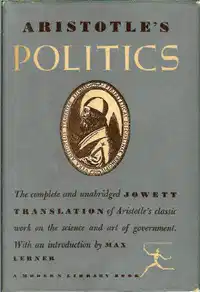
Wrote a book called "Politics"
20
Multiple Choice
What school did Aristotle start?
The Sophist school
The Academy
The Lyceum
21
Open Ended
What did Aristotle's school teach?
22
Divided government into three types
Monarchy: ruled by one person (usually a king)
Oligarchy: ruled by a few people
Democracy: Ruled by many people
Aristotle believed that the best government had the best characteristics of all three governments.
A chief executive would be the head of state
a council or legislature would assist the leader and be supported by the people.
Aristotle's ideas influenced the way Europeans and Americans thought about government. The Us constitution is based on Aristotle's idea that no one person or group should have too much power.
23
Multiple Choice
Which government did Aristotle believe was the best?
Monachry
Democracy
Oligarchy
A mix of the best parts of all three
24
Aristotle believed that it was a citizen's duty to participate in civic life or public affairs of the community. USA uses this concept to require Americans to serve on juries in court (Jury Duty).
Other countries around the world use the concept of civic duty by requiring citizens to go to the ballot box or serve a minimum amount of time in the armed forces.
25
Multiple Choice
Which way do the US Government require Citizens to fulfill their civic participation?
Join the military
Community service
Go to the ballot box
Jury Duty
26
Greeks used their thinking skills to write history and investigate the natural world leading to new ways of studying science and history.
27
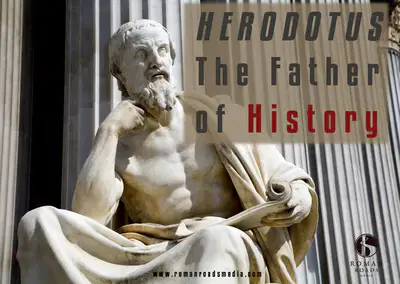
Known as the father of History
435 BCE wrote a history of the Persian Wars
Wrote that God played a role in historical events
Worked hard to separate fact from fiction.
Questioned many people to get information then investigated the turthfulness of the sources.
28
Famous Historian of Ancient Greece
A general in the Peloponnesian War
Considered the Peloponnesian war to be a major event in history
Wrote "The History of the Peloponnesian War."
Rejected the idea that gods played a role in historical events and believed that only people made history.
Visted battle sites, carefully examined documents and accepted eyewitness accounts of events.

Explored the cause and effect of events as well as stated the facts.
Believed that future generations could learn from the past so wanted to leave behind items so others could learn.
29
Multiple Choice
How was Thucydides different from Herodotus?
Thucydides believed that the gods DID NOT play a role in historical events
Thucydides believed that the gods DID play a role in historical events.
30
Ancient Greeks developed many scientific ideas and influenced scientific thikng for centuries.
Believed that natural events could be explained logically and people could discover the causes of these events by using reason.
31
Multiple Choice
Ancient Greek Scientists were different from other early people because they believed that disease or sickness was caused by factors in nature instead of gods and other supernatural factors.
TRUE
FALSE
32
Born in the mid 600s B.C.E
Studied astronomy and mathematics without telescopes and other instruments used today.
made discoveries and developed theories by thinking.
Was one of the first scientist to explain the physical world using examples from nature.

33
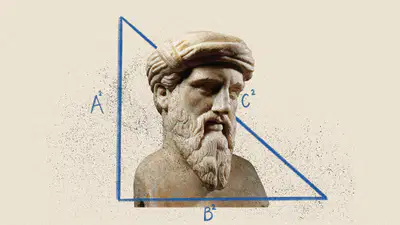
Taught students that the universe followed the same aws as music and numbers.
Believed that all relationships could be expressed in numbers and developed new ideas about mathematics.
Is known for the Pythagorean Theory used in math today to determine the length of the sides of a triangle.
34
35
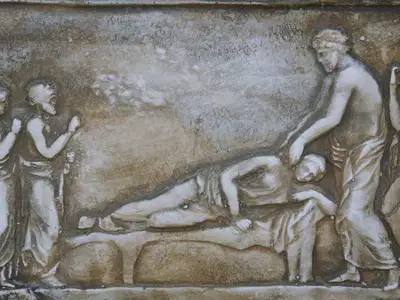
A physician in Ancient Greece regarded as the "Father Medicine".
Believed diseases came from natural causes but most people believed diseases came from evil spirits.
travelled all over Greece to help the sick
Used his new ideas to diagnose different illnesses he also discovered his own treatments to help cure sick people.
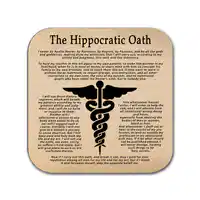
Created a list of rules about how doctors should use their skills to help patients and they should protect their patients' privacy
Today doctors around the world promise the Hippocratic Oath.

Show answer
Auto Play
Slide 1 / 35
SLIDE
Similar Resources on Wayground

26 questions
Islam
Presentation
•
6th Grade
28 questions
Big 20 #1 Review
Presentation
•
6th Grade
28 questions
Minerals
Presentation
•
6th Grade
30 questions
China's First Dynasties
Presentation
•
6th Grade
27 questions
The Newcomers: Immigration
Presentation
•
6th - 7th Grade
26 questions
Greek Social Structure, Government & Crime/Punishment
Presentation
•
6th Grade
26 questions
South America Physical Geography
Presentation
•
7th Grade
29 questions
Convert Customary Measurements
Presentation
•
6th Grade
Popular Resources on Wayground
10 questions
Safety Day 2026 – Student Review

Quiz
•
9th Grade
21 questions
Continents and Oceans
Quiz
•
6th Grade
20 questions
Parts of Speech
Quiz
•
5th Grade
16 questions
Subject & Predicate
Quiz
•
5th Grade
25 questions
Multiplication Facts
Quiz
•
5th Grade
12 questions
Map Skills
Quiz
•
3rd Grade
22 questions
Continents and Oceans
Quiz
•
5th Grade
15 questions
Rounding Decimals
Quiz
•
5th Grade
Discover more resources for History
6 questions
District Assessment Review #1
Quiz
•
6th Grade
10 questions
Exploring the 7 Principles of the Constitution

Interactive video
•
6th - 10th Grade
11 questions
Ancient Egypt / Geography
Presentation
•
4th - 6th Grade
5 questions
THE 5 THEMES OF GEOGRAPHY
Interactive video
•
6th Grade
10 questions
Significance of the Declaration of Independence
Interactive video
•
6th - 10th Grade
32 questions
Module 5 Review
Quiz
•
6th - 8th Grade
15 questions
Unit 2 Europe History Test
Quiz
•
6th Grade
33 questions
Constitution Test Review (Part 1)
Quiz
•
6th Grade