

Biodiversity and ecosystem dynamics

Presentation
•
Biology
•
11th Grade
•
Practice Problem
•
Medium

Caitlin Sharp
Used 7+ times
FREE Resource
29 Slides • 9 Questions
1

Topic 4: Biodiversity and ecosystems
2
" Rainforests are Earth's oldest living ecosystems, with some surviving in their present form for at least 70 million years."
3
Please spend the next 5 minutes completing the ratings on varied words we will be learning throughout this topic
Vocabulary check

4
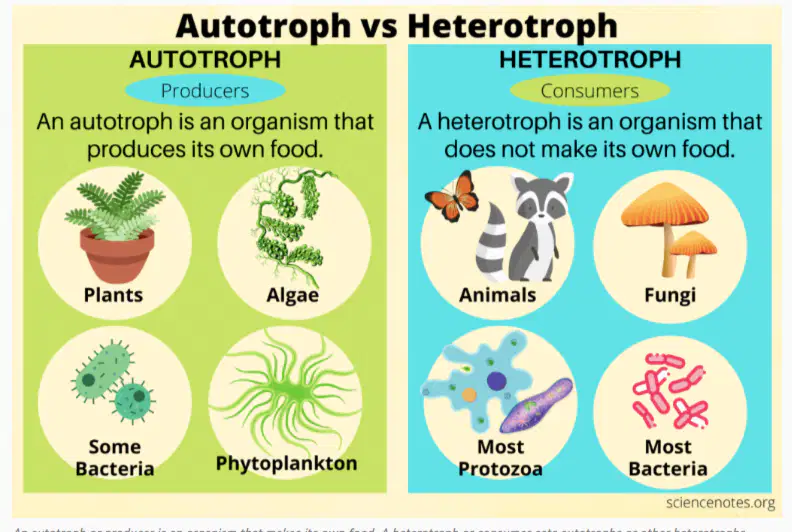
Can you explain the difference between heterotrophs and autotrophs?
5
6
Autotrophs
Otherwise known as producers
7
Heterotrophs
Known as consumers
This group of organisms obtains organic matter through the consumption of autotrophs and other heterotrophs (animals).
Microorganisms consume the organic matter produced by the autotrophs
Animals higher on the food chain consume the microorganisms and other animals and produce carbon dioxide through respiration.
8
Heterotrophs
Some are known as decomposers
Decomposers are organisms that break down dead or decaying organisms. They break down organic matter and convert it into inorganic matter which autotrophs feed off.
Microscopic bacteria (E.coli)
Fungi (Shitake Mushroom, Oyster Mushroom, Lion's mane)
Protozoa
and some invertebrate organisms
9
Resipration + Decomposition
The consumption of microorganisms and other animals causes the production of inorganic matter. This is then used by autotrophs and the process repeats itself.
10
11
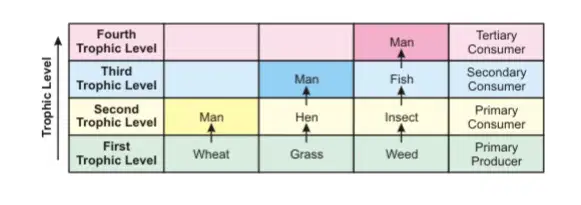
Trophic energy levels
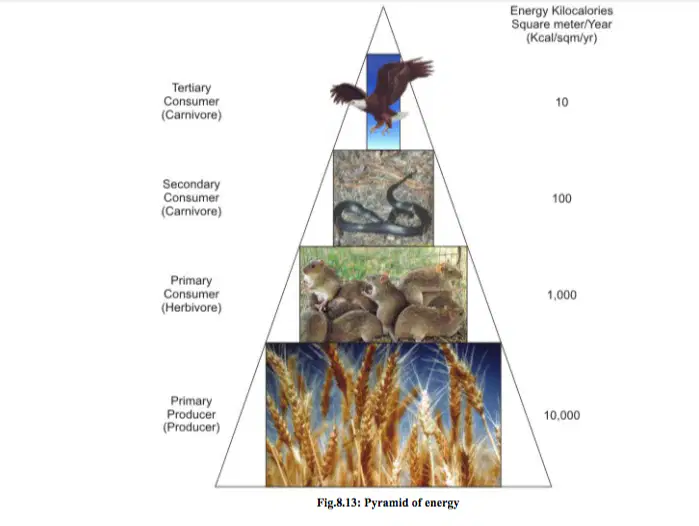
90% of energy is lost through trophic levels predominately as heat and the remaining is transferred through.
This is why there is an excess of primary producer species and fewer tertiary consumer species.
12
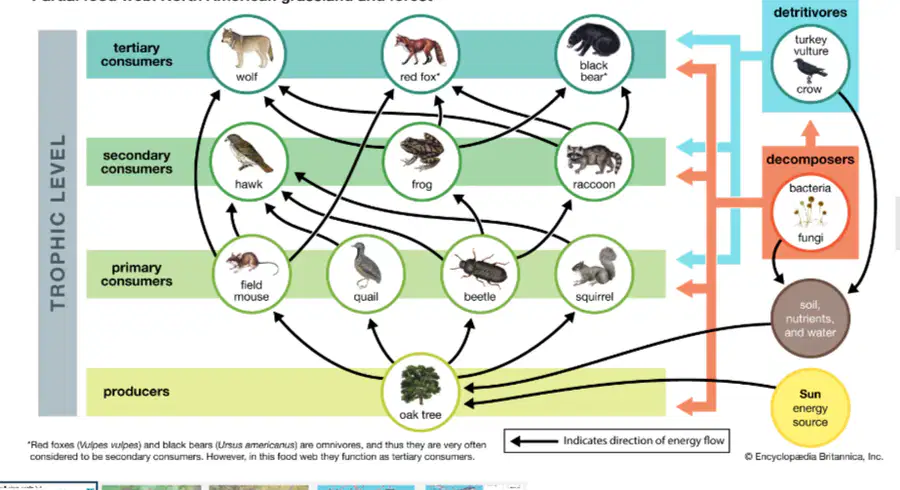
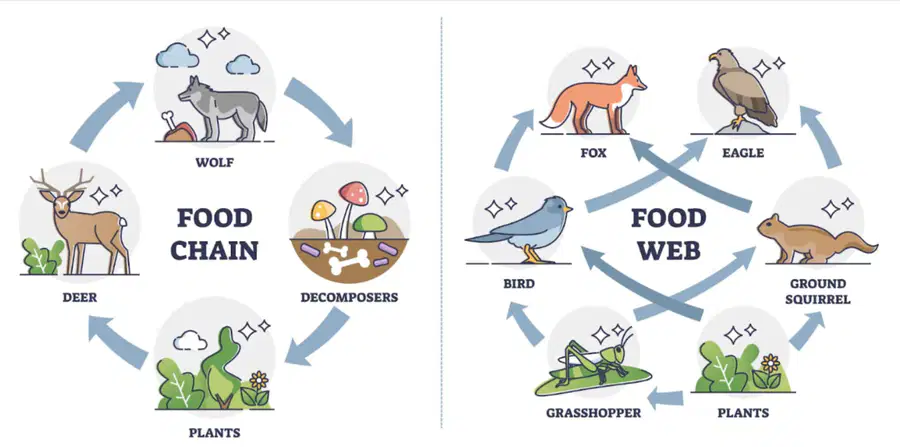
The difference between these two is that a chain just shows who eats who. Whereas, a web shows all the possible links between the different species through the trophic levels.
Food web vs food chain
13
Investigate
You are tasked to investigate a keystone species (an organism that helps define an entire ecosystem) and answer the following question:
.
Explain how the ecosystem would change if the keystone species were to rapidly become endangered or extinct.
Be specific, I don't want the first basic answer you find :)
14
Fill in the Blanks
15
Match
Producer
Consumer
Decomposer
Produces organic matter from inorganic matter
Consumes organic matter and produces inorganic matter
Breaks down dead or decaying organisms
Produces organic matter from inorganic matter
Consumes organic matter and produces inorganic matter
Breaks down dead or decaying organisms
16
Labelling
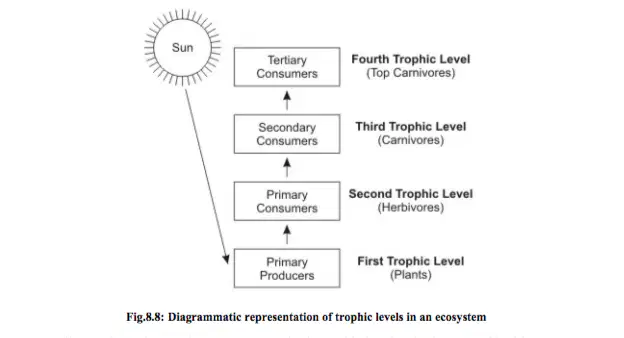
What does this diagram show?
17
Open Ended
What percentage of energy is lost through each trophic level?
18
Multiple Choice
Can a consumer organism be contained to one trophic level?
Yes
No
I need to learn more I have no idea.
19
No organism occupies only one trophic level, as most consume plant and animal matter (omnivores). See the example above...
Trophic levels
20
21
22
Open Ended
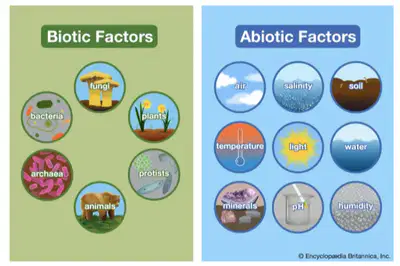
Based on the previous photo, can you tell me what the difference is between biotic and abiotic factors?
23
Biotic factors are living organisms in the ecosystem.
Decomposers
Producers
Consumers
Competitors/pathogens
Biotic factors
Are non-living things in the ecosystem.
Water
Nutrients
Sunlight
Temperature
Abiotic factors
Abiotic and biotic factors
24
What is a niche?
A niche is a term described as an organism within a community that adapts to prevent the fight for resources to survive within an ecological community.
25
26
Fill in the Blanks
Type answer...
27
Biogeochemical cycles
The movement of nutrients between biotic and abiotic factors in the environment.
There are 4 cycles:
Carbon
Nitrogen
Phosphorus
Sulfur
28
Task:
Choose one of the four biogeochemical cycles, and investigate and discuss how human activities such as the production of fertilizer affect your chosen cycle and the ecosystem.
29
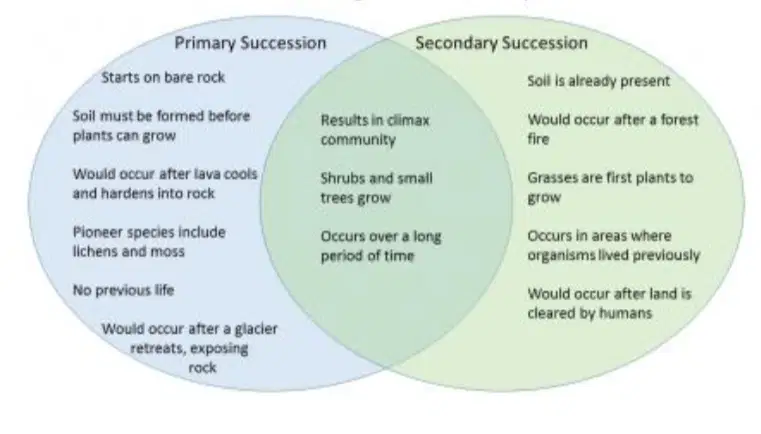
Primary and secondary succession
30
31
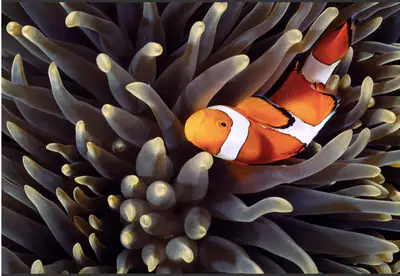
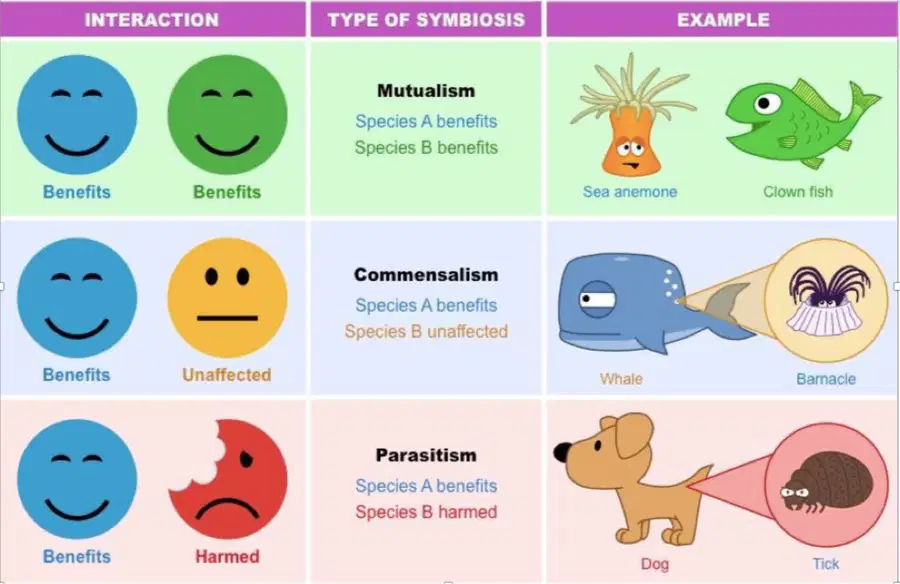
This is where two or more organisms live together and one or both organisms benefit from one another.
For example sea anemone and clown fish.
Symbiosis
32
33
34
Activity:
Research two different species and which symbiotic relationship those two species have and justify why.
Mutualism
Commensalism
Parasitism
Predation
35
Match
Match the following symbiotic relationships
Mutualism
Parasitism
Commensalism
Predation
Both species benefit
One species benefits the other is harmed
One species benefits and one is unaffected
One species benefits and the other is harmed
Both species benefit
One species benefits the other is harmed
One species benefits and one is unaffected
One species benefits and the other is harmed
36
Multiple Choice
Determine the mutualism relationship
Bees and flowers
Ticks and dogs
Orcas and seals
Hermit crabs and deceased snail shells
37
Competition within a single species. e.g. territorial behaviour or dominance.
Intraspecific
Competition between different species. e.g. predation or parasitism.
Interspecific
Interspecific vs intraspecific interactions
38
Activity: Concept map
Use the whiteboard and a whiteboard marked to create a map of how all these words interact with one another in an ecosystem.
On the arrows you draw connecting the words, I want you to write how they interact e.g. predator, energy source, photosynthesis.
(You can use your notes if you need).
Topic 4: Biodiversity and ecosystems
Show answer
Auto Play
Slide 1 / 38
SLIDE
Similar Resources on Wayground

31 questions
Punnett Squares Vocabulary
Presentation
•
10th Grade
35 questions
PCH; Ch 2.5 transformations of graphs
Presentation
•
10th - 11th Grade
31 questions
ACT Math: Calculator
Presentation
•
11th Grade
30 questions
The Molecules of Life
Presentation
•
10th Grade
30 questions
Phylogeny
Presentation
•
11th Grade
32 questions
U1L2 - Lecture Presentation - Anatomical Terms
Presentation
•
11th - 12th Grade
30 questions
Dog Evolution
Presentation
•
11th Grade
Popular Resources on Wayground
10 questions
GPA Lesson
Presentation
•
9th - 12th Grade
7 questions
Albert Einstein

Quiz
•
3rd Grade
31 questions
Bridge A Review
Quiz
•
3rd Grade
6 questions
Blue Sue and Red Ruth
Quiz
•
3rd Grade
8 questions
(Day12 HW) Inverse Trig Ratios
Quiz
•
9th Grade
20 questions
Summer Geometry QUIZ (Week3)
Quiz
•
9th Grade
16 questions
Theme Practice
Quiz
•
7th Grade
20 questions
Taxes
Quiz
•
9th - 12th Grade