

SHTRA- The Basics Part 1

Presentation
•
Other
•
Professional Development
•
Practice Problem
•
Easy

Tiffany Spurling
Used 1+ times
FREE Resource
13 Slides • 12 Questions
1
The Basics:
A Course for the Beginning Equestrian
Spurling's Hidden Treasures Riding Academy Course
Created By: Tiffany Spurling
2

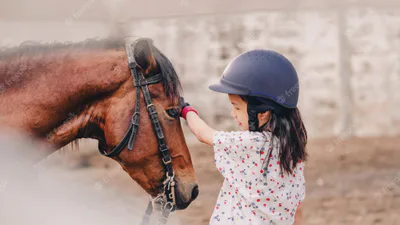
An Equestrian is a person who deals with riding, training, competing, or handling horses. Basically anyone who deals with horses regularly.
Who is an Equestrian?
Equestrianism is referred to as the skill of horse riding, horse driving, horse racing, or steeplechasing.
3

Everything we learn has to start somewhere. Always from the beginning. After all if we only read the end of a book we would not know why the end was so significant.
So at Spurling's Hidden Treasures Riding Academy students are taught from the ground up.
Where the time limit we have of in person time makes it hard to cover everything, that is the main reason for creating these lesson plans to help everyone learn more and become better equestrians.
Learning
"From The Ground Up"
4

I know, I know... Ms. Spurling is ALWAYS after students about hooves and how important this is. Clean, healthy, well cared for hooves truly are one thing horses cannot thrive without. These are very important.
No Hoof, No Horse

Above: This is the underside of a horse hoof (the side you pick dirt out of). Vitamins/Minerals like Lysine, Calcium, and Biotin are what help build a healthy hoof. The rest are labels of parts of the hoof including the sole, frog, heel bulbs/heel, outer hoof wall, inner hoof wall, and white line.
Above: This is a side view of the hoof. The coronet band, the toe, and the heel are shown here with a shoe on. The hoof is correctly angled for a non-gaited horse. Gaited horses are usually trimmed and shod differently due to their movement being different than normal non-gaited horses on their front and back legs.
Correct angles that follow the natural curves from where the horses skin/hair end and the hoof begins are very important for proper function. Horses in the wild would travel many miles a day and wear down their hooves naturally. Domesticated horses today do not travel over miles of terrain looking for food so that is why we must trim their hooves.
When we trim and shoes our horses' feet it is important for the hoof to be balanced between the hoof walls to the frog and the toe to the heel. An unbalanced hoof can create issues with joints later on if they are not correctly balanced.
Example: Your feet would hurt if you had a higher side on your shoe and a lower side on your shoe. If asked to go faster than a walk it could cause you to roll your ankle and possibly sprain or break your ankle and cause long-lasting effects.
5

Hoof Terms to Know
The White Line is actually yellow between the sole and inner hoof wall. white with moisture that helps support the hoof and the horses weight. This part allows some shock absorption and protects the pedal bone inside the hoof from infection.
The Inner Hoof Wall is soft and is colored white and is more pliable than the outer wall due to it having a higher moisture content which enables the inner wall to stretch more as the outer wall moves, ensuring the inner workings of the hoof are protected from too much shock as well as allowing the pedal bone and the outer wall to move in different ways without losing strength of attachment.
The Outer Hoof Wall is the hard outer layer of the hoof that protects the inner parts of the hoof and supports the weight of the horse. This is not easily maneuvered and protects from exterior trauma.
The Frog is the fleshy part of the hoof that almost acts like a shock absorber in the hoof. It assists in blood flow throughout the hoof and helps create traction for the horse. The top layer may often appear like leathery in feel and appearance. From time to time it will peel and have dead skin fall off it. This part is sensitive and should never be picked with the pick side of a hoof pick.
The Coronet Band (also known as coronary band) is where the fleshy part of the leg meets the hoof. There is a lot of blood supply here to the hoof and damage to the coronet band can truly change how the hoof grows. Brace yourself if a horse injures this area as it will bleed A LOT!
The Sole's primary function is to protect the sensitive structures beneath the sole withing the hoof. Where the sole meets the white line and hoof wall at the toe also provide added support, sharing some of the weight of the horse on their hooves.
6

This is just an overview of teeth in horses. To the right you will see a diagram of horse teeth and how they look at each age if they do not have any defects.
It is important to note that up to 32% of horses may have Wolf Teeth. These erupt in front of the premolars and can be painful when a bit is placed in the horses mouth. Mares are slightly more likely to have these teeth. They usually are pulled to prevent the horse discomfort.
Only about 1 in 5 mares have Canine Teeth. They are more commonly seen in geldings and stallions. They usually do not cause any discomfort to the horse and can be left alone in most cases.
The space in front of the pre-molars is where the horses' bit lays, over the tongue.

Horse Teeth
Domesticated horses' teeth need to be checked at least once yearly and Floated on average every two years unless stated otherwise by a veterinarian. Always listen to your veterinarian when it comes time to check for your horses teeth being floated (back teeth's sharp points grinded down).
7
Please bare with me as this is the best image I could find in this program to help with the parts of the horse.
Parts of the Horse

Chin Grove=Chin
Between the Shoulder and the Flank= Barrel
Breast= Chest
Throat= Throatlatch
Note that tendons are all over the horse in their legs and moving parts of their body.
Sheaths are only located on male horses=Geldings and Stallions.
Other Things to Note:
I would like you to notate that some of the following can be named something else as well:
8

9


Appaloosa Patterns

Paint Color Patterns

Roan Color Patterns
10


Walk
The Trot is a 2-Beat Gait. This means that two hooves hit the ground at the same time. The front hoof and the opposite side back hoof hit at the same time and lift at the same time. The count for the Trot gait is 1-2.
Trot
The Canter is a 3-Beat Gait. This means that two hooves of the horse hit the ground individually and two hooves hit the ground together. For left lead (the hoof furthest out on front) the diagram shows the way the hooves hit the ground. For right lead it would be the opposite hooves. The back hoof opposite the lead hoof is the first to hit the ground, followed by the opposite back hoof and the diagonal front hoof together, and lastly the lead hoof in front. The count for Canter is 1-2-3.
Canter
The Gallop is a 4-Beat Gait. This means just like in the walk, each hoof hits the ground separately. This Rhythm is much faster than a walk. The count for the Gallop gait is 1-2-3-4.
Gallop
The Walk is a 4-Beat Gait. This means that each hoof hits the ground individually one at a time. The horse has 4 legs which equals 4 beats. The count for the Walk gait is 1-2-3-4.
11

To the left you will see a few different examples of what are called 'gaited breed' horse gaits. Some breeds of horses that have these gaits are American Standardbred, Icelandic Horse, American Saddlebred, Paso Fino, Peruvian Paso, Tennessee Walking Horse, Kentucky Mountain Saddle Horse, Marwari Horse, Morgan, Appaloosa, and the Rocky Mountain Saddle Horse. There may be a few more not listed. Key here is to do your research if you want a gaited horse.
It is important to keep in mind that although gaited horses have special gaits that they are able to do, every once in a while one has to be taught to gait correctly. This involves collection and understanding of the person riding the horse on gaited horses.
Gaited horses that are not used for showing are often used as trail horses and for those who are prone to having back or hip issues and still want to ride horses. The gaits of these horses are usually smoother than other horse breeds with basic gaits, however, the rider must know how to properly collect the horses to get them in the smooth gaits correctly.
Gaited Horse Breed Gaits
Notice the Differences compared to the Last SlideG
12


The Thoroughbred is a very athletic and versatile breed most known for their endurance and speed over long distances for racing. They retire off the track and if they do not have injuries they are able to be retrained into another discipline or career. Some bloodlines in this breed can have a hot personality, although not all of them are. These horses have brains and think a lot making them both trainable and extremely smart. They have done well making second careers in 3-Day Eventing, Jumping, and Barrel Racing.
Thoroughbred
American Quarter Horse
A mix between a mountain horse named the Tyrolean and a half Arabian horse, this breed was known for being hardy and sure-footed over mountainous terrain. This breed has been known to be pretty level-headed and athletic. Most common uses of these horses today are for Dressage, Jumping, Endurance Riding, Driving, and even Trail Riding.
Haflinger
Let's face it, who hasn't seen The Black Stallion? The horse in this movie franchise were Arabians. They are best known for strength, endurance, and their well built hooves for traveling long distances over rough terrain. They are also known for naturally lifting their tails up while running and their fine-featured heads. Arabians have a lot of energy and are sought after for Endurance Riding, 3-Day Eventing, and Jumping or Recreational Riding.
Arabian
The American Quarter Horse got it's name from being a race horse who only raced a quarter of a mile. They were fast in short distances. They are athletic, versatile, and down to earth making them a great choice for most equestrian programs. They also were good at ranching and used to drive cattle. Now, they are used for everything from Dressage to Reining and everything in between.
13
Equestrian and Equestrianism
Hoofcare Basics
Horse Teeth Basics
Parts of the Horse
Coat Colors and Additional Markings
Gaits of the Horse
Gaited Horses
Horse Breeds at SHTRA

14
Multiple Choice
Based off of your color chart, what color horse is Jax?
Bay
White
Palomino
Chestnut
15
Multiple Choice
What is the toughest outer layer of the hoof called?
The Frog
The Toe
The Bulbs
The Outer Hoof Wall
16
Fill in the Blanks
About 1 in 5 Mares have
17
Fill in the Blanks
Up to
18
Multiple Choice
How many beats are the Walk and Gallop?
1-2-3-4
1-2
1-2-3
1
19
Multiple Choice
How many Beats are in the Canter gait?
1-2-3-4
1-2-3
1-2
1
20
Fill in the Blanks
A horse that does not have basic natural gaits of Walk, Trot, Canter, and Gallop are called a
21
Multiple Choice
The section of hair that comes from between the ears and runs down the front of the forehead and is similar to the feel of human hair is called what?
Mane
Tail
Stirrup
Forelock
22
Multiple Choice
A small white marking only on the horses muzzle/nose area is called what?
A Stocking
A White Dot
A Snip
Dapples
23
Multiple Choice
You should only pick (blank) with the hoof-pick.
Up
Down
24
Multiple Choice
What is the process of grinding or shaving down the horses sharp edges of the teeth called?
Trimming
Shipping
Floating
Flipping
25
Multiple Choice
All of the following except which one are breeds of horses at Spurling's Hidden Treasures Riding Academy?
Thoroughbred
Morgan
Arabian
American Quarter Horse
The Basics:
A Course for the Beginning Equestrian
Spurling's Hidden Treasures Riding Academy Course
Created By: Tiffany Spurling
Show answer
Auto Play
Slide 1 / 25
SLIDE
Similar Resources on Wayground

21 questions
Unit 209 The art of dressing hair
Presentation
•
Professional Development
20 questions
The among us
Presentation
•
Professional Development
20 questions
Lauruxandshawn
Presentation
•
KG
20 questions
One Step Equations
Presentation
•
KG - University
20 questions
Get Smart Plus 3 Topic 8 was/were
Presentation
•
1st - 4th Grade
20 questions
MID TERM GROUP 8
Presentation
•
KG
20 questions
Unit 305 Session 5 PT4 (solid materials)
Presentation
•
Professional Development
19 questions
Summer School Module 3
Presentation
•
Professional Development
Popular Resources on Wayground
10 questions
How much do you know about our Portrait of an Eagle?

Quiz
•
10th Grade
10 questions
Fast Food Slogans
Quiz
•
6th - 8th Grade
21 questions
Continents and Oceans
Quiz
•
6th Grade
20 questions
Parts of Speech
Quiz
•
5th Grade
16 questions
Subject & Predicate
Quiz
•
5th Grade
25 questions
Multiplication Facts
Quiz
•
5th Grade
12 questions
Map Skills
Quiz
•
3rd Grade
22 questions
Continents and Oceans
Quiz
•
5th Grade
Discover more resources for Other
10 questions
How to Email your Teacher
Quiz
•
Professional Development
11 questions
NFL Football logos
Quiz
•
KG - Professional Dev...
14 questions
Fall Trivia
Quiz
•
11th Grade - Professi...
20 questions
Sports trivia
Quiz
•
Professional Development
20 questions
90s Cartoons
Quiz
•
Professional Development
20 questions
Block Buster Movies
Quiz
•
10th Grade - Professi...