

Kohn (2013), Hooks (1994) & Reading Strategies

Presentation
•
English
•
University
•
Practice Problem
•
Easy
+14
Standards-aligned

Larissa Mazuchelli
Used 4+ times
FREE Resource
17 Slides • 10 Questions
1
The Case Against Grades
Academic Assessment: we need to collect information about how students are doing, and then we need to report
Collecting information doesn't require tests, and sharing that information doesn't require grades.
2
Multiple Choice
According to research, grades tend to diminish students' interest in whatever they're learning.
True
False
3
"Even a well-meaning teacher may produce a roomful of children who are so busy monitoring their own reading skills that they're no longer excited by the stories they're reading. (...)
There is certainly value in assessing the quality of leaning and teaching, but that doesn't mean it's always necessary, or even possible, to measure those things - that is, to turn them into numbers. Indeed, "measurable outcomes may be the least significant results of learning" (McNei, 1986, p. xviii)
4
A. Kohn
5
Multiple Choice
According to the author, the absence of grades is a necessary, sufficient, condition for promoting deep thinking and a desire to engage in.
True
False
6
Multiple Choice
According to research, grades create a preference for the easiest possible task.
False
True
7
Multiple Choice
According to research, grades tend to increase the quality of students' thinking.
False
True
8
Multiple Choice
According to research, graded groups remembered more facts a week later a test.
True
False
9
Multiple Choice
According to research, grade-oriented environment is associated with increased levels of cheating.
True
False
10
Multiple Select
Quais das opções abaixo são descobertas dos estudos sobre grading?
It's not enough to replace letters or numbers with labels ("exceeds expectations", etc)
It's not enough to tell students in advance exactly what's expected of them
It's not enough to disseminate grades more efficently
It's not enough to add narrative reports
It's not enough to use "standards-based" grading
11
Open Ended
Argumentos pró grades
12
Open Ended
Argumentos contra grades
13
Open Ended
Sintetize o debate de Kohn (2013) a partir das expressões: "learning orientation", "grading orientation", "intrinsic motivation", "extrinsic motivation", "intelectual risks"
14

15

A Letter from Birmingham Jail
16

with annotation
17
No fim de seu capítulo, hooks (1994) defende que não é preciso ‘maestrar’: “I suggest that we do not necessarily need to hear and know what is stated in its entirety, we do not need to “master” or conquer the narrative as a whole, that we may know in fragments”. Discuta a relevância dessa defesa no contexto de discussão do capítulo. Seu texto deve seguir o padrão culto da língua portuguesa e a ABNT, e deve se limitar a 100 e 150 palavras.
18

uma das maiores intelectuais de nosso tempo, teórica e ativista do feminismo negro com mais de 30 livros publicados que interrelacionam a crítica à sociedade capitalista, à supremacia branca e ao patriarcado
bell hooks
19
"I suggest that we do not necessarily need to hear and know what is stated in its entirety, that we do not need to “master” or conquer the narrative as a whole, that we may know in fragments. I suggest that we may learn from spaces of silence as well as spaces of speech, that in the patient act of listening to another tongue we may subvert that culture of capitalist frenzy and consumption that demands all desire must be satisfied immediateIy, or we may disrupt that cultural imperialism that suggests one is worthy of being heard only if one speaks in standard English." (hooks, 1994, p. 174)
20
Não entendo. Isso é tão vasto que ultrapassa qualquer entender.
Entender é sempre limitado.
Mas não entender pode não ter fronteiras.
Sinto que sou muito mais completa quando não entendo.
Não entender, do modo como falo, é um dom.
Não entender, mas não como um simples de espírito.
O bom é ser inteligente e não entender.
É uma benção estranha,
como ter loucura sem ser doida.
É um desinteresse manso, é uma doçura de burrice.
Só que de vez em quando vem a inquietação:
quero entender um pouco. Não demais:
mas pelo menos entender
que não entendo.
Clarice Lispector, em “A Descoberta do Mundo” (19671973)
21
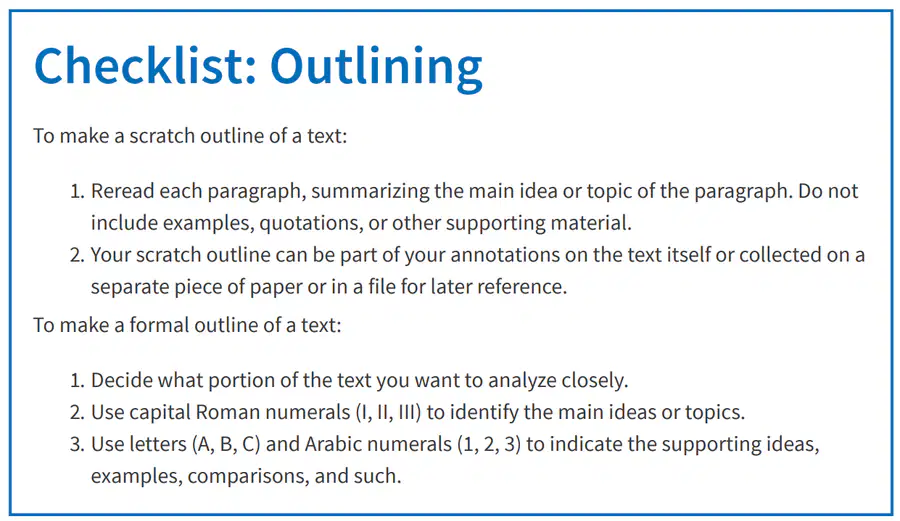
22
with annotation
23
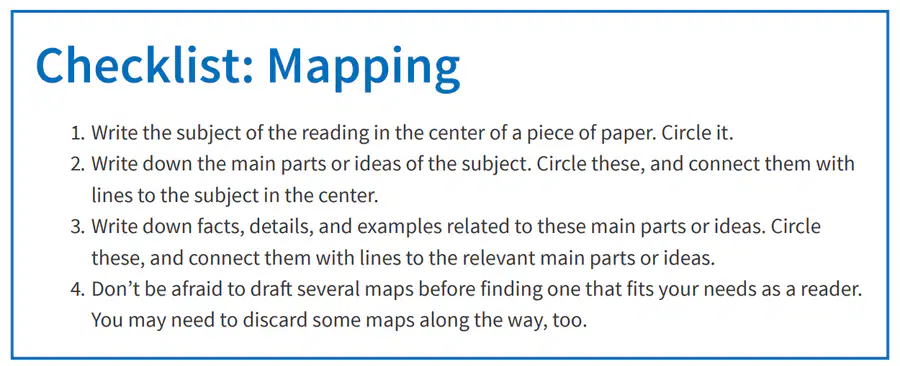
24
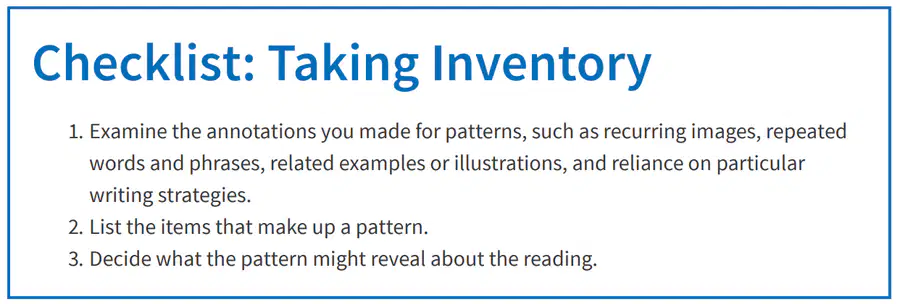
25
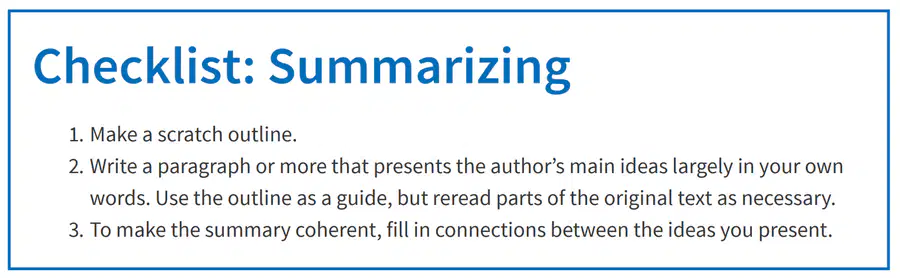
26
Síntese da Turma do texto de MLK & Hooks 2024

27
Estratégias de Leitura e Interpretação

The Case Against Grades
Academic Assessment: we need to collect information about how students are doing, and then we need to report
Collecting information doesn't require tests, and sharing that information doesn't require grades.
Show answer
Auto Play
Slide 1 / 27
SLIDE
Similar Resources on Wayground

19 questions
Writing Essays Comparison & Contrast p.40-43
Presentation
•
University
24 questions
SPM SPEAKING 2021
Presentation
•
University
20 questions
Possessive pronouns- object pronouns
Presentation
•
University
20 questions
Present Perfect
Presentation
•
University
20 questions
UNIT 9. COMPARATIVES AND SUPERLATIVES.
Presentation
•
University
19 questions
Common Errors- Subject and Verb Agreement-2
Presentation
•
University
23 questions
Active and Passive Voice
Presentation
•
University
20 questions
Present Perfect VS Present Perfect Continuous
Presentation
•
University
Popular Resources on Wayground
10 questions
Safety Day 2026 – Student Review

Quiz
•
9th Grade
21 questions
Continents and Oceans
Quiz
•
6th Grade
20 questions
Parts of Speech
Quiz
•
5th Grade
16 questions
Subject & Predicate
Quiz
•
5th Grade
25 questions
Multiplication Facts
Quiz
•
5th Grade
12 questions
Map Skills
Quiz
•
3rd Grade
22 questions
Continents and Oceans
Quiz
•
5th Grade
15 questions
Rounding Decimals
Quiz
•
5th Grade
Discover more resources for English
20 questions
Disney Trivia
Quiz
•
University
10 questions
Spanish Greetings and Goodbyes!
Presentation
•
6th Grade - University
20 questions
Physical or Chemical Change/Phases
Quiz
•
8th Grade - University
39 questions
Unit 7 Key Terms
Quiz
•
11th Grade - University
25 questions
SER and Subject Pronouns
Quiz
•
8th Grade - University
38 questions
Unit 6 Key Terms
Quiz
•
11th Grade - University
19 questions
Key Concepts in Buddhism
Quiz
•
University
0 questions
Cell Domain Basic Review (Biology)
Quiz
•
University