

EARTHS CHARACTERISTICS

Presentation
•
Arts
•
KG
•
Practice Problem
•
Hard

Francisco Chacon
Used 8+ times
FREE Resource
46 Slides • 0 Questions
1

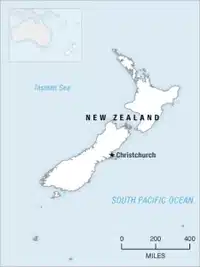

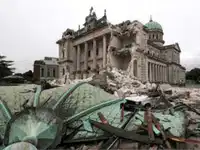
New Zealand Earthquake
• M 6.3 earthquake
• Shallow epicenter: 2-3
miles
• Close to Christchurch,
city of 370,000
• After shock to the
September 4th M 7.1
2

What is the composition of
lava formed on oceanic crust?
High percentages Fe, Mg
Low percentages Si, O
3

DESCRIBE A CONVERGENT
PLATE BOUNDARY
4

What is the source of the lava
that forms oceanic crust?
the mantle or asthenosphere
5

What is the composition of
lava associated with
continental crust?
High percentages Si, O
Low percentages Fe, Mg
6

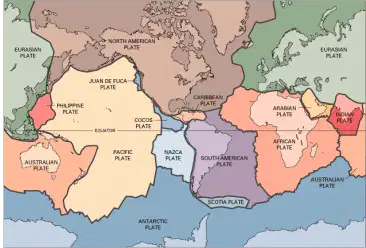
The Theory of Plate Tectonics
• Based on two hypotheses
– Continental Drift
– Seafloor spreading
7

Explain the development of the
theory of plate tectonics in terms
of the scientific method.
8
The
Scientific
Method
One or more ideas, statements or questions;
Single or multiple hypotheses
Collection of
data
Observation of data or
information
Theory
Not accepted
Hypothesi
s
More Data
9

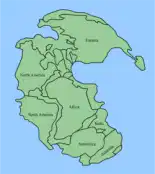
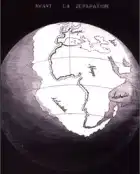
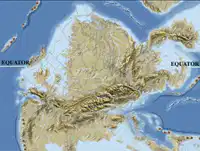
Continental drift hypothesis:
evidence?
• Proposed in 1911
• All evidence found on the continents
• Mechanism for moving the continents was
not known
10

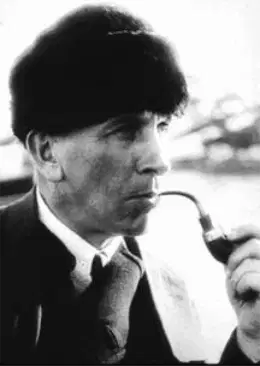
• Alfred Wegener
proposed the
hypothesis of
continental drift in
1911
• He gathered
information from many
different sources and
used it as evidence for
his hypothesis
Continental Drift Hypothesis
11

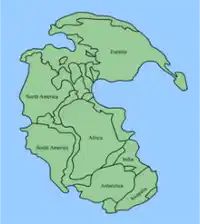
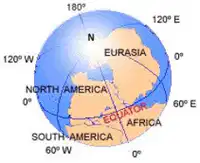
• Fit of the continents
• Fossil evidence
• Ancient mountain ranges
• Past climate evidence
Continental Drift Hypothesis
Glaciers formed at the south pole
Swamps formed in tropical regions
12

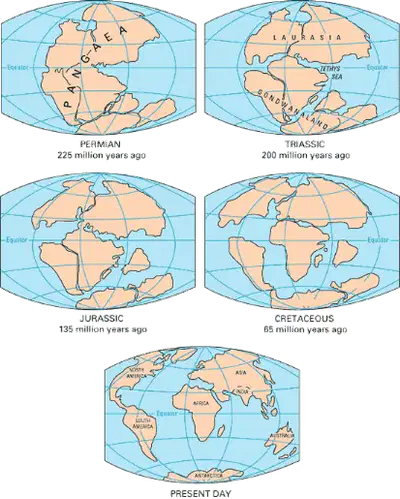
• The
continental
drift
hypothesis
proposes that
the continents
were
assembled to
form the super
continent
Pangaea.
• Moved through
time
3:20
13

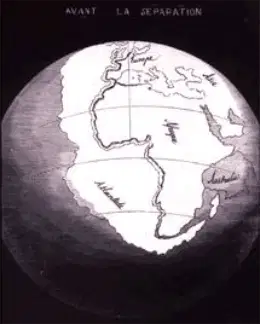
• Antonio Snider-Pelligrini
(1858), a geographer cut
out a map of Africa and
South America
suggesting they were
connected at one time
• Other physical evidence
based on observation
was used by Wegener
Fit of Continents
14

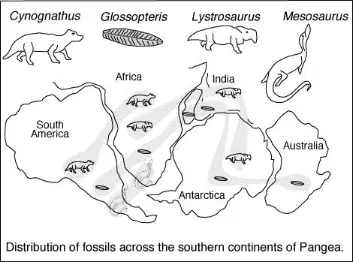
Fossil Evidence
• Similar terrestrial species were found on many
continents now separated by oceans.
• Information collected by paleontologists
15

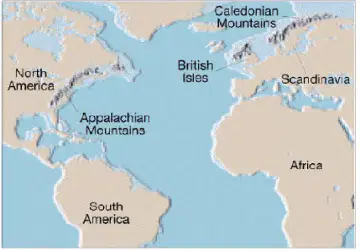
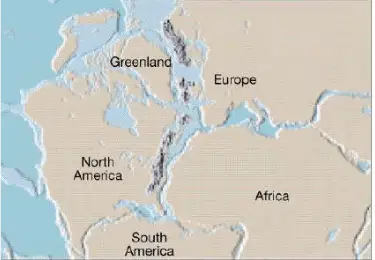
Ancient Mountain Ranges
The same sequence of rocks is found in North America,
Great Brittan, and Norway. The pattern does not make
sense with the continents in their current configuration.
16

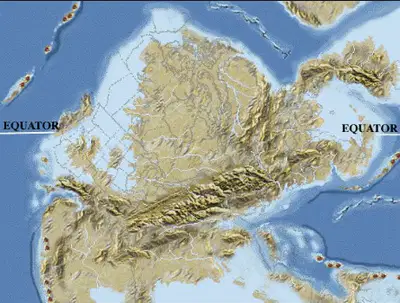
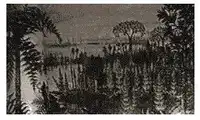
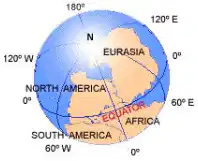
The Appalachian Mountains
Swamps
300 million years ago
17

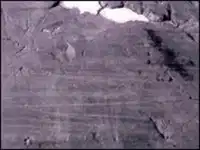
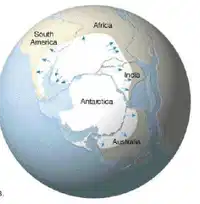
Evidence of
Ancient Glaciers
•Glaciers carve the rock as they move.
•Scientists can determine the direction of movement (notice the
direction of movement noted in South America)
•As South America sits today, the pattern would not make sense.
(glaciers do not move from sea level to higher elevations)
18

Lack of mechanism to explain
continental movement.
• Evidence implied that the continents were at one
time assembled
• Wegener’s idea was not accepted by the
scientific community because he could not
explain how the continents moved
• With advances in technology, new information
was gathered in association with WWII
19

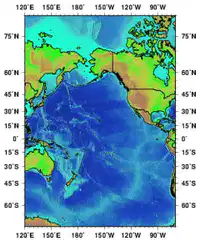
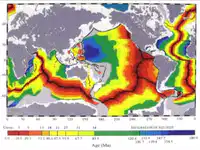
• What information do you know regarding
the seafloor that may be used to help
understand the hypothesis of seafloor
spreading?
Exploration of the Ocean Basins
20

Exploration of the Ocean Basins
• Seafloor features
• Composition of the seafloor
• Age of the seafloor
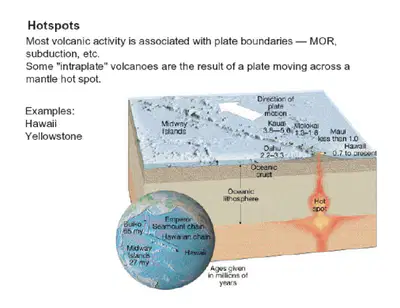
• Hot spots
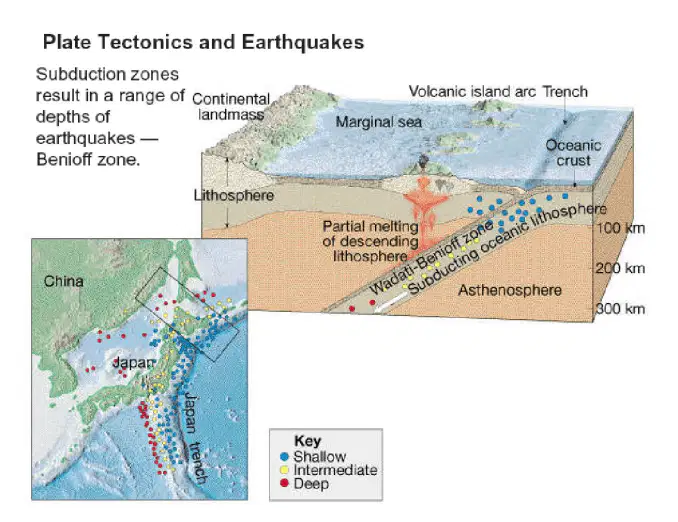
• Seismicity
• Paleomagnetic pattern produced on the
seafloor
21

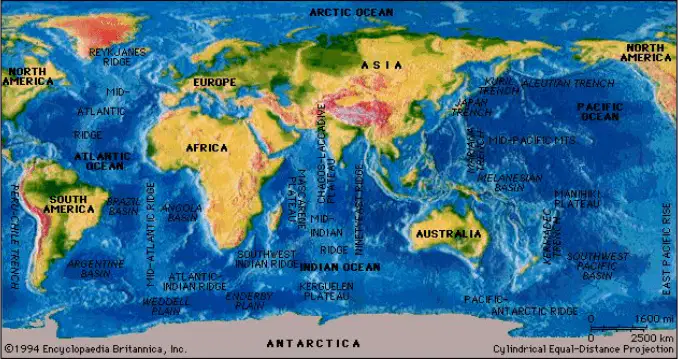
Exploration of Ocean Basins
Ocean basins contain a variety of landforms not discovered until WW II.
22

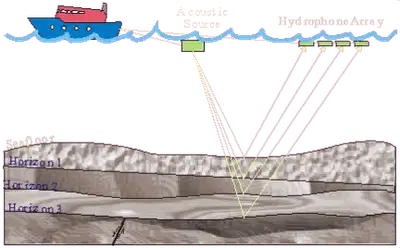
Support
• Echo sounding was used to map the seafloor
Seafloor features were
discovered using sonar.
4:26
23

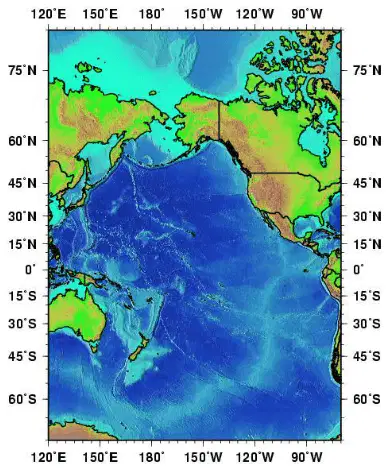
Seafloor
features
• Mid-oceanic
ridges
• Trenches
• Volcanism
adjacent to
trenches
• Seamounts
• Fracture zones
24

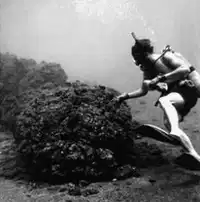
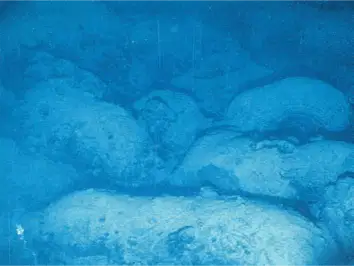
Oceanic crust is composed of
volcanic rock.
• Basalt is volcanic rock with a mafic composition.
• Higher percentages of iron and magnesium, lower
percentages of silicon and oxygen.
Pillow basalts
25

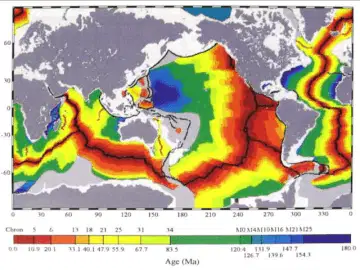
Age of Ocean Crust
• Youngest at ridge
• Progressively older away from ridge
• Mirror image across the ridge
26

27

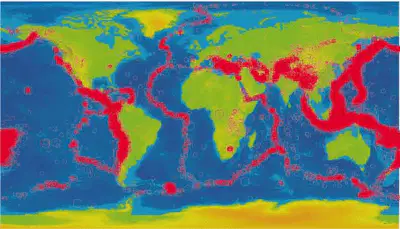
Seismicity
• Earthquakes are concentrated at what is
currently known as plate boundaries.
• Explain why there are broad bands of
seismicity associated with some areas.
28

29

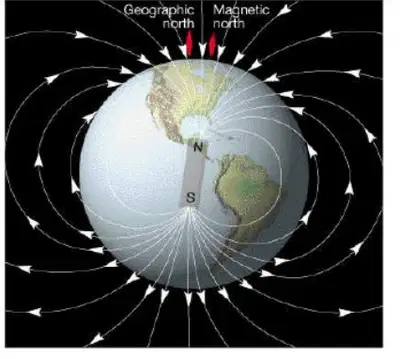
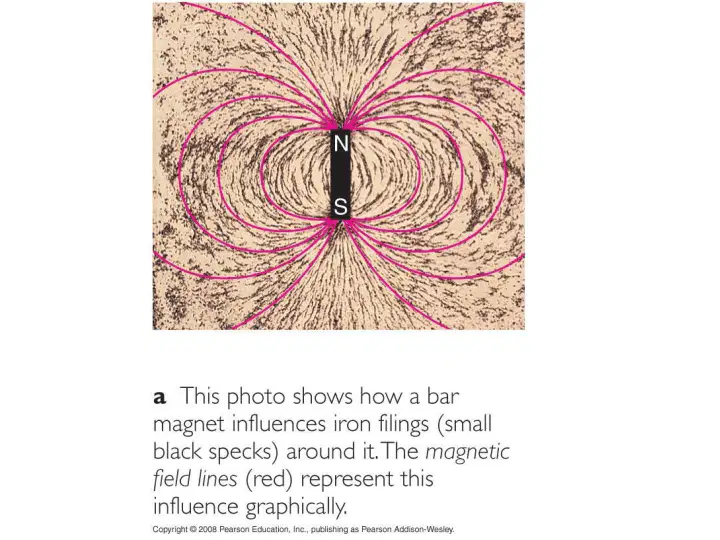
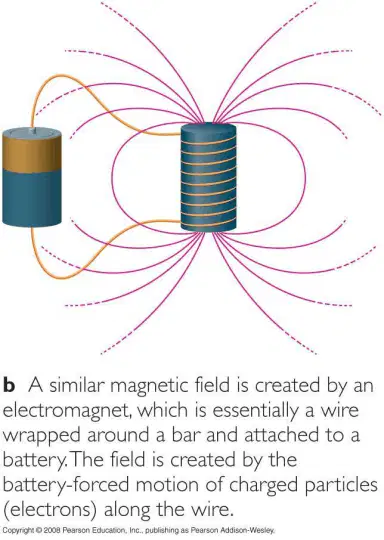
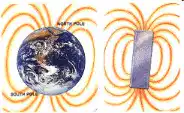
Earth’s Magnetic Field
Bipolar:
acts like
a bar
magnet
30
31

32

Requirements for a magnetic
field
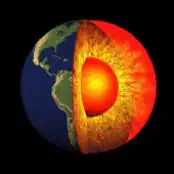
• An interior region of electrically conducting
fluid such as molten metal.
• Convection in that layer of fluid.
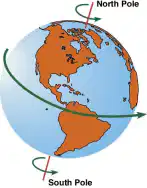
• At least moderately rapid rotation.
33

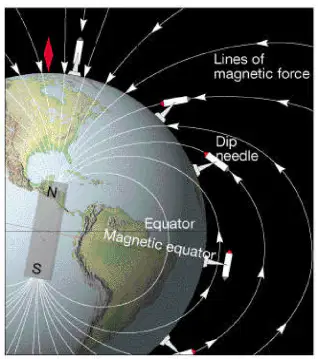
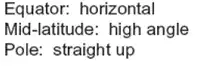
A compass has a different
declination depending on the
location on the Earth’s surface
34

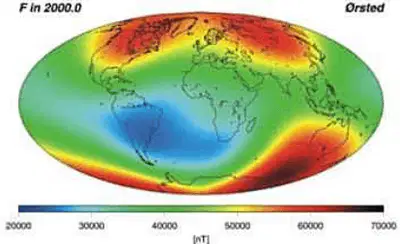
Earth’s Magnetic Field
• Strength varies with location
– Red- stronger
– Blue weaker
35

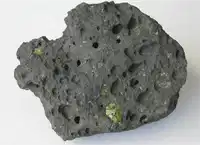
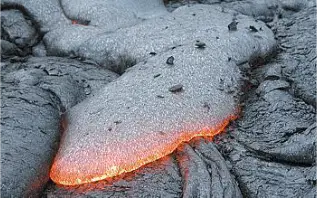
Iron-rich rocks are magnetized as
they cool to the current magnetic
field.
• Basalt= iron rich volcanic rock; oceanic
crust
36

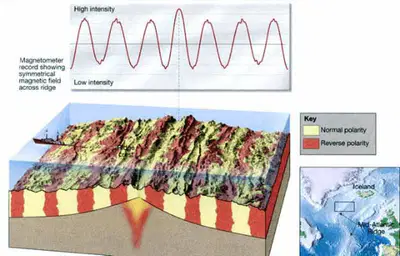
Paleomagnetic pattern across the
mid-oceanic ridge
Mirror image across the ridge and correlative with age
Positive
anomalies=
normal
polarities
Negative
anomalies =
reverse
polarities
37

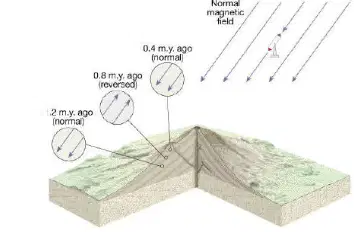
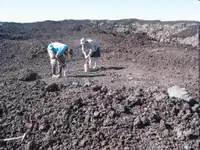
Polar
Reversals
• Correlated to time
• Scientists dated
iron-rich volcanic
rocks on land
• Developed technology
to measure the
paleomagnetic
reading
38

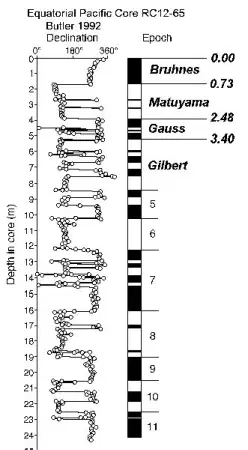
Polar Reversals
• Timescale of polar
reversals
• Possibly related to
flow in the outer
core
39

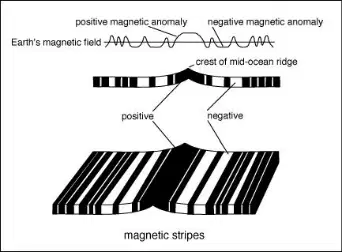
Paleomagnetic Evidence
• Positive and negative recordings of the
oceanic crust create a symmetrical pattern
across the mid-oceanic trench
40

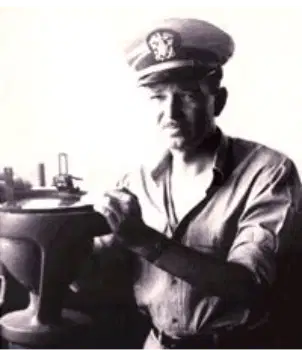
• In the 1963, Harry
Hess developed the
idea of seafloor
spreading to explain
the seafloor’s
formation
• Continental
movement is the
result of ocean floor
movement
Seafloor Spreading
41

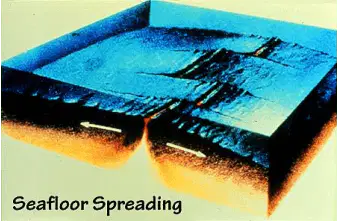
Seafloor Spreading
• Mafic lava is extruded along the mid-oceanic ridge to
produce ocean floor.
• New material is added, the cooler material is split and is
“pushed” away from the ridge
42

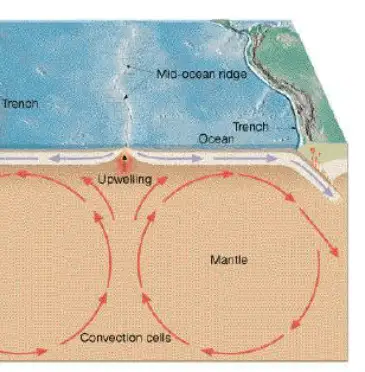
Driving Mechanisms
Convection cells within
the mantle
Pushing at the
mid-oceanic ridges
Pulling at the subduction
zones
Push
Pull
Convection
43

The theory of plate tectonics
• Explains that the Earth’s lithosphere is
broken into distinct units that move as a
coherent package. Where the tectonic
plates meet, produces distinct physical
characteristics on the Earth’s surface.
44
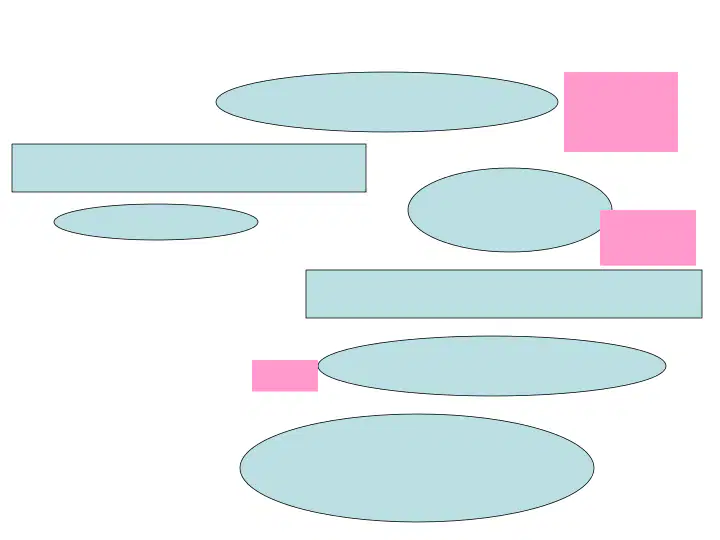
The Scientific Method
Continental Drift
Hypothesis
Collection of
data
Observation of data or
information
Theory of Plate
Tectonics
Mechanism for plate
movement
Not accepted
Seafloor Spreading Hypothesis
Associated
with the
continents
Ocean
basins
key
45

Information to understand:
• The evidence used by Wegener to describe
the continental drift hypothesis.
• The evidence associated with technology that
was used to collect information about ocean
basins.
• The hypothesis of seafloor spreading
• The accepted tectonic plate driving
mechanism.
46

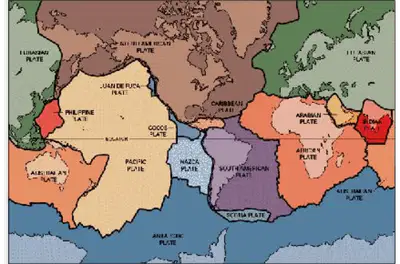
Earthquakes and volcanoes outline
the tectonic plate boundaries
New Zealand Earthquake
• M 6.3 earthquake
• Shallow epicenter: 2-3
miles
• Close to Christchurch,
city of 370,000
• After shock to the
September 4th M 7.1
Show answer
Auto Play
Slide 1 / 46
SLIDE
Similar Resources on Wayground

41 questions
G9 Chap 14.1 Fossil Evidence of Change
Presentation
•
9th Grade
41 questions
Dance - The Power of Movement
Presentation
•
KG - University
41 questions
Nuclear Chemistry
Presentation
•
9th - 12th Grade
41 questions
Las Excusas (Pre-song Story)
Presentation
•
9th - 12th Grade
41 questions
Economic Systems
Presentation
•
6th - 7th Grade
41 questions
Motion
Presentation
•
6th Grade
41 questions
Double Object Pronouns
Presentation
•
9th - 12th Grade
41 questions
Math Discovery - A - Relationships
Presentation
•
7th Grade
Popular Resources on Wayground
6 questions
Secondary Safety Quiz
Presentation
•
9th - 12th Grade
10 questions
MyPath Diagnostic Overview
Presentation
•
6th - 8th Grade
20 questions
Lab Safety Quiz

Quiz
•
6th Grade
21 questions
Continents and Oceans
Quiz
•
6th Grade
20 questions
Adding and Subtracting Decimals
Quiz
•
5th Grade
20 questions
Parts of Speech
Quiz
•
5th Grade
16 questions
Subject & Predicate
Quiz
•
5th Grade
21 questions
Lab Safety
Quiz
•
10th Grade
Discover more resources for Arts
20 questions
Place Value
Quiz
•
KG - 3rd Grade
16 questions
Lab Equipment
Quiz
•
KG
20 questions
Community helpers
Quiz
•
KG - 3rd Grade
15 questions
Subject and Predicate
Quiz
•
KG - 3rd Grade
12 questions
Nouns and Verbs
Quiz
•
KG - 2nd Grade
10 questions
Four Types of Sentences
Quiz
•
KG - 12th Grade
12 questions
Globes and maps
Presentation
•
KG
15 questions
Digraph Practice
Quiz
•
KG