Search Header Logo
7.2.2-Matter and Its Changes

7.2.2-Matter and Its Changes

Assessment

Presentation

Mathematics

9th Grade

Easy

Created by

Jessica Freeman

Used 5+ times

FREE Resource

45 Slides • 82 Questions

1

Physical and Chemical Changes

Feb. 1st-5th

media

2

Multiple Choice

Question image

Warm up. Look at the image, and calculate which formula contains the most atoms of Oxygen

1

1

2

2

3

3

4

4

3

Physical Changes (Term)

  • Are easily reversible, have no new products, and are often just a change of state of matter (Definition)

  • Examples include:

  • Solid to liquid

  • Liquid to gas

  • Gas to liquid

  • Liquid to solid

media

4

Chemical Changes (Term)

  • Are not easily reversed, new products are formed, reactants are used up, have evidence of heat/light/sound/fizzling occur, can produce electricity, or have a precipitate form (Definition)

  • Example: Wood Burning

media

5

Multiple Choice

Is ice melting a physical or chemical change?

1

Chemical

2

Physical

6

Multiple Choice

Is frying an egg a chemical or physical change

1

Chemical

2

Physical

7

Reactants (Term)

  • The substances in a chemical reaction that chemically combine

  • Examples would be the combination of sodium and chlorine

media

8

Products (Term)

  • The new substance made after a chemical reaction

  • Examples include Salt (NaCl) after sodium and chlorine combine

media

9

Precipitates (Term)

  • A solid that forms after two liquids chemically react (definition)

  • Examples would include the combination of milk and vinegar

media

10

Multiple Choice

When two hydrogens chemically combine with one oxygen would what would water be?

1

Reactant

2

Product

3

Precipitate

11

Evidence of a chemical change

  • Abbreviation to remember = City, Girls, Like, To, Order, Pizza

  • C: color change

  • G: Gas

  • L: Light is produced

  • T: Temperature change

  • O: odor is produced

  • P: Precipitate is formed

media

12

Multiple Choice

What does the o stand for in the acronym that we learned?

1

Gas

2

Light

3

Odor

4

Osmosis

13

media

14

Open Ended

Give Examples of a Physical Change

15

media

16

Open Ended

Give Examples of a Chemical Change

17

Open Ended

Question image

Dr. Garret Sho takes a piece of notebook paper from her desk. As a demonstration she tears the paper into 14 pieces.

After Dr. Sho tears the paper, what would you expect to happen to the mass of the torn pieces?

18

media

19

Draw

Draw an example of a Physical and Chemical Change

20

media

21

Fill in the Blank

Removing heat to a Chemical Reaction will_________ the reaction

22

media

23

Multiple Choice

Question image

What is the Mass of CO2? Hint think about the Law of Conservation of Mass.

1

12.0g

2

6.2g

3

46.2g

4

20.0g

24

Multiple Choice

Review the information in the graph. Which of these statements is true?

1

The change from ice of liquid water is a chemical change.

2

The change from liquid water to water vapor is a physical change.

3

It takes the same amount of time for ice to melt as it does for liquid water to become water vapor.

4

The change from ice to liquid water to water vapor shows a decrease in mass due to the changes in states of matter.

25

Multiple Choice

There are characteristics that differentiate a chemical change from a physical change.  Which statement describes a physical change?

1

Iron combines with oxygen to form rust

2

Lead is heated and becomes melts into a viscous liquid.

3

Sodium metal reacts explosively with oxygen

4

Calcium is added to acid and hydrogen gas is produced

26

Multiple Choice

Question image

Review the information in the graph. Which of these statements is true?

1

The change from ice of liquid water is a chemical change.

2

The change from liquid water to water vapor is a physical change.

3

It takes the same amount of time for ice to melt as it does for liquid water to become water vapor.

4

The change from ice to liquid water to water vapor shows a decrease in mass due to the changes in states of matter.

27

Poll

Did this help you today?

Yes

No

28

​Physical Change Definition:

Change that does NOT result in a new substance.

​NO new substance formed

​CAN be easily reversed

Temporary change

29

media

30

Multiple Choice

No new substance is formed in a physical change.

1

True

2

False

31

Multiple Choice

Evidence of a physical change.
1
New substance
2
Shape Change
3
Light produced
4
Gas released.

32

Multiple Choice

Chemical channges are ______________ chnages.

1

Temporary

2

Permanent

33

media

34

Multiple Choice

If a new substance is formed would this be a physical or chemical change?
1
Physical
2
Chemical

35

Multiple Choice

Question image

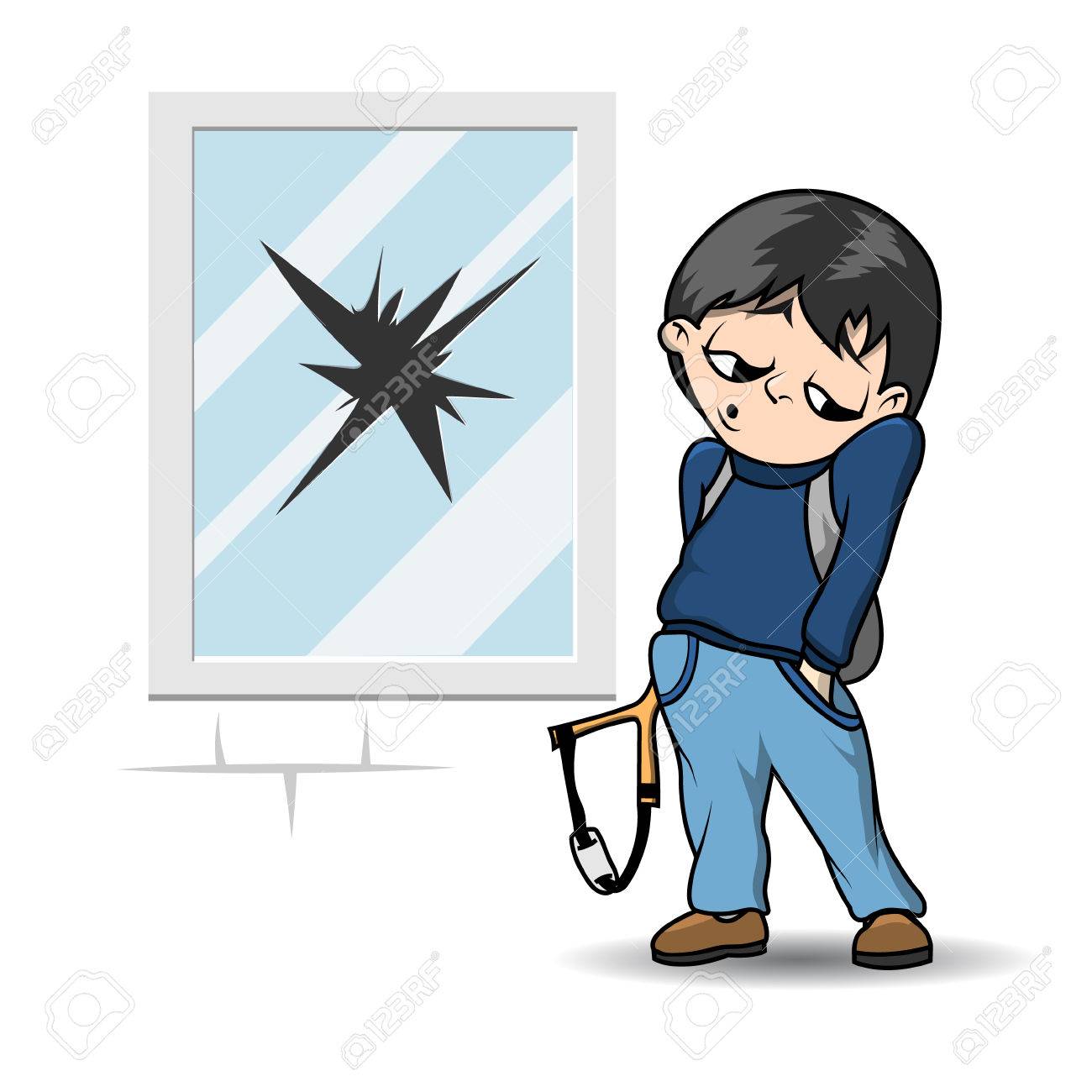
What kind of change is breaking a window?

1
2

36

Multiple Choice

Question image
Is sour milk a physical or chemical change?
1
Physical
2
Chemical

37

Multiple Choice

Question image
Is melting iron a physical or chemical change?
1
Physical
2
Chemical

38

Multiple Choice

Question image
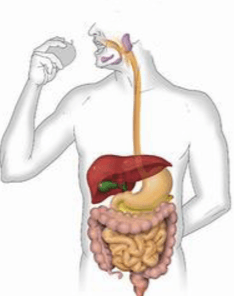
Is digesting your food a physical or chemical change?
1
Physical
2
Chemical

39

Multiple Choice

Fireworks Exploding are a ________ change.
1
Physical Change
2
Chemical Change

40

Multiple Choice

Question image

What kind of change is baking a cake?

1
2

41

Multiple Choice

Question image

What kind of change is crushing a soda can?

1
2

42

Mixtures

is a type of matter that

1 ....... is composed of 2 or more substances that are physically combined

2...... has composition that can change (vary) from one sample to another

3....... can be physically separated into its components

4....... retains the properties of the individual components


43

Examples of mixture

NaCl (aq) ........ salt water

C6H12O6 (aq) ....... sugar solution

HCl (aq) ......... Hydrochloric acid solution

soil, concrete and air are also mixture

media

44

Homogeneous mixture

  • the components of the mixture are uniformly and evenly mixed throughout

  • sample taken with the same mixture have the same composition

media

45

Heterogeneous mixtures

  • the components of the mixture are not uniformy mixed throughout

  • sample taken with the sample mixture have different composition

media

46

Multiple Choice

Which is a mixture of substances?

1

Cl2(g)

2

H2O(l)

3

MgCl2(s)

4

KNO3(aq)

47

Multiple Choice

Which is true of a KCl solution?

1

It is composed of substances that are chemically combined.

2

It is composed of substances that are physically combined.

3

It is composed of substances with the same atomic number.

4

It is a pure substance.

48

Multiple Choice

Question image

Which are elements?

1

A

2

B

3

C & D

4

C

49

Multiple Choice

When NaNO3(s) is dissolved in water, the resulting solution is classified as a

1

heterogenous compound

2

homogeneous compound

3

heterogeneous mixture

4

homogeneous mixture

50

Multiple Choice

One similarity between all mixtures and compounds is that both

1

are heterogeneous

2

are homogeneous

3

combine in definite ratio

4

consist of two or more substances

51

Multiple Choice

Which phase allows molecules to move around each other?

1

Solid

2

Liquid

3

Gas

4

None of the above.

52

Movement of Molecules

Solid- molecules move in place


Liquid- molecules move around each other


Gas- molecules move away from each other

53

Multiple Choice

Why does your hand feel cold as an ice cube melts on it?

1

Thermal energy is transferred from the ice to your hand

2

Thermal energy can't transfer between your hand and ice

3

Thermal energy is transferred from your hand to the ice

4

Cold energy is transferred from the ice to your hand

54

media

55

media

56

Multiple Choice

Question image

Ralph and Sheila are at a construction site and they are stacking bricks. The diagram below shows the bricks before they touch. Use the information in the diagram to answer the question. After the bricks have been touching for a while, whose ​top brick will be cooler?

1

Both will be the same temperature, because both bottom bricks transferred the same amount of energy.

2

Sheila's top brick was will be cooler, because the energy that transferred to Sheila's top brick was spread out with more molecules.

3

Ralph's top brick was cooler, because less energy has to transfer to Ralph's top brick.

57

Multiple Choice

Question image

What energy transformation occurs when a crock pot is plugged into an outlet and then the control knob is turned "on"?

1

thermal to electrical

2

mechanical to thermal

3

electrical to thermal

4

electrical to sound

58

Multiple Choice

According to the Law of Conservation of Energy, energy cannot be _________ or ____________.

1

destroyed, destroyed

2

created, saved

3

created, destroyed

4

lost, found

59

Multiple Choice

Question image

Electrical Energy is transferred to _____ Energy.

1

Thermal

2

Solar

3

Electrical

4

None

60

Multiple Choice

A hairdryer converts --

1

electrical energy into chemical

2

electrical energy into thermal

3

chemical energy into mechanical

4

thermal energy into mechanical

61

Multiple Choice

Which type of energy transformation occurs when a flashlight shines?

1

chemical → thermal → electrical

2

chemical → electrical → light

3

thermal → chemical → light

4

chemical → electrical → chemical

62

Multiple Choice

If a Lion ate a gazelle what kind of energy is being transferred?

1

Mechanical

2

Chemical

3

Electrical

4

Thermal

63

Multiple Choice

Which kind of energy change occurs when a candle is burning?

1

Chemical to light.

2

Light to electrical.

3

Solar to heat.

4

Chemical to electrical.

64

Multiple Choice

Question image

What energy transformation occurs when an alarm clock rings?

1

electrical to mechanical, sound

2

chemical to mechanical,sound

3

electrical to thermal, chemical

4

mechanical to mechanical, thermal, sound

65

media
  • ​Living things VS. Objects​

  • ​Living things:

  • ​Eat, breathe, run, cry, get angry

  • ​Do they have energy?

  • Objects:

  • ​Don't eat, don't breathe, don't move, don't cry, don't get angry.

​Let's remember...

66

Energy in Objects

Did you know that all objects possess energy?

media

67

What is energy?

  • It's everywhere around us and takes all sorts of forms.​

  • How things change and move.

  • It takes energy to cook food, to drive to school, and to jump in the air. Different forms of Energy

  • "the ability to do work"

media

68

Multiple Choice

Choose TRUE OR FALSE: "We use energy to do everyday activities like eating, running, even sleeping"

1

TRUE

2

FALSE

69

Multiple Choice

CHOOSE TRUE OR FALSE: How we process energy is called WORK

1

FALSE

2

TRUE

70

​Kinetic Energy

  • Pick up the bow and arrow and shoot it

  • ​Stored energy = potential energy

  • ​Transforms to moving/motion energy

  • ​Also called "KINETIC"

media

71

Multiple Choice

Question image

What type of energy is this?

1

Potential

2

Kinetic

72

Multiple Choice

Question image

What type of energy is it?

1

Potential

2

Kinetic

73

Multiple Choice

Question image

The water falling is using what type of energy:

1

Kinetic

2

Potential

3

None

4

All of them

74

Law of Conservation of Mass

media

75

​Clear Learning Target:

I can define the Law of Conservation of Mass so that I can determine if examples given follow the rule.

media

76

​Elements and Compounds

https://www.youtube.com/watch?v=i2OE9ljBKD8

media

77

​Physical Change

  • A Physical Change happens when a substance ​changes but no new substance is formed.

  • ​Physical Change occurs when the state of a substance changes.

  • Freezing

  • Evaporating

​Examples include: Water Freezing, Cutting Paper, Melting Butter, Breaking Glass

media

78

​Chemical Change

​A Chemical Change Occurs when a new substance is formed.

​Indications that a new substance has formed (Chemical Change):

  • A change in color

  • Formation of Bubbles

  • ​Temperature changes

  • ​Forms a gas

​Examples of a Chemical Change: Wood burning, A nail rusting, Food Rotting.

media

79

Multiple Choice

Question image

Is this an example of a Physical or Chemical change? 

1

Physical

2

Chemical

80

Multiple Choice

Question image

Is this a image a physical or chemical change?

1

Physical 

2

Chemical

81

Multiple Choice

Question image

Is this image a physical or chemical change? 

1

Physical 

2

Chemical

82

​Law of Conservation of Mass

Antoine Lavoisier - "Revolutionized Chemistry"

  • ​Lavoisier discovered that "Mass can not be created or destroyed" by carefully measuring the product and reactants in many of the chemical reactions he was researching.

  • ​Law of Conservation of Mass states that: "Mass can not be created or destroyed"

media

83

Products vs. Reactants

​RAP = Reactants Arrow Products

media
media
media
media
media

84

​Products and Reactants in a Chemical Equation

media

85

​Products and Reactants in a Chemical Reaction

Reaction between Methane and Oxygen :

​All of the atoms that were present at the beginning of the reaction (reactants) are still present in the products. They have just been moved around or transformed!

media

86

Multiple Choice

What does the Law of Conservation of Mass state?

1

Mass is created at the end of a chemical reaction

2

Mass can not be created or destoryed 

3

Mass is created in a physical change 

4

New chemicals are formed when a chemical reaction takes place.

87

Counting The Atoms: Subscripts Vs. Coefficients

media

88

Multiple Choice

Question image

Using the picture, what is the coefficient of this chemical compound? 

1

3

2

4

3

There isn't one 

89

Multiple Choice

Question image

Using the picture, what is the subscript of this chemical compound? 

1

4

2

3

3

There isn't one

90

​​Counting Atoms Review

media

91

​Counting Atoms Review

media

92

​​Counting Atoms Review

media

93

​Counting Atoms Review

media

94

Multiple Choice

Question image

What state of matter is represented in the picture above?

1

solid

2

liquid

3

gas

95

Multiple Choice

Question image

What state of matter is represented in this picture?

1

solid

2

liquid

3

gas

96

Multiple Choice

Heating a solid to a high temperature will usually result in this phase change.

1

Condensation

2

Melting

3

Sublimation

4

Evaporation

97

Multiple Choice

This state of matter expands to fill its container.

1

Solid

2

Liquid

3

Gas

4

Plasma

98

Multiple Choice

When an object has the ability to be stretched into a thin wire this is

1

Density

2

Ductility

3

Dirtability

4

Dissovility

99

Multiple Choice

The ability to hammered into a thin sheet or be bent is

1

Ductility

2

Solubility

3

Density

4

Malleability

100

Multiple Choice

which one is the definition of chemical property?
1
a property or characteristic of a substance that is observed during a reaction where the chemical composition of a substance is changed
2
any change that results in the formation of new chemical substances
3
combustibility

101

Multiple Choice

Physical properties are
1
properties that can be observed without changing the identity of the substance
2
properties that describe how a substance changes into a completely different substance

102

Multiple Choice

Flammability (burns): Chemical or Physical Property
1
Chemical Property
2
Physical Property

103

Multiple Choice

Solubility (dissolves): Chemical or Physical Property
1
Chemical Property
2
Physical Property

104

media

105

media

106

media

107

media

108

Multiple Choice

Matter can not be created nor destroyed: it can only be

1

Destroyed a little bit

2

Invisible

3

Transformed, changed

4

None of the above

109

Multiple Choice

If reaction starts with 20g of reactants it should produce

1

a total of 40g of products

2

a total of 10g of products

3

a total of 80 g of products

4

a total of 20g of products

110

Multiple Choice

Mr. Brady did an experiment. The mass he started with was 15 grams. How much mass should he end with?

1

less than 15 grams

2

more than 15 grams

3

15 grams

111

Multiple Choice

What is the Law of Conservation of mass?

1

Mass is created in a chemical reaction

2

Mass is created in a physical change

3

New chemicals formed from a chemical reaction have a larger overall mass than the original reactants

4

Mass is never created or destroyed

112

Multiple Choice

Why do some substances float on water?
1
they are warmer than water
2
they are cooler than water
3
they are more dense than water
4
they are less dense than water

113

Multiple Choice

Question image
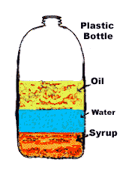
Which liquid is the least dense?
1
oil
2
water
3
syrup 
4
plastic bottle

114

media

115

Multiple Choice

What is the left part of a chemical equation called?
2H2 + O2 --> 2H2O
1
Reactants
2
Products 
3
Yields 
4
Chemical Equation 

116

Multiple Choice

What is the right part of a chemical equation called...
2H2 + O2 --> 2H2O
1
Reactants
2
Products 
3
Yields 
4
Chemical Equation 

117

Multiple Choice

Question image

Identify the Reactants in this equation.

1

A

2

B

118

Multiple Choice

A chemical reaction is balanced when
1
both sides have the same elements
2
Both sides have the same  number of atoms
3
Same subscripts
4
Same coefficients

119

Multiple Choice

The number in front of a compound or element is a 
1
Subscript
2
Coefficient
3
Superscript
4
Charge

120

Multiple Choice

The number to the lower side of an element is a 
1
Subscript
2
Superscript
3
Coefficient
4
Charge

121

Multiple Choice

Matter can not be created nor destroyed: it can only be
1
Destroyed a little bit
2
Invisible
3
Transformed, changed
4
None of the above

122

Multiple Choice

Is this balanced?
Al + O2 → 2Al2O3
1
Yes
2
No

123

Multiple Choice

How many HCl molecules do you need to balance this equation? 
Mg +  __HCl --->  MgCl2 + H2
1
1
2
2
3
3
4
4

124

Multiple Choice

Element or compound?
H2O
1
element
2
compound

125

Multiple Choice

How many elements are in C6H12O6?
1
1
2
2
3
3
4
4

126

Multiple Choice

What coefficient should be used to make the following equation balanced?

N2+O2--> _NO

1

1

2

2

3

3

4

4

127

Multiple Choice

What coefficient should be used to make the following equation balanced?
N2+O2--> _NO 
1
1
2
2
3
3
4
4

Physical and Chemical Changes

Feb. 1st-5th

media

Show answer

Auto Play

Slide 1 / 127

SLIDE