Search Header Logo
The Amazing World of Matter

The Amazing World of Matter

Assessment

Presentation

Science

5th Grade

Medium

NGSS
MS-PS1-4, MS-ESS1-1, MS-ESS2-6

+12

Standards-aligned

Created by

Tonette McQueen

Used 2+ times

FREE Resource

19 Slides • 51 Questions

1

Matter Unit Test Review

by Mrs. T. McQueen

2

Matter changes states

  • Matter is all around us and is made up of atoms and molecules.

  • States of matter include solid, liquid, and gas.

  • Matter changes states when heat energy is added or removed.

3

States of Matter

Solid, liquid, and gas are the three states of matter. In solids, particles are tightly packed, while in liquids, they can move around but still stick together. Gases have particles that move freely. Understanding these states helps explain the behavior of substances in different conditions.

4

The World of Phase Changes

  • Melting: Solid to liquid
  • Freezing: Liquid to solid
  • Evaporation: Liquid to gas
  • Condensation: Gas to liquid

5

6

Multiple Choice

True or False: Matter can changes states by adding heat or cooling.
1
True
2
False

7

Multiple Choice

When a substance is cooled, particles will

1

Speed up and move further apart

2

Get larger

3

Slow down and move closer together

4

Be unaffected

8

Multiple Choice

When an object get hot, the atoms in the object start move___

1

faster

2

slower

9

media

10

11

Multiple Choice

Why is it better to have a cooking pot with a plastic handle instead of a metal handle?

1

A. Plastic looks better than metal.

2

B. . Plastic is not a good conductor of heat

3

C. Plastic washes easier than metal.

4

D. Plastic is a good conductor of heat

12

Multiple Choice

Raegan wants to determine the best material to make a new type of cookware. What type of material should she choose?

1

A. A material that conducts heat evenly.

2

B. A material that can be easily bent into shape.

3

C. material that does not transmit electricity

4

D. A material that will remain cool to the touch.

13

Multiple Choice

Serenity wants to keep drinks cold during an afternoon sports game. Which container would MOST LIKELY keep her drinks cold for several hours?

1

A Plastic, because it will conduct heat.

2

B. Metal, because it will conduct heat.

3

C. Plastic, because it will insulate from heat.

4

D. Metal, because it will insulate from heat.

14

Dropdown

Question image
Boiling Water

15

Multiple Choice

Which best explains why a wooden spoon can be used to stir hot soup on the stove?

1

Wood is a good conductor of heat and transfers energy to the spoon.

2

Wood is a poor conductor of heat and transfers energy to the spoon.

3

Wood is a good conductor of heat and does not allow the transfer of energy to the spoon.

4

Wood is a poor conductor of heat and does not allow the transfer of energy to the spoon.

16

Multiple Choice

Which best explains why metal is a good material to make frying pans?

1

Metal is a good conductor of heat and transfers heat from the stove to the food.

2

Metal is a good conductor of heat and does not transfer heat from the stove to the food.

3

Metal is a poor conductor of heat and transfers heat from the stove to the food.

4

Metal is a poor conductor of heat and does not transfer heat from the stove to the food.

17

media

18

19

Multiple Choice

What is a mixture?

1

A combination of two or more substances that can't be easily separated.

2

A combination of two or more substances that can be easily separated.

20

Multiple Choice

What is a solution?

1

A combination of two or more substances that can't be easily separated.

2

A combination of two or more substances that can be easily separated.

21

Multiple Choice

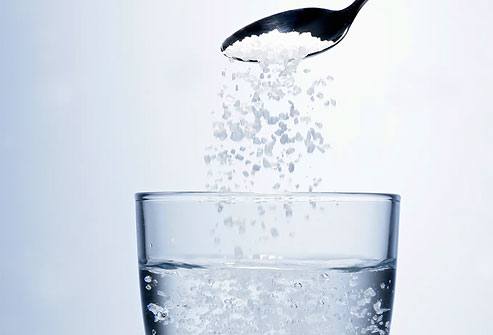
Question image

This is an example of a

1

Solution

2

Mixture

22

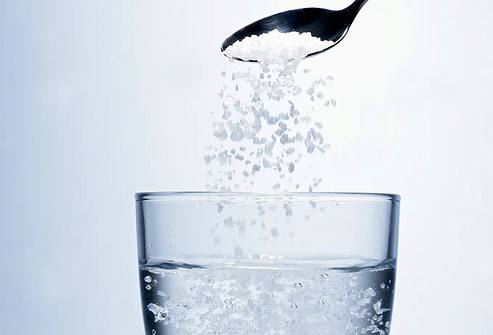
Multiple Choice

Question image

This is an example of a

1

Solution

2

Mixture

23

Multiple Choice

Sugar dissolved in water is an example of a

1

Solution

2

Mixture

24

Physical and Chemical Change

media

25

26

Multiple Choice

Question image
Is cutting an apple into slices an example of a physical change or a chemical change?
1
Physical Change
2
Chemical Change

27

Multiple Choice

Question image
Is rust forming on a bike that has been left outside in the rain an example of a physical or chemical change?
1
Physical Change
2
Chemical Change

28

Multiple Choice

A change in matter that produces one or more new substances is a ______________ change.
1
Physical Change
2
Chemical Change

29

Multiple Choice

Question image
Mixing vinegar with baking soda will result in a new substance (carbon dioxide). This is an example of a ___________ change.
1
physical
2
chemical

30

Multiple Choice

Question image
A change in temperature is an indication of which type of change?
1
Physical Change
2
Chemical Change

31

Multiple Choice

Question image
An ice cube melting from the heat of your hand is an example of which type of change?
1
Physical Change
2
Chemical Change

32

Multiple Choice

Question image
Mixing the ingredients to make trail mix is an example of which type of change?
1
Physical Change
2
Chemical Change

33

Law of Mass Conservation

34

35

36

Multiple Choice

Question image
If 10 grams of water are added to 5 grams of salt, how much salt water will be made?
1
2 grams
2
5 grams
3
10 grams
4
15 grams

37

Multiple Choice

Question image
A rock weighing 60 g is broken into 2 pieces. What are possible weights for the two pieces of rock?
1
20 g and 20 g
2
30 g and 20 g
3
30 g and 30 g
4
45 g and 10 g

38

Multiple Choice

Question image
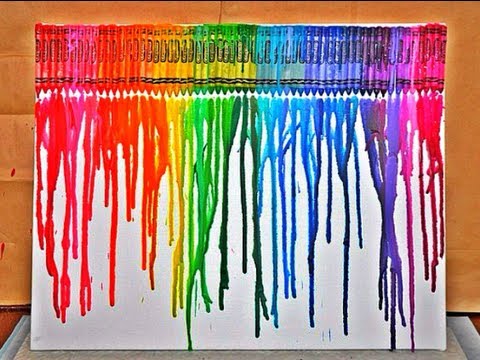
Jackie creates a piece of artwork by melting crayons and mixing the colors together. She uses 10 crayons that weighed 5 grams each. What is most likely the weight of her artwork?
1
4 grams
2
20 grams
3
50 grams
4
100 grams

39

Multiple Choice

Question image
Leslie places 5 pounds of ice in a 1 pound bucket with a lid. The next day, she notices all the ice has melted. When she weighs the bucket with the melted ice, what will itmost likely weigh?
1
4 pounds
2
6 pounds
3
7 pounds
4
5 pounds

40

Multiple Choice

Question image
Thomas has 1,200 g of salt water. Which are the correct measures of salt and water before they were mixed?
1
600 g of salt and 600 g of water
2
900 g of salt and 200 g of water
3
1,200 g of salt and 1,200 g of water
4
700 g of salt and 5,000 g of water

41

Multiple Choice

Question image
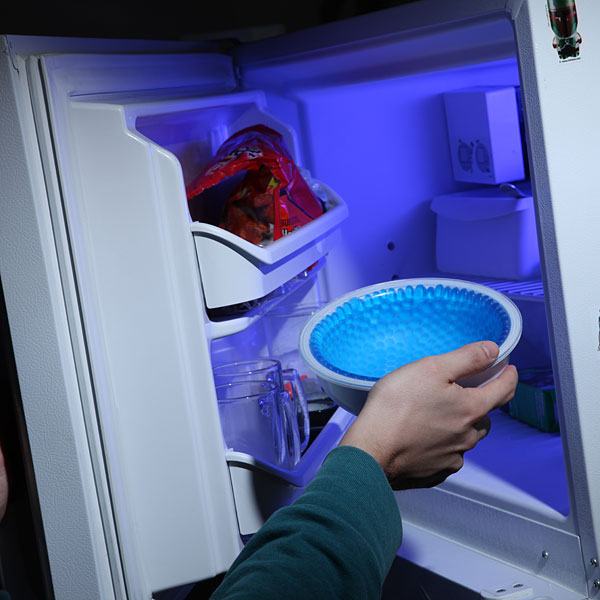
Maria fills a bowl with 200 g of water. She puts the bowl of water in the freezer, and the water freezes. Which will most likely be the mass of the frozen water?
1
50 g
2
100 g
3
200 g
4
400 g

42

Multiple Choice

Question image

A student notices that an inflated balloon gets larger when it is warmed by a lamp. Which best describes the mass of the balloon as a result of this change?

1

The mass of the balloon increases because the size of the balloon has increased.

2

The mass of the balloon increases because the temperature of the balloon has increased.

3

The mass of the balloon stays the same because the gas inside the balloon still has the same mass after it warms up.

4

The mass of the balloon stays the same because warming decreases the mass enough to cancel out the effect of increasing the size.

43

Multiple Choice

A jeweler melts gold to make jewelry. As the gold melts, the mass

1

increases

2

decreases

3

stays the same

4

is destroyed

44

The World of Thermal Expansion

  • Definition: Thermal expansion is the tendency of matter to change in shape, volume, and density in response to a change in temperature.

  • Causes: It occurs due to the increased kinetic energy of particles, causing them to move apart and occupy more space.

  • Examples: Common examples include the expansion of metals, liquids, and gases when heated.

45

46

Multiple Choice

What is thermal expansion?

1

The tendency of matter to change in shape, volume, and density in response to a change in temperature

2

The process of converting thermal energy into mechanical energy

3

The phenomenon of heat transfer through conduction, convection, and radiation

4

The ability of a substance to resist changes in temperature

47

Multiple Choice

Why should Ann leave space at the top of her plastic bottle when filling with water and then freezing it overnight?

1

Water expands when frozen, so the water will need more space.

2

Water contracts when frozen, so the water will need more space

3

Plastic contracts when frozen, so the water will need more space.

4

Plastic expands when frozen, so the water will need more space.

48

Multiple Choice

Which statement best describes how winter weather can damage roads?

1

Snow and ice can cause car accidents, which damage roads.

2

Rain, ice, and snow can cause the painted lines on roads to fade.

3

Cold temperatures can cause road materials to expand, creating potholes.

4

Water can get into cracks in roads, then freeze and expand, making the cracks worse.

49

Multiple Choice

Which best explains what happens to most materials when they are heated?

1

They expand

2

They contract

3

The change color

50

Multiple Choice

Jack placed his wooden baseball bat in the sun. The bat cracked open along the center. What is the most likely reason for this happening?

1

The wooden bat cools in the sun.

2

The wooden bat evaporates in the sun.

3

The sun’s heat causes the wooden bat to expand.

4

The sun’s heat causes the wooden bat to contract.

51

The World of Heat Transfer

  • Heat transfer is the movement of thermal energy from one object to another.
  • There are three main methods of heat transfer: conduction, convection, and radiation.
  • Conduction occurs through direct contact, convection through fluid motion, and radiation through electromagnetic waves.
  • Understanding heat transfer is crucial in various fields, including engineering, physics, and environmental science.

52

53

Multiple Choice

What are the three main methods of heat transfer?

1

Conduction, convection, and radiation

2

Conduction, convection, and absorption

3

Conduction, radiation, and reflection

4

Conduction, radiation, and convection

54

Multiple Choice

What causes your skin to feel warm when it is in the sun on a summer day?

1

Particles in the atmosphere reflect energy from the Sun downward

2

The Sun radiates energy that passes through space & the atmosphere to your skin.

3

Hot particles from the Sun still carry some heat when they reach your skin.

4

The solar wind carries heated air from the Sun’s atmosphere to Earth’s surface.

55

Multiple Choice

Steam from a hot bowl of soup warms your face as you lean over it; this is

1

A. Radiation

2

B. Conduction

3

C. Convection

4

D. Conviction

56

Multiple Choice

Which best describes the flow of heat?

1

A. From a larger object to a smaller object

2

From a cooler object to a warmer object

3

From a warmer object to a cooler object

4

From a warmer object to a warmer object

57

Multiple Select

Question image

Cold Pack on Person

1

Heat is transferred from the cold pack to the person.

2

Heat is transferred from the person to the cold pack

3

The cold pack is getting warmer. The person is getting colder.

4

The cold pack is getting colder. The person is getting warmer.

58

The Water Cycle

The water cycle is the continuous movement of water on, above, and below the surface of the Earth. It involves processes such as evaporation, condensation, precipitation, and runoff. This cycle plays a crucial role in maintaining Earth's water balance and distributing water resources across the planet. Water exists in three states: solid (ice), liquid (water), and gas (water vapor). Understanding the water cycle is essential for understanding weather patterns and the availability of freshwater resources.

  • Evaporation: The process by which water changes from a liquid to a gas, usually from the surface of bodies of water or moist soil.

  • Condensation: The process by which water vapor in the air cools and changes back into liquid water, forming clouds.

  • Precipitation: Any form of water that falls from the atmosphere to the Earth's surface, such as rain, snow, sleet, or hail.

  • Runoff: The movement of water on the Earth's surface, usually flowing into rivers, lakes, and oceans.

59

Multiple Choice

What is the role of the water cycle?

1

Maintaining Earth's water balance

2

Controlling weather patterns

3

Manipulating freshwater resources

4

Causing evaporation and condensation

60

Multiple Choice

Question image

Label A

1

condensation

2

precipitation

3

evaporation

61

Multiple Choice

Question image

Label B

1

condensation

2

precipitation

3

evaporation

62

Multiple Choice

Question image

Label C

1

condensation

2

precipitation

3

evaporation

63

Multiple Choice

Question image

Label D

1

condensation

2

precipitation

3

transpiration

64

Multiple Choice

Question image

The diagram below represents the water cycle.


Which of the following charts shows each letter on the diagram labeled correctly?

1
2
3
4

65

Multiple Choice

Question image

A student places a glass, filled with ice and water, outside on a hot sunny day. The student returns an hour later and observes that the ice cubes are gone and the glass has water droplets on the outside. Which two changes has the student observed in the water glass?

1

A. Melting and evaporation

2

B. Evaporation and freezing

3

C. Condensation and precipitation

4

D. Melting and condensation

66

Multiple Choice

Question image

In a simple investigation during science class, hot water is poured into a plastic cup. Then the plastic cup is covered with plastic wrap. After a few minutes, students begin to observe water droplets forming on the inside of the plastic. Why are water droplets observed on the inside of the plastic wrap.

1

A. The water vapor in the cup is evaporating

2

B. The liquid water in the cup is condensing

3

C. The water vapor in the cup is condensing

4

D. The liquid water in the cup is precipitating

67

Multiple Choice

Tori put water in two flat, uncovered pans. She placed one pan in a sunny spot and put the other pan in a shady spot. She left the pans for 12 hours, then returned and measured the water in both pans. What MOST likely happened to the water in the pans?

1

More water evaporated from the pan exposed to sunshine.

2

More water evaporated from the pan left in the shade.

3

The same amount of water evaporated from both pans.

4

No water evaporated from either pan.

68

Multiple Choice

A glass of cold water is set on a desktop. Later that day, beads of water had formed on the outside of the glass. The MOST likely explanation for the beads of water is that
1
some water dripped over the side.
2
the water soaked through the glass.
3
water vapor condensed on the sides
4
someone sprayed the glass with water.

69

Multiple Choice

What are the different states of matter?

1

Atoms and molecules

2

Solid, liquid, and gas

3

Cooking, cleaning, and transportation

4

Chemical reactions

70

Multiple Choice

Which process allows green plants to control the amount of water stored in their leaves?
1
photosynthesis
2
condensation
3
respiration
4
transpiration

Matter Unit Test Review

by Mrs. T. McQueen

Show answer

Auto Play

Slide 1 / 70

SLIDE