7th Introduction to Life ScienceSection 1- Science of Biology
Presentation
•
Science
•
7th Grade
•
Easy
+17
Standards-aligned
Tyanna Bailey
Used 1+ times
FREE Resource
11 Slides • 65 Questions
1
Biology Vocabulary Note cards
1. Pick up thirteen note cards
2. Write the word on the BLANK side
3. Write the definition on the LINED side
4. Tape the notecards in your science composition in the back next to the other vocabulary notecards.
2
1. biology- the study of life. Bio= life ology= the study of.
2. Organism- things that have the characteristics of life and are made of one or more cells
3. Biosphere- part of the earth that contains all living ecosystems
4. Ecosystem- the community and its living and nonliving components
5. Community- multiple populations of organisms in one area.
6. Population- a group of organisms of one type living in the same area
7. Organism- an individual living thing
8. Cells- the smallest functional unit of life
9. Molecules- groups of atoms, the smallest unit of compounds
10. Characteristics of living things- 1. made of cells 2. can reproduce 3. can grow 4. eat food 5. move on their own
11. Autotroph- an organism that can make its own food using energy from the sun
12. biotic factor- all of the living things in an ecosystem
13. Abiotic factor- all of the non-living things in an ecosystem
3
Use your notecards to answer the following questions
4
Multiple Choice
biology
the study of life
the study of air
the study of the earth
the study of water
5
Multiple Choice
bio means
life
the study of
water
air
6
Multiple Choice
autotroph
an organism that can make its own food by using energy from the sun
an organism that can make its own food by using energy from the moon
an organism that can not make its own food by using energy from the sun
an organism that can sometimes make its own food by using energy from the sun
7
Multiple Choice
ology means
the study of
life
earth
water
8
Multiple Choice
organism
things that have all the characteristics of life, and are made of one or more cells
things that have some the characteristics of life, and are made of one or more cells
things that have none the characteristics of life, and are made of one or more cells
things that have all the characteristics of life, and are made of two or more cells
9
Multiple Choice
biosphere
part of earth that contains all ecosystems
part of earth that contains some of the ecosystems
part of earth that contains none of the ecosystems
part of earth that contains all water
10
Multiple Choice
ecosystem
the community and it living and nonliving components
the community and it living components
the community and it nonliving components
the community and it living and nonliving components and water
11
Multiple Choice
population
a group of organisms of one type that live in the same place.
a group of organisms of multiple types that live in the same place.
a group of organisms of two types that live in the same place.
a group of organisms of one type that live in different places.
12
Multiple Choice
organism
an individual living thing
two things
something made of no cells
something that has no cell wall
13
Multiple Choice
cells
the smallest functional unit of life
the biggest functional unit of life
a phone
to give something away for money
14
Multiple Choice
molecules
groups of atoms , the smallest unit of a compound
groups of atoms , the biggest unit of a compound
groups of atoms , the smallest unit of a molecule
one atom , the smallest unit of a compound
15
ecology

16
Multiple Choice
biotic factor
all of the living thins in an ecosystem
all of the non- living thins in an ecosystem
all of the living things in an organism
17
Multiple Choice
abiotic factor
all of the non living things in an ecosystem
all of the living things in an ecosystem
all of the non living things in an organism
18
19
Multiple Choice
Nonliving factor in an ecosystem
Biotic factor
Abiotic factor
Dead factor
Organism
20
Multiple Choice
an organism that can make its own food by using energy from the sun
heterotroph
decomposer
biotic factor
autotroph
21
Multiple Choice
living factor in an ecosystem
Biotic factor
Abiotic factor
Dead factor
Organism
22
Multiple Choice
An organism that obtains energy from eating other consumers (animals)
detritivore
carnivore
omnivore
herbivore
23
Multiple Choice
An organism that obtains energy from eating only plants
detritivore
carnivore
omnivore
herbivore
24
Multiple Choice
An organism that obtains energy from eating both consumers and producers (plants and animals)
detritivore
carnivore
omnivore
herbivore
25
Multiple Choice
An organism that obtains energy from breaking down organic matter
decomposer
carnivore
omnivore
herbivore
26
Multiple Choice
All the living organisms in a particular location, together with their nonliving environment
community
population
species
ecosystem
27
Multiple Choice
Something that is living
organism
abiotic
predation
prey
28
Multiple Choice
An organism that is being hunted or eaten
organism
abiotic
predation
prey
29
Multiple Choice
First consumer of a food chain; feeds on producer
secondary consumer
tertiary consumer
producer
primary consumer
30
Multiple Choice
Second consumer of a food chain; feeds on primary consumer
secondary consumer
tertiary consumer
producer
primary consumer
31
Multiple Choice
Third consumer of a food chain; feeds on secondary consumer
secondary consumer
tertiary consumer
producer
primary consumer
32
Multiple Choice
1 living thing is called an ______________--
population
ecosystem
organism
33
Multiple Choice
1 living thing is called an ______________--
population
ecosystem
organism
34
Multiple Choice
many living and non-living things living together is called an _______________
ecosystem
organism
community
population
35
Multiple Choice
many living and non-living things living together is called an _______________
ecosystem
organism
community
population
36
Multiple Choice
many turtles living together is called a ______________
ecosystem
population
coomunity
organism
37
Multiple Choice
many turtles living together is called a ______________
ecosystem
population
coomunity
organism
38
Multiple Choice
all living things together in one area is called a ____________
community
population
ecosystem
39
Multiple Choice
all living things together in one area is called a ____________
community
population
ecosystem
40
Multiple Choice
plants are called _________ because they produce food for us.
consumers
producers
prey
41
Multiple Choice
plants are called _________ because they produce food for us.
consumers
producers
prey
42
Multiple Choice
humans and animals are _________ because we need to eat food for energy.
producers
prey
consumers
population
43
Multiple Choice
humans and animals are _________ because we need to eat food for energy.
producers
prey
consumers
population
44
Multiple Choice
an animal that hunts other animals is called a ____________
prey
predator
producer
herbivore
45
Multiple Choice
an animal that hunts other animals is called a ____________
prey
predator
producer
herbivore
46
Multiple Choice
an animal that is hunted and eaten by other animals is called ________
prey
predator
producer
47
Multiple Choice
an animal that is hunted and eaten by other animals is called ________
prey
predator
producer
48
Multiple Choice
an animal or person that eats only meat.
herbivore
omnivore
carnivore
producer
49
Multiple Choice
an animal or person that eats only meat.
herbivore
omnivore
carnivore
producer
50
Multiple Choice
an animal or person that eats only plants.
herbivore
omnivore
carnivore
producer
51
Multiple Choice
an animal or person that eats only plants.
herbivore
omnivore
carnivore
producer
52
Multiple Choice
an animal or person that eats both meat and plants.
herbivore
omnivore
carnivore
producer
53
Multiple Choice
an animal or person that eats both meat and plants.
herbivore
omnivore
carnivore
producer
54
MAKE SURE YOUR NOTE CARDS ARE IN YOUR SCIENCE COMPOSITION. I WILL BE GRADING THE COMPLETION OF THEM.
55
Ecosystem
the interactions between the living and non-living things in any given area
56
Multiple Choice
Vocabulary:
The biotic and abiotic factors that work together in an area
Abiotic
Biotic
Ecosystem
Organism
57
Multiple Choice
All the living and nonliving things in an area
Niche
Habitat
Population
Ecosystem
58
Multiple Choice
What abiotic factors does this tree depend on?
Water
Insects
Grass
All of the above
59
Multiple Choice
Temperature, light, air, water, soil, and climate are all __________ parts of the environment.
Biotic
Abiotic
60
Multiple Choice
Vocabulary:
The living factors in an ecosystem
Abiotic
Biotic
Ecosystem
Organism
Population
61
Multiple Choice
62
Types of Organisms
Three different categories of organisms
63
What Makes a Producer?
Producers are by definition autotrophs
self-feeding
provide energy for other organisms
64
What Makes a Consumer?
Heterotrophs
Organisms that cannot make their own food
Primary consumers feed directly on plants and other producers
mammals, birds, fish, reptiles, amphibians, insects, fungi, protozoa and some types of bacteria
65
What is Decomposer?
eat dead organisms
producers and other consumers
break down the remains
Molds, bacteria, protozoa and earthworms are examples of decomposers
66
Multiple Select
What does the arrow in a food chain or food web mean?
A series of steps in which organisms transfer (move) energy by eating and being eaten.
Shows what eats what and consists of many food chains in an ecosystem
The transfer (movement) of energy.
67
Multiple Choice
What is the definition of the word producer?
An organism that can make its own food.
An organism that obtains energy by feeding on other organisms.
An animal that eats only plants
An animal that eats other animals
68
Multiple Select
Pick the best name for the picture.
Food Web
Food Chain
Ecosystem
Habitat
69
Multiple Choice
What is the definition of the word consumer?
An animal that eats only plants
An animal that eats other animals
An organism that obtains energy by feeding on other organisms.
The transfer (movement) of energy.
70
Multiple Choice
What is a relationships between an organism or population and abiotic factors
Environmental Interactions
Energy Transfer
Biotic Interactions
Matter Cycle
71
Poll
A substance required by an organism to thrive.
resources
community
organisms
72
Multiple Choice
73
Multiple Choice
74
Multiple Choice
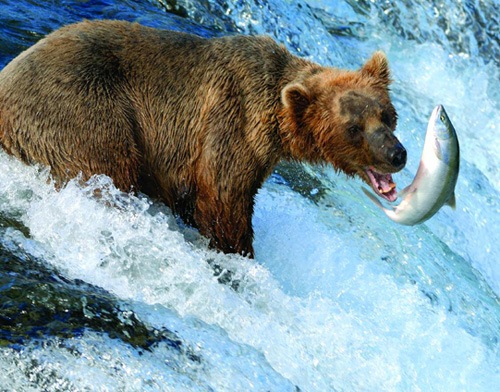
75
Multiple Choice
76
Multiple Select
Which one is NOT an example of a decomposer?
mushroom
leaves
mold
worm
Biology Vocabulary Note cards
1. Pick up thirteen note cards
2. Write the word on the BLANK side
3. Write the definition on the LINED side
4. Tape the notecards in your science composition in the back next to the other vocabulary notecards.
Show answer
Auto Play
Slide 1 / 76
SLIDE

Similar Resources on Wayground
69 questions
Cells & Classification Review
Presentation
•
6th Grade
69 questions
Newton's First Law
Presentation
•
7th Grade
70 questions
1.4 The elements of group 7
Presentation
•
7th Grade
71 questions
AP1 Revision
Presentation
•
7th Grade
68 questions
Compounds or mixtures(2020)
Presentation
•
6th Grade
70 questions
Changing Earth's Surface
Presentation
•
7th Grade
72 questions
Review
Presentation
•
6th Grade
Popular Resources on Wayground
20 questions
"What is the question asking??" Grades 3-5
Quiz
•
1st - 5th Grade
20 questions
“What is the question asking??” Grades 6-8
Quiz
•
6th - 8th Grade
10 questions
Fire Safety Quiz
Quiz
•
12th Grade
20 questions
Equivalent Fractions
Quiz
•
3rd Grade
34 questions
STAAR Review 6th - 8th grade Reading Part 1
Quiz
•
6th - 8th Grade
20 questions
“What is the question asking??” English I-II
Quiz
•
9th - 12th Grade
20 questions
Main Idea and Details
Quiz
•
5th Grade
47 questions
8th Grade Reading STAAR Ultimate Review!
Quiz
•
8th Grade
Discover more resources for Science
19 questions
Introduction to Properties of Waves
Presentation
•
6th - 8th Grade
16 questions
Interactions within Ecosystems
Presentation
•
6th - 8th Grade
20 questions
genetics, punnett squares, heredity
Quiz
•
7th Grade
16 questions
Photosynthesis and Cellular Respiration Review
Quiz
•
7th Grade
20 questions
Abiotic & Biotic Factors
Quiz
•
7th Grade
18 questions
Conduction Convection Radiation
Quiz
•
7th Grade
20 questions
Asexual/Sexual Reproduction
Quiz
•
7th Grade
5 questions
Natural Selection
Interactive video
•
7th Grade