

Chapter 6-2.3: Cold Biomes

Presentation
•
Science
•
12th Grade
•
Medium
+9
Standards-aligned

Abby Fancsali
Used 2+ times
FREE Resource
13 Slides • 22 Questions
1

2
Chaparral
Animal adaptations
Many animals are nocturnal
Burrowing animals avoid fire and heat
Long limbs allow for temperature regulation
3
4
Multiple Choice
What was the purpose of setting the hillsides ablaze at the UC Hopland Research and Extension Center?
To create a moonscape
To study the effects of fire on chaparral
To train firefighters
To prevent wildfires
5
Multiple Choice
What percentage of the state's land do chaparral shrub lands cover?
7%
25%
50%
100%
6
Multiple Choice
What percentage of the state's plant diversity is found in chaparral shrub lands?
7%
25%
50%
100%
7
Multiple Choice
8
Multiple Choice
chaparral
9
Multiple Choice
10
Multiple Choice
Boreal Forest
Tundra
Deciduous Forest
Grassland
11
Multiple Choice
Chaparral is all of the following except
very wet
moderately dry
coastal
very little rain in summer
12
Multiple Choice
Characteristics of this biome include: warm year round, large herbivores and predators, drought resistant plants, animals give birth during the rainy season.
tropical rainforest
savanna
desert
tundra
13
Multiple Choice
This biome has trees that lose their leafs in the winter, experiences four seasons, and gets enough rain to support the growth of trees.
Rain forest
Taiga
Grassland
Deciduous forest
14

Compare and Contrast the biomes that exist in colder climates
15
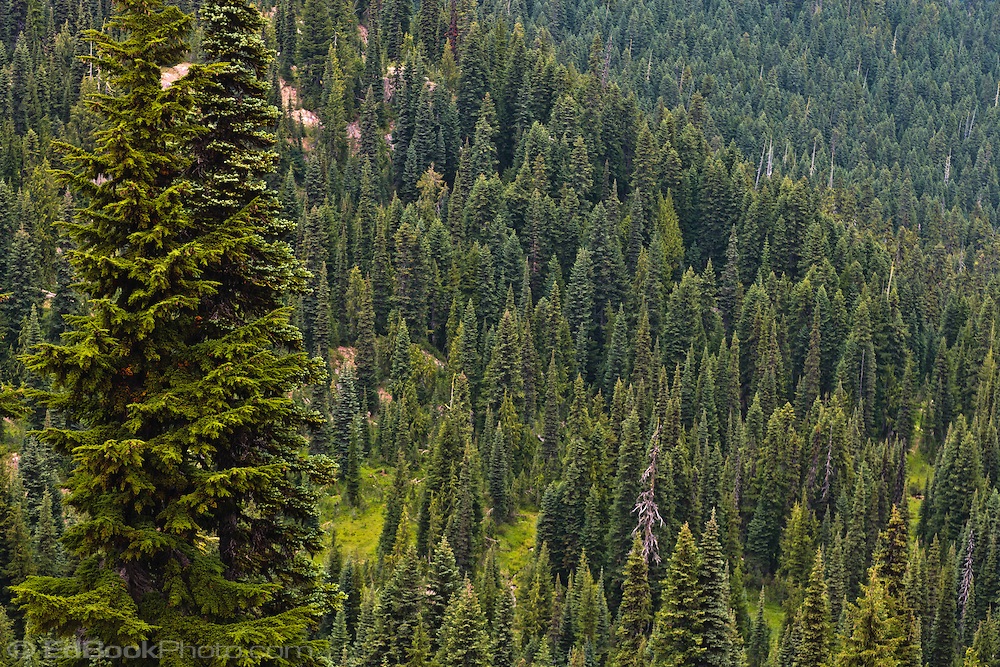
Taiga (The Boreal Forest)
Stretches across the northern regions of the Earth
Canada, Alaska, Russia, and Scandinavia
Regions of cool temperatures and low dry seasons
Long cold winters with short cool summers
Soil conditions are low in nutrients
some of the soil is acidic
Has an overall low species diversity

16
Taiga (The Boreal Forest)
Plant Adaptations
Trees are coniferous
cones can shed snow without damaging seeds
Most plants have a Symbiotic relationship with fungi that allow them to access nutrients

17
Taiga (The Boreal Forest)
Animal Adaptations
Most animals feed, breed, and reproduce during the short summers
Thick insulation and fat to conserve heat
Small Extremities
Some change color to blend into the snow during the winter
Many birds migrate here during the summer to eat the insects that come out during that time

18
19
Multiple Choice
What is another name for the taiga biome?
Tundra
Boreal Forest
Savanna
Desert
20
Multiple Choice
What type of trees are found in the taiga biome?
Oak and Maple
Palm and Bamboo
Spruce and Fir
Birch and Willow
21
Multiple Choice
Which of the following animals can be found in the taiga biome?
Lion and Giraffe
Kangaroo and Koala
Moose and Reindeer
Elephant and Rhino
22
Multiple Choice
What is the main reason for the limited range of animals in the taiga biome?
Lack of food sources
Extreme heat
Excessive rainfall
Strong winds
23
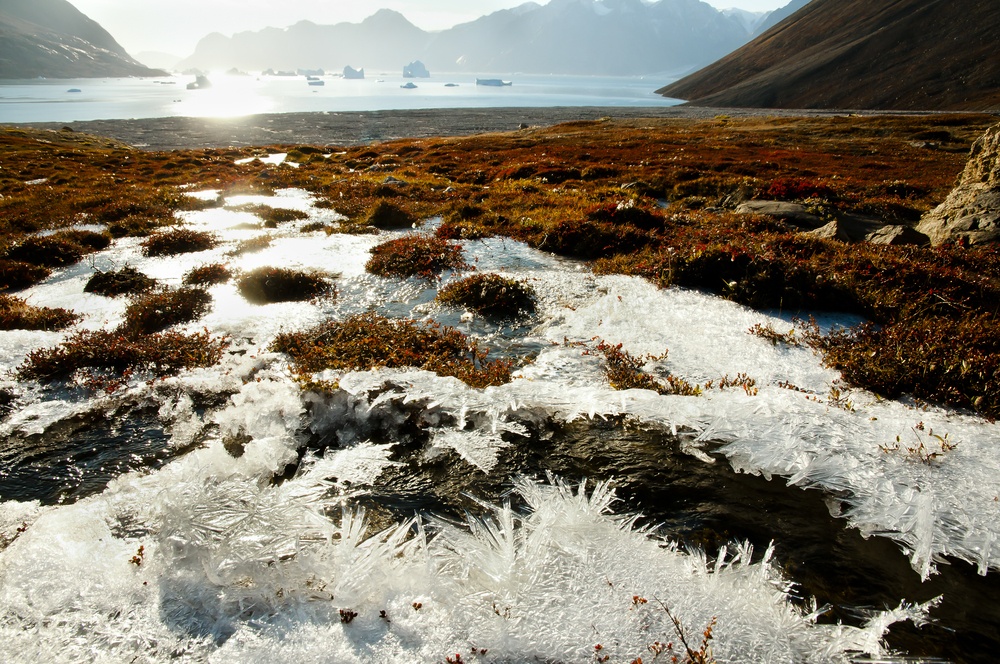
Tundra
Near the North Pole
Highest latitudes of Alaska, Canada, Scandinavia, and Russia
As dry as deserts, but much colder
Long, freezing, dark winters and short cold summers
Harsh winds and nutrient poor soils limit plant growth
the only vegetation is short shrubs and lichens
Have a symbiotic relationship with bacteria

24
Tundra
Permafrost: underground soil that is frozen year-round
During summers, some of the surface ice melts and creates conditions ideal for insects
Brings migrating animals for the summer
Only a few species live here year-round.
Polar Bears
Musk Oxen

25
26
Multiple Choice
What are tundras?
Regions with extreme heat and high rainfall
Treeless regions with extreme cold and low rainfall
Regions with dense forests and moderate temperatures
Regions with sandy deserts and high winds
27
Multiple Choice
What prevents trees from taking root in the arctic tundra?
Extreme heat
High altitude
Permafrost
Heavy rainfall
28
Multiple Choice
How is global warming affecting the arctic tundra?
Increasing the number of trees
Decreasing the wildlife population
Melting the permafrost and releasing carbon
Reducing the temperature
29
Polar Ice
Technically not considered its biome
Extends from the tundra to the poles of
No solid ground, just ice
Most life lives int the water
Animal adaptations
Antifreeze proteins to prevent blood from freezing
Blubber and fat
Thick Fur


30
Mountains
Technically not considered a unique biome
Experience changes in communities and conditions as you climb higher

31
Multiple Choice
32
Multiple Choice
33
Multiple Choice
tropical rain forest and temperate grasslands
34
Multiple Choice
35
Multiple Choice
Show answer
Auto Play
Slide 1 / 35
SLIDE
Similar Resources on Wayground

27 questions
Proteins- Notes
Presentation
•
12th Grade
31 questions
Earth Science Skills - FINAL EXAM REVIEW
Presentation
•
KG - 12th Grade
27 questions
Machines Lesson 4
Presentation
•
12th Grade
27 questions
Microbiology Survey
Presentation
•
University
25 questions
Physical and Chemical Changes Review
Presentation
•
8th Grade
28 questions
Folding Activity
Presentation
•
12th Grade
29 questions
Pedigree Lesson 2022
Presentation
•
7th - 10th Grade
26 questions
Unit 4: Appendicular Skeleton, Part 1
Presentation
•
11th - 12th Grade
Popular Resources on Wayground
10 questions
Safety Day 2026 – Student Review

Quiz
•
9th Grade
21 questions
Continents and Oceans
Quiz
•
6th Grade
20 questions
Parts of Speech
Quiz
•
5th Grade
16 questions
Subject & Predicate
Quiz
•
5th Grade
25 questions
Multiplication Facts
Quiz
•
5th Grade
12 questions
Map Skills
Quiz
•
3rd Grade
22 questions
Continents and Oceans
Quiz
•
5th Grade
15 questions
Rounding Decimals
Quiz
•
5th Grade
Discover more resources for Science
7 questions
Newton's Laws Video Quiz

Interactive video
•
9th - 12th Grade
35 questions
Cell Transport/Enzyme/Cell/Macro Review
Quiz
•
9th - 12th Grade
13 questions
Explore Enzyme Functions and Interactions
Quiz
•
9th - 12th Grade
10 questions
Fact or Fiction: Microbes
Quiz
•
9th - 12th Grade
10 questions
Understand Cell Functions and Organelles
Quiz
•
9th - 12th Grade
19 questions
Explore Macromolecules in Living Organisms
Quiz
•
9th - 12th Grade
15 questions
Layers of Atmosphere passage

Passage
•
9th - 12th Grade
22 questions
Quiz Review Day 5 Water and Macromolecules
Quiz
•
9th - 12th Grade