

untitled

Presentation
•
Biology, Science, Other
•
•
Practice Problem
•
Hard

Lesly Arzu
FREE Resource
33 Slides • 24 Questions
1
EQ: Why do we get a fever when we are sick?

2
Open Ended
What kinds of things does your body do to get warm when it's cold outside?
3
Multiple Choice
What do you think homeostasis is?
Keeping your body systems stable
Staying at home
Making body systems unstable
4
Keeping internal body systems stable even during changes in the environment
All organisms need specific conditions to function
Our bodies naturally work to keep us stable and safe

5
Multiple Choice
What is the perfect internal body temperature for a person?
102 degrees F
98.2 degrees F
75 degrees F
6
1. Nervous system - Sends signals
2. Skin (integumentary system) - Creates goosebumps
3. Muscular System - Cause you to shiver
All of this is to generate.....
HEAT!!

7
Open Ended

What do you think your body does when you get too hot??
8
1. Endocrine system - Sends hunger hormones
2. Nervous system - Makes you feel hungry
3. You eat, using muscular, skeletal, & digestive system

9
1. Nervous system: Makes you thirsty
2. Skeletal + Muscular : Walk you to water
3. Nervous system: Makes you not thirsty
4. Digestive system & Circulatory: Get the water to where it is needed

10
Multiple Select
Which 2 body systems did you see in each scenario?
Nervous system
Muscular system
Endocrine system
Respiratory system
11

12
13
Multiple Choice

When your blood sugar is too high, what hormone is released?
glucagon
insulin
14
Open Ended
What can happen when homeostasis (a healthy balance in the body) is not maintained?
15
16

17
Compare and contrast negative and positive feedback loops
We will:
Understand the process of homeostasis in the human body
I will:
18

19
THE CELL (or plasma) MEMBRANE!
The cellular (or plasma) membrane is responsible for controlling substances entering and leaving its boundaries.
Hypertonic, Isotonic, and Hypotonic situations/solutions
Balance & Equilibrium
Water soluble and insoluble substance control
20
Keeping "normal" conditions for survival
Proper functioning of systems
Maintaining Equilibrium

21

22
Negative Feedback Loop
-Nothing bad about this system
-Simply moves back to a "normal" state
-Ex. If your body temperature rises to 103 degrees (F), and then returns to 98F hours later, that is movement in a "negative" direction...but totally normal!

23

24

25
Positive Feedback Loop
This mechanism results, usually, in a permanent change
It also is a push to a "completion" of something. Ex. pregnancy
It's a change in the SAME direction, unlike NF, whereas the change goes back the other way
26

27
Multiple Choice
Which of those examples was a POSITIVE feedback loop?
The pregnant woman
Cut on arm
Blood pressure
Running a fever
28
29
Compare and contrast negative and positive feedback loops
We will:
Understand the process of homeostasis in the human body
I will:
30

31
Multiple Choice
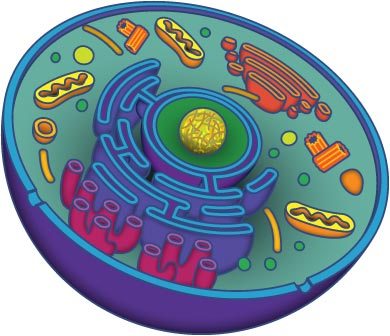
All living things are made up of...
cells
cell tissues
organ
organ systems
32
Multiple Choice
All cells come from___________ cells.
pregnant
pre-existing
paternal
pin size
33
Multiple Choice
An organism made of one cell is called
unicellular organism
multicellular organism
34

35

36

37

38

39
Multiple Choice
Which two systems work together to maintain homeostasis while transporting oxygen throughout the body and removing carbon dioxide?
circulatory and respiratory
respiratory and excretory
circulatory and digestive
respiratory and digestive
40
Multiple Choice
What do you think homeostasis is?
Keeping your body systems stable
Staying at home
Making body systems unstable
41
Multiple Choice
Which of the following are in the correct order?
organ system, cell, organ, tissue, organism
cell, organ, tissue, organ system, organism
cell, tissue, organelle, organ system, organism
cell, tissue, organ, organ system, organism
42
43

44
Multiple Choice
Plants absorb the gas _______________ from the atmosphere through the process of _____________________.
carbon dioxide;
photosynthesis
oxygen;
diffusion
nitrogen;
cellular respiration
hydrogen;
evaporation
45
Multiple Choice
Plants release the gas _________________ into the atmosphere through the process of _____________________.
hydrogen;
transportation
nitrogen;
evaporation
carbon dioxide;
cellular respiration
oxygen;
photosynthesis
46
Multiple Choice
Which of the following is a biotic factor that will influence the rate of cellular respiration?
pH levels
Water temperature
Sunlight
Amount of plants
47
Multiple Choice
Diffusion is a process where molecules move from an area of ___________ concentration to an area of ____________ concentration.
low;
high
low;
low
high;
low
high;
high
48

49
Multiple Choice
Which body system is responsible for breathing? (ما هو جهاز الجسم المسؤول عن التنفس؟)
musculoskeletal
respiratory
digestive
circulatory
50
Multiple Choice
Which body system protects you from getting sick? (ما هو جهاز الجسم الذي يحميك من الإصابة بالمرض؟)
digestive
circulatory
immune
nervous
51
Multiple Choice
Which body system has the brain as its part? (ما هو نظام الجسم الذي يحتوي على الدماغ كجزء منه؟)
digestive
immune
nervous
musculoskeletal
52

53

54
Multiple Choice
______________ controls homeostasis.
brain
muscles
skin
hypothalamus
55
Multiple Choice
The hypothalamus is found in the ___________.
skin
brain
heart
stomach
56

57
Multiple Choice
Which of the following does homeostasis regulate?
body temperature
blood glucose
water content
all of the above
EQ: Why do we get a fever when we are sick?
Show answer
Auto Play
Slide 1 / 57
SLIDE
Similar Resources on Wayground

50 questions
Waves Unit Review
Presentation
•
6th Grade
51 questions
Science Benchmark Review
Presentation
•
5th - 6th Grade
48 questions
Introduction to Electromagnetic Waves
Presentation
•
8th Grade
56 questions
Cell Structures & Functions
Presentation
•
10th - 11th Grade
48 questions
Biomes
Presentation
•
5th - 8th Grade
54 questions
MMS L1
Presentation
•
8th Grade
49 questions
Lifespan Psychology and Developmental Theories
Presentation
•
University
51 questions
Hurricanes and El Nino
Presentation
•
8th Grade
Popular Resources on Wayground
10 questions
Safety Day 2026 – Student Review

Quiz
•
9th Grade
21 questions
Continents and Oceans
Quiz
•
6th Grade
20 questions
Parts of Speech
Quiz
•
5th Grade
16 questions
Subject & Predicate
Quiz
•
5th Grade
25 questions
Multiplication Facts
Quiz
•
5th Grade
12 questions
Map Skills
Quiz
•
3rd Grade
22 questions
Continents and Oceans
Quiz
•
5th Grade
15 questions
Rounding Decimals
Quiz
•
5th Grade
Discover more resources for Biology
26 questions
SLIME!!!!!
Quiz
•
KG - 12th Grade
20 questions
Place Value
Quiz
•
KG - 3rd Grade
4 questions
K-2 Force and Motion Lesson
Presentation
•
KG - 2nd Grade
12 questions
Tone and Mood
Presentation
•
KG
10 questions
Day and Night Patterns
Quiz
•
KG
20 questions
Disney Characters
Quiz
•
KG
12 questions
Nouns and Verbs
Quiz
•
KG - 2nd Grade
15 questions
Short Vowels
Quiz
•
KG - 2nd Grade