

Environmental Science 7-1 Our Planet of Life

Presentation
•
Science
•
12th Grade
•
Medium
+17
Standards-aligned

Abby Fancsali
Used 3+ times
FREE Resource
19 Slides • 12 Questions
1

2

Differentiate between the components of Biodiversity
Explain two ways in which biodiversity varies across groups or geography
Describe the economic benefits of Biodiversity
3
Biodiversity
Biodiversity: The variety of life across all levels of ecological organization
Genetic Diversity: Differences in the Population's DNA
Provides resilience for a population
Ecosystem Diversity: The variety of habitats
4
Species Diversity
Species Diversity: The number or variety of species in a particular region
Encyclopedia of Life: an online database of all species known to exist
Taxonomists are scientists that classify organisms into group
use both physical appearance and genetic makeup
5
Taxonomy
Taxonomy: The science of organizing, classifying and naming living things
Taxonomists are scientists who classify organisms into a group
use both physical appearance and genetic makeup to put together groups that show evolutionary relationships
Kingdom
Phylum
Class
Order
Family
Genus
Species
6
Sorting helps us determine the differences between species that may have similar traits


7
Multiple Choice
True or false: An ecosystem with high genetic diversity is healthier than an ecosystem with low genetic diversity.
True
False
8
Multiple Choice
What is the science of organizing, classifying and naming living things?
taxification
taxadermy
taxonomy
toxicology
9
Multiple Choice
Define genetic diversity
variation of genes within a species or population in a given area
variety of ecosystems in a given area
system made up of all the living and nonliving things in a given area
disturbance in the environment conditions that cause genetic changes to occur in organisms
10
Multiple Choice
Define ecosystem diversity
variety of ecosystems in a given area
variation of genes within a species or population in a given area
variety of life in Earth's land, freshwater, and marine ecosystems
changes to an ecosystem that affect how the parts of it interact
11
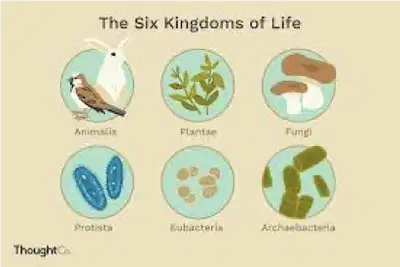
Kingdom
There are anywhere between 5-7 Kingdoms on Earth
The exact number is changing based on DNA Analysis
Archaebacteria
Eubacteria
Protista
Chromista
Fungi
Plantae
Animalia
12
Phylum
Phylum are determined by considering the general body plan of a group
36 animal phyla
Chordata: Has a spine
Mollusca: Mollusks
Arthropoda
Cnidaria: Jellyfish

13
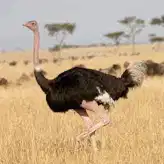
Class
Gets even more specific than Phylum
Based on the complexity of structures in organisms and life patterns
Examples in Phylum Chordata
Mammalia
Aves

14
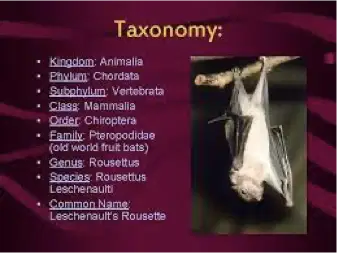
Order
Composed of species that share specific traits, and characteristics
Not just Physical Shape
Example for Class Mammal
Chiroptera: Bats
Primates
Carnivora
Cetacea
15
Family
All share one common trait inherited from a recent common ancestor

16
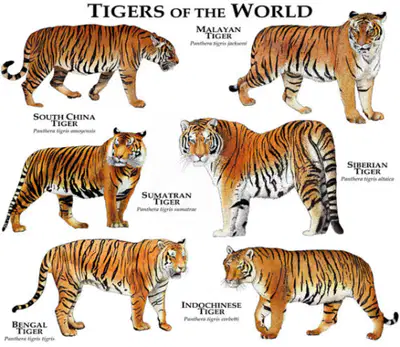
Genus & Species
Genus: More specific on shared characteristics
Species: The exact individual organism
can contain sub species that can still interbreed, but have very distinct differences
17
Scientific Names
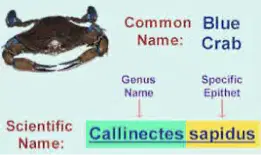
Binomial Nomenclature: The scientific name of an organism is made up of two parts written in Latin
The animal's Genus is the first part of a scientific name
Capitalized
The animal's Species is the second part of a scientific name
not capitalized
18
Multiple Choice
19
Multiple Choice
What is binomial nomenclature (naming)?
A two headed turtle
A two name naming system
A two grouped system to classify
A microscope with two lenses.
20
Multiple Choice
In a properly written scientific name, which part is written entirely in lowercase?
species
genus
phylum
family
21
Multiple Choice
22
Multiple Choice
Which binomial nomenclature is written correctly?
Marmota Monax
Marmota monax
marmota monax
marmota Monax
none of the answers are correct
23
Biodiversity Distribution
There are likely between 5 and 30 million species on Earth.
Biodiversity is often measured by the number of species
Species not evenly distributed along taxonomic groups
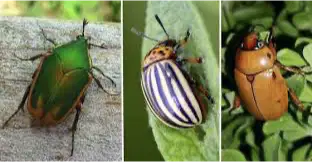
Insects are the largest group
40% are beetles
24
Biodiversity Distribution
Species can be difficult to find and identify.
Species are not evenly distributed globally, among taxonomic groups, or within a given geographic area.
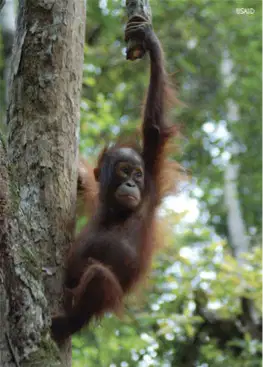
Latitudinal gradient: More biodiversity is found closer to the equator
In General: Species Diversity increases with the number of habitats
25
Stable Ecosystems
Stable ecosystems are resistant and resilient.
Resistant: Resist environmental change without losing function
Resilient: Affected by change, but bounce back and regain function
26
Ecosystem Services
Intact environments provide ecosystem services,
water purification
pest control
High biodiversity increases the stability of communities and ecosystems, enabling them to perform services.

27
Other Benefits of Biodiversity
Agriculture: Wild strains are cross-bred with related crops to transfer beneficial traits.
Wild plants can be bred with crops to increase productivity or resistance to pets
Ecotourism:
Environmentally responsible tourism is a source of income for many nations.
A vital source of income for countries like Costa Rica, Australia, Belize, and Kenya
Too many visitors can cause damage
28
Other Benefits of Biodiversity
Medicine:
Organisms contain compounds that are useful for treating disease
Rosey periwinkle used to treat cancer
Higher biodiversity has a dilution effect on disease
Lyme disease


29
Multiple Choice

In general, as you move from the poles to the equator, biodiversity...
Increases
Decreases
Remains the same
30
Multiple Choice

Why is biodiversity in an ecosystem so important?
Because it can help humans where to determine good places to develop farm land.
Because places that have a healthy biodiversity are unaffected by major disturbances.
Because having a high biodiversity allows ecosystems to withstand major changes.
Because having a high biodiversity allows for fewer opportunities of competition for similar resources.
31
Multiple Choice
Show answer
Auto Play
Slide 1 / 31
SLIDE
Similar Resources on Wayground

28 questions
9.1 Respiratory System
Presentation
•
11th - 12th Grade
22 questions
Tornado.
Presentation
•
KG - 12th Grade
24 questions
18-2 Volcanic Eruptions
Presentation
•
12th Grade
26 questions
Simple Harmonic Motion
Presentation
•
11th - 12th Grade
22 questions
Nuclear Power
Presentation
•
11th - 12th Grade
20 questions
Skeletal System
Presentation
•
12th Grade
22 questions
Nutrition and Metabolism
Presentation
•
12th Grade
23 questions
LEGO-Level 1 Lesson 1
Presentation
•
12th Grade
Popular Resources on Wayground
10 questions
How much do you know about our Portrait of an Eagle?

Quiz
•
10th Grade
10 questions
Fast Food Slogans
Quiz
•
6th - 8th Grade
21 questions
Continents and Oceans
Quiz
•
6th Grade
20 questions
Parts of Speech
Quiz
•
5th Grade
16 questions
Subject & Predicate
Quiz
•
5th Grade
25 questions
Multiplication Facts
Quiz
•
5th Grade
12 questions
Map Skills
Quiz
•
3rd Grade
22 questions
Continents and Oceans
Quiz
•
5th Grade
Discover more resources for Science
22 questions
Periodic Table Review
Quiz
•
9th - 12th Grade
7 questions
Newton's Laws Video Quiz

Interactive video
•
9th - 12th Grade
17 questions
Unit 3A: Cells Vocab
Quiz
•
9th - 12th Grade
89 questions
Unit 1 (Ch 2 & 3) Test Review - Water/Ocean Currents
Quiz
•
9th - 12th Grade
58 questions
Biomolecule Test Corrections
Quiz
•
9th - 12th Grade
20 questions
Unit 2: Cell Energy Review
Quiz
•
9th - 12th Grade
17 questions
Explore Newton's Laws of Motion
Quiz
•
8th - 12th Grade
35 questions
Directional Terms, Body Cavities, Body Planes
Quiz
•
11th - 12th Grade