Family & Consumer Science: 3.02 Food Science
Presentation
•
Life Skills
•
12th Grade
•
Practice Problem
•
Easy
Stacey Millar
Used 17+ times
FREE Resource
15 Slides • 17 Questions
1
Family & Consumer Science
Unit 3, Lesson 2: The Science of Food
Eating is something we do every day without much thought, but who would ever think that there is so much planning and care that goes into the preparation of the foods we eat and keeping us safe in the process?
2
Food Science incorporates and applies knowledge from biology, chemistry, nutrition and even engineering to safeguard, process, package, and distribute foods that are nutritious, wholesome, affordable, desirable and safe to eat.
What is Food Science?
3
4
Multiple Choice
Is this an example of food science?
Placing items at eye-level to increase sales.
Yes
No
5
Multiple Choice
Is this an example of food science?
Microwave popcorn pops into fluffy pieces.
Yes
No
6
Multiple Choice
Is this an example of food science?
Cake mix rises when you follow directions.
Yes
No
7
Multiple Choice
Is this an example of food science?
Choosing a location for the food label on packages.
Yes
No
8
Multiple Choice
Is this an example of food science?
Microwave pizza goes from frozen to crispy.
yes
No
9
Multiple Choice
Is this an example of food science?
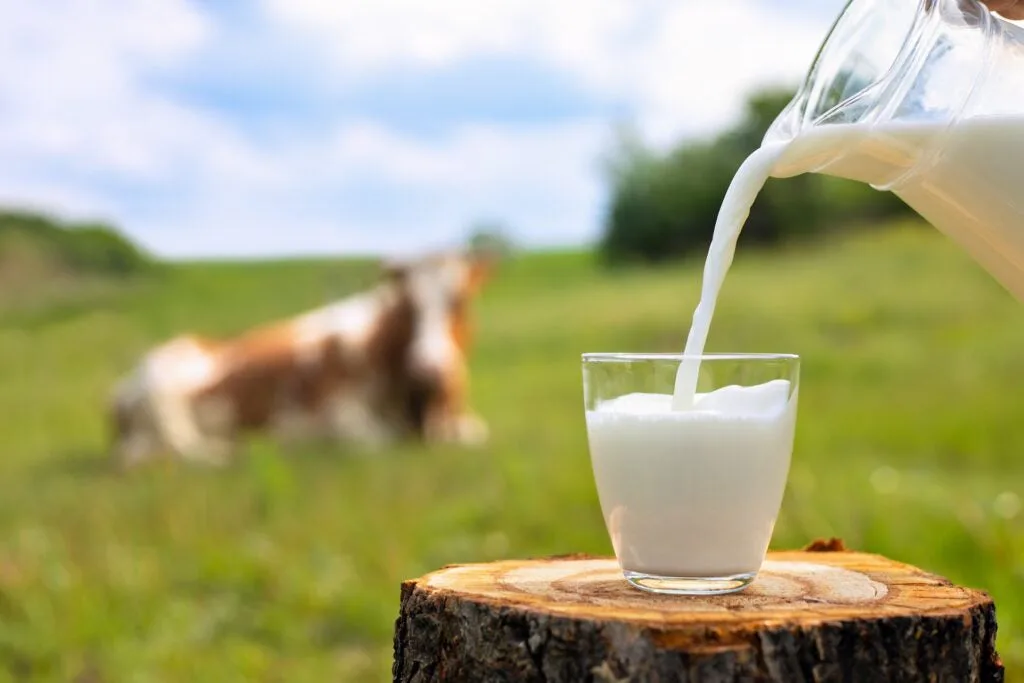
Milk is fresh until the expiration date.
Yes
No
10
Multiple Choice
Is this an example of food science?
The display of produce at the grocery store.
Yes
No
11
The History of Food
Yum!
Most of the advances in food science have happened in the last 100 years. Here are some key events in history leading up to how we use food today.!
12
The very first humans decided if a food was safe to eat by watching if other animals also ate the food. All foods were eaten raw. Humans were nomads who gathered what they could find to eat.
13
Multiple Choice
About 300,000 years ago, __________ were the first to use fire to cook food.
Monkeys
Kromagnum
Neanderthals
Aliens
14
Fire!!
This increased the variety of foods eaten since many foods such as wheat, barley, rice, millet, rye and potatoes require cooking before they are fit for consumption.
15
What did prehistoric humans eat?
16
More ancient food trivia!
About 5,000 B.C., during the Mesopotamian era, meats were dried, smoked or salted for safekeeping.
About 3100 B.C., Egyptians constructed silos to preserve grain.
17
Food Quality
Preservation techniques impact the taste and texture of food.
18
Fill in the Blanks
Before electric refrigeration food was frequently preserved with ice, salt, and or
19
Multiple Choice
The state of the food changes but no new substances are produced. The new food has the same properties as the old food.
Physical Change
Chemical Change
Physiochemical Change
20
Melting chocolate is an example of a physical change. Listen for 3 minutes...
21
Multiple Choice
Caramelizing sugar is an example of a chemical change.
True
False
22
Multiple Choice
Change in both the physical characteristics of the food and the chemical composition of the food.
Physical Change
Chemical Change
Physiochemical Change
None of these
23
Multiple Choice
When you roast pine nuts in the oven, they turn brown and the flavor is changed.
This is an example of...
Physical Change
Chemical Change
Physiochemical Change
No Change
24
Multiple Choice
An English muffin is toasted and turns slightly brown.
This is an example of a ...
Chemical Change
Physical Change
Physiochemical Change
No Change
25
Multiple Choice
Meringue, the stiff white peaks that egg white forms on the top of a pie or for meringue cookies, is an example of which type of change?
Chemical
Physical Change
Physiochemical Change
No Change
26
Multiple Choice
Peeling a kiwi fruit before you eat it is an example of what type of change?
Physical Change
Chemical Change
Physiochemical Change
No Change
27
Engineering New Foods is...
...using a manufacturing or processing technique to change the food.
Why?
To make the food safe to eat for someone who is lactose intolerance to an ingredient.
Example: Removing lactose from skim milk makes the milk better to drink for someone who cannot digest lactose.
28
Multiple Choice
People with Celiac disease (or gluten sensitive) could eat a bagel made without gluten.
yes
no
29
Functional Foods:
Foods that offer additional health benefits that may promote better health or reduce the risk of disease.
30
Genetically Altered Foods
Genetic alteration or engineering of foods is a form of biotechnology, and is one way to change the foods we eat.
31
Listen to the video for at least 5 minutes.
32
Please take the live session quiz for the week of Oct. 20th
Family & Consumer Science
Unit 3, Lesson 2: The Science of Food
Eating is something we do every day without much thought, but who would ever think that there is so much planning and care that goes into the preparation of the foods we eat and keeping us safe in the process?
Show answer
Auto Play
Slide 1 / 32
SLIDE

Similar Resources on Wayground
23 questions
Ice Breaker
Presentation
•
12th Grade
26 questions
Metric System Conversions
Presentation
•
11th - 12th Grade
24 questions
Synthetic Division
Presentation
•
11th - 12th Grade
25 questions
Pengayaan 2 (Reading Materials)
Presentation
•
12th Grade
23 questions
IB ESS Topic 2.1 Species and Populations
Presentation
•
12th Grade
22 questions
Harrison Bergeron
Presentation
•
12th Grade
24 questions
T2.C4.2 | Speaker’s Profile | Interaction
Presentation
•
11th Grade
Popular Resources on Wayground
10 questions
How much do you know about our Portrait of an Eagle?
Quiz
•
10th Grade
10 questions
Fast Food Slogans
Quiz
•
6th - 8th Grade
21 questions
Continents and Oceans
Quiz
•
6th Grade
20 questions
Parts of Speech
Quiz
•
5th Grade
16 questions
Subject & Predicate
Quiz
•
5th Grade
25 questions
Multiplication Facts
Quiz
•
5th Grade
12 questions
Map Skills
Quiz
•
3rd Grade
22 questions
Continents and Oceans
Quiz
•
5th Grade
Discover more resources for Life Skills
20 questions
Budgeting
Quiz
•
9th - 12th Grade
20 questions
Investing
Quiz
•
9th - 12th Grade
20 questions
Career
Quiz
•
9th - 12th Grade
20 questions
Kitchen Tools & Equipment
Quiz
•
8th - 12th Grade
20 questions
Taxes
Quiz
•
9th - 12th Grade
20 questions
Paying for College
Quiz
•
9th - 12th Grade
35 questions
Dave Ramsey Chapter 3 - Budgeting
Quiz
•
11th - 12th Grade
20 questions
Types of Credit
Quiz
•
9th - 12th Grade