Search Header Logo
8.9.2-Earth's Motion

8.9.2-Earth's Motion

Assessment

Presentation

Mathematics

9th Grade

Medium

Created by

Jessica Freeman

Used 4+ times

FREE Resource

27 Slides • 65 Questions

1

media

Chapter 9
Sun-Earth-Moon
Systems
8.9.2-Earth's Motion


Mrs. Freeman's Classroom (notes to print)

2

The Moon

All about Earth's natural satellite!

media

3

What do you ALREADY know

about the moon?

Anything at all!?!

media

4

Open Ended

Question image

What do you already know about the moon?

5

Open Ended

Question image

What do you WANT to know about the moon?

Do you have any questions?

6

Some Facts about the Moon!

  • The moon is a large natural satellite of Earth

  • The moon is made of rock and metal (like the terrestrial planets)

  • The moon formed when a Mars-sized object collided with Earth

  • The moon is larger than Pluto (and almost as big as Mercury)

  • Humans first went to the moon in 1969

  • ... and haven't gone again since 1972.

7

Multiple Choice

What year did humans first land on the moon?

1

1963

2

1969

3

1972

4

1989

8

Multiple Choice

Tricky Question: What year did humans LAST land on the moon?

1

1963

2

1972

3

1997

4

2012

9

Multiple Choice

Question image

What is the moon made out of?

1

dense gases

2

rock and metal

3

rock and ice

4

cheese

10

How the moon

was made:

An object about the size of Mars collided with the Earth, knocking tons of debris into space. Gravity collected the debris into a large mass known as the moon.

media

11

12

Multiple Select

According to the video, which minerals are found on the moon?

(select all that apply!)

1

Silicon

2

Magnesium

3

Oxygen

4

Iron

13

Multiple Choice

Question image

How old is the moon?

1

4.5 million years

2

4.5 billion years

3

6.8 million years

4

100 million years

14

15

The moon

  • The moon does not produce any light on its own.

  • The light we see coming from the moon is actually light reflected from the sun, kind of like a mirror.

  • The part of the moon that we see is the part that is receiving light from the sun at that time

media

16

Multiple Choice

The moon is visible to us because light is hitting it from the _____.

1

Earth

2

Sun

3

Moon

17

The Sun's Light

  • The sun is the strongest source of light in our solar system.

  • Every moon and planet that is visible in our solar system is reflecting light from the sun.

  • The reflected light enters our eyes and that is what allows us to see.

media

18

The Moon's Phases

  • As the moon orbits the Earth, we can see a different amount of the moon is lit by the sun from our perspective on Earth.

  • Sometimes the moon is completely lit, and other times it is completely dark.

  • This happens because the Moon is orbiting the Earth, just like the Earth is orbiting the Sun

media

19

Fill in the Blank

The word Month comes from the measure of the phases of the __________.

20

media

21

media

22

media

23

Fill in the Blank

The face of the Moon is actually large, dark basaltic plains called__________or Lunar Seas.

24

What is the Moon Like?

  • The moon has many unusual structures.

  • Dark, flat areas called Maria are hardened rock formed from huge lava flows that occurred 3-4 billion years go.

  • The singular form of maria is mare.

  • Large round pits called craters can be hundreds of km across.

25

Multiple Choice

Dark, flat areas called ________ are hardened rock formed from huge lava flows that occurred 3-4 billion years go.

1

Maria

2

Craters

3

Holes

26

Multiple Choice

Large round pits called _________ can be hundreds of km across.

1

Maria

2

Craters

3

Holes

27

Multiple Choice

Some of the light-colored features you can see on the moon’s surface are ____________, or mountains.

1

highland

2

lowlands

3

canyons

28

What is the Moon Like?

  • The moon is smaller and less dense than Earth.

  • It’s diameter is about one fourth of Earth’s diameter.

  • It has only one eightieth as much mass as Earth.

29

Multiple Select

The moon is ________ and _____ dense than Earth.

1

smaller

2

less

3

more

4

larger

30

What is the Moon Like?

  • Temperatures on the moon vary greatly because the moon does not have an atmosphere.

  • The moon’s surface gravity is so weak that gases can easily escape into space.

  • The moon has no liquid water.

  • However, there may be patches of ice near the moon’s poles.

31

Multiple Choice

Why does the moon vary in temperature?

1

The moon doesn't have an atmosphere

2

The moon does have an atmosphere

3

The moon doesn't have an breathable oxygen

32

What is the Moon Like?

  • Scientists have suggested many possible theories for how the moon formed.

  • The collision-ring theory seems best to fit the evidence.

  • This theory holds that a planet-sized rocky object collided with Earth to form the moon.

33

Multiple Choice

What theory holds that a planet-sized rocky object collided with Earth to form the moon?

1

collision-ring theory

2

ring-collision theory

34

What is the Moon Like?

  • Materials from the object and Earth’s outer layers was ejected into object around Earth, where it formed a ring.

  • Gravity caused this material to clump together to form the moon.

35

Multiple Select

The moon is _____ and ________ and has in irregular surface.

1

dry

2

airless

3

arid

36

Multiple Select

Compared to Earth, the moon is __________ and has large variations in its surface ______________.

1

small

2

temperature

3

large

4

area

37

Multiple Choice

Dark, flat areas called ________ are hardened rock formed from huge lava flows that occurred 3-4 billion years go.

1

Maria

2

Craters

3

Holes

38

Multiple Choice

Large round pits called _________ can be hundreds of km across.

1

Maria

2

Craters

3

Holes

39

Multiple Choice

Some of the light-colored features you can see on the moon’s surface are ____________, or mountains.

1

highland

2

lowlands

3

canyons

40

Multiple Select

The moon is ________ and _____ dense than Earth.

1

smaller

2

less

3

more

4

larger

41

Multiple Choice

Why does the moon vary in temperature?

1

The moon doesn't have an atmosphere

2

The moon does have an atmosphere

3

The moon doesn't have an breathable oxygen

42

Multiple Choice

Why can gases easily escape the moon?

1

Surface gravity is weak

2

Surface gravity is strong

43

Multiple Choice

What theory holds that a planet-sized rocky object collided with Earth to form the moon?

1

collision-ring theory

2

ring-collision theory

44

Moon Phases

media

45

media

46

Multiple Choice

Question image
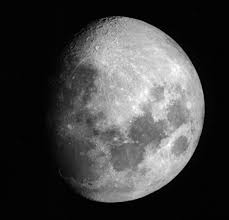
Name the moon phase
1
waning crescent
2
waxing crescent
3
waning gibbous
4
waxing gibbous

47

Multiple Choice

Question image

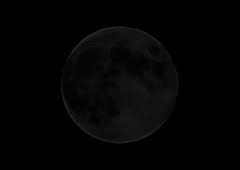
Name the moon phase

1

First Quarter

2

Third Quarter

3

New Moon

4

Full Moon

48

Multiple Choice

Question image

Name the moon phase

1

First Quarter

2

Third Quarter

3

New Moon

4

Full Moon

49

Multiple Choice

Question image

Name the moon phase

1

First Quarter

2

Third Quarter

3

New Moon

4

Full Moon

50

Multiple Choice

Question image

Name the moon phase

1

waning crescent

2

waxing crescent

3

waning gibbous

4

waxing gibbous

51

Multiple Choice

Question image

Name the moon phase

1

First Quarter

2

Last Quarter

3

New Moon

4

Full Moon

52

Multiple Choice

Question image

Name the moon phase that would come AFTER this moon.

1

waning crescent

2

waxing crescent

3

waning gibbous

4

waxing gibbous

53

Multiple Choice

Question image

When the lit part of the moon is getting smaller, we call that ...

1

Waxing

2

Waning

54

Multiple Choice

Question image

Waxing means...

1

Growing

2

Dying

3

Losing light

4

Moving

55

media

56

Multiple Choice

Question image

What is the missing lunar phase?

1

Third Quarter

2

Waxing Crescent

3

New Moon

4

Waning Gibbous

57

Multiple Choice

Question image

Which lunar phase is occurring at S?

1

New Moon

2

Full Moon

3

waning crescent

4

waxing crescent

58

Multiple Choice

Question image

What is the missing phase?

1
2
3
4

59

Multiple Choice

Question image

What is the missing phase?

1
2
3
4

60

Multiple Choice

Question image

What is the missing phase?

1
2
3
4

61

Multiple Choice

What causes the phases of the moon?

1

Earth's revolution around the sun

2

the moon's revolution around Earth

3

Earth's movement around the moon

4

the sun's movement around the moon

62

Multiple Choice

Question image

Name the moon phase

1

waning crescent

2

first quarter

3

waning gibbous

4

waxing gibbous

63

Multiple Choice

What is the correct order of the moon phases?

1

new, full, 1st quarter, 3rd quarter

2

new moon, 1st quarter, full moon, 3rd quarter

3

1st quarter, 3rd quarter, new moon, full moon

4

new, 1st quarter, 3rd quarter, full

64

Multiple Choice

Question image

Which moon phase is shown in this diagram?

1

new moon

2

1st quarter

3

full moon

4

3rd quarter

65

Multiple Choice

Question image
What phase is this?
1
Waning Gibbous Moon
2
Waxing Gibbous Moon
3
Waning Crescent Moon
4
Waxing Crescent Moon

66

Multiple Choice

Question image

Which moon phase is shown in this diagram?

1

new moon

2

first quarter

3

full moon

4

3rd quarter

67

media

68

Multiple Choice

Question image

What moon would you expect to see on March 23rd?

1
2
3
4

69

Multiple Choice

Question image

If the last full moon was on April 4th, when can you expect to see the next full moon?

1

April 29th

2

July 4th

3

May 4th

4

September 12th

70

Multiple Choice

Question image

Which lunar phase will complete the pattern?

1

Last quarter

2

New moon

3

Full moon

4

Waxing gibbous

71

Multiple Choice

Question image

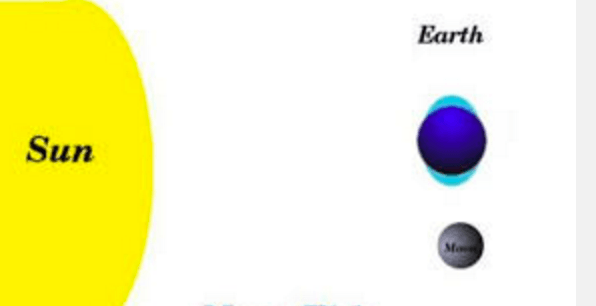
Which lunar phase is visible when the moon is in this position?

1

New moon

2

Full moon

72

Multiple Choice

Question image

Use the calendar to predict the moon phase on March 9th.

1

New Moon

2

Full Moon

3

Third Quarter

4

First Quarter

73

Multiple Choice

The cycle of the moon lasts about a _.

1

day

2

year

3

week

4

month

74

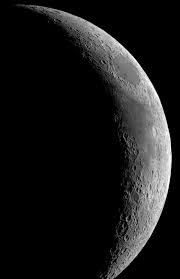
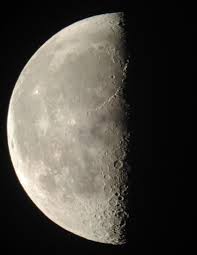
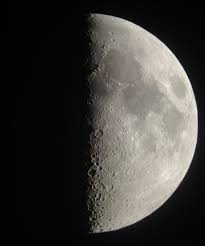
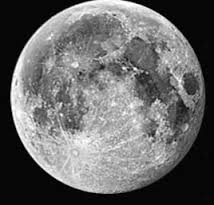
Order of the Lunar Cycle

New Moon: the near side of the moon is unlit and there appears to be no moon in the sky

Waxing: the moon at any time after a new moon and before a full moon

Waning: the moon at any time after a full moon and before a new moon

Crescent: the figure of the moon in it first or last quarter, resembling a segment of a ring or croissant, tapering at the ends

Gibbous: having the illuminated part of the moon greater

than a semicircle and less than a circle

Quarter: 50% of the moon illumination is visible

Full: occurs when the moon is completely illuminated

media

75

How we see the Moon

  • From Earth

media

76

How we see the moon?

  • From Space

media

77

media

78

Multiple Choice

The 1st Quarter moon is lit on the:
1
Left Side
2
Right Side

79

Multiple Choice

Question image
Name the moon phase
1
Waning Crescent
2
Waxing Crescent
3
Waning Gibbous
4
Waxing Gibbous

80

Multiple Choice

Define Gibbous
1
Less than half of moon visible
2
More than half of moon visible
3
All of moon visible
4
None of moon visible

81

Multiple Choice

Changes in the moon's appearance are
1
phases
2
eclipses
3
stages
4
cycle

82

Multiple Choice

The cycle of the moon lasts about a _.
1
day
2
year
3
week
4
month

83

Multiple Choice

Which moon phase is when you can't see the moon at all?
1
Waning crescent
2
Full moon
3
Waxing gibbous
4
New moon

84

Multiple Choice

What is illuminating the Moon?
1
Nuclear Fusion
2
Sunlight
3
Mirrors
4
Flood Lights

85

Multiple Choice

Question image
Name the phase of the moon for letter f
1
Waning Gibbous
2
Waxing Gibbous
3
Waning Crescent
4
Waxing Crescent

86

Multiple Choice

Question image
Name the phase of the moon for letter a
1
First Quarter
2
Last Quarter
3
Waxing Gibbous
4
Waning Gibbous

87

Multiple Choice

Question image
Name the moon phase
1
First Quarter
2
Last Quarter
3
New Moon
4
Full Moon

88

Multiple Choice

Question image
Name the moon phase
1
First Quarter
2
Last Quarter
3
New Moon
4
Full Moon

89

Multiple Choice

Question image
Name the moon phase
1
First Quarter
2
Last Quarter
3
New Moon
4
Full Moon

90

Multiple Choice

Question image
Name the moon phase
1
waning crescent
2
waxing crescent
3
waning gibbous
4
waxing gibbous

91

Multiple Choice

Question image
Name the moon phase
1
waning crescent
2
waxing crescent
3
waning gibbous
4
waxing gibbous

92

Percentage of Illumination

How much of the side of the moon that we see

media
media

Chapter 9
Sun-Earth-Moon
Systems
8.9.2-Earth's Motion


Mrs. Freeman's Classroom (notes to print)

Show answer

Auto Play

Slide 1 / 92

SLIDE