

Evidence of Evolution Notes

Presentation
•
Science
•
9th - 12th Grade
•
Medium
+1
Standards-aligned

Adrienne Aguilar
Used 117+ times
FREE Resource
16 Slides • 11 Questions
1

2
A scientific theory explains why something happens in nature and is supported by lots and lots of evidence.

Theory of Evolution-Change over Time
3
Charles Darwin and many other scientists contributed to the development of this theory that explains how organisms change over generations to best thrive in the environment they live in.

Theory of Evolution-Change over Time
4
A fossil is any preserved remains, impression, or trace of an organism from the past.


5
How Fossils Supports Theory of Evolution
Fossils provide a snapshot of the past
Fossils can directly show how a species has changed over time
Oldest fossils are on the bottom layers of the Earth's crust giving us an idea of what time period they lived.

6
Comparative Anatomy looks at similarities/differences within structures/parts of an organism
There are 3 main categories (to be discussed on next slides):
1. Vestigial Structures
2. Homologous Structures
3. Analogous Structures

7
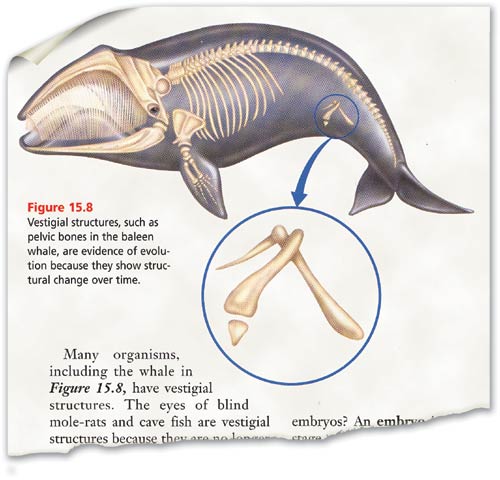
Vestigial Structures:
Structures or features that many living organisms have, but no longer serve their original purpose due to evolutionary changes.
How it supports? They are "leftovers" from a past common ancestor. Used the hypothesize relationships among species.


8
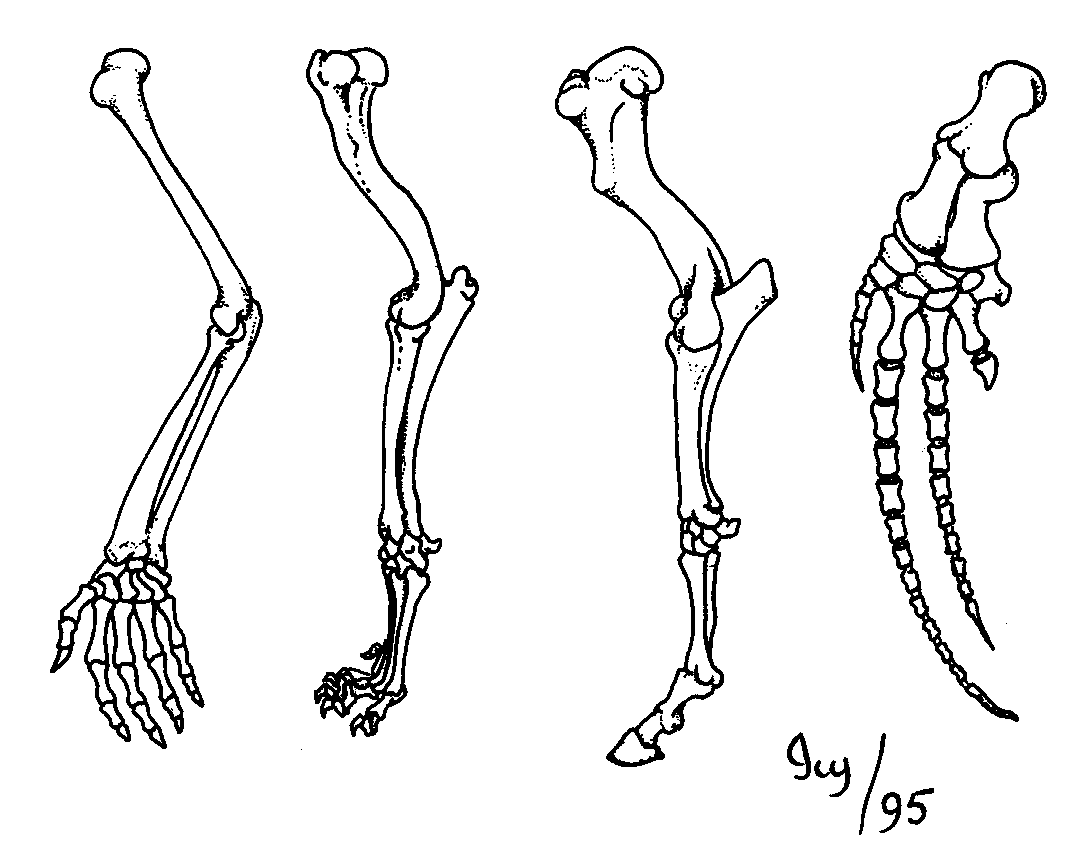
Homologous Structures:
Features that are similar in structure but have different functions in different organisms
How it Supports? Scientists theorize that animals with similar structures likely evolved from a common ancestor

9
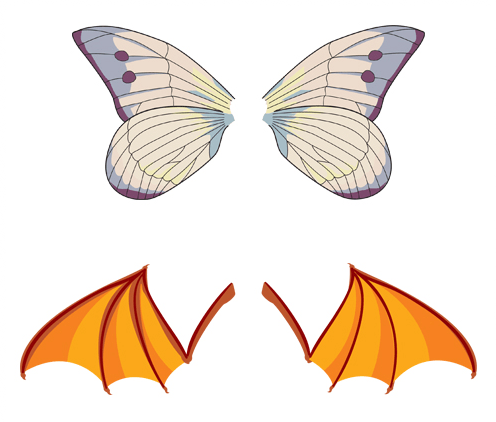
Analogous Structures:
A structure that perform a similar function but do NOT have a similar origin.
How it supports? These types of structures evolve differently and usually in response to best suit the environment the organism lives in.

10
A branch if science that compares and contrasts embryos of different species and the patterns of their development.
An embryo is an early stage of development of an organisms
This line of evidence is "newer" because of recent technological advances

11
How Comparative Embryology Supports Theory of Evolution
All vertebrate (organisms with a backbone) embryos develop in identical patterns to produce tissues and organs
Similar patterns of embryological development provide evidence that organisms evolved from a common ancestor

12
Biogeography is the study of the distribution of organisms on Earth today and over time.

13
How Biogeography Supports Theory of Evolution
Patterns of distribution of fossils (where the fossils are found) tell us how organisms evolved from ancestors
Today, most species on the same continent are more closely related than organisms on different continents.

14
DNA sequences can be used to determine how closely related organisms are to each other.

15
Remember, all living things on Earth share the same universal code in DNA and RNA molecules

16
How Molecular Biology Support Theory of Evolution
Species with similar DNA sequences share a more recent common ancestor and are more closely related
This line of evidence is "newer" because of recent technological advances

17
Multiple Choice
18
Multiple Choice

19
Multiple Choice

20
Multiple Choice
21
Multiple Choice
22
Multiple Choice

The picture shows a/an ___________
homologous structure
vestigial structure
23
Multiple Choice
What is this an example of?
Homologous structure
Analogous structure
Vestigial organs
Functional adaption
24
Multiple Choice
25
Multiple Choice

26
Multiple Choice
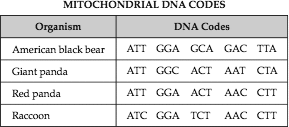
What conclusions can be made based on this table shown?
the American black bear and the giant panda are most closely related
the giant panda and the red panda are most closely related
the red panda and the racoon are the most closely related
the giant panda and the racoon are most closely related
27
Multiple Choice
Show answer
Auto Play
Slide 1 / 27
SLIDE
Similar Resources on Wayground

19 questions
Unit 12- Work and Machines
Presentation
•
9th - 12th Grade
19 questions
Char of Life Review and Intro to Viruses and Bacteria
Presentation
•
9th - 12th Grade
21 questions
1.9 Carbon
Presentation
•
9th - 12th Grade
20 questions
Introduction to Wave pt 3: EM vs Mechanical Waves
Presentation
•
9th - 12th Grade
21 questions
Chromosomal Mutations
Presentation
•
9th - 12th Grade
22 questions
Mutations
Presentation
•
9th - 12th Grade
19 questions
Biomes Intro
Presentation
•
9th - 12th Grade
19 questions
AP CSP Unit 6 Review 1
Presentation
•
9th - 12th Grade
Popular Resources on Wayground
10 questions
How much do you know about our Portrait of an Eagle?

Quiz
•
10th Grade
10 questions
Fast Food Slogans
Quiz
•
6th - 8th Grade
21 questions
Continents and Oceans
Quiz
•
6th Grade
20 questions
Parts of Speech
Quiz
•
5th Grade
16 questions
Subject & Predicate
Quiz
•
5th Grade
25 questions
Multiplication Facts
Quiz
•
5th Grade
12 questions
Map Skills
Quiz
•
3rd Grade
22 questions
Continents and Oceans
Quiz
•
5th Grade
Discover more resources for Science
10 questions
Exploring Chemical and Physical Changes

Interactive video
•
6th - 10th Grade
20 questions
Atomic Structure
Quiz
•
9th Grade
10 questions
Decoding the Periodic Table of Elements
Interactive video
•
6th - 10th Grade
10 questions
Exploring the Periodic Table
Interactive video
•
6th - 10th Grade
14 questions
Physical and Chemical Changes
Quiz
•
10th Grade
22 questions
Periodic Table Review
Quiz
•
9th - 12th Grade
20 questions
Observation vs. Inference
Quiz
•
7th - 9th Grade
14 questions
Periodic Trends
Interactive video
•
11th Grade