Search Header Logo
untitled

untitled

Assessment

Presentation

Science

Practice Problem

Easy

Created by

Phylippe Eliassaint

Used 4+ times

FREE Resource

118 Slides • 60 Questions

1

media
media
media
media

​Embryos develop inside the female plant.

Embryo Development

The cuticle helps prevent water loss.

​The stomata prevent water loss and allow gas exchange.

Cuticle & Stomata

These are like the veins and arteries of the plant, and they allow plants to be really tall.​

Vascular Tissue

​Replace this with your body text. Have a nice day. Happy teaching!

Seasonal Changes

Plant Adaptations

2

Multiple Select

What do plants need to go through photosynthesis? (Pick 2)

1

Carbon Dioxide

2

Oxygen

3

Sugar

4

Sunlight

3

media
  • Eukaryotic

  • Multicellular

  • Photosynthetic

Plant Characteristics

4

Multiple Select

Which kingdoms contain multicellular organisms? (Pick 2)

1

bacteria

2

archaebacteria

3

protista

4

fungi

5

Species Interactions

media

6

media

7

media

8

media

9

media

10

Multiple Choice

An organism that is killed and eaten by another organism
1
Predator
2
Prey
3
Competition
4
Adaptation

11

Multiple Choice

Which of the following would be considered to be prey?

1

an animal that has to hunt for its food

2

an animal that is eaten by another animal

3

an organism that makes it own food

4

an organism that feeds on the blood of another animal

12

media

13

media

14

media

15

media

16

media

17

media

18

media

19

media

20

Multiple Choice

Question image

Some butterflies have spots on their wings that look like snake eyes. This is called

1

A pretty butterfly

2

Instinct

3

camouflage

4

mimicry

21

Multiple Choice

Which picture is NOT an example of camouflage?

1
2

22

Multiple Choice

Which picture is NOT an example of camouflage?

1
2

23

media

24

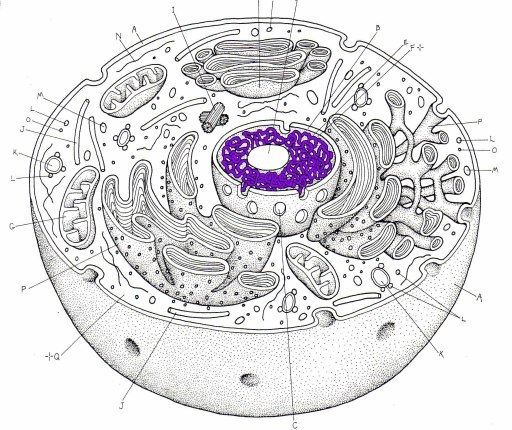
media

25

media

26

media

27

media

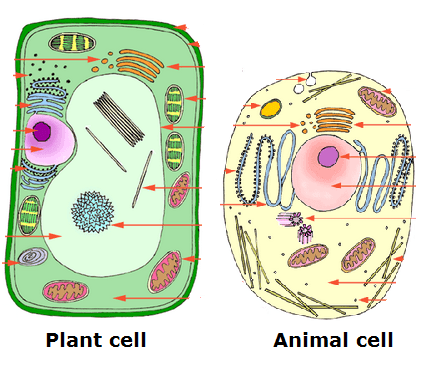
28

media

29

media

30

media

31

media

32

media

33

media

34

media

35

media

36

media

37

media

38

media

39

media

40

media

41

media

42

media

43

media

44

media

45

media

46

media

47

media

48

Multiple Choice

How many types of symbiosis are there?
1
5
2
7
3
3
4
If you pick this you're silly
1000

49

Multiple Choice

Question image
A relationship in which two species live closely together.
1
resource
2
mutualism
3
succession
4
symbiosis

50

Multiple Choice

Barnacles create home sites by attaching themselves to whales. This neither harms nor benefits the whales.  What kind of relationship is this?
1
Mutualism 
2
Parasitism 
3
Commensalism 

51

Multiple Choice

A relationship between two organisms in which both organisms benefit. 
1
Mutualism 
2
Competition
3
Parasitsm 
4
Commensalism 

52

Multiple Choice

A relationship between two organisms in which one organism benefits and the other is unharmed
1
Mutualism 
2
Competition
3
Parasitsm 
4
Commensalism 

53

Multiple Choice

A tapeworm and a cat have this type of relationship.
1
mutualism
2
parasitism
3
commensalism
4
competition

54

Multiple Choice

A relationship between two species where one benefits while the other is harmed.
1
Mutualism
2
Commensalism
3
Parasitism
4
Naturalism

55

Species Interactions

media

56

media

57

media

58

media

59

media

60

Multiple Choice

An organism that is killed and eaten by another organism
1
Predator
2
Prey
3
Competition
4
Adaptation

61

Multiple Choice

Which of the following would be considered to be prey?

1

an animal that has to hunt for its food

2

an animal that is eaten by another animal

3

an organism that makes it own food

4

an organism that feeds on the blood of another animal

62

media

63

media

64

media

65

media

66

media

67

media

68

media

69

media

70

Multiple Choice

Question image

Some butterflies have spots on their wings that look like snake eyes. This is called

1

A pretty butterfly

2

Instinct

3

camouflage

4

mimicry

71

Multiple Choice

Which picture is NOT an example of camouflage?

1
2

72

Multiple Choice

Which picture is NOT an example of camouflage?

1
2

73

media

74

media

75

media

76

media

77

media

78

media

79

media

80

media

81

media

82

media

83

media

84

media

85

media

86

media

87

media

88

media

89

media

90

media

91

media

92

media

93

media

94

media

95

media

96

media

97

media

98

Multiple Choice

How many types of symbiosis are there?
1
5
2
7
3
3
4
If you pick this you're silly
1000

99

Multiple Choice

Question image
A relationship in which two species live closely together.
1
resource
2
mutualism
3
succession
4
symbiosis

100

Multiple Choice

Barnacles create home sites by attaching themselves to whales. This neither harms nor benefits the whales.  What kind of relationship is this?
1
Mutualism 
2
Parasitism 
3
Commensalism 

101

Multiple Choice

A relationship between two organisms in which both organisms benefit. 
1
Mutualism 
2
Competition
3
Parasitsm 
4
Commensalism 

102

Multiple Choice

A relationship between two organisms in which one organism benefits and the other is unharmed
1
Mutualism 
2
Competition
3
Parasitsm 
4
Commensalism 

103

Multiple Choice

A tapeworm and a cat have this type of relationship.
1
mutualism
2
parasitism
3
commensalism
4
competition

104

Multiple Choice

A relationship between two species where one benefits while the other is harmed.
1
Mutualism
2
Commensalism
3
Parasitism
4
Naturalism

105

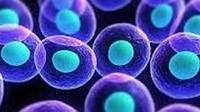
Cells

the basic building block of all living things

media

106

Building blocks

people are made of millions of cells just like a building is made of brick.

media

107

Multiple Choice

Which of these shows a cell?

1
2
3

108

organism

A living thing - a person, a plant, or a unicellular thing

What kind of organisms do you see in this picture?

media

109

Multiple Choice

Which of the following is not an organism?

1

water

2

dog

3

tree

110

unicellular

means one cell - some examples are amoebas, bacteria, plankton, flagella, paramecium, and euglena

Unicellular organisms can live by themselves. they can do everything within the one cell to live

media

111

Unicellular example

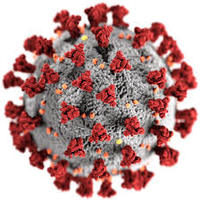
Bacteria or viruses from a sneeze can "live" on a table and make other people sick

media

112

Multiple Choice

Which of the following is unicellular?

1
2
3

113

multicellular

means made of many cells - some examples are people, plants, animals, and fungi (decomposers)

Multicellular organisms' cells can not stay alive by itself. It needs all the other cells in the organism.

What multicellular organisms do you see in this picture?

media

114

Multicellular example

A skin cell can not stay alive if it is brushed off of the body. A cell from heart tissue can not live by itself.

media

115

Multiple Select

Which of the following are multicellular?

1
2
3
4

116

Tissue

Tissue is a group of similar cells that work together

media

117

organ

a group of tissues that work together to do a job

media

118

organ system

a group of organs that work together to do a job

media

119

Multiple Choice

The building blocks of all life are called

1

cells

2

telephones

3

water

120

Multiple Choice

A group of similar cells is called...

1

water

2

air

3

tissue

121

Multiple Choice

A group of tissues that work together is called...

1

organ

2

piano

3

puppy

122

Multiple Choice

A group of organs that work together to do a job are called..

1

system

2

school

3

car

123

Poll

Do you understand cells?

yes!!

no!!

a little

124

media

125

Multiple Choice

The process of photosynthesis is to make glucose for energy. What is the chemical formula for glucose?

1

H20

2

CO2

3

C6H12O6

4

O2

126

media

127

media

128

cells

media

129

Multiple Choice

Every living organism is made up of one or more cells
1
True
2
False

130


  1. Cell that have    

          membrane-bound organelles

¨Called Eukaryotic Cells         

2. Cells that do not have membrane-bound organelles

¨called prokaryotic cells

nUnicellular organisms such as bacteria are examples of prokaryotes.

131

Eukaryotic cells-

¨Cells that contain organelles which are held together by membranes

¨Examples include plant and animal cells.

132

Eukaryotic Cell Structure

The plasma membrane/cell membrane

¨ the flexible boundary of a cell

¨separates a cell from its surroundings

133

Multiple Choice

Question image
What kind of cell is this?
1
Eukaryotic
2
Prokaryotic

134

Plasma Membrane/Cell Membrane continued:

allows nutrients to enter the cell and waste to be removed


¨This is referred to as selective permeability. *(Selective=Chooses, Permeability=filter through)*

¨

keeping a healthy balance of nutrients and water within the cell is called homeostasis

135

Multiple Choice

Which of the following is not a characteristic of a Prokaryotic cell?
1
unicellular
2
floating DNA
3
very small
4
complex

136

Multiple Choice

Question image

This cell has a nucleus, that means it is ...

1

Prokaryotic

2

Eukaryotic

137

Eukaryotic plant cell

Plant cells are also Eukaryotic cells, but plant cells contain some organelles that are not found in animal cells

138

Multiple Choice

Question image

Which type of cell is this?

1

Prokaryotic

2

Eukaryotic

139

Multiple Choice

Question image

Which type of cell is this?

1

Eukaryotic

2

Prokaryotic

140

Multiple Choice

Question image

What type of cell is this?

1

Prokaryotic

2

Eukaryotic

141

Cells and Cell Theory

Life Science Review

media

142

Multiple Choice

Question image

Cellular Respiration occurs within me and I am in BOTH plant and animal cells. I am a....

1

Nucleus

2

Golgi Body

3

Cytoskeleton

4

Mitochondria

143

Multiple Select

Question image

What distinguishes a plant cell from an animal cell? (How do you tell them apart) Hint: There's 3 ways (Check all 3)

1

Central Vacuole

2

Mitochondria

3

Cell Wall

4

Ribosomes

5

Chloroplasts

144

Multiple Select

Question image

What distinguishes a plant cell from an animal cell? (How do you tell them apart) Hint: There's 3 ways (Check all 3)

1

Central Vacuole

2

Mitochondria

3

Cell Wall

4

Ribosomes

5

Chloroplasts

145

media

146

media

147

media

148

Multiple Choice

Question image

The 3 parts of the Cell Theory are...?

1

All living things are composed of cells

Cells are the basic units of structure and function in living things

All cells are produced from other cells

2

All living things are composed of cells

Cells are the basic units of dance and vibes in living things

All cells are destroyed from other aliens

3

All living things are composed of Jell-O

Cells are the basic units of structure and function in living things

All cells are produced from factories in Canada

4

All living things are composed of cells

Cells do karate and practice eating whole pies in their free time

All cells are produced from other cells

149

media

150

media

Like a barrier... separates the cell from the outside environment

media

151

media

The director

media

152

media

153

media

154

Now it's YOUR Turn!

Please begin working on pages 2-5 in your Life Science Workbooks

media

155

Multiple Choice

Question image

From SIMPLE to COMPLEX, what was the correct order for the structural organization of the organism in part 1?

1

2345617

2

1354627

3

1254637

4

1245672

156

Use this information as a STUDY GUIDE...

  • Review the statements of the CELL THEORY.

  • Match the correct statement to one of the components of the cell theory.

  • A-3, B-1, C-2

  • 1-A, 2-A

media

157

Multiple Choice

Question image

I decide what goes in and out of the cell. I am fluid like and found in BOTH plant and animal cells. I am a...

1

Cell Wall

2

Cell Membrane

3

Cytoplasm

4

Golgi Apparatus

158

Multiple Choice

Question image

I am the "brain" of the cell or the "control center" for everything happening within the cell. I am a...

1

Golgi Body/Apparatus

2

Nucleus

3

Ribosome

4

Lysosome

159

Pg 4: Life Science Booklet

  • 3-B

  • Nucleus-Controls ALL the activities of the cell (BOTH)

  • Cell Membrane-Allows certain things in & out of the cell (BOTH)

  • Vacuoles- Stores water and other nutrients: BOTH (but plants have a larger vacuole)

  • Mitochondria-Breaks down food to product energy. (BOTH)

media

160

Multiple Choice

Question image

I like to be thought of as the "storage bubble" for both plant and animal cells. I am a...

1

Cell Membrane

2

Cytoskeleton

3

Vacuole

4

Endoplasmic Reticulum

161

Multiple Choice

Question image

Photosynthesis takes place within me. I am a...

1

Mitochondria

2

Cell Wall

3

Chlorine

4

Chloroplast

162

Multiple Choice

Question image

I provide plant cells their rigid shape. I am the...

1

Cytoskeleton

2

Cell Membrane

3

Cell Wall

163

Pg 5: Life Science...

  • Cell Wall: Protects PLANT cells (PLANTS)

  • Chloroplasts-SITE of PHOTOSYNTHESIS

  • 1: B (Cell Wall supports plant structure)

  • 2: C (Cell membrane separates a cell from its environment)

media

164

Animal & Plant Cells

media

165

1.What is a cell?

  • smallest unit of life

  • Robert Hooke

  • "little boxes"

    1. cell -

    2. tissue -

    3. organ

    4. organism

media

166

media

167

Multiple Choice

A cell is the largest unit of life.

1

True

2

False

168

2.Parts of a cell

  • Nucleus= brain of the cell

  • Cell membrane= skin of the cell

  • Organelles = everything inside the cell

  • cytoplasm

  • Mitochrondria

media

169

Multiple Choice

Nucleus is...

1

the brain of the cell

2

the skin of the cell

3

Human brain

4

the thing that make energy for the cell

170

3.Animal Cells

  • Small Vacuoles- remove waste.

  • No cell wall. Only membrane

  • Makes energy with mitochondria from food

media

171

Multiple Choice

Vacuoles...

1

Control the cell

2

Protect the cell

3

Remove waste

4

Create energy

172

Multiple Choice

Animal cells have a cell wall.

1

True

2

False

173

How animal cell mitochondria make energy from food.

media

174

Multiple Choice

What part in the animal cell take nutrients and turn it into energy?

1

the cell membrane

2

the nucleus

3

mitochrondria

4

vacuole

175

4. Plant Cells

  • Large Vacuoles- remove waste.

  • Has cell wall and membrane

  • Chloroplasts make energy from sun

media

176

Multiple Choice

Plant cells have a cell wall AND a cell membrane.

1

True

2

False

177

How plant cell chloroplasts make energy from sun

media

178

Multiple Choice

Chloroplasts..

1

Make energy

2

Destroy energy

3

Store nutrients

4

Store water

media
media
media
media

​Embryos develop inside the female plant.

Embryo Development

The cuticle helps prevent water loss.

​The stomata prevent water loss and allow gas exchange.

Cuticle & Stomata

These are like the veins and arteries of the plant, and they allow plants to be really tall.​

Vascular Tissue

​Replace this with your body text. Have a nice day. Happy teaching!

Seasonal Changes

Plant Adaptations

Show answer

Auto Play

Slide 1 / 178

SLIDE