

To KILL A MOCKINGBIRD

Presentation
•
English
•
6th - 8th Grade
•
Medium
+23
Standards-aligned

Wayground Content
Used 6+ times
FREE Resource
23 Slides • 10 Questions
1
2
TO KILL A MOCKINGBIRD by HARPER LEE
AN INTRODUCTION

“…but remember it’s
a sin to kill a mockingbird.”
Think about this quote.
What do you think this quote means?
3
Open Ended

Look closely at the picture of the mockingbird.
Think about the emotions it evokes in you.
Do you feel-Indifference?
Disgust?
Rage?
4
Reflect And Respond
Reflect on the quote you saw at the very start:
“…but remember it’s a sin to kill a mockingbird.”
Respond to the quote on a piece of paper, considering how you felt looking at the mockingbird.
Remember, this is a key idea we will keep revisiting …
5
Open Ended
Look closely at the picture of the mockingbird.
Think about the emotions it evokes in you.
Do you feel- Affection?
Peacefulness?
Joy?
6
Theme
The central theme of "To Kill a Mockingbird" revolves around the exploration of racial injustice, moral growth, and empathy in the American South during the 1930s.
The novel addresses the deep-seated racism prevalent in society, particularly through the trial of Tom Robinson, a black man falsely accused of raping a white woman.
7
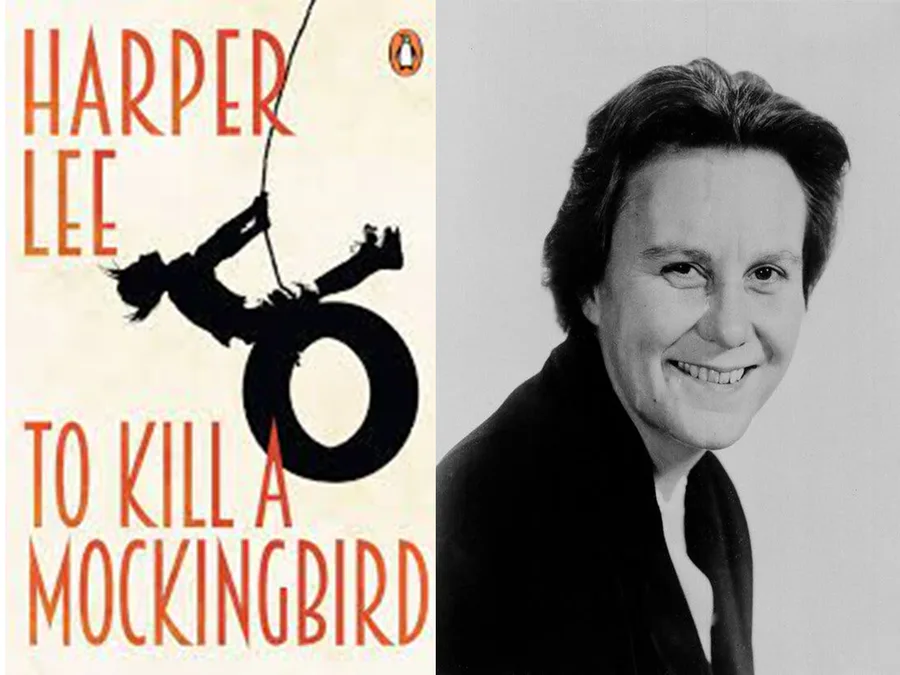
Harper Lee
Nelle Harper Lee was born on April 28, 1926 in Monroeville, Alabama.
She attended the University of Alabama, where she studied law. However, she dropped out of law school to pursue a career in writing.
Lee’s debut novel, To Kill A Mockingbird, was published in 1960, for which she won a Pulitzer Prize in 1961.

8
Who is Harper Lee?
A reclusive writer and a private person, Lee wrote two novels in her lifetime. While her best-known book became an instant classic, her second novel Go Set a Watchman, intended as a first draft of Mockingbird, was not published until 2015.

9
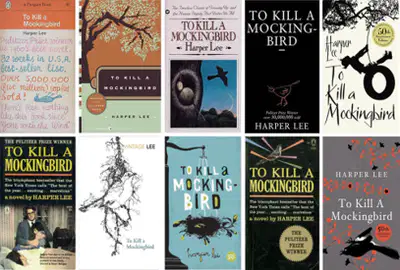
The success of To Kill A Mockingbird
The book spent 88 weeks on bestseller lists, and by the 35th anniversary of its publication in 1995, it had sold 30 million copies.

10
It continues to sell more than one million copies a year, and has been translated into more than 40 languages. It has been required reading in many American schools for years.
The success of To Kill A Mockingbird
11
The success of To Kill A Mockingbird
The novel was adopted into a movie in 1962.
The film was selected by the Library of Congress for preservation as "culturally, historically, or aesthetically significant".

12
The success of To Kill A Mockingbird
Harper Lee's compelling narrative, rich characterizations, and nuanced examination of morality resonated with readers, offering a timeless commentary on the complexities of human nature and the prevailing prejudices of the time.
.
13
Decoding the success of To Kill A Mockingbird
The book was considered groundbreaking for its time. It became one of the first novels to address issues of racial injustice in the Deep South.
The book is still considered a timeless classic. Why do you think that is?
We will answer this question as we go along…

14
Fill in the Blanks
Type answer...
15
Fill in the Blanks
Type answer...
16
Symbolism and Metaphor
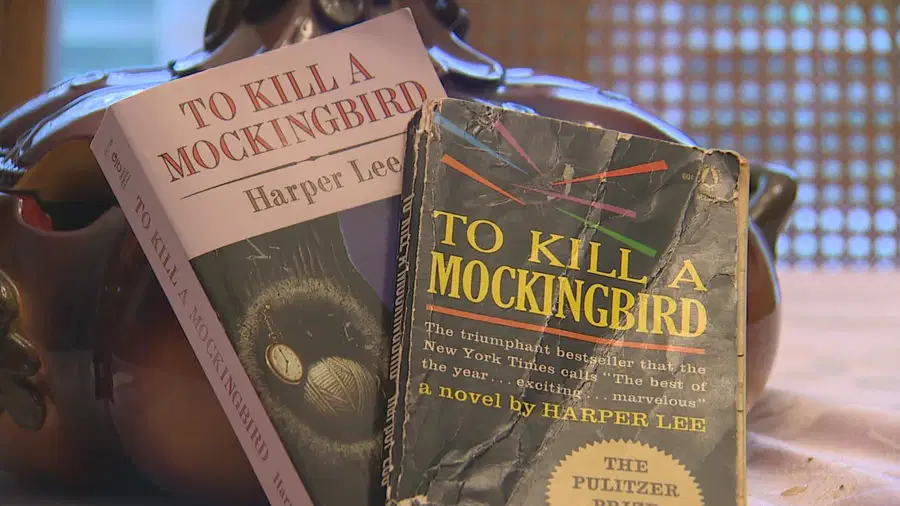
Lee uses symbolism and metaphor to convey deeper meanings. The title, "To Kill a Mockingbird," serves as a metaphor for harming innocence. The mockingbird symbolizes purity and harmlessness.
17
Open Ended
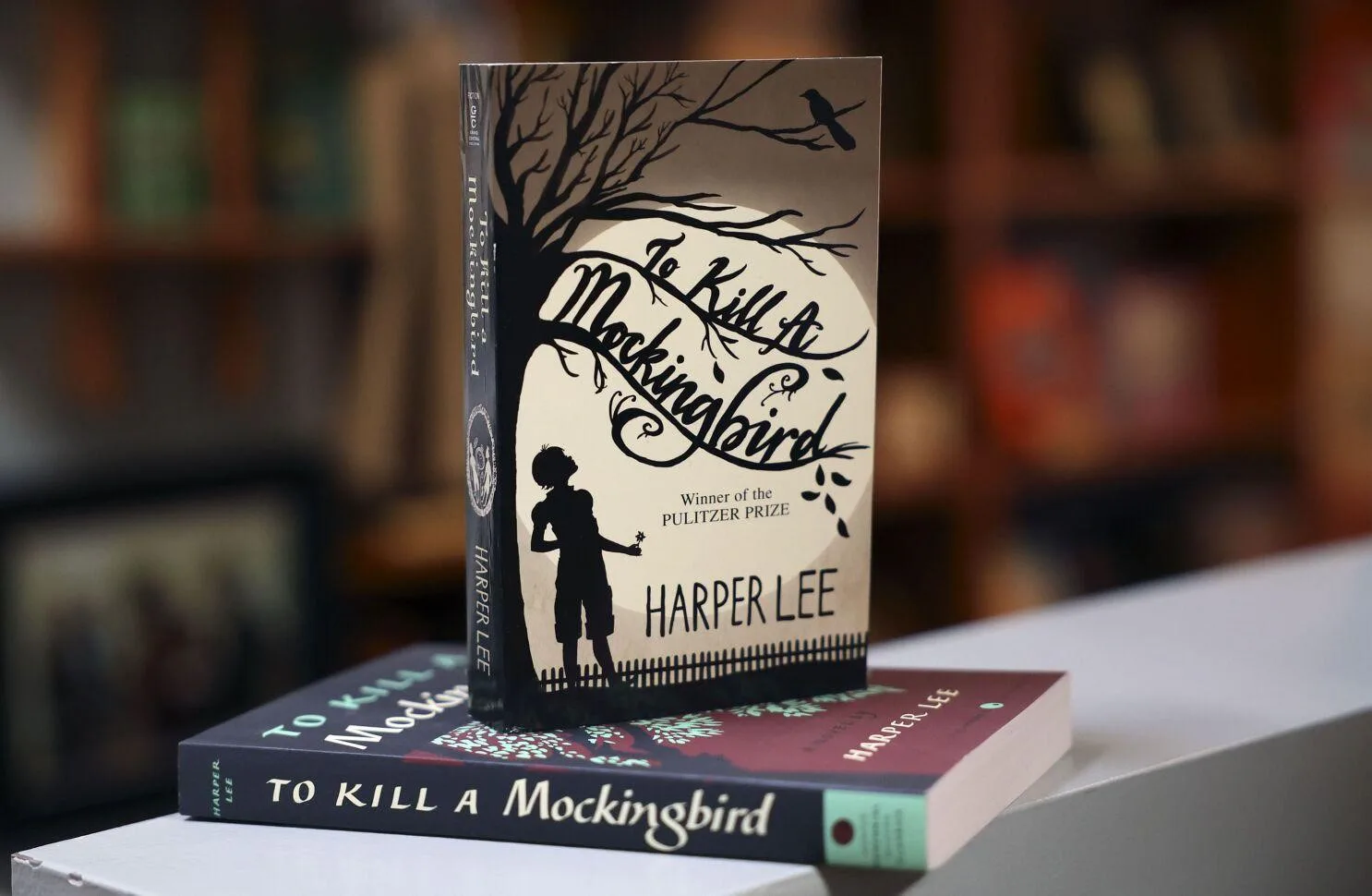
How have your perceptions of the title and book cover evolved after discussing and analyzing them?
18
Open Ended
If you were to give this book a different title based on the cover, what would it be? Share your creative title and explain your choice.
19
Echoes of Lee’s life in her novel
[The Physical Setting]
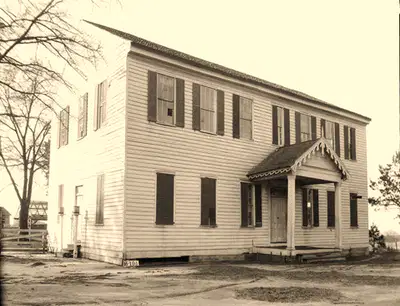
The fictional rural town of Maycomb in the novel is based on Lee’s birthplace, Monroeville, Alabama.
20
Echoes of Lee’s life in her novel
[The Economic Setting]
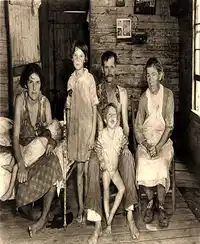
The novel is set in the 1930s, the time of Lee’s birth and a period of economic crisis in the US, the Great Depression. Alabama also saw extreme poverty, crop failures, unemployment, social tensions, and internal migration.

21
Echoes of Lee’s life in her novel
[The Socio-historical Setting]
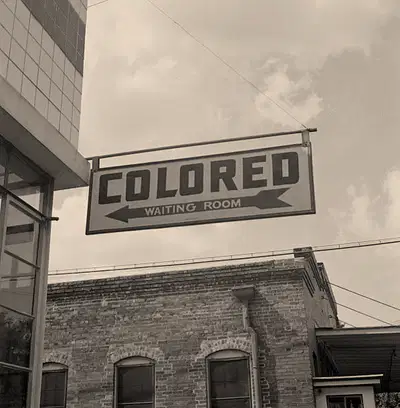
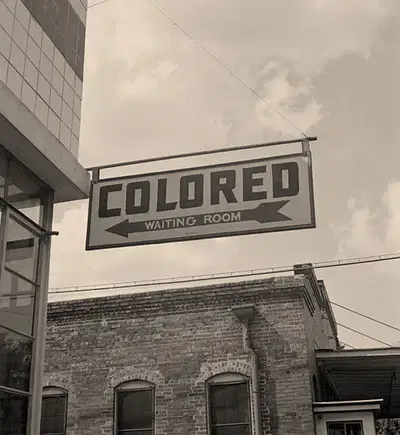
The Jim Crow Laws were laws that made segregation of Black and White communities legal. This meant restricted access for the Black community to various public places and services. Lee grew up witnessing such discrimination quite closely in her hometown.
Note the various representations of the segregated life in Maycomb as you read the novel.
22
Echoes of Lee’s life in her novel
[The Trials of the Scottsboro Boys]
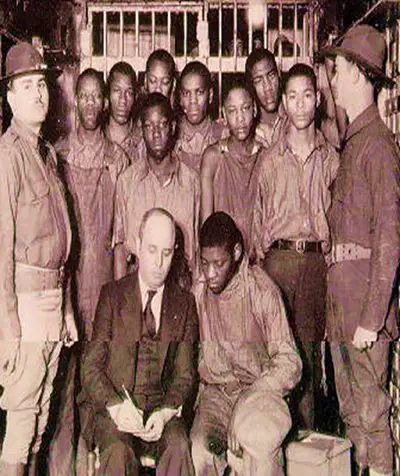
On March 25, 1931, a fight broke out on a Southern Railroad freight train in Jackson County, Alabama, leading to the arrest of nine Black youths, aged 12 to19.

23
Echoes of Lee’s life in her novel
[The Trials of the Scottsboro Boys]
Two white women accused the boys of raping them while onboard the train. The nine teenagers were transferred to the local county seat, Scottsboro, to await trial.
The trial itself represented a tragic miscarriage of justice.
24
Echoes of Lee’s life in her novel
[The Trials of the Scottsboro Boys]
The trial brought to light the deep-seated racism and injustice woven into the social and political life of the South. It is from the experiences of the young boys that Harper Lee reportedly drew her narrative.

25
Echoes of Lee’s life in her novel
[The Characters]
Jean Louise “Scout” Finch mirrors Harper Lee herself in her tomboyish persona, her experiences growing up in the south, her interest in social justice and law, among others.
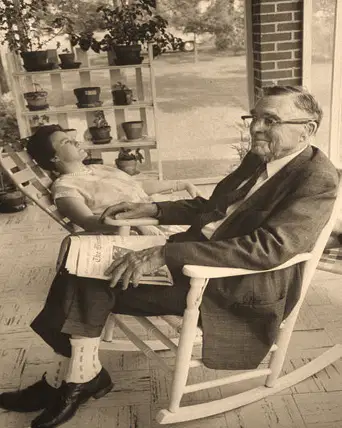
Atticus Finch is based on Lee’s father, Amasa Coleman Lee, who was an attorney by profession and a true Southern gentleman.
26
Echoes of Lee’s life in her novel
[The Characters]
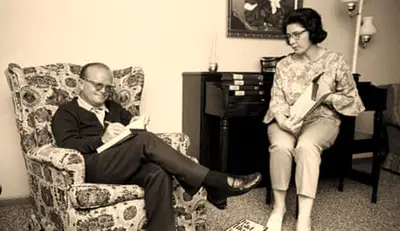
The witty and intelligent Charles Baker (“Dill”) in the novel is the fictional counterpart of the acclaimed author Truman Capote, who was also Lee's childhood friend and next-door neighbor in Monroeville.
27
Multiple Choice
What characterized the social tensions in the American South during the 1930s?
Economic disparities
Political conflicts
Racial tensions and segregation
Technological advancements
28
Multiple Choice
What best describes The Great Depression?
A time of political upheaval
A period of technological innovation
An era of cultural renaissance
A period of acute economic crisis in the 1930s, leading to widespread poverty
29
Multiple Select
Which of the following characters in the novel "To Kill a Mockingbird" are drawn from Harper Lee's real life?
Atticus Finch
Scout Finch
Charles Baker (Dill)
Jem Finch
30
Match
Match the following ideas
A mockingbird
A mockingbird is
A mockingbird is not
A mockingbird cannot
sings.
beautiful/harmless.
dangerous.
hurt/harm.
sings.
beautiful/harmless.
dangerous.
hurt/harm.
31
Reflect and Respond
Go around the classroom and compare your answers with those of your classmates. Try and talk to as many peers as you can in the next 10 minutes.
Were your answers similar?
If yes, then, can we say that there are certain concepts or ideas that we all agree on as human beings?
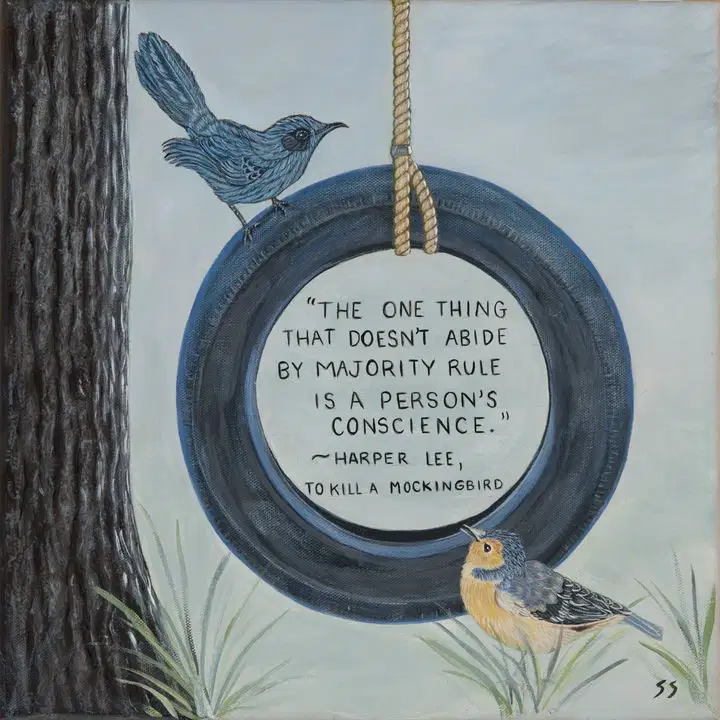
“The one thing that doesn’t abide by majority rule is a person’s conscience.”
--To Kill a Mockingbird

32
Reflect and Respond
If no, then, how do we resolve differences in opinions and value systems?
“You never really understand a person until you consider things from his point of view—” “Sir?” “—until you climb into his skin and walk around in it.”
--To Kill a Mockingbird

33
Let’s get reading!
Show answer
Auto Play
Slide 1 / 33
SLIDE
Similar Resources on Wayground

24 questions
Adverbs of manner - budowa i stopniowanie
Presentation
•
6th - 8th Grade
27 questions
Informational Versus Argumentative
Presentation
•
6th - 7th Grade
22 questions
Central Idea
Presentation
•
6th - 8th Grade
26 questions
Wildfires
Presentation
•
6th - 8th Grade
28 questions
Parts of Speech
Presentation
•
6th - 8th Grade
26 questions
Parts of a Tree
Presentation
•
6th - 8th Grade
25 questions
Conclusion Paragraphs
Presentation
•
6th - 8th Grade
24 questions
Using TP-CASTT (poetry analysis)
Presentation
•
6th - 8th Grade
Popular Resources on Wayground
15 questions
Grade 3 Simulation Assessment 1

Quiz
•
3rd Grade
22 questions
HCS Grade 4 Simulation Assessment_1 2526sy
Quiz
•
4th Grade
16 questions
Grade 3 Simulation Assessment 2
Quiz
•
3rd Grade
19 questions
HCS Grade 5 Simulation Assessment_1 2526sy
Quiz
•
5th Grade
17 questions
HCS Grade 4 Simulation Assessment_2 2526sy
Quiz
•
4th Grade
20 questions
Equivalent Fractions
Quiz
•
3rd Grade
24 questions
HCS Grade 5 Simulation Assessment_2 2526sy
Quiz
•
5th Grade
20 questions
Math Review
Quiz
•
3rd Grade
Discover more resources for English
20 questions
Context Clues
Quiz
•
6th Grade
20 questions
Figurative Language Review
Quiz
•
6th Grade
14 questions
Context Clues
Quiz
•
4th - 6th Grade
24 questions
7th grade STAAR Reading Review
Quiz
•
7th Grade
37 questions
Georgia Milestones Grade 7 ELA Writing Key Terms Review
Quiz
•
7th Grade
20 questions
Context Clues Practice
Quiz
•
7th Grade
12 questions
Final Figurative Language Review
Presentation
•
6th - 8th Grade
15 questions
Test Taking Strategies
Quiz
•
7th Grade