
Science Quiz Bee (8)
Presentation
•
Science
•
8th Grade
•
Medium
+1
Standards-aligned
Mohammad Bashayrah
Used 4+ times
FREE Resource
0 Slides • 37 Questions
1
Multiple Choice
Match the definition with the correct word. Small, rocky object that orbits the Sun in the asteroid belt between Mars and Jupiter.
star
comet
asteroid
planet
2
Multiple Choice
Match the definition with the correct word. Average distance from Earth to the Sun—about 150 million km.
period of revolution
period of rotation
comet
astronomical unit
3
Multiple Choice
Match the definition with the correct word. Object made of gas, dust, and ice that moves around the Sun in an oval-shaped orbit.
planet
comet
asteroid
orbit
4
Multiple Choice
Match the definition with the correct word. Time it takes an object to travel once around the Sun.
orbit
period of revolution
period of rotation
astronomical unit
5
Multiple Choice
Match the definition with the correct word. Object in space made of gases in which nuclear fusion reactions occur that emit energy.
planet
asteroid
star
comet
6
Multiple Choice
What is the closest planet to the sun?
Earth
Mars
Venus
Mercury
7
Multiple Choice
What is the second farthest planet from the sun?
Uranus
Neptune
Saturn
Jupiter
8
Multiple Choice
9
Multiple Choice
10
Multiple Choice
11
Multiple Choice
The inner planets are _______ than the outer planets.
colder
bigger
warmer
smarter
12
Multiple Choice
13
Multiple Choice
14
Multiple Choice
15
Multiple Choice
16
Multiple Choice
17
Multiple Choice
18
Multiple Choice
19
Multiple Choice
20
Multiple Choice
21
Multiple Choice
22
Multiple Choice
23
Multiple Choice
24
Multiple Choice
25
Multiple Choice
Chromosphere
The layer of sun that creates the suns color
The layer that makes light
The layer that creates energy
26
Multiple Choice
27
Multiple Choice
Rank the stars colors in order from hottest to coolest
blue, white, yellow, orange, red
white, blue, yellow, orange, red
red, orange, yellow, white, blue
white, blue, orange, yellow, red
28
Multiple Choice
Most stars belong to this category:
supergiants
giants
main sequence
white dwarfs
29
Multiple Choice
The H-R diagram classifies stars based on what factors?
Temperature and luminosity
Number of planets
What constellation they're in
Temperature and fusion
30
Multiple Choice
Our sun is what kind of star?
Blue giant
Red giant
Main sequence
White dwarf
31
Multiple Choice
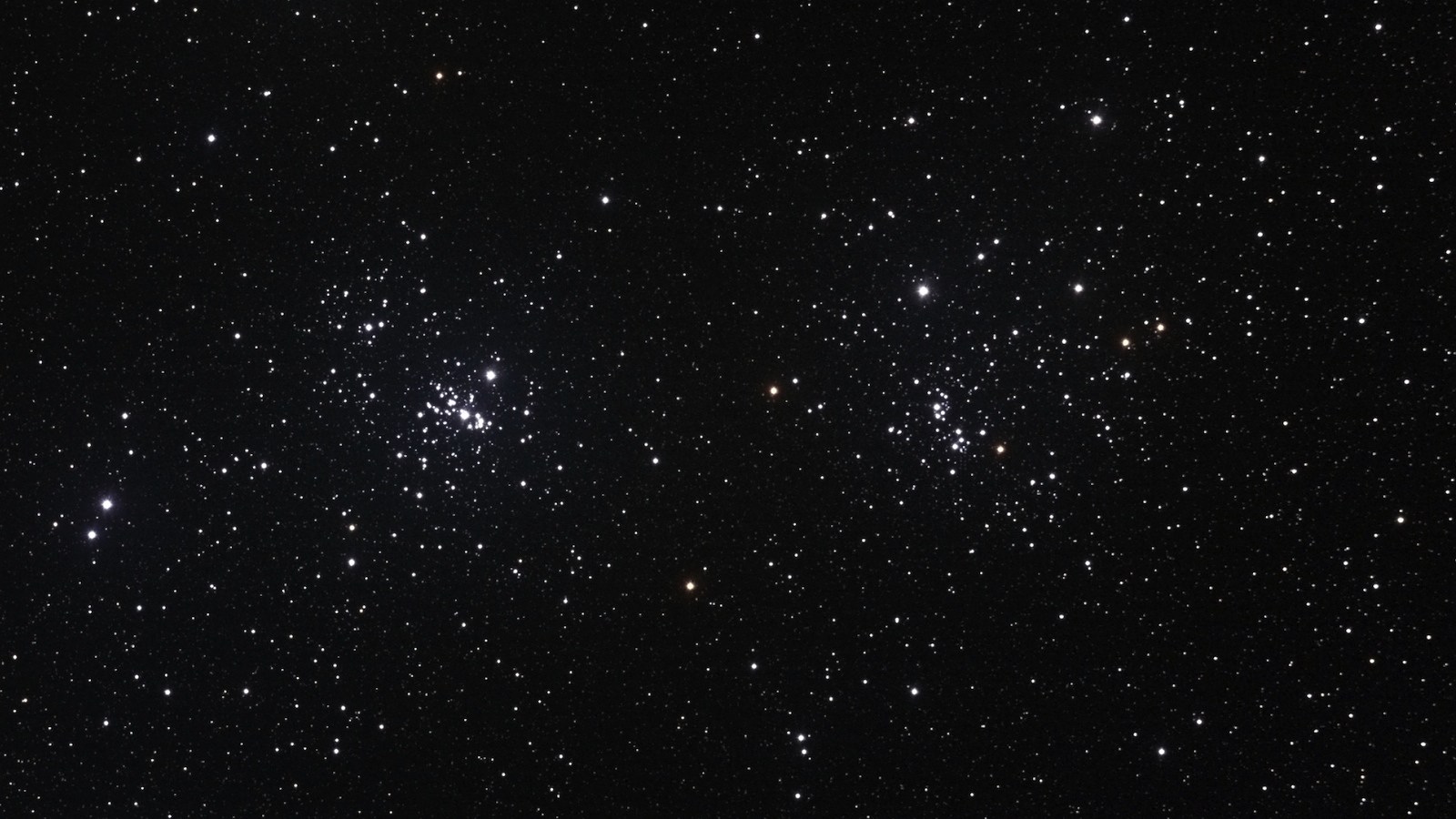
Astronomers think that most stars are born in groups, called ___
assemblages
bundles
clusters
blobs
32
Multiple Choice
Loosely bound collections of dozens or thousands of stars, usually in an irregular shape, are called ___
hexadecimal star systems
open clusters
globular clusters
nebulae
33
Multiple Choice
34
Multiple Choice
35
Multiple Choice
36
Multiple Choice
37
Multiple Choice
The number of kilometers light can travel in one second
300,000
eight
Light year
astronomical unit
Match the definition with the correct word. Small, rocky object that orbits the Sun in the asteroid belt between Mars and Jupiter.
star
comet
asteroid
planet
Show answer
Auto Play
Slide 1 / 37
MULTIPLE CHOICE

Similar Resources on Wayground
32 questions
Synthetic Materials: Lesson 3 - Materials Science
Presentation
•
7th Grade
32 questions
Review - Periodic Table, Elements, Chemical Bonds
Presentation
•
8th Grade
30 questions
9/17 - Electromagnetic Spectrum
Presentation
•
8th Grade
34 questions
Changes in States of Matter Notes
Presentation
•
8th Grade
30 questions
8.P.1.1
Presentation
•
8th Grade
34 questions
Magnet Notes
Presentation
•
8th Grade
35 questions
Modeling Magnetic Force
Presentation
•
8th Grade
32 questions
Speed Notes and Practice
Presentation
•
8th Grade
Popular Resources on Wayground
24 questions
PBIS-HGMS Day 10
Quiz
•
6th - 8th Grade
10 questions
HCS SCI 03 Summer School Review 3
Quiz
•
3rd Grade
11 questions
Home Scope
Quiz
•
7th - 8th Grade
15 questions
HCS SCI 05 Summer School Assessment 3 Review
Quiz
•
5th Grade
35 questions
Lufkin Road Middle School Student Handbook & Policies Assessment
Quiz
•
7th Grade
18 questions
Geo 11.3 Area of Circles and Sectors
Quiz
•
9th - 11th Grade