Search Header Logo
Mass & Thermal Energy

Mass & Thermal Energy

Assessment

Presentation

Other

KG - Professional Development

Hard

Created by

Christopher Bertosen

Used 5+ times

FREE Resource

0 Slides • 20 Questions

1

Multiple Choice

The condition where two substances in physical contact with each other exchange no heat energy. They are said to be the same temperature.

1

Thermal Energy

2

Cooler to Warmer

3

Energy Transfer

4

Thermal Equilibrium

2

Multiple Choice

heat always travels from _____ to ______ objects
1
hot to cold
2
cold to hot
3
cold to cold
4
hot to hot

3

Multiple Choice

Two objects have different temperatures. Object A has a temperature of 42 degrees and Object B is 37 degrees. Which direction should the energy transfer between Objects A and B?

1

From Object A to Object B

2

From Object B to Object A

3

Energy will not transfer

4

Energy will transfer both directions

4

Multiple Choice

Question image

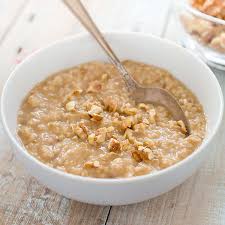
You leave your cold spoon in a hot bowl of oatmeal. What happens after an hour?

1

The temperature of both the oatmeal and the spoon stay the same

2

The spoon and the oatmeal become the same temperature

3

Only the temperature of the oatmeal will change

4

Only the temperature of the spoon will change

5

Multiple Choice

Question image
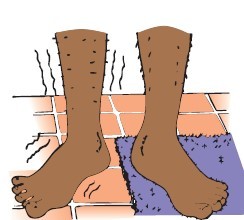
After taking a hot shower, James steps out of the shower onto the tile floor. The tile felt cold to his feet. Which explanation below best describes James' experience?
1
Heat from his feet is transferred to the tile floor
2
Heat from the tile floor is transferred to his feet
3
Cold from the tile floor is transferred to his feet
4
Cold from his feet is transferred to the tile floor

6

Multiple Choice

A measure of how much matter (particles) an object has is--

1

weight

2

gravity

3

mass

4

volume

7

Multiple Choice

What is the definition of "weight"?

1

measure of the gravitation pull on an object

2

the time it takes to get on a ride

3

the amount of matter in an object

4

the size of an object

8

Multiple Choice

If an object has more mass, then it will
1
weigh more.
2
weigh less.
3
weigh the same as an object with less mass.
4
always have more volume than an object with less mass.

9

Multiple Choice

Question image
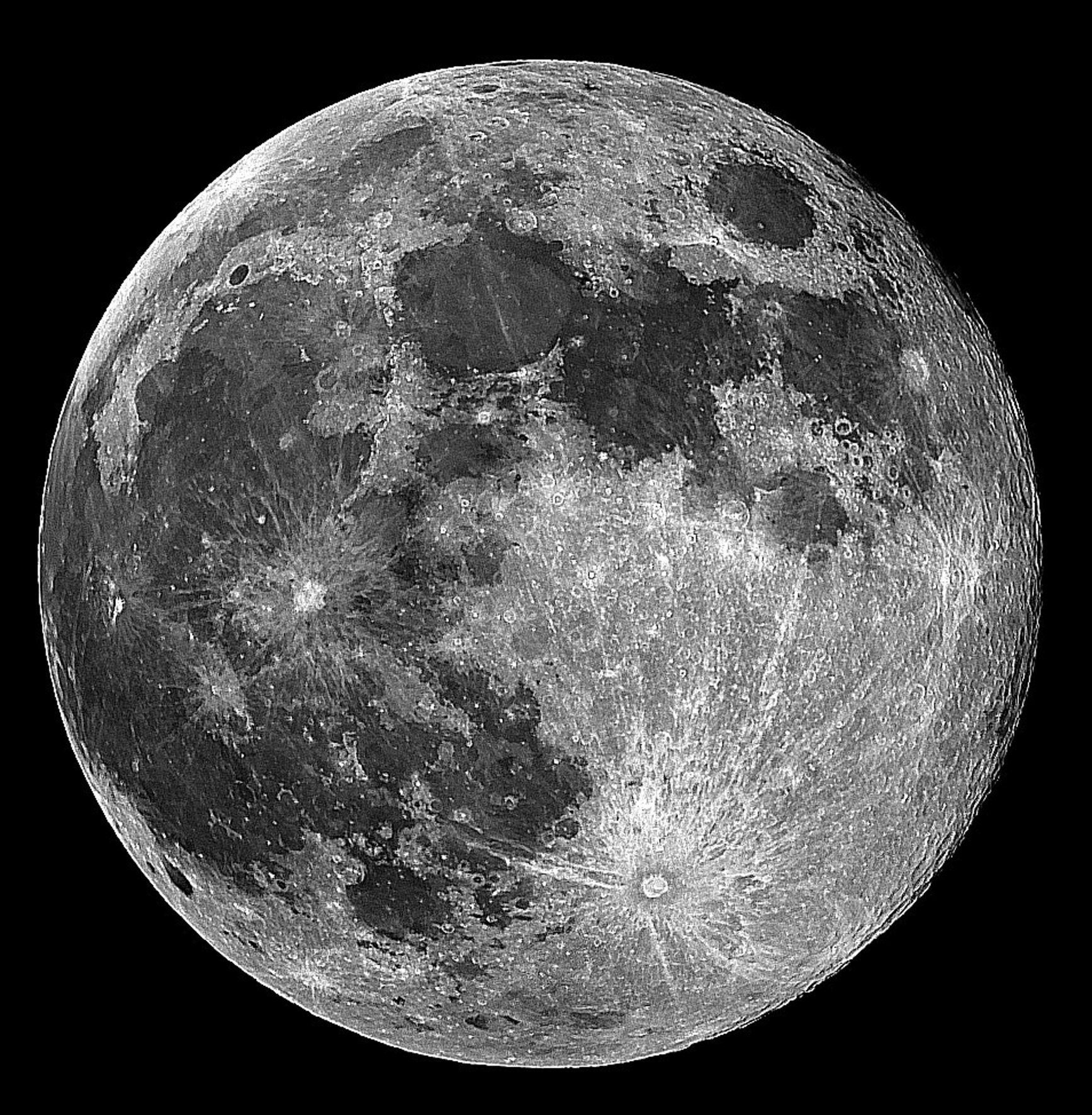
Why would you weigh less on the moon compared to Earth?
1
less air
2
less sunlight
3
more gravitational pull
4
less gravitational pull

10

Multiple Choice

Grams and kilograms measure...

1

capacity

2

length

3

time

4

mass

11

Multiple Choice

The one that stays the same no matter where you are.

1

Bass

2

Weight

3

Mass

4

Weather

12

Multiple Choice

The unit that goes with weight.

1

Kilogram

2

Newton

3

Milliliter

4

Mile

13

Multiple Choice

The one that is affected by gravity.

1

Volume

2

Mass

3

Weight

4

Ego

14

Multiple Choice

Mass is measured with a

1

Flask

2

Ruler

3

Balance

4

Scale

15

Multiple Choice

Weight is measured with a:

1

Spring Scale

2

Ruler

3

Flask

4

Graduated Cylinder

16

Multiple Choice

A person would weigh less on on the Moon than on the Earth because . . .
1
Moon has more mass, and therefore more gravity
2
Moon has less mass, and therefore more gravity
3
Moon has more mass, and therefore less gravity
4
Moon has less mass and therefore less gravity

17

Multiple Choice

Question image
What does this tool measure?
1
weight
2
meters
3
mass
4
force

18

Multiple Choice

Question image
What does this tool measure?
1
weight
2
meters
3
mass
4
force

19

Multiple Choice

What best describes the mass and weight of a person as they move around the universe?
1
mass and weight changes
2
Mass and weight stays constant
3
weight remains constant, mass changes
4
Mass stays constant, weight changes

20

Multiple Choice

The force of gravity on Jupiter is a little more than 2 times the gravitational force on Earth. If an object has a mass of 50 kg and a weight of 490 N on Earth, what would be the object's approximate mass and weight on Jupiter?
1
50 kg and 490 N
2
100 kg and 490 N
3
50 kg and 980 N
4
100 kg and 980 N

The condition where two substances in physical contact with each other exchange no heat energy. They are said to be the same temperature.

1

Thermal Energy

2

Cooler to Warmer

3

Energy Transfer

4

Thermal Equilibrium

Show answer

Auto Play

Slide 1 / 20

MULTIPLE CHOICE