
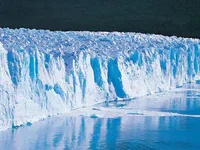
Made with ice

Presentation
•
Science
•
4th Grade
•
Medium
+13
Standards-aligned

Thomas VanDyke
Used 8+ times
FREE Resource
18 Slides • 10 Questions
1
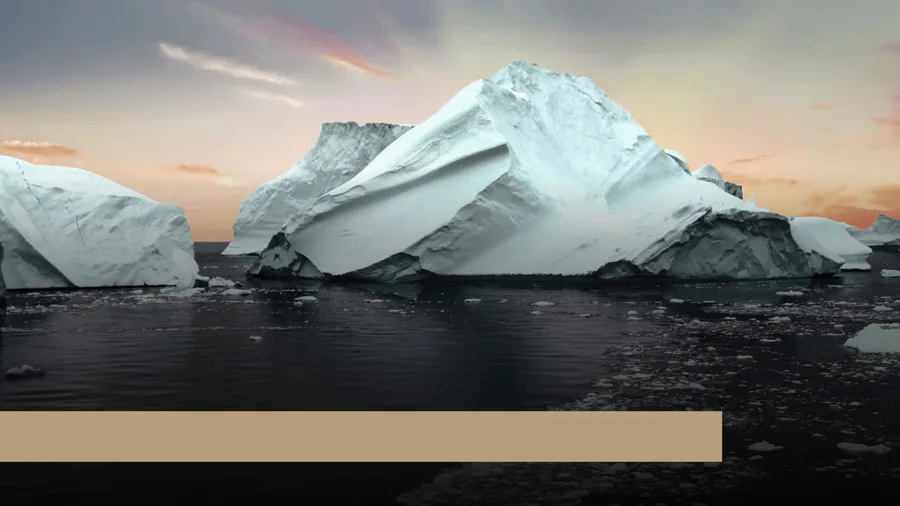
Landforms by Ice
2-16-24
2

Learning Objective –
Investigate how ice
changes land through
weathering, erosion, and
deposition and identify the
landforms that are created
by ice changing land.
3
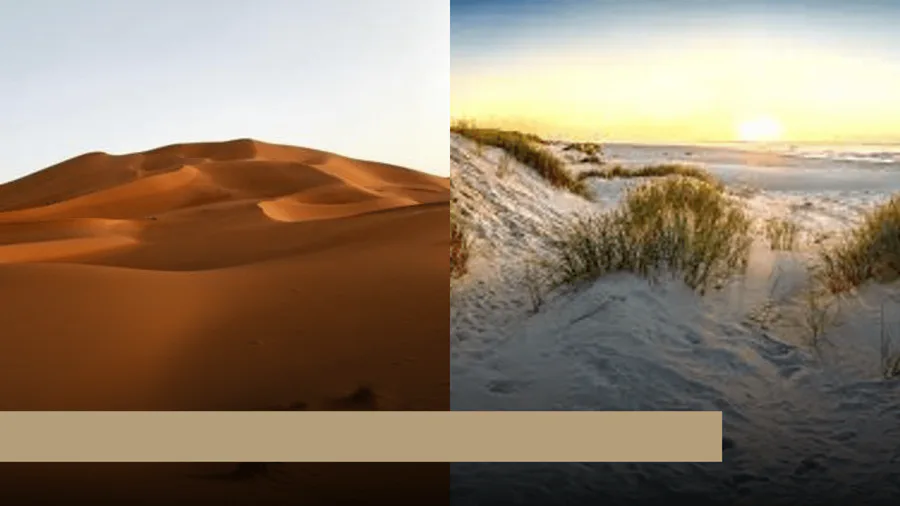
What do you remember about
slow Earth changes by wind
from yesterday?
4
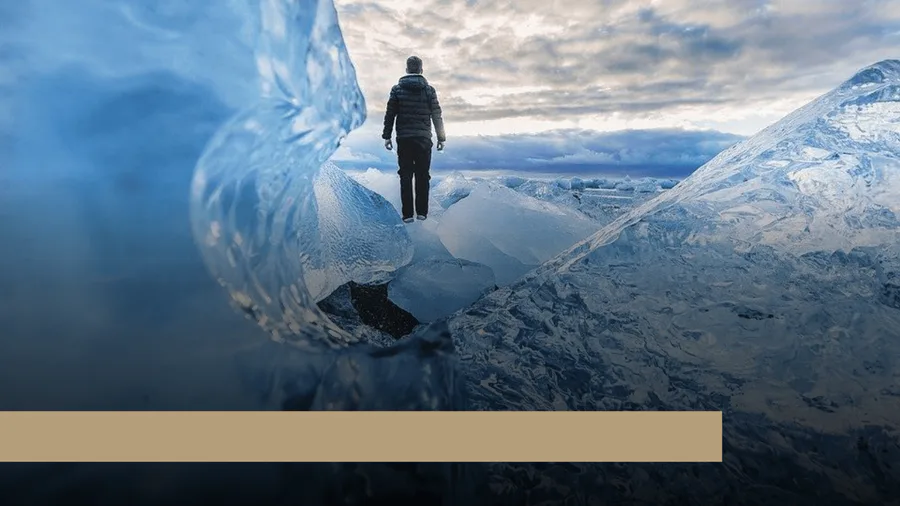
What are some landforms
formed by ice?
5


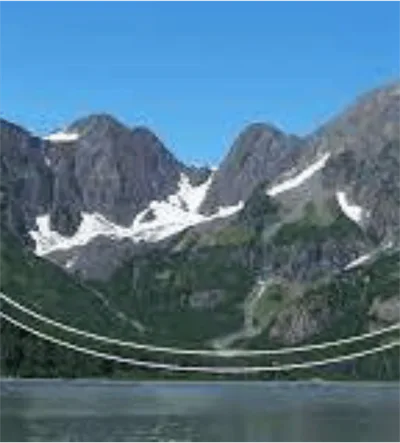
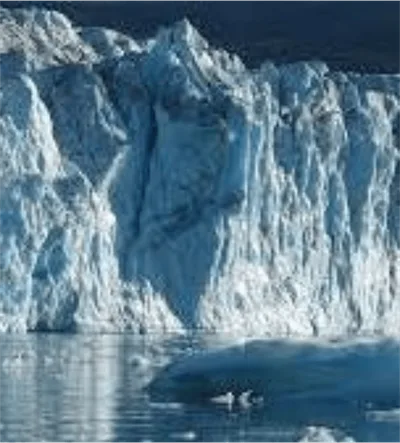
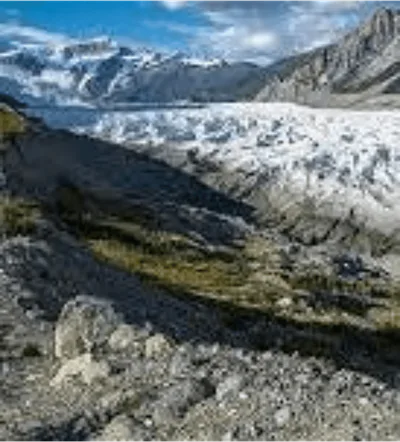
Examples of landforms created by ice are U-
shaped valleys,glaciers, and moraines.
6

Movie anyone?
https://www.youtube.com/watch?v=RnlPrdMoQ1Y
7
8



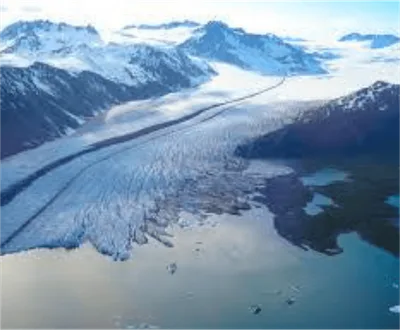
Huge sheets of ice are called
glaciers. Glaciers are found in
very cold places. Because
glaciers are made of solid ice,
you may think they do not move.
But gravity pulls glaciers
downhill. The ice flows like a
very slow river. Glaciers can
weather, erode, and deposit
rocks. A glacier can pick up
rocks as big as school buses!
Glaciers
9
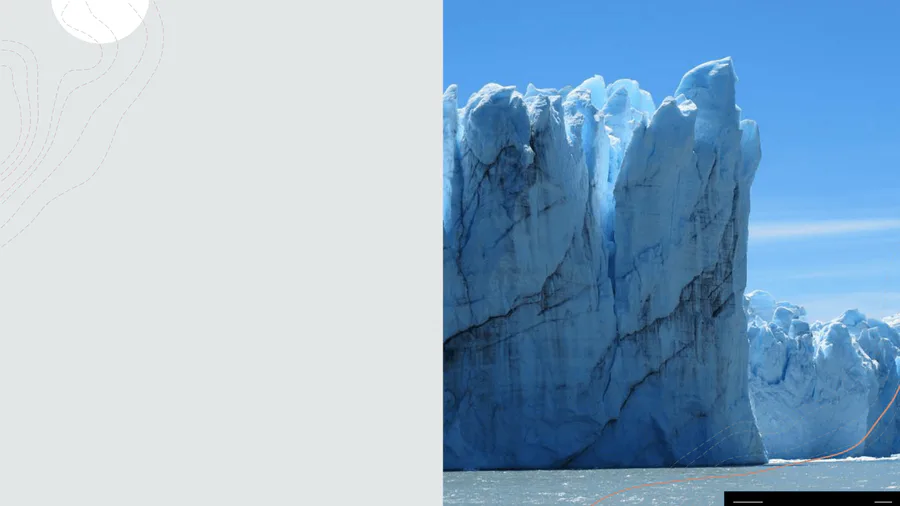
Ice can also
cause erosion.
+Glaciers are sometimes called
rivers of ice because they are
huge slabs of ice and snow
that move very slowly across
the landscape.
+As glaciers move, they break
off and scrape away pieces of
rock and stone.
This Photo by Unknown author is licensed under CC BY.
10
Multiple Choice

The photograph shows a valley. Which agent of erosion most likely produced this valley's shape?
blowing wind
ocean waves
moving ice
running water
11
Multiple Choice
Which of the following is NOT needed to form a delta?
Water
Sediments
Ocean
Ice
12
Multiple Choice
Where are deltas located?
At the mouth of a river
At the start of a river
On a beach
At the top of a mountain
13



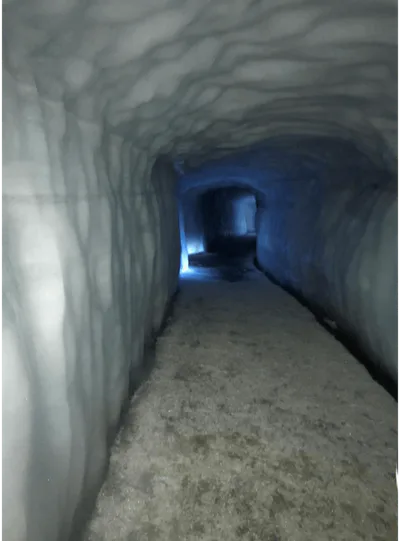
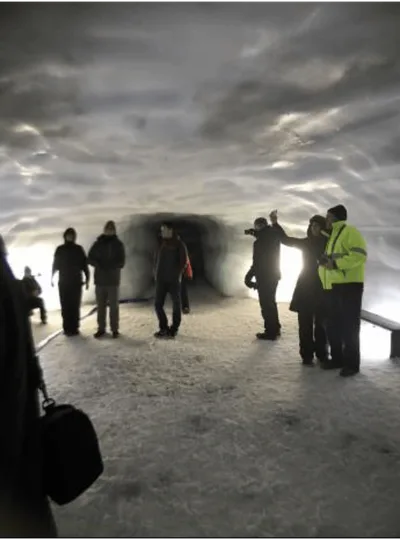
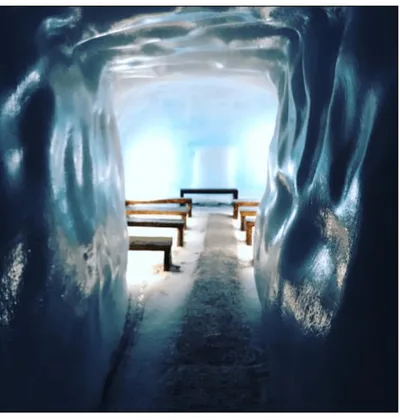
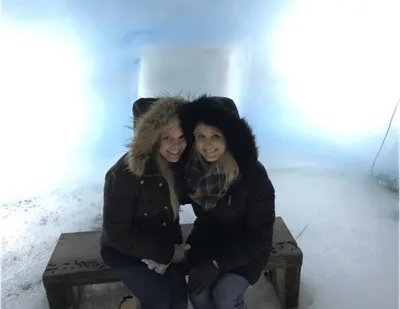
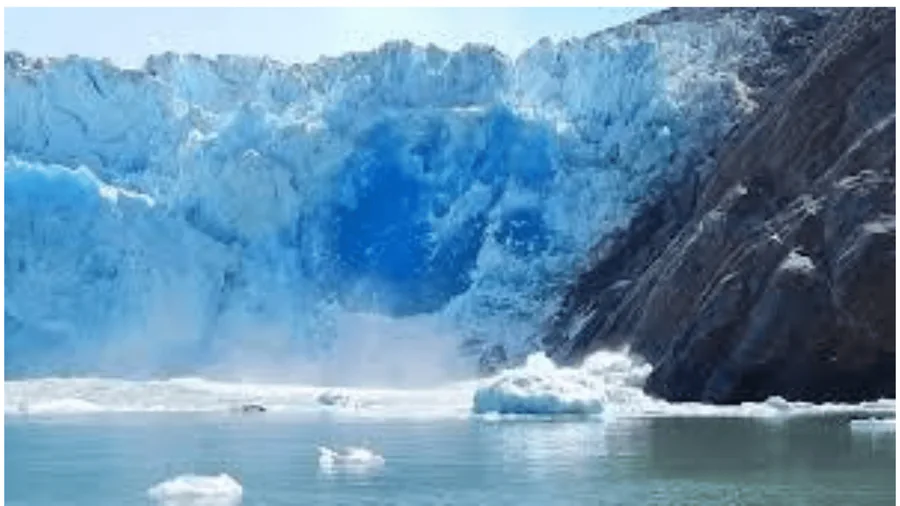
BRRR! This was the glacier I went inside of in
Iceland!
14
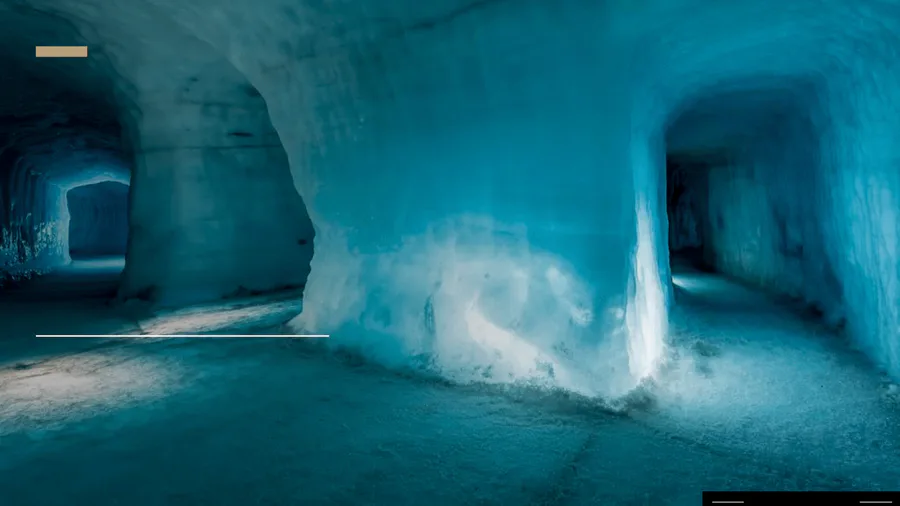
The glacier is called
Langokull Glacier
and is the second
largest glacier in
Iceland!
It is 1,902 feet
thick!
This Photo by Unknown author is licensed under CC BY-ND.
15


More pics!
16
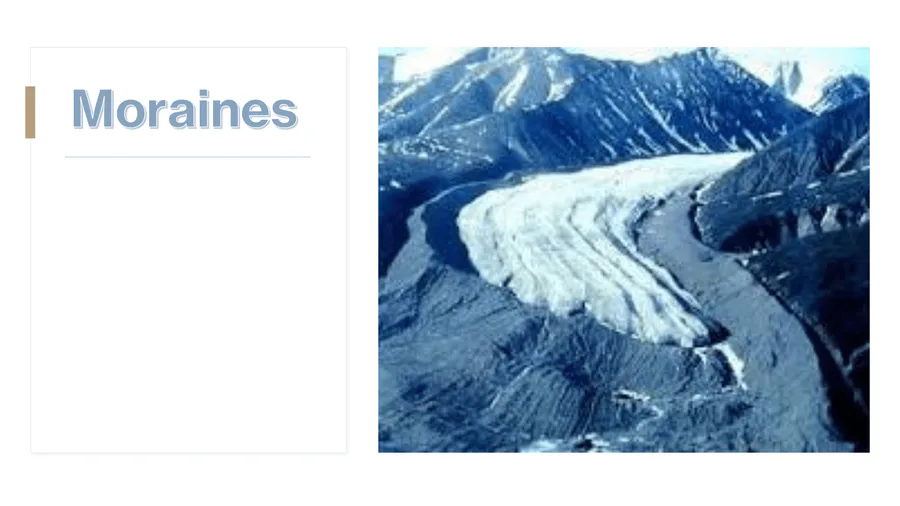
As a glacier moves forward, it
pushes boulders against the
ground beneath it, scraping and
scratching rock. This can slowly
change the rock by carving deep
glacial grooves into it. The
grooves can be seen when the
glacier melts. As a glacier begins
to melt, the rocks and sediment it
carried downhill drop out. The
deposited sediment forms
different land features, including
hills called moraines.
Moraines
17

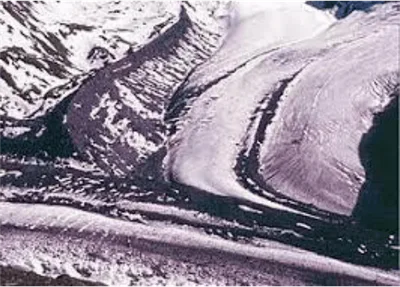
Moraine- a pile of earth and stones
carried and deposited by a glacier.
18


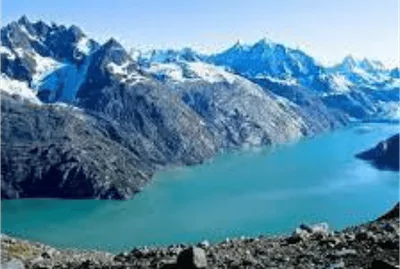

U-Shaped Valley
• U-shaped valleys are the result of glaciers
moving downhill and ‘scouring’ the earth
with friction as gravity pulls the glacier from
the top of an elevated area to the bottom.
• The huge size and heavy weight of the
glacier creates a thick, slush-like layer of ice
and water beneath the ice mass. Gravity
means that the glacier is moved downhill,
sliding on this slush layer. The ice can’t be
compressed, so the glacier ends up carving
into the ground underneath it.
• While the glacier is moving, stones and
rocks are picked up and carried along with
the glacier to form eskers. This is called
'plucking'. These rocks can end up stuck to
the bottom of the glacier. They then end up
contributing to the erosion of the surface
that the glacier is moving along.
19
Over time, erosion from ice by glaciers formed the Great Lakes in North America
20
Multiple Choice

Created by a glacier through weathering, erosion, and deposition.
V-shaped valley
river delta
canyon
U-shaped valley
21
Multiple Choice
This landform is created and changed by wind eroding and depositing fine particles of sediment.
canyons
river deltas
sand dunes
V-shaped valleys
22
Multiple Choice
A placed where rivers deposit huge volumes of sediment in either an ocean or a lake, creating new land.
U-shaped valley
delta
canyon
V-shaped valley
23
Multiple Choice
Which does NOT describe what glaciers to do rocks?
carve
grind
melt
scrape
24
Multiple Choice
Which is the MOST responsible for creating canyons?
ice
wind
water
glaciers
25
Multiple Choice
26
Multiple Choice
27

When a river deposits the sediments that have been flowing in it at the mouth of a river, a delta forms. Deltas are shaped like a triangle with sediments gathered at the end of a river. Deltas get many of the sediments from weathered rocks along a river.
Deltas are also made by water erosion.
28

What's Next:
Complete your science quiz.
Landforms by Ice
2-16-24
Show answer
Auto Play
Slide 1 / 28
SLIDE
Similar Resources on Wayground

21 questions
States of matter
Presentation
•
3rd - 4th Grade
22 questions
Newton's Laws of Motion
Presentation
•
4th - 5th Grade
20 questions
What is Light Energy?
Presentation
•
4th - 5th Grade
19 questions
Joints
Presentation
•
4th Grade
23 questions
Force, work and energy
Presentation
•
4th Grade
20 questions
Sound Vocabulary
Presentation
•
4th Grade
23 questions
Life Cycles
Presentation
•
4th Grade
24 questions
4.6D Forces
Presentation
•
4th Grade
Popular Resources on Wayground
10 questions
Safety Day 2026 – Student Review

Quiz
•
9th Grade
21 questions
Continents and Oceans
Quiz
•
6th Grade
20 questions
Parts of Speech
Quiz
•
5th Grade
16 questions
Subject & Predicate
Quiz
•
5th Grade
25 questions
Multiplication Facts
Quiz
•
5th Grade
12 questions
Map Skills
Quiz
•
3rd Grade
22 questions
Continents and Oceans
Quiz
•
5th Grade
15 questions
Rounding Decimals
Quiz
•
5th Grade
Discover more resources for Science
10 questions
Mixtures and Solutions
Quiz
•
4th Grade
10 questions
Identifying Physical and Chemical Changes

Interactive video
•
1st - 5th Grade
13 questions
Reflect, refract, and absorb
Quiz
•
3rd - 5th Grade
15 questions
Weathering and Erosion
Interactive video
•
4th Grade
14 questions
Scientific Method
Quiz
•
3rd - 5th Grade
11 questions
Force and Motion
Quiz
•
4th Grade
30 questions
Unit 2 Energy Resources
Quiz
•
4th Grade
15 questions
Mixtures and Solutions
Quiz
•
4th Grade