
Dreams

Presentation
•
Social Studies
•
9th - 12th Grade
•
Practice Problem
•
Medium

Dawnyale Allen
Used 11+ times
FREE Resource
9 Slides • 7 Questions
1

Sweet Dreams
2
Sleep amd Dreams
Why We Sleep
People can enter into different states of consciousness, or awareness.
Sleep is difficult to study but has been aided by technology such as the electroencephalograph (EEG).
3
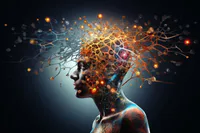


The conscious mind involves thoughts that someone is aware of at any given moment.
Concious (Ego)
The preconscious mind involves things that can be brought into consciousness at any time.
Preconscious (Super Ego)
The unconscious mind includes the thoughts and feelings that exist outside of one's conscious awareness.
Unconscious (ID)
4
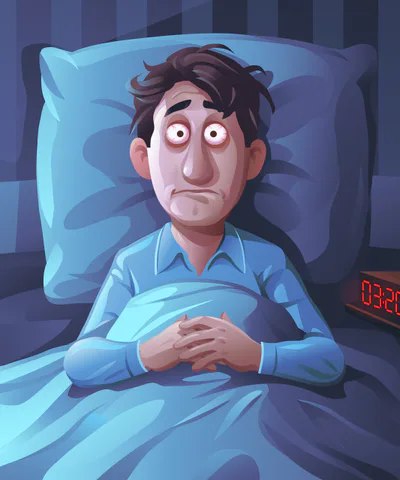
There are different theories about why we sleep. Possible purposes of sleep include:
conserving energy
protecting us from danger at night
dreaming
restoring the mind • clearing the mind of useless information
Why We Sleep (countinued)
5
Multiple Select
what are some mains reasons why getting sleep is imprtant?
getting sleep is important because lack of sleep could impact your brain's functioning.
sleep helps restore your mind and conserve your energy
sleep is not necessarily important for one's health
sleep only make you more lazy and getting to much sleep will start to make you more tired than usually
6
Sleep and Dreams
Quantity and Quality of Sleep
• The quantity of sleep needed varies by individual and by age; in general, sleep requirements are the greatest for newborns and then decrease with age.
• Sleep cycles are regulated by environmental cues and a biological clock called a circadian rhythm.
7
Multiple Choice
Who have the greatest sleep requirements
Elderly
Middleaged
Newborns
8
Sleep and Dreams
Stages of Sleep
• There are five different stages of sleep, as evidenced by EEG recordings.
• In Stages I and II of sleep, your pulse slows and your muscles begin to relax.
• In Stage III sleep, large-amplitude brain waves appear about every second.
• Stage IV – is the deepest sleep; sleepwalking may occur
• In Stage V REM sleep occurs
• During a normal period of sleep, people cycle through all five stages several times.
• The majority of time asleep is spent in stages I through IV.
9
Multiple Choice
IN which stage would you be completely sleep
II
IV
III
I
10
Sleep and Dreams
Quantity and Quality of Sleep (countinued)
• Common sleep disorders:
• insomnia: inability to get enough sleep
• sleep apnea: sleep breathing interruptions
• narcolepsy: a permanent feeling of tiredness
• night terrors: happens during Stage IV sleep, may involve screaming, sweating, and confusion
• sleepwalking: walking or taking other normal actions while not entirely awake
11
Multiple Choice
Feeling tired permanently
insomia
sleep apnea
night terrors
Narcolepsy
12
Sleep and Dreams
Dreams
• Dreams during REM sleep are often vivid/dramatic.
• Dreams often include everyday activities.
• Nightmares are exceptionally negative dreams, and may be related to heightened stimulation in the part of the brain responsible for emotional reactions.
13
Open Ended
What do dreams usually include
14
Sleeps and Dreams
Dreams (countined)
• Different theories about the meaning of dreams:
• A process for working through difficult thoughts.
• A chance to interact with the departed.
• An unimportant part of normal brain functioning.
• A way to reflect on and solve problems.
• A way to get rid of unneeded memories.
• Daydreaming is idle but directed thinking. It may improve creativity and help us control emotions.
15
Fill in the Blanks
Day dreaming is idle but
16
Poll
Do you dream when you sleep
Yes
No
Not sure
Sweet Dreams
Show answer
Auto Play
Slide 1 / 16
SLIDE
Similar Resources on Wayground

11 questions
Elements & Principles of Design
Presentation
•
9th - 12th Grade
11 questions
Commas with Conjunctions and Introductory Elements
Presentation
•
9th - 12th Grade
11 questions
The Atlantic Slave Trade
Presentation
•
9th - 12th Grade
12 questions
Costs
Presentation
•
9th - 12th Grade
12 questions
The Black Death
Presentation
•
9th - 12th Grade
14 questions
Public Goods and Services
Presentation
•
9th - 12th Grade
11 questions
Mercantilism
Presentation
•
9th - 12th Grade
11 questions
Revising & Editing
Presentation
•
9th - 12th Grade
Popular Resources on Wayground
10 questions
Impact of 9/11 and the War on Terror

Interactive video
•
10th - 12th Grade
21 questions
Continents and Oceans

Quiz
•
6th Grade
5 questions
9/11
Interactive video
•
9th Grade
20 questions
Parts of Speech
Quiz
•
5th Grade
16 questions
Subject & Predicate
Quiz
•
5th Grade
10 questions
Riddles Riddles fun Riddles
Quiz
•
6th - 12th Grade
21 questions
Lab Safety
Quiz
•
10th Grade
6 questions
PRIDE in the Hallways and Bathrooms
Presentation
•
12th Grade
Discover more resources for Social Studies
5 questions
9/11
Interactive video
•
9th Grade
6 questions
PRIDE in the Hallways and Bathrooms
Presentation
•
12th Grade
10 questions
Exploring the Age of Exploration: Key Events and Figures
Interactive video
•
6th - 10th Grade
16 questions
USHC 4.8 Immigration and Urbanization
Quiz
•
9th - 12th Grade
64 questions
USHC 4 Key Terms 22-23
Quiz
•
11th Grade - University
10 questions
Exploring Types of Maps for Middle Schoolers
Interactive video
•
6th - 10th Grade
16 questions
Unit 3.1 Quiz Review
Quiz
•
11th Grade
30 questions
Reconstruction Era Test
Quiz
•
11th Grade