Search Header Logo
Biomolecules Review

Biomolecules Review

Assessment

Presentation

Biology

11th Grade

Practice Problem

Easy

Created by

Robert Bailey

Used 2+ times

FREE Resource

2 Slides • 33 Questions

1
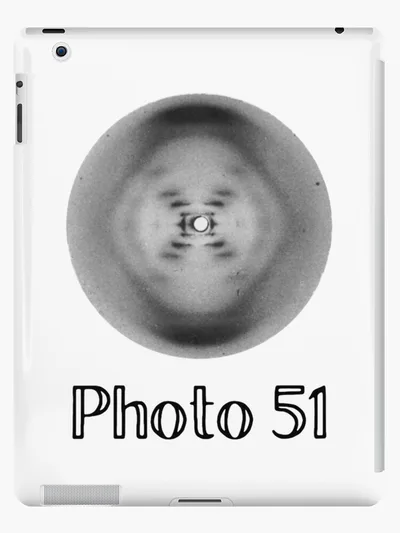
Biomolecules

media

2

Labelling

Label the Hydrogen opposite:

Drag labels to their correct position on the image

Covalent Bond

Negatively charged region

Positively charged region

3

Dropdown

Water has a number of unusual properties, caused by its ability to form
. Water forms these between other water molecules, a property known as ​
. It will also form these between other ​
​ surfaces, a property known as ​
uses both of these properties- with water interacting with the sides of the wall and pulling other water molecules up the tube.

4

Draw

Show how water would interact with a) a positive ion

b) a negative ion

5

Drag and Drop

Water will dissolve anything that is
. ​
substances can't be dissolved in water. Water has a high ​
meaning it takes a lot of energy to heat it up. This property is useful in cooling the human body through ​
.
Drag these tiles and drop them in the correct blank above
polar
Hydrophobic
specific heat capacity
perspiration

6

Match

Match the following monomers to their picture:

alpha- glucose

beta-glucose

amino acid

fructose

Adenosine monophosphate

7

Open Ended

Explain what is meant by the terms monomer and polymer.

8

Labelling

Label the diagram opposite

Drag labels to their correct position on the image

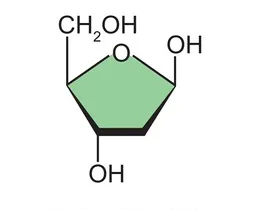
ribose

nitrogenous base

phosphate ion

deoxyribose

9

Drag and Drop

DNA is a polymer made up of​
. These are joined by a ​
reaction, where deoxyribose joins to a phosphate to form a ​
bond, making up the sugar phosphate backbone. ​
bonds form between complementary nitrogenous bases.
Drag these tiles and drop them in the correct blank above
nucleotides
nucleocides
condensation
hydrolysis
phosphodiester
Hydrogen

10

Fill in the Blanks

Type answer...

11

Match

Match the following nitrogenous bases to their complementary pair:

Adenine

Cytosine

Uracil

Thymine

Guanine

Adenine

12

Categorize

Options (18)

Uses the sugar ribose

Contains uracil as one of its bases

Involved in protein synthesis only

Single-stranded molecule

Found in the cytoplasm of a cell

Transcribed from DNA

Uses the sugar deoxyribose

Contains thymine as one of its bases

Stores genetic information and the code contains the code for protein synthesis

Double-stranded molecule

Found in the nucleus of a cell

Replicates to pass on genetic information

More stable than RNA

Forms a double helix structure in most organisms

Shorter molecule

Generally a longer molecule

Question image
Question image

Organize these options into the right categories

RNA
DNA

13

Multiple Select

Which are the two purine bases?

1

Adenine

2

Thymine

3

Cytosine

4

Guanine

14

Fill in the Blanks

Type answer...

15

Hotspot

Indicate which direction is the 5' prime end of the DNA molecule

16

Open Ended

All organic molecules are carbon based. Explain why carbon is able to form large organic molecules.

17

Draw

Draw alpha-glucose

18

Categorize

Options (20)

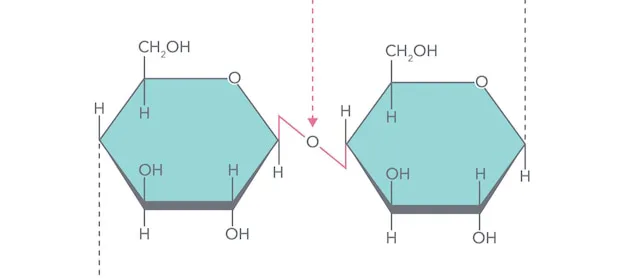
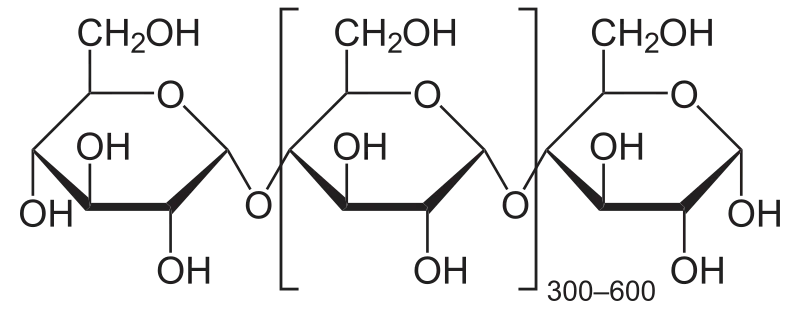
alpha-1,4-glycosidic bonds

unbranched polymer of glucose

digestible by humans

found in starch

branched polymer of glucose

contains alpha-1,4- and alpha-1,6- glycosidic bonds

introduces branches into starch

highly branched polymer of glucose

energy storage in animals

alpha-1,4-glycosidic bonds with alpha-1,6-glycosidic branches

similar structure to amylopectin

beta-1,4-glycosidic bonds

structural component of plant cell walls

indigestible by humans

linear polymer of glucose

found in plant fibers

Forms a helix

Every second glucose rotated 180 degrees
Question image
Question image

Organize these options into the right categories

Amylose
Amylopectin
Glycogen
Cellulose

19

Match

Match the following:

Glucose + Fructose

Glucose + Galactose

Glucose + Glucose

Sucrose + Water

Lactose + water

Maltose + Water

20

Open Ended

Explain why the structure of glycogen and starch make them good for energy storage.

21

Drag and Drop

Cellulose is a good molecule for structural support. It is​
allowing substances to freely diffuse to the cell membrane. The rotation of the glucose molecules allows it to form ​
, which are held together by ​
​ to form larger fibres.​
Drag these tiles and drop them in the correct blank above
fully permeable
selectively permeable
branches
straight fibrils
hydrogen bonds
glycosidic bonds

22

Labelling

Label the diagram

Drag labels to their correct position on the image

amino group

R group

carboxylic acid

23

Drag and Drop

Two amino acids are joined by ​a ​
reaction, to form a ​
. The bond between amino acids is known as a ​
bond. A larger chain of amino acids is known as a​
.
Drag these tiles and drop them in the correct blank above
condensation
hydrolysis
dipeptide
peptide
ester
phosphodiester
polypeptide

24

Match

Match the following:

Primary

Secondary

Tertiary

Quaternary

25

Categorize

Options (12)

Prosthetic groups

Multiple polypeptide chains

determined by tertiary structure

Ionic bonds

Disulphide bridges

determined by secondary structure

One polypeptide chain

hydrogen bonding only

alpha helix

beta- pleated sheets

Sequence of amino acids

determines secondary, tertiary and quaternary structu

Organize these options into the right categories:

Primary
Secondary
Tertiary
Quaternary

26

Multiple Choice

How many naturally occurring amino acids are there

1

20

2

24

3

21

4

19

27

Dropdown

Proteins have a specific shape determined by their
structure. ​
hold the ​
structure together. The tertiary structure is determined by a number of different bonds including ​
between cysteine and ​
between charged groups.

28

Drag and Drop

refers to a change in the​
structure of a protein. Changes in​
will mostly affect​ hydrogen bonds, whilst changes in pH or salt concentrations will mostly affect ​
. ​
occur between non-polar groups.
Drag these tiles and drop them in the correct blank above
Denaturing
primary
tertiary
temperature
ionic bonds
disulphide bridges
Hydrophobic interactions
hydrophilic interactions

29

Match

Match the following:

Glycerol

Fatty acid

Phospholipid

Triglyceride

Cholesterol

30

Drag and Drop

Triglycerides are formed when one glycerol joins to 3 fatty acids in a
.​
water(s) are produced as a result. Fatty acids are ​
. An ​
​ bond forms between the glycerol and the ​
group of the fatty acid.
Drag these tiles and drop them in the correct blank above
condensation reaction
hydrolysis reaction
Three
one
non-polar
polar
ester
carboxyl

31

Categorize

Options (15)

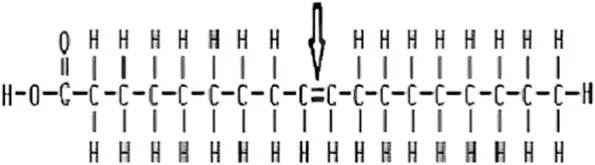
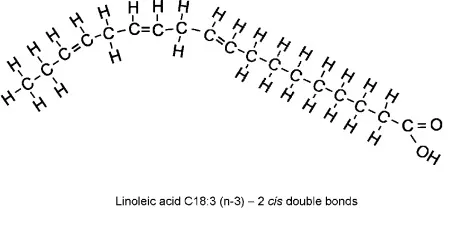
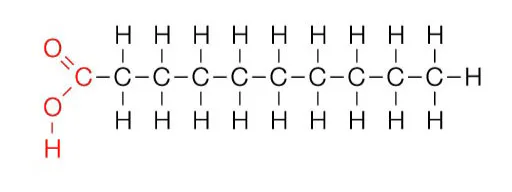
No C=C

One C=C

At least 2 C=C

typically found in animals

Often solid

Can pack tightly

At least one bend

Packs less tightly

Large kinks in tail

Packs loosely

Typically Liquid at room temperature

Often found in plants
Question image
Question image
Question image

Organize these options into the right categories:

Saturated
Monounsaturated
Polyunsaturated

32

Drag and Drop

Phospholipids form a
. This is because the head of the phospholipid is​
and interacts with ​
in the cytoplasm and tissue fluid. The tails are ​
, this prevents ​
and polar molecules crossing the bilayer without special protein channels.
Drag these tiles and drop them in the correct blank above
bilayer
hydrophilic
water
hydrophobic
ions

33

Fill in the Blanks

Type answer...

34

Open Ended

How are fats suited to their function as a long term energy storage molecule?

35

That's all folks!

Biomolecules

media

Show answer

Auto Play

Slide 1 / 35

SLIDE