

Human body systems practice

Presentation
•
Biology
•
9th Grade
•
Practice Problem
•
Medium
+1
Standards-aligned

Staci Henderson
Used 6+ times
FREE Resource
16 Slides • 10 Questions
1

Human Body Systems and Feedback
2


Digestive System
3


Circulatory System
•Heart
•Veins
•Arteries
•Blood
4


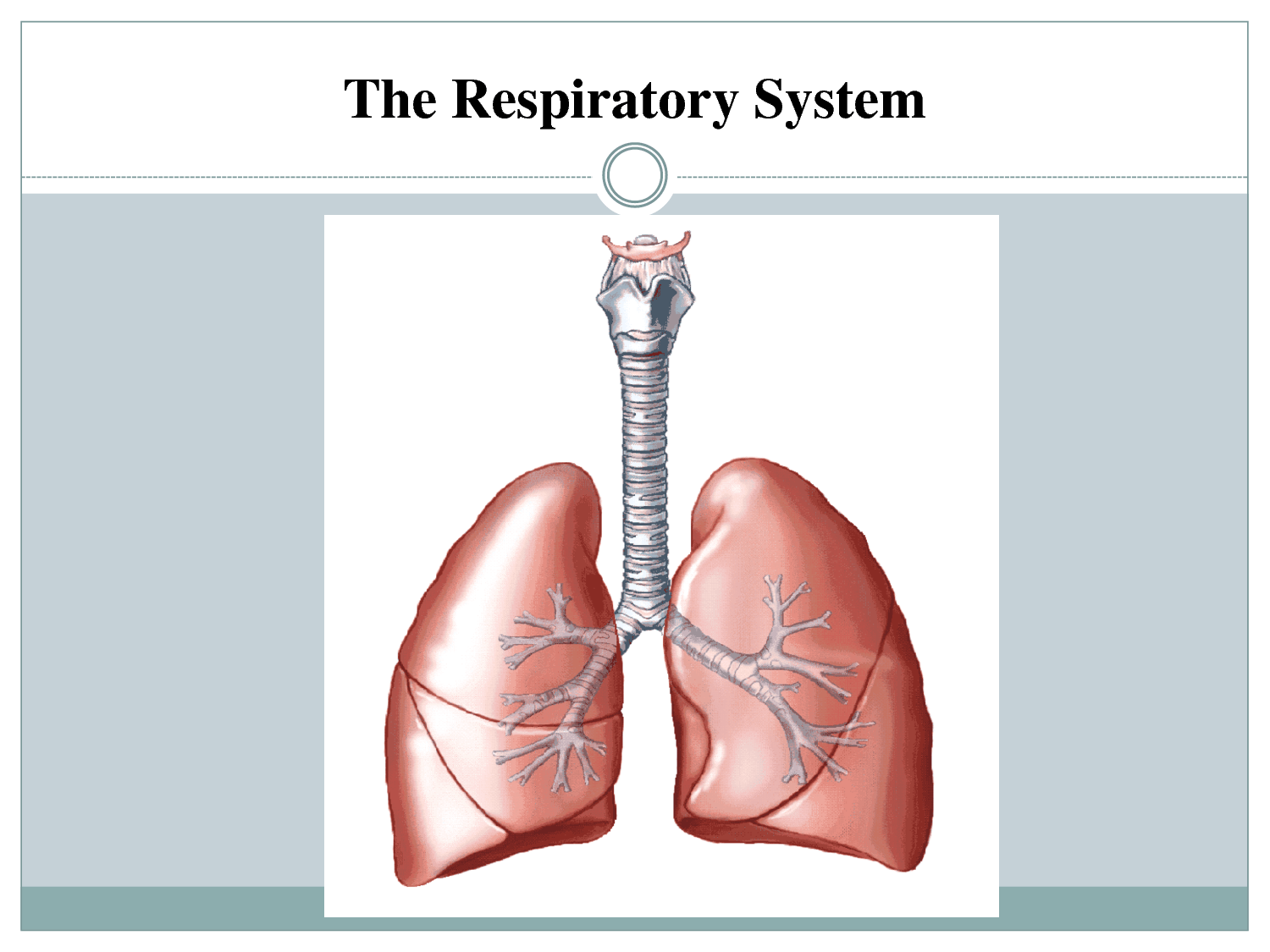
Respiratory System
5


Excretory
System
6


Immune System (Lymphatic)
Also:
White
Blood
Cells
7
Multiple Choice
8
Multiple Choice
The system that helps remove the body of waste and regulates the water balance (homeostasis); includes the kidneys and bladder
Muscular system
Excretory system
Endocrine system
Digestive system
9
Multiple Select
You are running and start to feel light-headed. Your brain is receiving messages that your body needs more oxygen. What two systems would give your muscles more oxygen?
Respiratory
Cardiovascular/ Circulatory
Excretory
Endocrine
10


Skeletal System
•Bones,
cartilage,
ligaments,
tendons,
bone
marrow
11


Muscular System
•Skeletal
muscle,
cardiac
muscle,
smooth
muscle
12


Nervous System
13


14


Endocrine
System
15


Reproductive System
16
Match
Match the following function with the correct system.
Helps transport nutrients, water, and oxygen throughout the body
Protects the vital organs and provides shape to the body
Produces hormones that help regulate growth and development
Serves as a barrier against infection and injury, outer layer of the body
Coordinates the body's response to the environment; controls the body's movement and processing
Circulatory system
Skeletal system
Endocrine system
Integumentary system
Nervous system
Circulatory system
Skeletal system
Endocrine system
Integumentary system
Nervous system
17
Match
Match the following organs with their correct system.
Brain and spinal cord
Stomach, Liver, Gallbladder, Small intestine
Bones, ligaments, bone marrow, skull
Skin, hair, sweat glands, fingernails
Lungs, nose, trachea
Nervous system
Digestive system
Skeletal system
Integumentary system
Respiratory system
Nervous system
Digestive system
Skeletal system
Integumentary system
Respiratory system
18
Multiple Choice
Health-care workers are exposed to many different types of pathogenic and nonpathogenic microorganisms. Which body systems work together to protect the body from pathogens?
Muscular system and Digestive system
Circulatory system and Immune system
Integumentary system and Skeletal system
Reproductive system and Endocrine system
19
Hotspot
Choose the basic unit of life.
20
Reorder
Reorder the following from simplest to most complex.
Cell
Tissue
Organ
Organ System
Organism
21
Homeostasis
This is the process by which our cells and our bodies maintain a stable balance of materials and temperature.
Maintaining a stable internal environment is homeostasis.
Our body systems work together to maintain homeostasis.
22
Negative Feedback Loop
Occurs to reduce the change or output: the result of a reaction is reduced to bring the system back to a stable state.
It's considered negative because the response doesn't occur forever, it eventually stops.
Example: sweating to cool your body down
23
Positive Feedback
Occurs to increase the change or output: the result of a reaction is amplified to make it occur more quickly.
Example: Contractions for childbirth
24
25
Multiple Select
Negative feedback: When we eat a meal, our blood sugar rises. Our pancreas releases a hormone called insulin to help bring our blood sugar back down to normal. In between meals, our blood sugar may dip too low. Then, our pancreas releases a hormone called glucagon to help bring our blood sugar back up. Which two systems are the most closely related in this response? (pick two)
Digestive system
Excretory system
Muscular system
Circulatory system
26
Multiple Select
Oxytocin, released by the pituitary gland, is a hormone that intensifies the muscle contractions that take place during childbirth. The stretching of the uterus triggers the secretion of oxytocin, which stimulates uterine contractions. These contractions further stretch the uterus, which cause the secretion of more oxytocin and speeds up labor. Pick two systems that work closely together in this positive feedback mechanism.
Endocrine system
Skeletal system
Reproductive system
Immune system
Human Body Systems and Feedback
Show answer
Auto Play
Slide 1 / 26
SLIDE
Similar Resources on Wayground

22 questions
Ecological Succession
Presentation
•
9th Grade
23 questions
osmosis and diffusion
Presentation
•
9th Grade
17 questions
Renewable & Non-Renewable Resources
Presentation
•
9th Grade
20 questions
Human Dependency on Resources
Presentation
•
8th Grade
20 questions
Microbiology intro
Presentation
•
10th Grade
21 questions
Mutations
Presentation
•
8th Grade
19 questions
Evidence of Evolution
Presentation
•
10th Grade
20 questions
INFORMATIKA 9
Presentation
•
9th Grade
Popular Resources on Wayground
6 questions
Secondary Safety Quiz
Presentation
•
9th - 12th Grade
10 questions
Afterschool Activities & Sports

Quiz
•
6th - 8th Grade
19 questions
ROAR Week 2026
Quiz
•
9th - 12th Grade
20 questions
Lab Safety Quiz
Quiz
•
6th Grade
15 questions
Cool Tool:Chromebook
Quiz
•
6th - 8th Grade
22 questions
would you rather
Quiz
•
3rd - 11th Grade
21 questions
Continents and Oceans
Quiz
•
6th Grade
20 questions
Parts of Speech
Quiz
•
5th Grade
Discover more resources for Biology
12 questions
Lab Safety Quizizz
Quiz
•
9th Grade
20 questions
Characteristics of Life
Quiz
•
9th - 10th Grade
10 questions
Exploring the 4 Major Macromolecules and Their Functions

Interactive video
•
9th - 12th Grade
44 questions
Biology Pretest
Quiz
•
9th - 12th Grade
12 questions
Characteristics of Life Review
Quiz
•
9th Grade
37 questions
Unit 1: Macromolecules & Cells
Quiz
•
9th Grade
20 questions
Characteristics of Life
Quiz
•
7th - 10th Grade
20 questions
Experimental Design
Quiz
•
9th Grade