

Ecosystems revision

Presentation
•
Biology
•
12th Grade
•
Practice Problem
•
Medium

Deanne Wilson
Used 3+ times
FREE Resource
26 Slides • 29 Questions
1

Revision Lesson
2
You should be able to give the meaning of the following terms
Species, biodiversity, population
producer, consumer, herbivore
carnivore, omnivore, predator
prey, community, habitat.
3

Learning Intentions and Success Criteria
Learning Intention:
To learn about the factors which affect the distribution of organisms.
Success Criteria:
By the end of the lesson, I can:
• State the definition of biotic and abiotic factors.
• Identify and give examples of biotic and abiotic factors.
4
Multiple Choice
A group of organisms of the same species
Community
Population
Niche
Biodiversity
5
Multiple Choice
Where an organism lives
Habitat
Ecosystem
Biome
Niche
6
Multiple Choice
All the organisms in one area
Niche
Species
Population
Community
7
Multiple Choice
All the living organisms and non living factors they interact with
Habitat
Community
Ecosystem
Population
8
Multiple Choice
An organism that makes its own food using energy from the sun
Consumer
Producer
Herbivore
Carnivore
9
Multiple Choice
A group of organisms that can interbreed to produce fertile offspring
Population
Community
Niche
Species
10

Learning Intentions and Success Criteria
Learning Intention:
To learn about niches of organisms and competition.
Success Criteria:
By the end of the lesson, I can:
• State the definition of a niche.
• Describe the niche of an organism.
• State the definition of intraspecific and interspecific competition.
• Identify examples of intraspecific and interspecific competition.
11
Multiple Choice
The role of an organisms in its ecosystem
Population
Community
Niche
Species
12
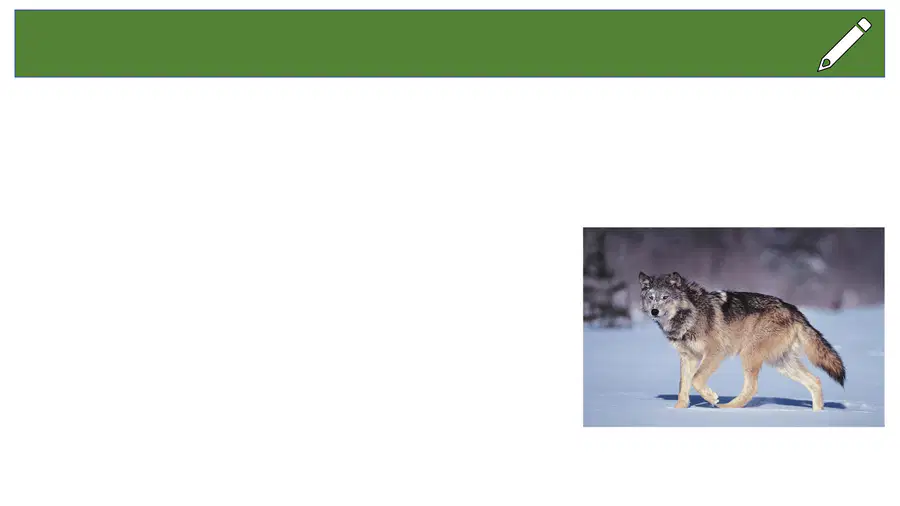
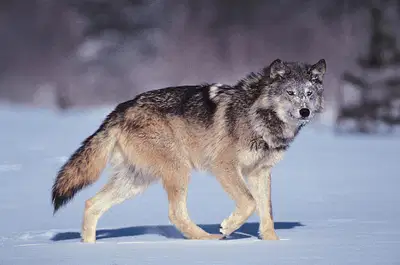
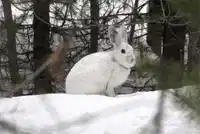
Competition
• Competition is when two or more organisms require the same or
similar resources which are in short supply.
13
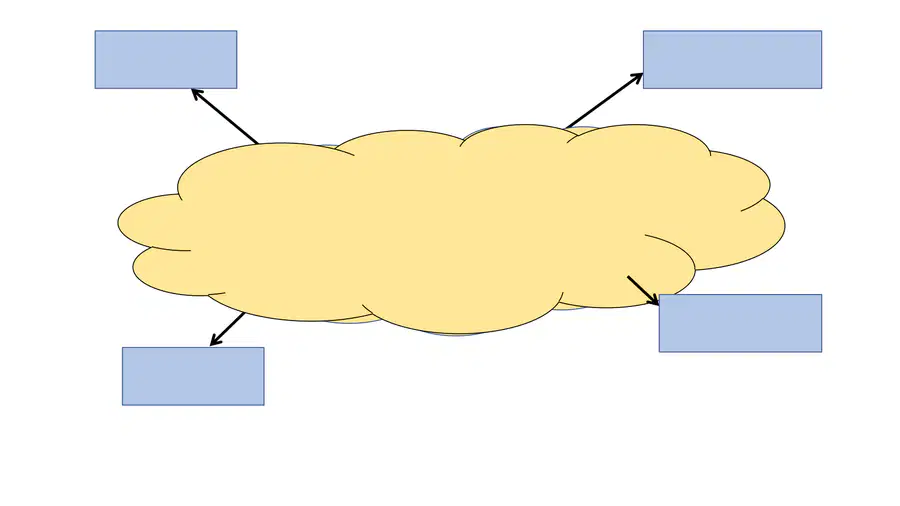
Competition in
plants
Nutrients
Light
Water
Space
14
Competition in
animals
Water
Food
Habitat
Mates
15

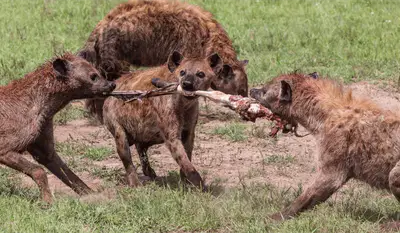
Types of Competition
Competition exists between members of the same species.
It also exists between species!
We give names to describe these types of competition.
16

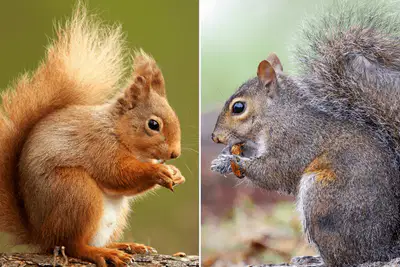
Interspecific Competition
• Interspecific competition between individuals of different species for
similar resources.
• For example: red and grey squirrels.
Interspecific
=
Different
17

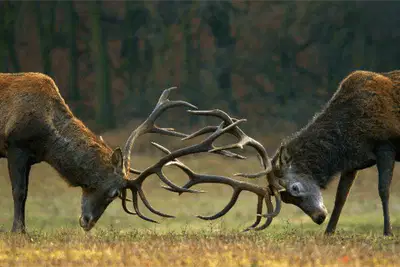
Intraspecific Competition
• Intraspecific competition occurs between members of the same
species for the same resources.
• It is more intensive than interspecific as the individuals have the same
niche.
Intraspecific
=
Same
18
Multiple Choice
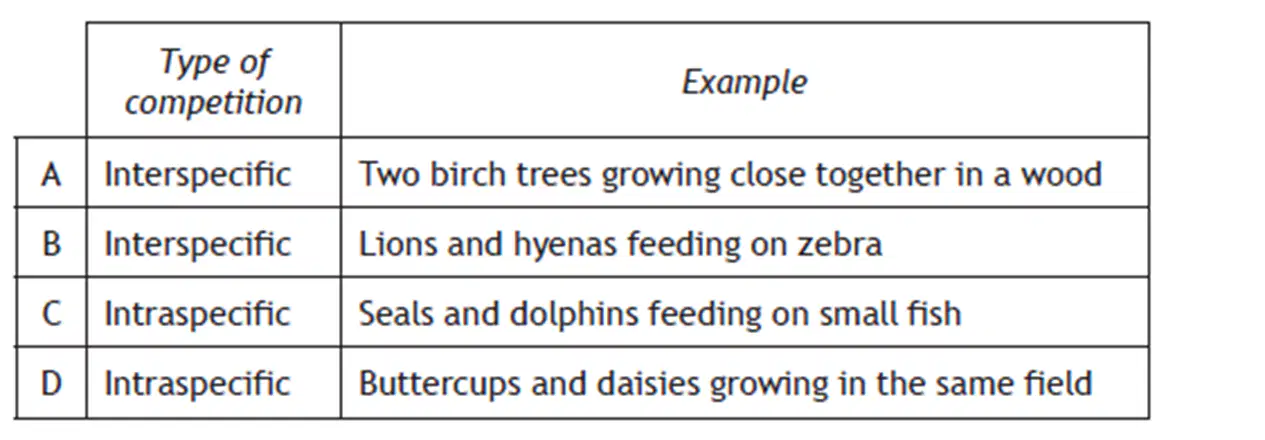
Which of the following rows correctly describes a type of competition?
A
B
C
D
19
Learning Intentions and Success Criteria
Learning Intention:
To learn about biotic and abiotic factors
Success Criteria:
By the end of the lesson, I can:
• State the definition of biotic factors
• Give examples of biotic factors
• State the definition of abiotic factors
• Give examples of abiotic factors
20
Competition for
resources
Living factors of the
environment
Grazing
Predation
Food availability
Disease
Biotic Factors
21
Light Intensity
Abiotic Factors
Temperature
pH
Moisture
Non-living factors of the
environment
22
Multiple Choice
Is the factor is biotic or abiotic?
Temperature
Abiotic
Biotic
23
Multiple Choice
Is the factor is biotic or abiotic?
Disease
Abiotic
Biotic
24
Multiple Choice
Is the factor is biotic or abiotic?
pH
Abiotic
Biotic
25
Multiple Choice
Is the factor is biotic or abiotic?
Competition
Abiotic
Biotic
26
Multiple Choice
Is the factor is biotic or abiotic?
Soil moisture
Abiotic
Biotic
27
Multiple Choice
Is the factor is biotic or abiotic?
Food availability
Abiotic
Biotic
28
Multiple Choice
Is the factor is biotic or abiotic?
Humidity
Abiotic
Biotic
29
Multiple Choice
Is the factor is biotic or abiotic?
Wind speed
Abiotic
Biotic
30
Multiple Choice
Which of the following statements is true of predation?
It is an abiotic factor and causes a decrease in prey numbers
It is an abiotic factor and causes an increase in prey numbers
It is a biotic factor and causes a decrease in prey numbers
It is a biotic factor and causes an icrease in prey numbers
31
Multiple Choice
Is the factor is biotic or abiotic?
Predation
Abiotic
Biotic
32
Multiple Choice
An ecosystem consists of abiotic factors plus a
community and its biodiversity
population and its biodiversity
population and its habitat
community and its habitat
33
Multiple Choice
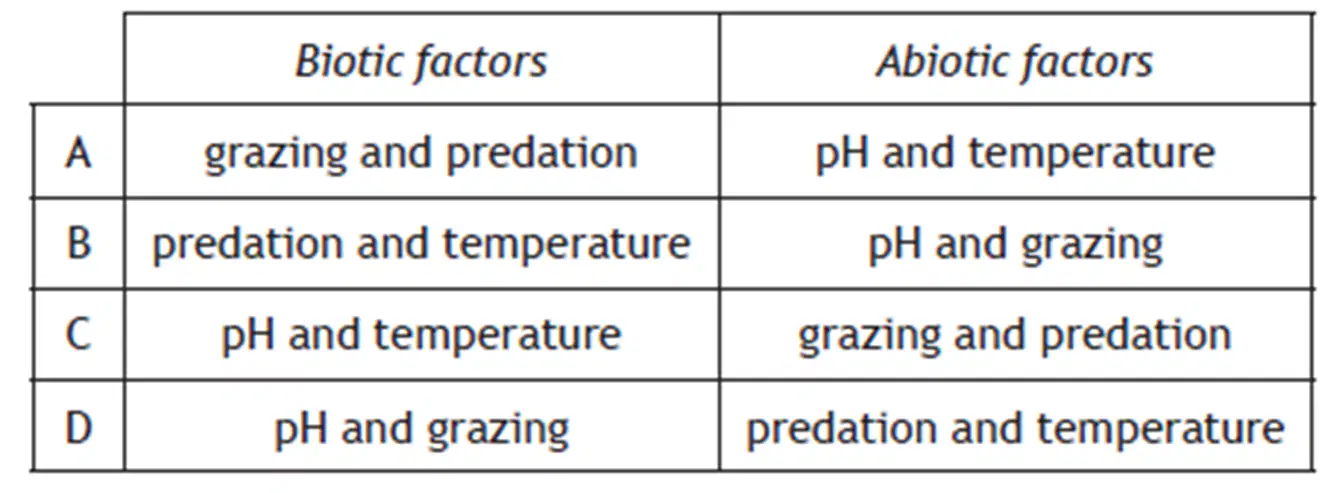
Which line in the table correctly identifies biotic and abiotic factors that can affect a population?
A
B
C
D
34
Open Ended
Soil moisture and temperature are abiotic factors that can affect plant growth.
Name one other abiotic factor that can affect pant growth.
35

Learning Intentions and Success Criteria
Learning Intention:
To learn about how to measure abiotic factors
Success Criteria:
By the end of the lesson, I can:
• Describe how to measure light intensity and identify sources of error.
• Describe how to measure soil moisture and identify sources of error.
• Describe how to measure temperature and identify sources of error.
• Describe how to measure pH and identify sources of error.
36
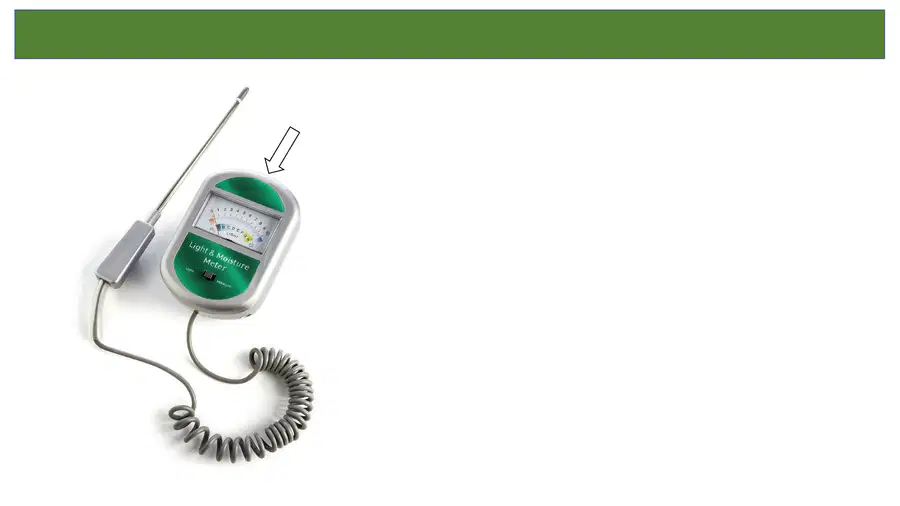
Light Intensity – Light Meters
• At soil level, point the light
sensitive panel towards
direction of maximum light
intensity.
• Measure using the meter.
Light sensitive
panel
37
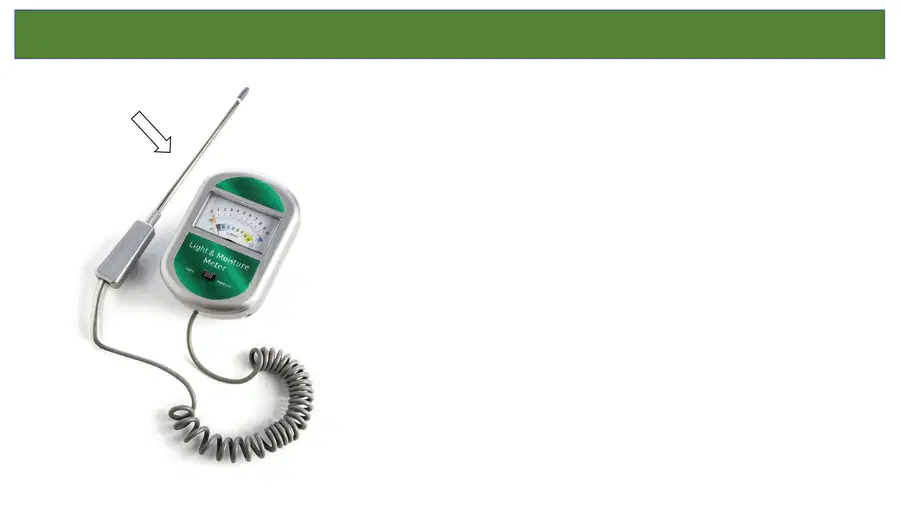
Soil Moisture/pH Meter
• Insert the probe into the soil,
allow meter to settle.
• Measure using the meter.
Moisture probe
38

Measuring Abiotic Factors
Abiotic factor
Equipment used for
measurement
Possible source of error
Ways to minimise error
Light intensity
Light meter
1.
Observer casts shadow on
meter.
2.
Taking measurements at
different time of day.
1.
Do not cast shadow over
light sensitive panel.
2.
All measurements taken as
near the same time of day
as possible.
Soil Moisture
Moisture meter
1.
Moisture remains on the
probe
1.
Wipe probe after each
measurement
pH
pH meter
1.
Moisture remains on the
probe
1.
Wipe probe after each
measurement
Temperature
Thermometer
1.
Taking measurement before
meter has settled.
2.
Not inserting into same
depth of soil.
1.
Leave time to adjust before
taking reading.
2.
Insert into same soil depth
each time.
39
Fill in the Blanks
Replace the underlined word to make the sentence correct.
A possible source of error when using a moisture meter is not taking samples at the same time of day.
40
Fill in the Blanks
Replace the underlined word to make the sentence correct.
To make results reliable, you should take many samples and calculate a whole number ratio.
41
Fill in the Blanks
Replace the underlined word to make the sentence correct.
When using a light meter, you should wipe the probe in between readings.
42
Fill in the Blanks
Replace the underlined word to make the sentence correct.
When measuring temperature, you use a pH meter.
43

Learning Intentions and Success Criteria
Learning Intention:
To learn about how energy is transferred through a food chain.
Success Criteria:
By the end of the lesson, I can:
• State how energy is lost in a food chain.
• Give the use of energy which is available at the next stage of a food
chain.
44
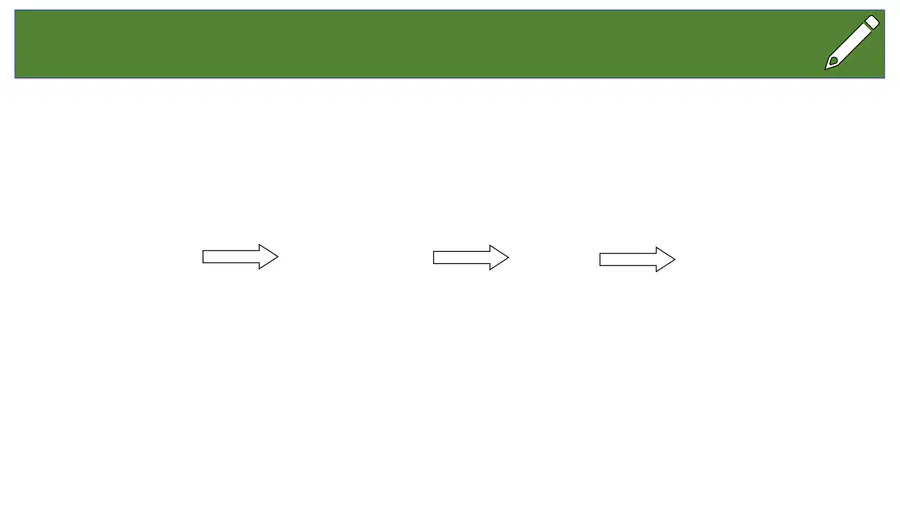



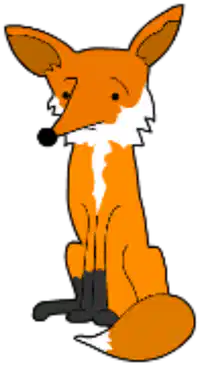
Food Chains and Energy
• Energy is transferred from one level to the next as you move up the
food chain.
• However, most of this energy is lost when this transfer happens.
caterpillar
leaf
bird
fox
45

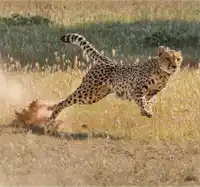
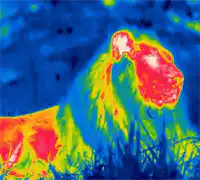
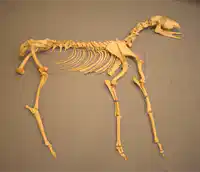
How is energy lost in a food chain?
Energy is lost as:
1.Movement
2.Heat
3.Indigestible materials
46

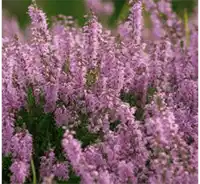
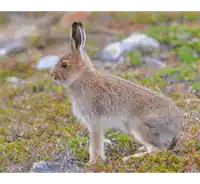
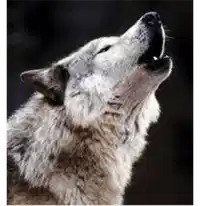
Using energy for growth
• Growth is the only use of energy which is available at the next level
of a food chain.
Energy from
growth
Energy from
growth
• Because growth results in new tissue, when consumed, the energy
can be passed on to the next level.
47
Multiple Choice
Most of the energy is lost at each energy transfer in a food chain. What is one cause of this energy loss?
Digested material
Cell repair
Movement
Growth
48

Learning Intentions and Success Criteria
Learning Intention:
To learn about how food chains can be represented using pyramids.
Success Criteria:
By the end of the lesson, I can:
• State the definition of a pyramid of numbers.
• Draw a pyramid of numbers from a food chain.
• State the definition of a pyramid of energy.
• Draw a pyramid of energy from a food chain.
49
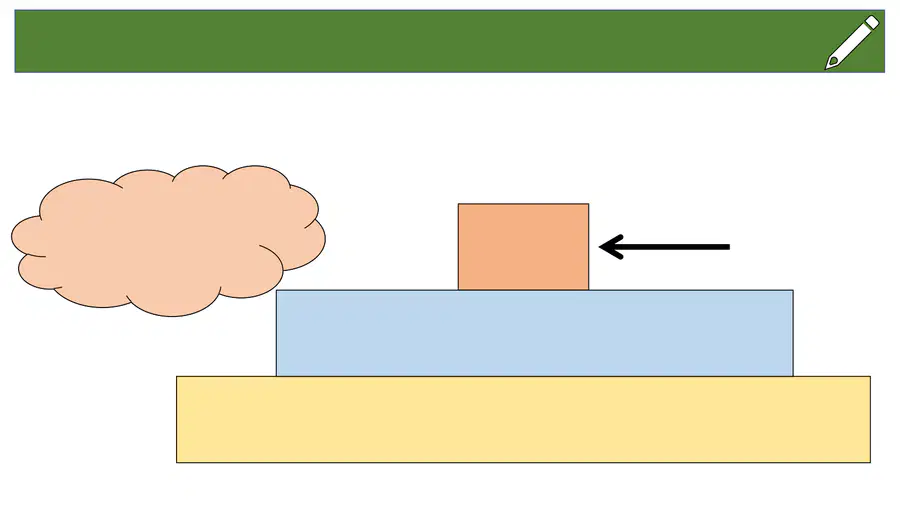
Pyramid of Numbers
• A pyramid of numbers shows the total number of organisms at each
level of a food chain/web.
Grass (Producer)
Wolf
Rabbit (Primary Consumer)
Secondary
Consumer
50
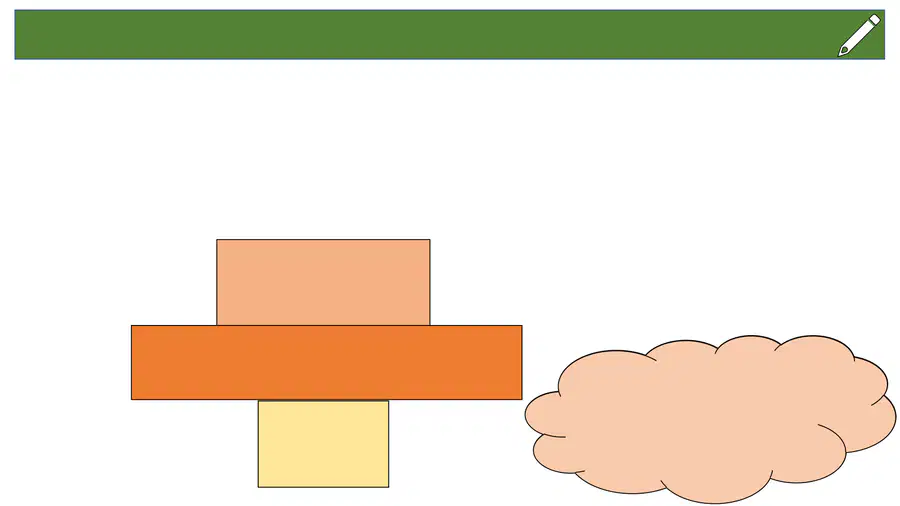
Irregular Pyramid of Numbers
• Sometimes, the number of organisms at each level results in an
irregular shaped pyramid of numbers.
• Remember: if it starts with a tree, the pyramid will look like a tree!
Caterpillar
Bird
Tree
51
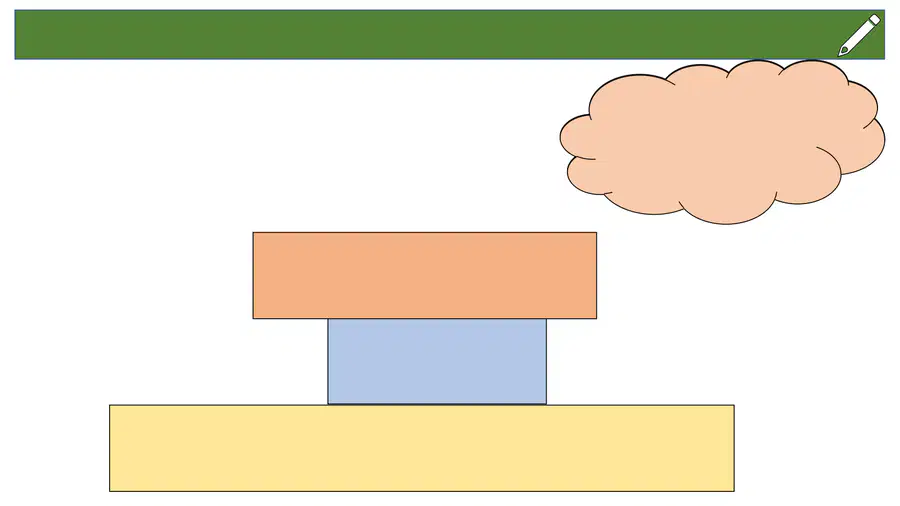
Irregular Pyramid of Numbers
Another example:
Grass → Rabbits → Mites (parasite)
Parasite (flea)
Rabbit
Grass
52
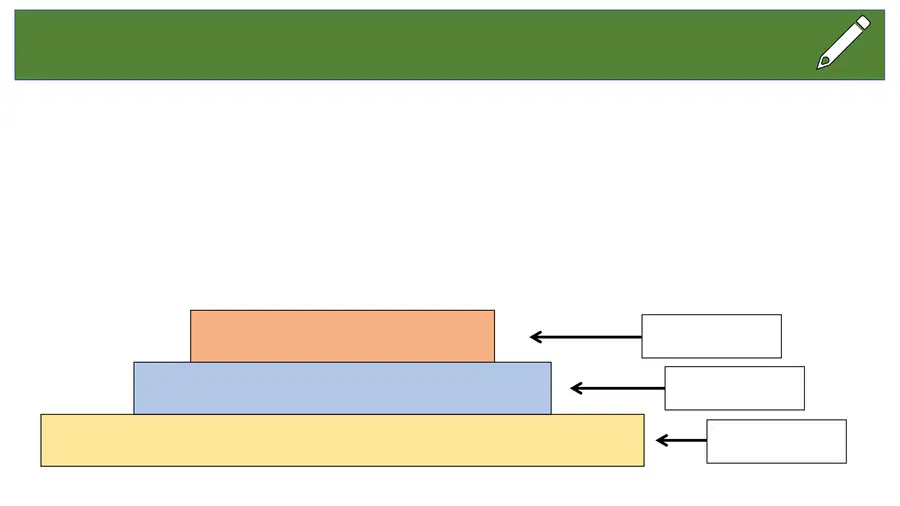
Pyramid of Energy
• A pyramid of energy shows the total quantity of available energy
stored in the biomass of organisms at each level in the food
chain/web of an ecosystem per year.
• It looks like a regular pyramid as energy is lost at each level.
Grass
Rabbit
Parasite
10,000
1000
100
53
Multiple Choice
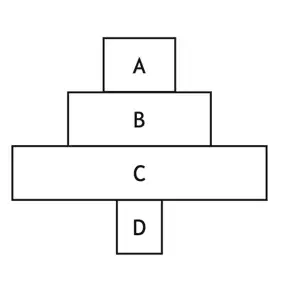
The diagram shows a pyramid of numbers.
Which letter shows the producers?
A
B
C
D
54
Multiple Choice
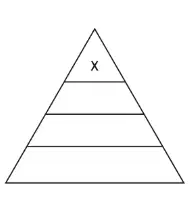
The diagram shows a pyramid of energy.
There is less energy at layer X because
There are fewer organisms at each level in the food chain
The organisms at level X are very small
Energy is lost at each level in a food chain
Energy is stored at each level and not passed on
55
Multiple Choice
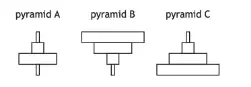
The diagram shows 3 pyramids of numbers. Which pyramid could represent the food chain below?
Rose bush --> greenfly--> ladybird --> blackbird
A
B
C
Revision Lesson
Show answer
Auto Play
Slide 1 / 55
SLIDE
Similar Resources on Wayground

49 questions
Market Structures of Competition
Presentation
•
11th - 12th Grade
49 questions
T3.C1.6 | Academic Text Structure | Introduction
Presentation
•
12th Grade
51 questions
Corporate Finance
Presentation
•
12th Grade
46 questions
Roman empire
Presentation
•
12th Grade
53 questions
Cell Cycle
Presentation
•
11th Grade
47 questions
IA study guide 3 of 3
Presentation
•
12th Grade
53 questions
AP Biology Cell Energetics
Presentation
•
12th Grade
53 questions
Cell Respiration
Presentation
•
12th Grade
Popular Resources on Wayground
10 questions
Safety Day 2026 – Student Review

Quiz
•
9th Grade
21 questions
Continents and Oceans
Quiz
•
6th Grade
20 questions
Parts of Speech
Quiz
•
5th Grade
16 questions
Subject & Predicate
Quiz
•
5th Grade
25 questions
Multiplication Facts
Quiz
•
5th Grade
12 questions
Map Skills
Quiz
•
3rd Grade
22 questions
Continents and Oceans
Quiz
•
5th Grade
15 questions
Rounding Decimals
Quiz
•
5th Grade
Discover more resources for Biology
20 questions
Cell Transport
Quiz
•
9th - 12th Grade
8 questions
DNA vs. RNA
Presentation
•
9th - 12th Grade
16 questions
Epithelial tissues
Quiz
•
11th - 12th Grade
15 questions
DNA Structure and Replication
Quiz
•
9th - 12th Grade
20 questions
Ecological Succession Review
Quiz
•
9th - 12th Grade
3 questions
Enzymes & Energy
Quiz
•
9th - 12th Grade
38 questions
Mitosis & Meiosis
Quiz
•
9th - 12th Grade
37 questions
DNA/RNA practice part 2
Quiz
•
9th - 12th Grade