

Active Listening and Giving Feedback

Presentation
•
Professional Development
•
Professional Development
•
Practice Problem
•
Hard

Heather Graham
FREE Resource
102 Slides • 0 Questions
1

Active Listening, Feedback
and Action Setting
The webinar will begin shortly
2


Aims and Objectives
Understand how to give constructive feedback and set meaningful
objectives for development
•
Demonstrate active listening techniques
•
State the features of constructive feedback
•
List the pitfalls when giving feedback
•
Describe coaching models for structuring feedback
•
Describe the SMART model for setting objectives
•
Demonstrate the writing of a SMART action plan
3


Active Listening
4

Effective communication is more than picking the right words and
engaging an audience, of one or of many. It is also about learning to
listen.
Becoming an engaged listener
To communicate effectively you don’t have to agree with
someone, or even like them! But you do have to set aside
judgement, blame and criticism in order to fully understand
them.
Active Listening makes people feel heard and understood,
which can help build positive relationships, lower stress,
promote
mental
wellbeing
and
create
productive
workplaces.
5

Active Listening
•Pay Attention!
•Don’t interrupt
•Show interest / Acknowledge
•Summarise / Paraphrase
•Provide Feedback
6

Active Listening
7

Active Listening
Have a Go!
Uh huh
Go on..
So what
you’re
saying is….
Sounds like
you’re
saying..
8


Giving Feedback
9


Constructive Feedback
•
Encourages reflection
•
Builds self esteem
•
Identifies effective practice
•
Promotes awareness
•
Helps identify actions
•
Brings about change
10

Feedback Methods
What are the features of effective feedback?
•
Feedback Sandwich
• Specific
• Meaningful
• Proactive / Goal oriented
• Future focussed
• Timely
What methods of feedback might we use?
11

Feedback Methods
What are the features of effective feedback?
•
Feedback Sandwich
•
Mutual Learning Approach
• Specific
• Meaningful
• Proactive / Goal oriented
• Future focussed
• Timely
What methods of feedback might we use?
12

•Location (Privacy)
•Timing
•Evidence base/ Examples
•Internal relationships
•Over-friendly/over-officious attitude
•Over-talking
•Lack of clear improvement messages.
Potentials Pitfalls
13

Coaching Models
GROW
Model
CLEAR
Model
OSKAR
Model
14


GROW Model
Goal
Reality
Options
Way
Forward
15


CLEAR Model
Contracting
Listening
Exploring
Action
Review
Establish what outcomes they want to achieve. Opening up the
discussion and establishing the scope of the coaching, Setting
ground rules for working together
Using Active Listening and empathy to help the person gain an
understanding of their situation
Help the person understand the personal impact the situation is
having on them as well as the organisational impact on the
business and colleagues
Helping the person choose a way forward and decide on their next
steps
Closing out the session with a recap and encouraging feedback
on what went well and what might work better in future coaching
sessions.
16


OSKAR Model
What do they want to achieve short, medium and long term as well as
from this session.
On a scale of 1 – 10 where are they in relation to this goal
What Skills or Knowledge do you already have and is there anything
similar that has worked before? What are they known for doing well?
Give positive reinforcement to positives discussed and decide on
small actions to move towards desired goal.
Review progress against the actions. This is likely to be at the start of
the next coaching session. What is better and what made that work?
Outcome
Scaling
Know-How
Affirm & Action
Review
17


Action Planning
18

Working S.M.A.R.T
Specific
Measurable
Achievable
Relevant
Time based
19

Working S.M.A.R.T
Specific
A vague goal does not allow your employee to understand
how they can contribute to the success of the target you
want them to achieve.
A specific goal should describe an observable action,
behaviour or result
When creating a specific action ask:
• What needs to be accomplished?
• What steps need to be taken to achieve it?
• What parts of the goal are essential?
Specific
20

Measurable
A SMART action has criteria for measuring progress.
Without these, you will not be able to determine your
employees progress and if they are on track to reach the
goal.
When creating a measurable action ask:
• How do I know they’ve completed the action?
• What are the key indicators for progress?
• What does success look like?
Measurable
Working S.M.A.R.T
21

Achievable
There is no point giving someone an action they don’t
have the skills or resources to achieve, without also
supporting their development.
The goal should make them feel challenged, but be
defined well enough that they can achieve it.
When creating an achievable action ask:
• Given the available time and resources, is the action
achievable?
• What support might they need to develop the necessary
skills?
Working S.M.A.R.T
Achievable
22

Relevant
Actions should be relevant to the role or desired
development of the employee. They need to understand
how this goal will contribute to the business and help them
progress.
When creating a relevant action ask:
• Is the action relevant to the role, development or
aspirations of the employee?
• How will this action help the person develop or
contribute to the business goals?
Working S.M.A.R.T
Relevant
23

Time based
A time based action has a clear start time and a clear end
date.
For long term goals, try to split the action into monthly or
quarterly goals towards meeting the overall aim.
When creating a time based action ask:
• When do they need to accomplish this by?
• What check in points do I need to put in place to check
progress towards this goal?
Working S.M.A.R.T
Time based
24


Action Plan
Reduce the number of spelling and grammatical errors in written reports
S
Reduce the number of spelling and grammatical errors in written reports
M
Comparing the number of errors to previous reports
A
Easy to fix. If barriers such as Dyslexia exist, suggest strategies to support, such
as spelling and grammar check programs or speak to type software
R
Not out of the bounds of their ability / Related to the issue or development
T
A reasonable time frame in which to improve their skills
Issue: Comms logs have lots of mistakes throughout.
What is our SMART objective?
25


E-learning is outstanding and needs to be completed
S
pecific
M
easurable
A
chievable
R
elevant
T
imebound
Action Planning
Make it SMART!
Someone is off sick a lot
Development: Someone wants to take on additional
responsibility as a Mentor
Recruiter isn’t monitoring where people learned about
available jobs with Right at Home
Someone wants to improve their knowledge of Diabetes
26

Goal Setting
Bums on a Rugby Post!
27

Goal Setting
Bums on a Rugby Post!
hat
ho
hy
hen
o
w
28

Goal Setting
hat is the action that needs to be taken? Make it SMART!
hy is this action being given?
ho will undertake the action?
hen will the action be done / completed?
ow will it be done? Think coaching models.
29

Take the SMART actions you wrote in the previous slides and
create an action plan using Who, What, Why, When, How.
Goal setting
30


Aims and Objectives
Understand how to give constructive feedback and set
meaningful objectives for development
•
Demonstrate active listening techniques
•
State the features of constructive feedback
•
List the pitfalls when giving feedback
•
Describe coaching models for structuring feedback
•
Describe the SMART model for setting objectives
•
Demonstrate the writing of a SMART action plan
31

?
?
?
?
?
?
?
?
?
?
?
?
?
?
?
?
?
?
?
?
?
?
?
?
Any Questions?
32


Managing Difficult Conversations
Heather Graham
Tuesday 9 July 2024
The webinar will begin shortly
33
Tuesday 9 July 2024
Active Listening, Feedback
and Action Setting
The webinar will begin shortly
34
Aims and Objectives
Understand how to give constructive feedback and set meaningful
objectives for development
•
Demonstrate active listening techniques
•
State the features of constructive feedback
•
List the pitfalls when giving feedback
•
Describe coaching models for structuring feedback
•
Describe the SMART model for setting objectives
•
Demonstrate the writing of a SMART action plan
35
Active Listening
36
Effective communication is more than picking the right words and
engaging an audience, of one or of many. It is also about learning to
listen.
Becoming an engaged listener
To communicate effectively you don’t have to agree with
someone, or even like them! But you do have to set aside
judgement, blame and criticism in order to fully understand
them.
Active Listening makes people feel heard and understood,
which can help build positive relationships, lower stress,
promote
mental
wellbeing
and
create
productive
workplaces.
37
Active Listening
•Pay Attention!
•Don’t interrupt
•Show interest / Acknowledge
•Summarise / Paraphrase
•Provide Feedback
38
Active Listening
39
Active Listening
Have a Go!
Uh huh
Go on..
So what
you’re
saying is….
Sounds like
you’re
saying..
40
Giving Feedback
41
Constructive Feedback
•
Encourages reflection
•
Builds self esteem
•
Identifies effective practice
•
Promotes awareness
•
Helps identify actions
•
Brings about change
42
Feedback Methods
What are the features of effective feedback?
•
Feedback Sandwich
• Specific
• Meaningful
• Proactive / Goal oriented
• Future focussed
• Timely
What methods of feedback might we use?
43
Feedback Methods
What are the features of effective feedback?
•
Feedback Sandwich
•
Mutual Learning Approach
• Specific
• Meaningful
• Proactive / Goal oriented
• Future focussed
• Timely
What methods of feedback might we use?
44
•Location (Privacy)
•Timing
•Evidence base/ Examples
•Internal relationships
•Over-friendly/over-officious attitude
•Over-talking
•Lack of clear improvement messages.
Potentials Pitfalls
45
Coaching Models
GROW
Model
CLEAR
Model
OSKAR
Model
46
GROW Model
Goal
Reality
Options
Way
Forward
47
CLEAR Model
Contracting
Listening
Exploring
Action
Review
Establish what outcomes they want to achieve. Opening up the
discussion and establishing the scope of the coaching, Setting
ground rules for working together
Using Active Listening and empathy to help the person gain an
understanding of their situation
Help the person understand the personal impact the situation is
having on them as well as the organisational impact on the
business and colleagues
Helping the person choose a way forward and decide on their next
steps
Closing out the session with a recap and encouraging feedback
on what went well and what might work better in future coaching
sessions.
48
OSKAR Model
What do they want to achieve short, medium and long term as well as
from this session.
On a scale of 1 – 10 where are they in relation to this goal
What Skills or Knowledge do you already have and is there anything
similar that has worked before? What are they known for doing well?
Give positive reinforcement to positives discussed and decide on
small actions to move towards desired goal.
Review progress against the actions. This is likely to be at the start of
the next coaching session. What is better and what made that work?
Outcome
Scaling
Know-How
Affirm & Action
Review
49
Action Planning
50
Working S.M.A.R.T
Specific
Measurable
Achievable
Relevant
Time based
51
Working S.M.A.R.T
Specific
A vague goal does not allow your employee to understand
how they can contribute to the success of the target you
want them to achieve.
A specific goal should describe an observable action,
behaviour or result
When creating a specific action ask:
• What needs to be accomplished?
• What steps need to be taken to achieve it?
• What parts of the goal are essential?
Specific
52
Measurable
A SMART action has criteria for measuring progress.
Without these, you will not be able to determine your
employees progress and if they are on track to reach the
goal.
When creating a measurable action ask:
• How do I know they’ve completed the action?
• What are the key indicators for progress?
• What does success look like?
Measurable
Working S.M.A.R.T
53
Achievable
There is no point giving someone an action they don’t
have the skills or resources to achieve, without also
supporting their development.
The goal should make them feel challenged, but be
defined well enough that they can achieve it.
When creating an achievable action ask:
• Given the available time and resources, is the action
achievable?
• What support might they need to develop the necessary
skills?
Working S.M.A.R.T
Achievable
54
Relevant
Actions should be relevant to the role or desired
development of the employee. They need to understand
how this goal will contribute to the business and help them
progress.
When creating a relevant action ask:
• Is the action relevant to the role, development or
aspirations of the employee?
• How will this action help the person develop or
contribute to the business goals?
Working S.M.A.R.T
Relevant
55
Time based
A time based action has a clear start time and a clear end
date.
For long term goals, try to split the action into monthly or
quarterly goals towards meeting the overall aim.
When creating a time based action ask:
• When do they need to accomplish this by?
• What check in points do I need to put in place to check
progress towards this goal?
Working S.M.A.R.T
Time based
56
Action Plan
Reduce the number of spelling and grammatical errors in written reports
S
Reduce the number of spelling and grammatical errors in written reports
M
Comparing the number of errors to previous reports
A
Easy to fix. If barriers such as Dyslexia exist, suggest strategies to support, such
as spelling and grammar check programs or speak to type software
R
Not out of the bounds of their ability / Related to the issue or development
T
A reasonable time frame in which to improve their skills
Issue: Comms logs have lots of mistakes throughout.
What is our SMART objective?
57
E-learning is outstanding and needs to be completed
S
pecific
M
easurable
A
chievable
R
elevant
T
imebound
Action Planning
Make it SMART!
Someone is off sick a lot
Development: Someone wants to take on additional
responsibility as a Mentor
Recruiter isn’t monitoring where people learned about
available jobs with Right at Home
Someone wants to improve their knowledge of Diabetes
58
Goal Setting
Bums on a Rugby Post!
59
Goal Setting
Bums on a Rugby Post!
hat
ho
hy
hen
o
w
60
Goal Setting
hat is the action that needs to be taken? Make it SMART!
hy is this action being given?
ho will undertake the action?
hen will the action be done / completed?
ow will it be done? Think coaching models.
61
Take the SMART actions you wrote in the previous slides and
create an action plan using Who, What, Why, When, How.
Goal setting
62
Aims and Objectives
Understand how to give constructive feedback and set
meaningful objectives for development
•
Demonstrate active listening techniques
•
State the features of constructive feedback
•
List the pitfalls when giving feedback
•
Describe coaching models for structuring feedback
•
Describe the SMART model for setting objectives
•
Demonstrate the writing of a SMART action plan
63
?
?
?
?
?
?
?
?
?
?
?
?
?
?
?
?
?
?
?
?
?
?
?
?
Any Questions?
64


Objectives
• Understand factors that make conversations difficult
• State how to plan for a difficult conversation
• List the steps that can be followed to help structure a difficult conversation
• List derailing events and how to deal with them
• Understand the links to other issues such as Wellbeing and good mental
health.
65

Managing Conversations
From time to time all coaches, mentors or managers will face conversations which
they anticipate will be difficult and which they may feel ill-equipped to handle.
Delaying rarely resolves the issue!
Discussion:
Think back to a conversation you have had
(or avoided!) that you considered difficult:
• What was it about?
• What made it difficult?
66


What makes a conversation challenging?
High
Stakes
Opposing
viewpoints
Uncertainty:
how will
the
conversation
go?
Time
pressures
Not liking
confrontation
High
emotions
involved
67


Managing difficult conversations
Prepare
Prior Planning prevents
poor performance!
68


They are so
disorganised
They are
unprofessional.
They have a poor
attitude to work
They can’t find pieces of work
when asked
They take several days to
reply to emails
They use disparaging
language to talk about
clients/colleagues to other
clients/colleagues
They are often on Social
media throughout the day
They have a high absence
rate and complain about
workload
Managing difficult conversations
69


‘Noticed’
‘Wondering’
Managing difficult conversations
Prepare
Introduce the conversation
Describe the issue
State the impact
Give your motivation
70

Derailing Events
Anger / Shouting
Upset / Crying / Taking offense
Denial
Defensiveness
Blaming / Accusing
Stonewalling
71


‘Wondering’
Managing difficult conversations
Prepare
Introduce the conversation
Describe the issue
State the impact
Give your motivation
Ask their thoughts/perspective
72


‘Noticed’
‘Wondering’
Propose/Discuss Solutions
Make a plan of action
Prepare
Introduce the conversation
Describe the issue
State the impact
Give your motivation
Ask their thoughts/perspective
Managing difficult conversations
73

• Pay attention to your delivery – tone, volume, pace
• Phrase things as neutrally as possible
• Challenge yourself to think before reacting!
• Adapt your communication style
• Practice mindful communication and active listening
Top Tips
74

Managing Difficult Conversations
75

Why difficult conversations might go
wrong!
Combat Mentality
76
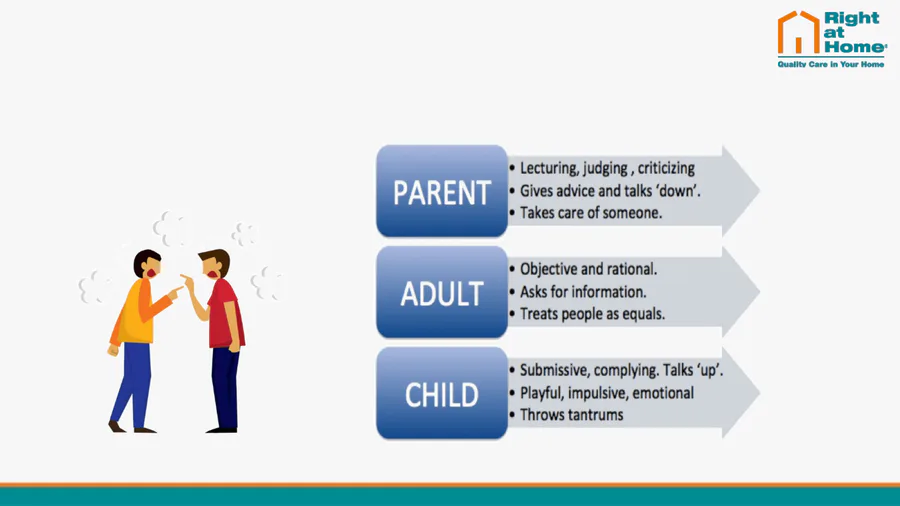
Why difficult conversations might go
wrong!
Ego States
77

Why difficult conversations might go
wrong!
Combat Mentality
Ego States
Reacting to derailing events
Rehearsing the conversation
Making assumptions and sticking to them!
Losing track of the goal
78


Managing Difficult Conversations
Prepare
Introduce the conversation
Describe the issue
State the impact
Give your motivation
Ask their thoughts/perspective
Propose/Discuss Solutions
Make a plan of action
Have a Go!
79


Talking Toolkit
Tackling issues early, before they become a major problem, helps you, your
staff and everyone!
A culture of open conversation, where difficult conversations lead to
observable improvements or specific actions can show a commitment to your
staff welfare.
Staff will feel comfortable bringing issues to the management and knowing
they will be dealt with, improving morale.
Anyone going through a difficult situation will know they can have a difficult
conversation with management and be supported.
80



Talking Toolkit
81


Objectives
• Understand factors that make conversations difficult
• State how to plan for a difficult conversation
• List the steps that can be followed to help structure a
difficult conversation
• List derailing events and how to deal with them
• Demonstrate using a structure to undertake a difficult
conversation
• Understand the links to other issues such as Wellbeing and
good mental health.
82

ANY QUESTIONS?
?
?
?
?
?
?
?
?
?
?
?
?
?
?
?
?
?
?
?
?
?
?
83
Managing Difficult Conversations
Heather Graham
Tuesday 9 July 2024
The webinar will begin shortly
84
Objectives
• Understand factors that make conversations difficult
• State how to plan for a difficult conversation
• List the steps that can be followed to help structure a difficult conversation
• List derailing events and how to deal with them
• Understand the links to other issues such as Wellbeing and good mental
health.
85
Managing Conversations
From time to time all coaches, mentors or managers will face conversations which
they anticipate will be difficult and which they may feel ill-equipped to handle.
Delaying rarely resolves the issue!
Discussion:
Think back to a conversation you have had
(or avoided!) that you considered difficult:
• What was it about?
• What made it difficult?
86
What makes a conversation challenging?
High
Stakes
Opposing
viewpoints
Uncertainty:
how will
the
conversation
go?
Time
pressures
Not liking
confrontation
High
emotions
involved
87
Managing difficult conversations
Prepare
Prior Planning prevents
poor performance!
88
They are so
disorganised
They are
unprofessional.
They have a poor
attitude to work
They can’t find pieces of work
when asked
They take several days to
reply to emails
They use disparaging
language to talk about
clients/colleagues to other
clients/colleagues
They are often on Social
media throughout the day
They have a high absence
rate and complain about
workload
Managing difficult conversations
89
‘Noticed’
‘Wondering’
Managing difficult conversations
Prepare
Introduce the conversation
Describe the issue
State the impact
Give your motivation
90
Derailing Events
Anger / Shouting
Upset / Crying / Taking offense
Denial
Defensiveness
Blaming / Accusing
Stonewalling
91
‘Wondering’
Managing difficult conversations
Prepare
Introduce the conversation
Describe the issue
State the impact
Give your motivation
Ask their thoughts/perspective
92
‘Noticed’
‘Wondering’
Propose/Discuss Solutions
Make a plan of action
Prepare
Introduce the conversation
Describe the issue
State the impact
Give your motivation
Ask their thoughts/perspective
Managing difficult conversations
93
• Pay attention to your delivery – tone, volume, pace
• Phrase things as neutrally as possible
• Challenge yourself to think before reacting!
• Adapt your communication style
• Practice mindful communication and active listening
Top Tips
94
Managing Difficult Conversations
95
Why difficult conversations might go
wrong!
Combat Mentality
96
Why difficult conversations might go
wrong!
Ego States
97
Why difficult conversations might go
wrong!
Combat Mentality
Ego States
Reacting to derailing events
Rehearsing the conversation
Making assumptions and sticking to them!
Losing track of the goal
98
Managing Difficult Conversations
Prepare
Introduce the conversation
Describe the issue
State the impact
Give your motivation
Ask their thoughts/perspective
Propose/Discuss Solutions
Make a plan of action
Have a Go!
99
Talking Toolkit
Tackling issues early, before they become a major problem, helps you, your
staff and everyone!
A culture of open conversation, where difficult conversations lead to
observable improvements or specific actions can show a commitment to your
staff welfare.
Staff will feel comfortable bringing issues to the management and knowing
they will be dealt with, improving morale.
Anyone going through a difficult situation will know they can have a difficult
conversation with management and be supported.
100
Talking Toolkit
101
Objectives
• Understand factors that make conversations difficult
• State how to plan for a difficult conversation
• List the steps that can be followed to help structure a
difficult conversation
• List derailing events and how to deal with them
• Demonstrate using a structure to undertake a difficult
conversation
• Understand the links to other issues such as Wellbeing and
good mental health.
102
ANY QUESTIONS?
?
?
?
?
?
?
?
?
?
?
?
?
?
?
?
?
?
?
?
?
?
?
Active Listening, Feedback
and Action Setting
The webinar will begin shortly
Show answer
Auto Play
Slide 1 / 102
SLIDE
Similar Resources on Wayground

101 questions
SEJARAH BAKERI DAN PASTRI
Presentation
•
Professional Development
93 questions
REVIEW UNITS 1-4
Presentation
•
Professional Development
103 questions
TRS5. P1. U3. Earth Science
Presentation
•
University
98 questions
ISO 9001
Presentation
•
Professional Development
96 questions
At
Presentation
•
Professional Development
92 questions
Squad / Fire Team Tactics
Presentation
•
Professional Development
97 questions
Lokakarya SPT Junita
Presentation
•
University - Professi...
97 questions
Ch 13 part 1
Presentation
•
University
Popular Resources on Wayground
24 questions
PBIS-HGMS Day 10

Quiz
•
6th - 8th Grade
10 questions
HCS SCI 03 Summer School Review 3
Quiz
•
3rd Grade
11 questions
Home Scope
Quiz
•
7th - 8th Grade
15 questions
HCS SCI 05 Summer School Assessment 3 Review
Quiz
•
5th Grade
35 questions
Lufkin Road Middle School Student Handbook & Policies Assessment
Quiz
•
7th Grade
18 questions
Geo 11.3 Area of Circles and Sectors
Quiz
•
9th - 11th Grade