

4th Industrial Revolution

Presentation
•
English
•
Vocational training
•
Practice Problem
•
Easy

JOSELUIS VALDEZCHAVEZ
Used 4+ times
FREE Resource
15 Slides • 6 Questions
1

The 4th Industrial
Revolution
The 4th Industrial Revolution, also known as Industry 4.0, represents the transformation of industries and societies through the convergence of digital, physical, and biological technologies.
by JOSELUIS VALDEZCHAVEZ
2
Reorder
Reorder the following
This new era
is marked by rapid advancements
in fields such as
artificial intelligence, robotics,
the Internet of Things, and biotechnology.
3

Historical Context
1
1st Industrial Revolution
Mechanization, steam power, and the rise of factories in the
late 18th and early 19th centuries.
2
2nd Industrial Revolution
Mass production, assembly lines, and electrification in the
late 19th and early 20th centuries.
3
3rd Industrial Revolution
Computerization, automation, and the advent of digital
technologies in the late 20th century.
4
Match
Match the following
1st Industrial Revolution
2nd Industrial Revolution
3rd Industrial Revolution
Steam power and mechanization
Mass production and assembly lines
Digital revolution and automation
Steam power and mechanization
Mass production and assembly lines
Digital revolution and automation
5
Historical Context
1
1st Industrial Revolution
Mechanization, steam power, and the rise of factories in the
late 18th and early 19th centuries.
2
2nd Industrial Revolution
Mass production, assembly lines, and electrification in the
late 19th and early 20th centuries.
3
3rd Industrial Revolution
Computerization, automation, and the advent of digital
technologies in the late 20th century.
6

Key Characteristics of the 4th Industrial Revolution
1
Cyber-Physical Integration
The seamless integration of
physical and digital systems,
enabling smart factories,
autonomous vehicles, and the
Internet of Things.
2
Data-Driven Insights
The abundance of data and
advanced analytics allow for more
informed decision-making and
optimization of processes.
3
Technological Convergence
The merging of technologies such
as AI, robotics, biotechnology, and
nanotechnology, leading to new
applications and innovations.
7

Emerging Technologies Driving the 4th Industrial
Revolution
Artificial Intelligence
Machine learning, natural language
processing, and computer vision are
transforming decision-making,
automation, and personalization.
Internet of Things
The interconnectivity of devices,
sensors, and systems enables real-
time monitoring, optimization, and
predictive maintenance.
Robotics and Automation
Collaborative robots, autonomous
systems, and advanced manufacturing
techniques are increasing productivity
and efficiency.
8
Open Ended
What will happen to human jobs if robots and automation take over?
9
Open Ended
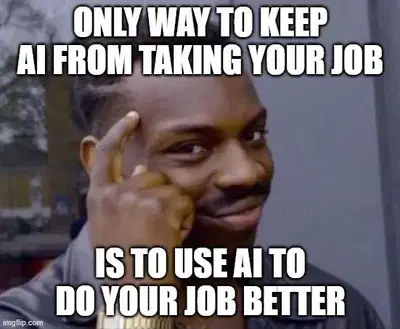
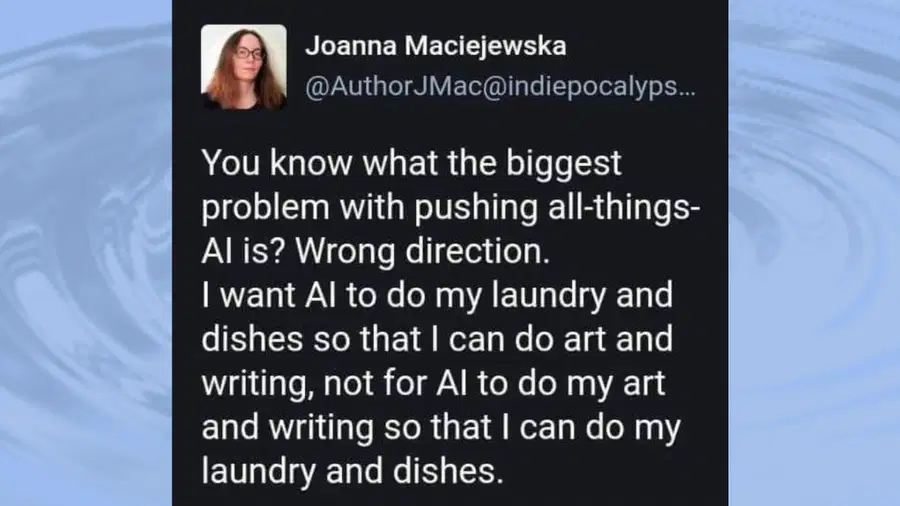
Is AI a risk or an opportunity? Why?
10
Open Ended
On the internet of things, having sensors in all devices could ...
11

Impacts on Industries and
Businesses
Smart Manufacturing
Optimized production processes, predictive maintenance,
and customized product development.
Personalized Services
Tailored offerings, smart home technologies, and data-
driven customer experiences.
Disruptive Business Models
Platform-based ecosystems, on-demand services, and the
sharing economy.
12

Impacts on the Workforce and
Society
Skill Shifts
The need for digital literacy,
critical thinking, and
adaptability as automation
replaces certain tasks.
Lifelong Learning
Continuous upskilling and
reskilling to keep pace with
technological change and
remain competitive.
Ethical Considerations
Privacy, data security, and the
responsible development and
deployment of emerging
technologies.
Societal Disruptions
Potential job displacement,
income inequality, and the
need for workforce retraining
and social safety nets.
13

Philosophical Implications
Transhumanism
The potential for technology to enhance human capabilities and redefine
the boundaries of the human condition.
Ethical Dilemmas
Grappling with the moral and ethical implications of emerging
technologies and their impact on society.
Identity
The evolution of personal and societal identity as humans become
increasingly integrated with technology.
14
Draw
Draw a XXI Century Robot or Cyborg
15

Challenges and Considerations
Technological Barriers
Overcoming technical challenges,
such as data integration, cybersecurity,
and scalability of emerging
technologies.
Regulatory Frameworks
Developing appropriate policies and
regulations to govern the use of new
technologies and protect the public
interest.
Socioeconomic Equity
Ensuring that the benefits of the 4th
Industrial Revolution are equitably
distributed and accessible to all
members of society.
16

The Future of the 4th Industrial
Revolution
1
Continued Technological Advancements
Exponential growth in AI, quantum computing,
biotechnology, and other emerging technologies.
2
Seamless Human-Machine Collaboration
Closer integration of humans and machines, with
intelligent assistants and augmented capabilities.
3
Sustainable and Inclusive Development
Leveraging technology to address global challenges,
promote environmental sustainability, and create equitable
opportunities.
17
Conclusions on The 4th Industrial
Revolution
18

19
20
21
The 4th Industrial
Revolution
The 4th Industrial Revolution, also known as Industry 4.0, represents the transformation of industries and societies through the convergence of digital, physical, and biological technologies.
by JOSELUIS VALDEZCHAVEZ
Show answer
Auto Play
Slide 1 / 21
SLIDE
Similar Resources on Wayground

13 questions
Predicate Nouns and Adjectives
Presentation
•
KG
15 questions
Science Vocabulary Introduction
Presentation
•
KG - 12th Grade
17 questions
Defining Relative Clauses
Presentation
•
Professional Development
19 questions
SIMPLE PAST TENSE
Presentation
•
Professional Development
16 questions
The Words
Presentation
•
KG
17 questions
U3 - PREKINDER W4
Presentation
•
KG
15 questions
My Classroom
Presentation
•
KG
13 questions
Ilmu Pengetahuan Alam
Presentation
•
KG
Popular Resources on Wayground
5 questions
A Home on the Shore

Quiz
•
3rd Grade
28 questions
US History Regents Review
Quiz
•
11th Grade
6 questions
A Horse Tale
Quiz
•
3rd Grade
20 questions
Math Review
Quiz
•
3rd Grade
10 questions
Juneteenth History and Significance

Interactive video
•
5th - 8th Grade
20 questions
Dividing Fractions
Quiz
•
5th Grade
55 questions
A Long Walk to Water Final Review
Quiz
•
6th - 8th Grade
10 questions
Equation Word Problems
Quiz
•
7th Grade