

Phase Change 2.2

Presentation
•
Science
•
7th Grade
•
Practice Problem
•
Medium
+15
Standards-aligned

Chad Studer
Used 2+ times
FREE Resource
26 Slides • 12 Questions
1

© The Regents of the University of California. All rights reserved.
Phase Change
Lesson 2.2: Understanding
Energy Transfers
2

© The Regents of the University of California. All rights reserved.
Activity 1
Warm-Up
5 MIN
Phase Change: Lesson 2.2
3
Open Ended
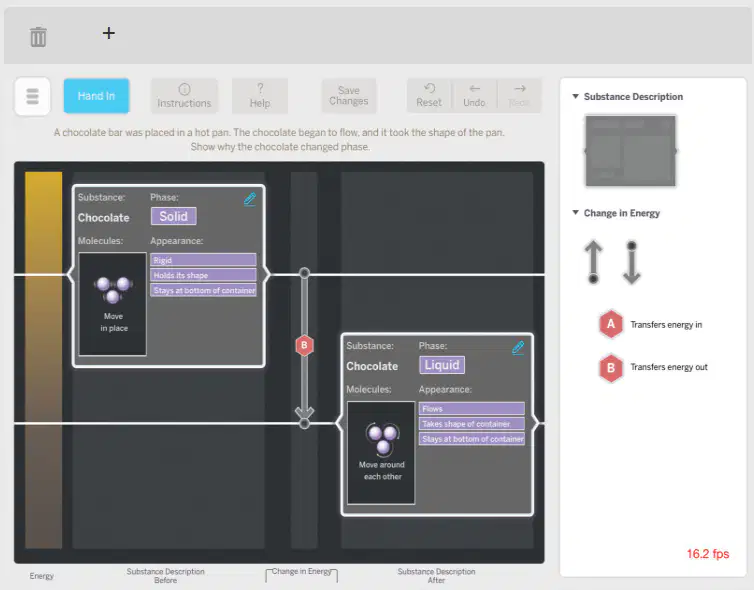
A student chemist created the following model to explain a phase change they observed at home: A chocolate bar was placed in a hot pan. The chocolate began to flow, and it took the shape of the pan.
Explain the changes you would make to the model in order to correctly show what changed the chocolate molecules’ freedom of movement.
4

© The Regents of the University of California. All rights reserved.
Activity 2
Experimenting with
Magnetic Marbles
10 MIN
Phase Change: Lesson 2.2
5

© The Regents of the University of California. All rights reserved.
Key Concept
Activity 2
Phase Change: Lesson 2.2
6. When energy is transferred to or from a
substance, it can change the molecules’
freedom of movement.
6

© The Regents of the University of California. All rights reserved.
Today, we’ll look deeply at what happens to
molecules when energy is added or removed.
Activity 2
Phase Change: Lesson 2.2
Investigation Question:
Why can transferring energy into or out of a substance
change molecules’ freedom of movement?
7

© The Regents of the University of California. All rights reserved.
Activity 2
Phase Change: Lesson 2.2
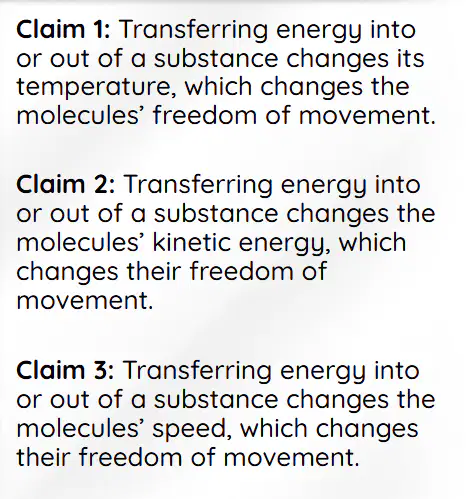
Claim 1: Transferring energy into
or out of a substance changes its
temperature, which changes the
molecules’ freedom of movement.
Claim 2: Transferring energy into
or out of a substance changes the
molecules’ kinetic energy, which
changes their freedom of
movement.
Claim 3: Transferring energy into
or out of a substance changes the
molecules’ speed, which changes
their freedom of movement.
Here are three claims
that could answer the
Investigation
Question.
8

© The Regents of the University of California. All rights reserved.
Activity 2
Phase Change: Lesson 2.2
First, we’ll gather
evidence about the
claims by using a model
in which magnetic
marbles represent
molecules.
9

© The Regents of the University of California. All rights reserved.
Follow instructions.
Don’t taste things.
Smell substances like a chemist.
Protect your eyes.
Protect your hands.
Keep your hands away from your face.
Tell your teacher if you have allergies.
Be calm and careful.
Report all spills, accidents, and injuries to your teacher.
Avoid anything that could cause a burn.
Wash your hands after class.
Safety Guidelines for Science Investigations
1.
2.
3.
4.
5.
6.
7.
8.
9.
10.
11.
Investigation Notebook pg 1
10

© The Regents of the University of California. All rights reserved.
1.Container lids should remain closed when shaking the marbles.
2.Keep tablets and computers out of the way when completing this
activity. This will prevent devices from being knocked to the floor. It
also prevents digital devices from being damaged by the marbles’
magnetic fields.
3.Do not put the marbles near or in your mouth. Ingesting marbles could
be dangerous to your health.
Magnet Safety Guidelines
Activity 2
Phase Change: Lesson 2.2
11
Open Ended
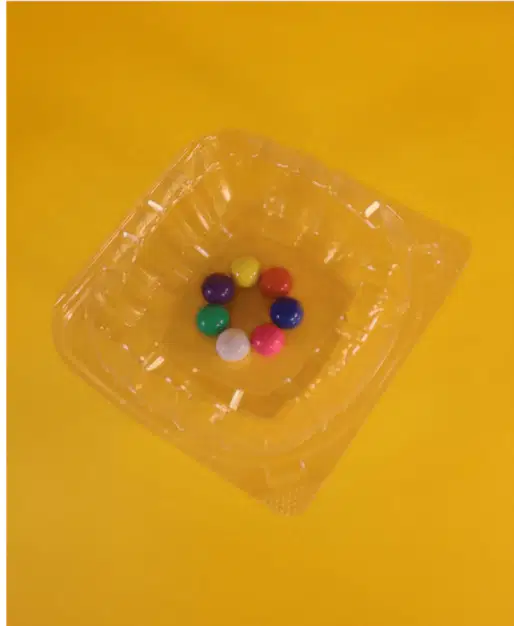
How could you add energy to the marbles?
12

© The Regents of the University of California. All rights reserved.
1. Observe the Marbles
2. Add a Little Energy
3. Vary the Amount of Energy
Place the container of
marbles on the table.
Observe the marbles.
(Remember that the marbles
represent molecules.)
Magnetic Marbles Activity
Activity 2
Phase Change: Lesson 2.2
Add a small amount of energy
by shaking the closed
container gently. Observe
the marbles. Consider the
effect adding energy to a
substance has on the
molecules.
Experiment by adding
different amounts of
energy to the container
(or by letting the container
rest). Observe what happens
to the marbles.
13
Open Ended
Place the container of marbles on the table. Observe the marbles. Remember the marbles represent molecules.)
Add a small amount of energy to the marbles by shaking the closed container gently. Observe the marbles. Consider the effect adding energy to a substance has on the molecules.
Experiment by adding different amounts of energy to the container (or by letting the container rest). Observe what happens to the marbles.
Describe how transferring energy into the container affected the speed of the marbles.
14

© The Regents of the University of California. All rights reserved.
Activity 3
Using the Sim to Observe
Energy Transfer
20 MIN
Phase Change: Lesson 2.2
15

© The Regents of the University of California. All rights reserved.
Activity 3
Phase Change: Lesson 2.2
Next, we’ll look at what
happens to molecules in
the Sim when energy is
added to or removed
from a substance.
16

© The Regents of the University of California. All rights reserved.
Activity 3
Phase Change: Lesson 2.2
When working in the
Sim, you’ll need to pay
close attention to the
kinetic energy of the
molecules.
You’ll need to turn on
View Kinetic Energy.
17

© The Regents of the University of California. All rights reserved.
Activity 3
Phase Change: Lesson 2.2
When you show kinetic energy, the molecules
will become different shades of yellow.
18

© The Regents of the University of California. All rights reserved.
Activity 3
Phase Change: Lesson 2.2
You will also use the
Transfer Energy In and
Transfer Energy Out
buttons and observe how
this affects the kinetic
energy of the molecules.
19
20

© The Regents of the University of California. All rights reserved.
Activity 3
Phase Change: Lesson 2.2
Claim 1: Transferring energy into
or out of a substance changes its
temperature, which changes the
molecules’ freedom of movement.
Claim 2: Transferring energy into
or out of a substance changes the
molecules’ kinetic energy, which
changes their freedom of
movement.
Claim 3: Transferring energy into
or out of a substance changes the
molecules’ speed, which changes
their freedom of movement.
Did your observations
from the Sim and the
hands-on activity
support or refute any
of these claims?
21

© The Regents of the University of California. All rights reserved.
Activity 4
Explaining Zooming in on
Phase Change
10 MIN
Phase Change: Lesson 2.2
22

© The Regents of the University of California. All rights reserved.
Activity 4
Phase Change: Lesson 2.2
Claim 1: Transferring energy into
or out of a substance changes its
temperature, which changes the
molecules’ freedom of movement.
Claim 2: Transferring energy into
or out of a substance changes the
molecules’ kinetic energy, which
changes their freedom of
movement.
Claim 3: Transferring energy into
or out of a substance changes the
molecules’ speed, which changes
their freedom of movement.
Remember to refer to
these claims as you
watch the video.
You should look for
evidence to support or
refute these claims.
23

© The Regents of the University of California. All rights reserved.
24
Open Ended
Based on the evidence from the Sim, the hands-on activity, and the video, which claims do you think are best supported?
25

© The Regents of the University of California. All rights reserved.
Vocabulary
Phase Change: Lesson 2.2
the energy that an object has because it is moving
kinetic energy
Activity 4 - Screen 1
26
Open Ended
How can we tell how fast molecules are moving if we can’t see the molecules?
27
Open Ended
Describe how transferring energy into the substance affected the speed of the molecules.
28
Open Ended
As the speed changed, what did you notice about the molecules’ freedom of movement?
29
Open Ended
Did your observations provide evidence to support any of the claims?
30
© The Regents of the University of California. All rights reserved.
Phase Change: Lesson 2.2
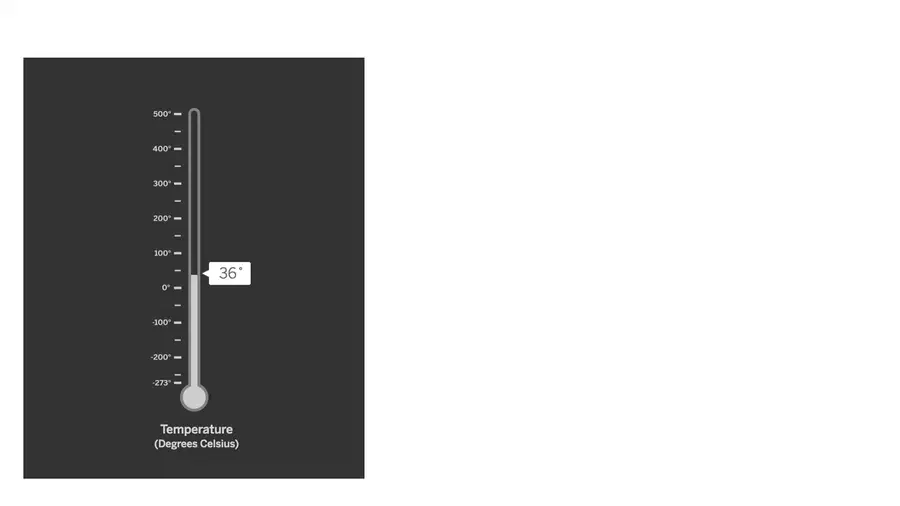
Temperature is a
measure of how hot or
cold something is.
The higher the
temperature is, the
more energy it has.
Activity 4 - Screen 1
31

© The Regents of the University of California. All rights reserved.
Key Concept
Phase Change: Lesson 2.2
7. Temperature is a measure of the average
kinetic energy of the molecules of a
substance.
Activity 4 - Screen 1
32
Open Ended
Why can transferring energy into or out of a substance change molecules’ freedom of movement?
33

© The Regents of the University of California. All rights reserved.
Let’s work together to create a claim that
answers the Investigation Question.
Phase Change: Lesson 2.2
Investigation Question:
Why can transferring energy into or out of a substance
change molecules’ freedom of movement?
Activity 4 - Screen 2
34
Dropdown
35
Dropdown
36
Dropdown
37

© The Regents of the University of California. All rights reserved.
Phase Change: Lesson 2.2
Key Concept
8. Transferring energy to a substance
increases the kinetic energy of that
substance’s molecules. Transferring energy
from a substance decreases the kinetic
energy of that substance’s molecules.
Activity 4 - Screen 2
38

© The Regents of the University of California. All rights reserved.
End of Lesson
Published and Distributed by Amplify. www.amplify.com
Phase Change: Lesson 2.2
© The Regents of the University of California. All rights reserved.
Phase Change
Lesson 2.2: Understanding
Energy Transfers
Show answer
Auto Play
Slide 1 / 38
SLIDE
Similar Resources on Wayground

34 questions
Chromosomes, DNA, and Genes Review
Presentation
•
7th - 8th Grade
30 questions
Photosynthesis
Presentation
•
7th Grade
33 questions
Unit 6 Cells & Cell Processes TCAP Review
Presentation
•
7th Grade
33 questions
Ecosystems
Presentation
•
7th Grade
33 questions
Plant Systems
Presentation
•
7th Grade
31 questions
Reactions
Presentation
•
7th Grade
31 questions
asexual and sexual reproduction
Presentation
•
7th Grade
30 questions
FORMULATING THE HYPOTHESES
Presentation
•
7th Grade
Popular Resources on Wayground
10 questions
How much do you know about our Portrait of an Eagle?

Quiz
•
10th Grade
10 questions
Fast Food Slogans
Quiz
•
6th - 8th Grade
21 questions
Continents and Oceans
Quiz
•
6th Grade
20 questions
Parts of Speech
Quiz
•
5th Grade
16 questions
Subject & Predicate
Quiz
•
5th Grade
25 questions
Multiplication Facts
Quiz
•
5th Grade
12 questions
Map Skills
Quiz
•
3rd Grade
22 questions
Continents and Oceans
Quiz
•
5th Grade
Discover more resources for Science
17 questions
7.6D Aqueous Solutions
Quiz
•
7th Grade
20 questions
Claim, Evidence and Reasoning (CER)
Quiz
•
6th - 8th Grade
18 questions
Counting Atoms
Quiz
•
7th - 8th Grade
10 questions
Exploring Chemical and Physical Changes

Interactive video
•
6th - 10th Grade
20 questions
Food Chains & Food Webs
Quiz
•
5th - 7th Grade
10 questions
Decoding the Periodic Table of Elements
Interactive video
•
6th - 10th Grade
16 questions
Photosynthesis and Cellular Respiration Review
Quiz
•
7th Grade
10 questions
Exploring the Periodic Table
Interactive video
•
6th - 10th Grade