Search Header Logo
Meaning

Meaning

Assessment

Presentation

Science

University

Medium

Created by

J B

Used 2+ times

FREE Resource

20 Slides • 34 Questions

1
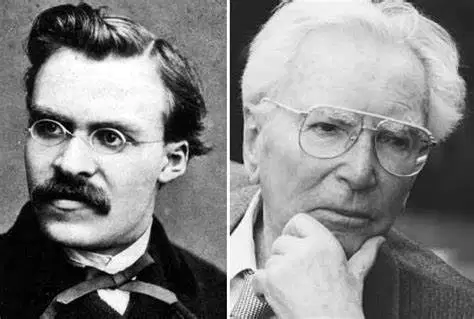
What Makes Us Happy?

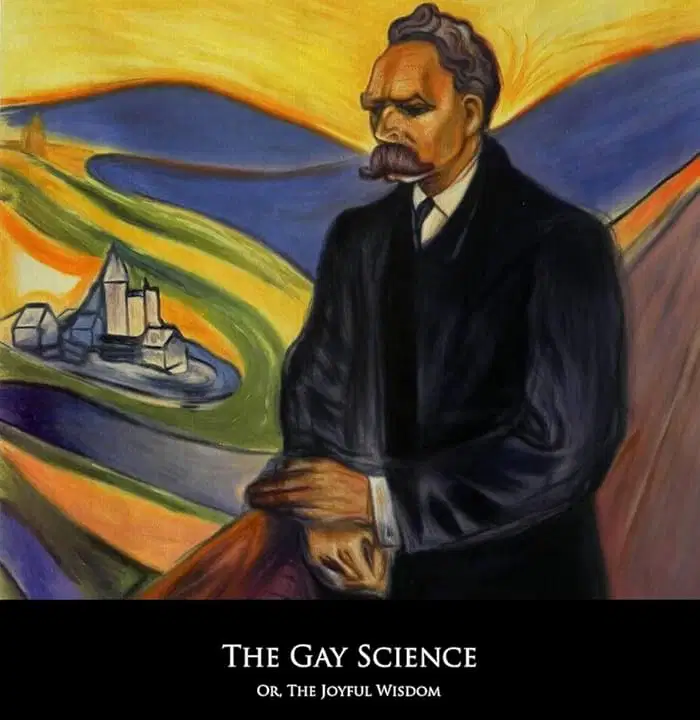
Untimely Meditations and The Gay Science by Nietzsche

There's More to Life than Being Happy

media

2

Word Cloud

Question image

What gives your life meaning and purpose?

3

Multiple Choice
Question image

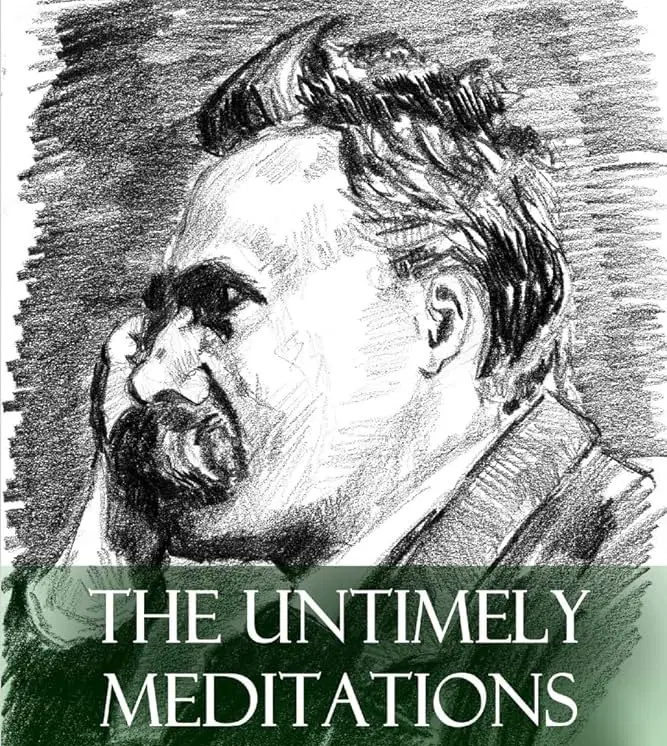
The readings "Untimely Meditations" and "The Gay Science" are by which famous philosopher?

1

Immanuel Kant

2

Friedrich Nietzsche

3

John Stuart Mill

4

Bertrand Russell

4

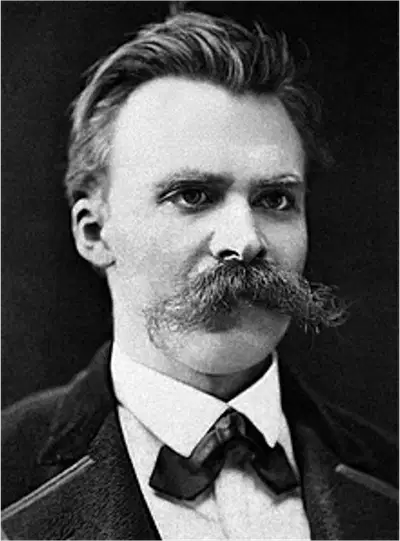
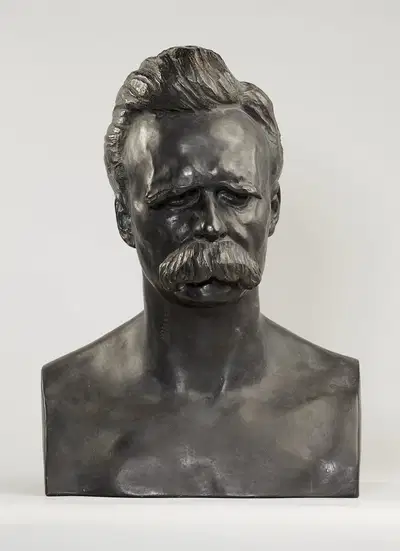
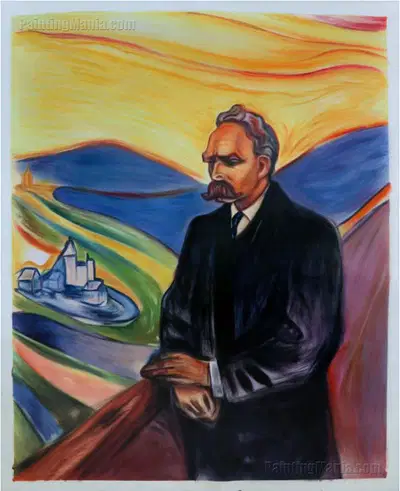
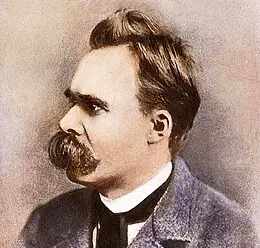
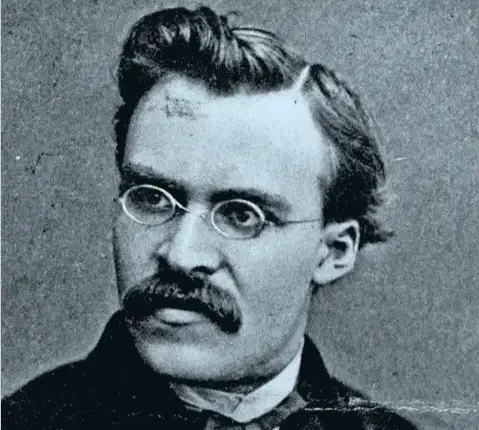
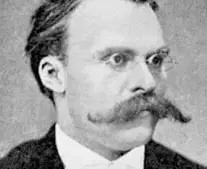
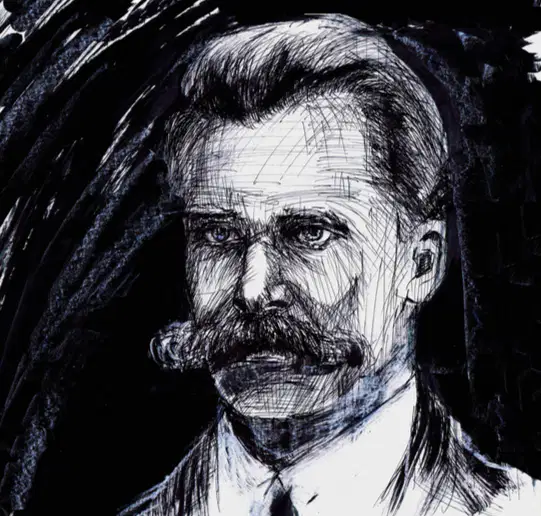
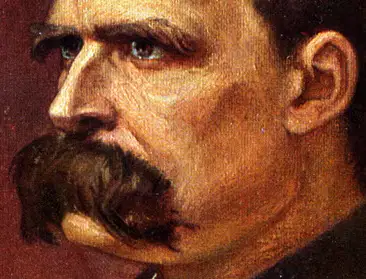
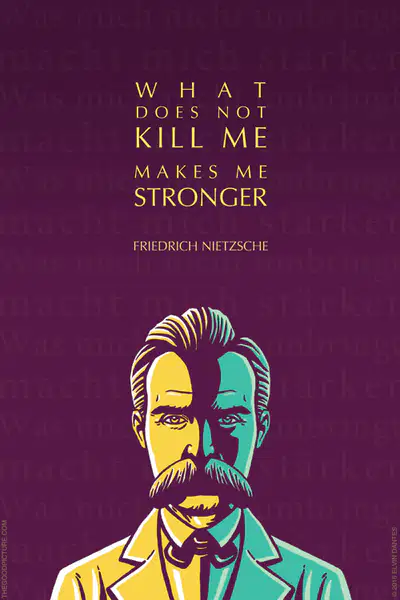
Friedrich Nietzsche (1844-1900)

  • German philosopher

  • Son of a Lutheran minister

  • Dissected the moral and religious beliefs with which he’d grown up

  • Violent stomach aches and blinding headaches

  • Struggled with mental illness

media

5

  • Nietzsche believed science had triumphed over religion

  • Without religion, there were no binding moral rules about how to live, no solution to the fear of death, and life had no purpose

  • We are liberated/ condemned to find our own meaning

  • How do we deal with suffering in a world without religion?

media

​Science and Religion

6

  • Art makes life worthwhile and music is the greatest art form

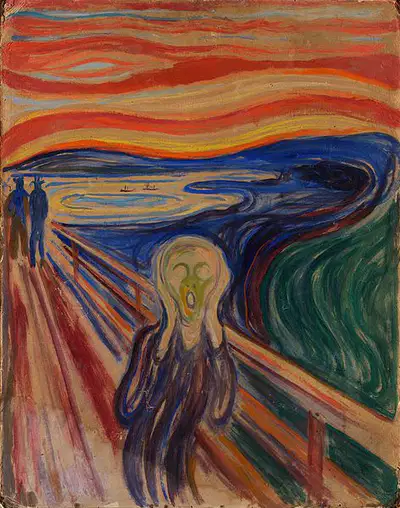
  • Art can transform a world full of suffering and meaninglessness into something beautiful and meaningful

  • Artists help reveal our true selves

  • View yourself as a work of art

The Importance of Art

media

7

Will to Power

  • All human beings possess instinctual drives or ‘wills’

  • Fundamental drive is the will to power

    • A drive to exert our creative energies

    • A drive to realize the truest, most authentic version of ourselves

media

8

The Ubermensch (Superman)

  • Anyone with superior potential who completely masters themself, strikes off  “herd morality,” creates their own values, and commits to the goals they set for themselves

  • The ultimate expression of the ‘Authentic Self’ and will to power

  • NOT a biological concept or superior race

media

9

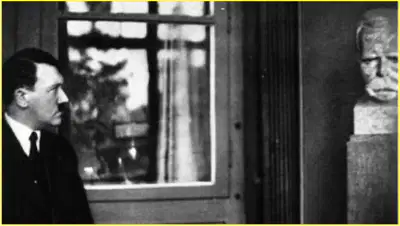
  • Nietzsche was declared clinically insane and placed under the care of his sister, who exploited him

  • After he died, she edited and manipulated his work to suit her political ends

  • His ideas were hijacked by the Nazis, even though Nietzsche was fiercely opposed to anti-Semitism and nationalism

media
media

​Later Life and Death

10

Multiple Choice

Question image

In "Untimely Meditations," Nietzsche describes "a traveller who had seen many lands and peoples and several of the earth's continents." What primary quality did the traveller discover in people across all lands and continents?

1

Compassion

2

Creativity

3

Laziness

4

Intelligence

11

Multiple Choice

Question image

According to Nietzsche, what motivates individuals to conform and avoid expressing their true selves?

1

A desire for fame

2

Fear of social rejection

3

Aesthetic concerns

4

Ambition to succeed

12

Multiple Choice

Question image

According to Nietzsche, this laziness and fear of social rejection leads the individual to "think and act like a member of..."

1

An elite class

2

A revolutionary group

3

A cult

4

A herd

13

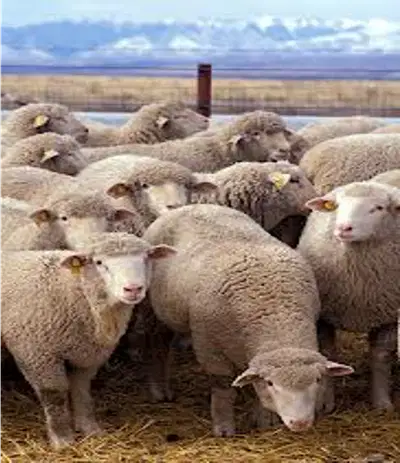
Herd Mentality

  • Most people are like sheep

  • We accept moral ‘truths’

  • We detest ourselves for being weak-willed

  • We seek consolation in ‘the herd’

media

14

Poll

Question image

Most of us feel we should be true to our ‘real selves.’ Do you believe that our current personality is ‘authentic’ and 'real'?

Yes

No

15

Multiple Choice

Question image

How do artists differ from the general population in their approach to individuality, according to Nietzsche?

1

Artists prefer to follow conventional norms

2

Artists embrace and reveal the uniqueness of individuals

3

Artists avoid revealing their personal opinions

4

Artists conform to societal expectations

16

Multiple Choice

Question image

What does Nietzsche suggest is the primary reason behind the great thinker’s contempt for mankind?

1

Their lack of education

2

Their laziness and conformity

3

Their lack of creativity

4

Their pursuit of wealth

17

Multiple Choice

Question image

What does Nietzsche say is the main reason we should live according to our own laws and standards?

1

The desire for societal approval

2

The pursuit of material wealth

3

The fact that we exist in the present moment

4

The fear of uncertainty in the future

18

Multiple Choice

Question image

What does Nietzsche say we are responsible for?

1

The opinions of others

2

The future of humanity

3

Our own existence

4

Adhering to societal conventions

19

Multiple Choice

Question image

According to Nietzsche, there exists in the world a single path along which no one can go except you. What should you do?

1

Seek guidance from others to ensure you are on the right track

2

Avoid taking the path if it seems uncertain or risky

3

Embrace and follow the path without asking where it leads

4

Compare the path to those taken by others to find similarities

20

Multiple Choice

Question image

Who does Nietzsche say must construct the bridge upon which you cross the steam of life?

1

Your education

2

Your religion and culture

3

Your family and friends

4

No one but you and you alone

21

Multiple Choice

Question image

What happens if you rely on other paths and bridges or demi-gods?

1

You experience increased personal achievement

2

You lose yourself

3

You achieve greater clarity in your path

4

You are rewarded with enhanced social status

22

Multiple Choice

Question image

According to Nietzsche, why is finding oneself described as a difficult task?

1

It requires extensive external validation

2

The true self is hidden beneath many layers

3

It involves following rigid societal norms

4

It is a straightforward process with immediate results

23

Multiple Choice

Question image

What does Nietzsche say about the process of self-discovery?

1

It is easy and straightforward

2

It is painful and dangerous

3

It requires feedback from others

4

It is impossible or nearly impossible

24

Multiple Choice

Question image

Which of following can reflect your true self, according to Nietzsche?

1

Your personal achievements and appearances

2

Your friendships, memories, hostilities, and experiences

3

Your public image and reputation

4

Your social and financial status

25

Multiple Choice

Question image

According to Nietzsche, what should you ask in order to uncover your true self?

1

What have been my greatest achievements so far?

2

What do I regret the most about my past choices?

3

What have I truly loved up to now?

4

What do my family and friends think of me?

26

Multiple Choice

Question image

Where does Nietzsche say your true nature can be found?

1

In your greatest achievements

2

Hidden deep within you and waiting to be discovered

3

Immeasurably high above your current self

4

Located in your memories of the past and dreams for the future

27

Open Ended

Question image

What do you think Nietzsche means when he says that your true self is ‘immeasurably high above’ what you currently think you are?

28

Poll
Question image

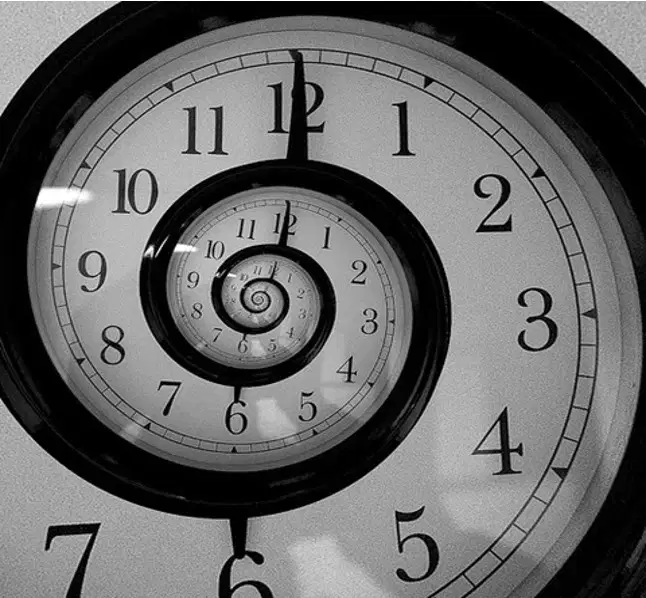
The eternal recurrence is a thought experiment by Nietzsche to help us analyze the actions and decisions in our lives, so we can live life to the fullest. It goes like this:

If a demon whispered in your ear that you had to live your life as lived over and over again for all eternity, with all the pain and all the greatness, would you view this as a curse or a blessing?

A curse

A blessing

29

The Eternal Recurrence

  • Although we face failures and pain in life, we should be happy to relive those events

  • We should learn to incorporate our mistakes, imperfections, and sadness into the beauty of the whole

  • We should construct our lives so that we are our own heroes, so the thought of reliving the good and bad in our lives would be welcomed

media

30

Multiple Choice

Question image

In "The Gay Science," Nietzsche says that "one thing is needful" for personal development. What is it?

1

Accumulating material wealth

2

Giving style to one's character

3

Attaining a high level of education

4

Gaining social popularity

31

Multiple Choice

Question image

How is the process of "giving style" to one's character described by Nietzsche?

1

As a spontaneous and effortless process

2

As an art that involves fitting strengths and weaknesses into an artistic plan

3

As a method of completely eliminating all weaknesses

4

As a simple adjustment of external appearances

32

Multiple Choice

Question image

What does Nietzsche say should be done with the "ugly" aspects of one's nature that cannot be removed?

1

They are completely removed without exception

2

They are concealed or reinterpreted and made sublime

3

They are ignored and left unchanged

4

They are highlighted as central features of one's character

33

Multiple Choice

Question image

According to Nietzsche, what does the final outcome of giving style to one's character reveal?

1

The various tastes that influenced the process

2

The ability to completely change one’s inherent nature

3

The constraint of a single taste governing and forming everything

4

The immediate and visible results of external changes

34

Multiple Choice

Question image

What does Nietzsche suggest about the role of "taste" in the artistic shaping of character?

1

It is crucial to have a diverse range of tastes for success

2

It is less important whether the taste is good or bad, as long as it is a single taste

3

Taste is irrelevant to the overall process of character development

4

A single taste should be frequently changed to adapt to different situations

35

Multiple Choice

Question image

According to Nietzsche, how do strong and domineering natures respond to constraint and perfection?

1

They find it burdensome and avoid it whenever possible

2

They embrace it and derive their greatest joy from it

3

They resist it and prefer to let nature be free

4

They see it as unnecessary and irrelevant to their goals

36

Multiple Choice

Question image

How do weak people without self-control typically respond to the constraint of style?

1

They embrace it and find it enriching

2

They hate it and find it demeaning

3

They ignore it and continue to shape their environment freely

4

They see it as unnecessary and irrelevant to their goals

37

Multiple Choice

Question image

What does Nietzsche say a human being must do in order to be tolerable?

1

Achieve success in poetry and art

2

Avoid all forms of constraint

3

Attain satisfaction with oneself

4

Constantly seek external approval

38

The Self As a Work of Art

FIRST NATURE

inherited beliefs, desires, values, habits

mostly comes from surrounding culture

SECOND NATURE

the self you deliberately create out of your first nature

“GIVING STYLE TO ONE’S CHARACTER”

building a self around one’s fundamental passion

editing “first nature” so that it supports the full development and expression of that passion

media

39

Poll

Question image

When we judge that a work of art is great, do we mean that it only gives us pleasure?

Yes

No

40

Poll

Question image

Would you enjoy a novel, TV show, or movie where the protagonist faced no challenges or obstacles?

Yes

No

41

The Intensity of Art

  • We enjoy the bad parts of a movie, TV show, or novel because we respond to the intensity of those moments, and the way in which they reveal character

  • We should evaluate our own lives in the same artistic manner!

media

42

Suffering

  • Suffering doesn’t need to be avoided or redeemed

  • Suffering should be embraced and mastered

  • To live life most fully, you need to risk suffering and overcome it

  • It is suffering through difficult tasks and overcoming obstacles that creates happiness

media

43

Poll

Question image

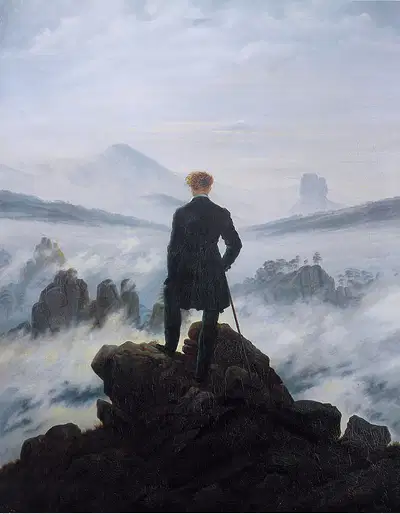
Nietzsche believed that suffering is the key to unlocking happiness. Which would give you the greatest satisfaction, standing atop this mountain after climbing from the bottom or having a plane land you near the summit?

The difficult climb up the mountain

The easy way -- having a plane drop me off near the summit

44

Poll

Question image

Which would give you the greatest satisfaction: buying your diploma from Humber College or earning your diploma through hard work?

Buying my diploma without having to work for it

Earning my diploma through hard work

45

Multiple Choice

Question image

The reading "There's More to Life than Being Happy" by Emily Esfahani Smith is about the philosopher and psychologist:

1

William James

2

Sigmund Freud

3

Carl Jung

4

Viktor Frankl

46

Viktor Frankl

  • Austrian neurologist, psychiatrist, and Holocaust survivor

  • Specialized in depression and suicide

  • Founder of logotherapy

  • Successful career

    • Correspondence with Freud

    • 1928: Free counselling services for high school students

    • 1933: Chief dr. at the “Suicidals Pavilion”

    • 1937: opens his own practice

media
media

47

Viktor Frankl

  • 1938: the Nazis take over Austria and Frankl is forbidden to treat “Aryan” patients because of his Jewish ethnicity

  • 1940: as director at a Jewish clinic, Frankl makes false diagnoses to save patients from euthanasia

media
media

48

Viktor Frankl

  • 1940: starts writing his life’s work, in which he lays the foundations of logotherapy

  • 1941: married a nurse in his hospital, Tilly Grosser

  • Jews were legally forbidden to have kids, so the Nazis force the young couple to have their child aborted

media

49

Viktor Frankl

  • 1941: declined a visa to work in US, risking his life and career advancement to stay with his elderly parents

  • 1942: Frankl, along with his wife and parents, are arrested and deported to a Jewish ghetto, where his father dies from exhaustion

media
media

50

Viktor Frankl

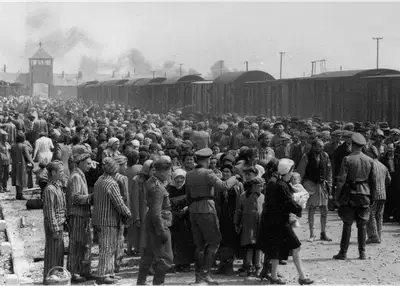
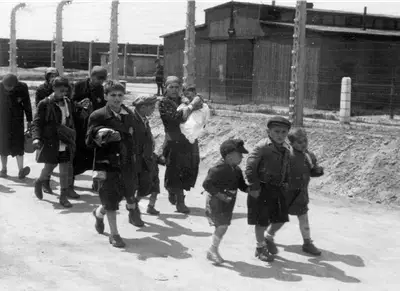
  • 1944: Frankl, his wife and mother are sent by cattle car to Auschwitz, the largest death camp

  • Frank’s mother and brother are murdered in the gas chambers

  • Tilly is moved to the Bergen-Belsen camp, where she later dies

media
media

51

media
media
media
  • 1944: Frankl, his wife and mother are sent by cattle car to Auschwitz, the largest death camp

  • Frank’s mother and brother are murdered in the gas chambers

  • Frankl's wife is sent to Bergen-Belsen concentration camp

media

52

Viktor Frankl

  • Frankl is transported to Dachau concentration camp

  • Starved, beaten, injured, insufficient food, lack of sleep

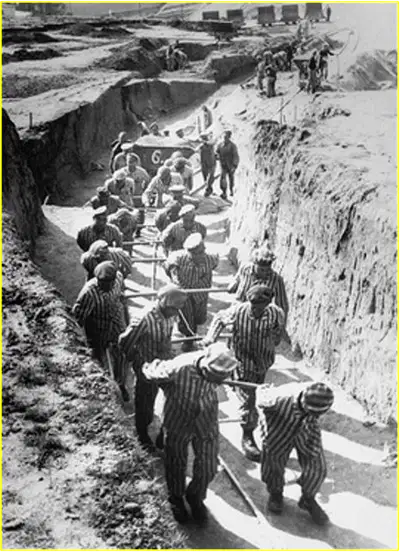
  • Forced to dig barefoot in the snow

  • Offered therapy to suicidal prisoners

  • Imagined the face and voice of his wife through his suffering

media

53

media
media

54

Poll

Question image

According to Nietzsche and Frankl, purpose and suffering are often inseparable. It is often in the most absurd, painful, and dehumanizing situations that life becomes meaningful. Would you rather live a purposeless life devoid of pain (like Epicurus advocates), or live a difficult but purposeful life (as Nietzsche and Frankl discuss)?

I'd rather live a painless but meaningless life

I'd rather live a difficult life with meaning and purpose

What Makes Us Happy?

Untimely Meditations and The Gay Science by Nietzsche

There's More to Life than Being Happy

media

Show answer

Auto Play

Slide 1 / 54

SLIDE