

Identifying Variables - Notes

Presentation
•
Science
•
6th Grade
•
Practice Problem
•
Medium
+16
Standards-aligned

Lisa Ford
Used 17+ times
FREE Resource
51 Slides • 12 Questions
1


Identifying Variables

2

Independent Variables
3

An independent variable is the
factor in an experiment that the
scientist is purposely changing so that they can learn something.
4

Example:
Brad wants to know if some colors of cars fade faster than other colors.


5
Example:
Brad wants to know if some colors of cars fade faster than other colors.
What Brad changes on purpose is the INDEPENDENT VARIABLE.
6
Multiple Choice
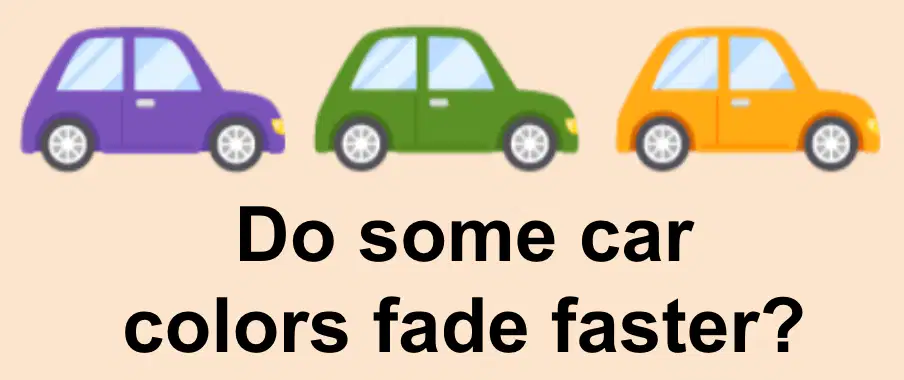
What is the INDEPENDENT variable?
(factor changed ON PURPOSE)
Car Type
Car Color
Car Age
Time in Sun
7
Example:
Brad wants to know if some colors of cars fade faster than other colors.
What Brad changes on purpose is the INDEPENDENT VARIABLE.
Independent Variable = Color of Car
8
Example:
Brad wants to know if crickets chirp at different speeds at different temperatures.

9
Example:
Brad wants to know if crickets chirp at different speeds at different temperatures.
What Brad changes on purpose is the INDEPENDENT VARIABLE.
10
Multiple Choice
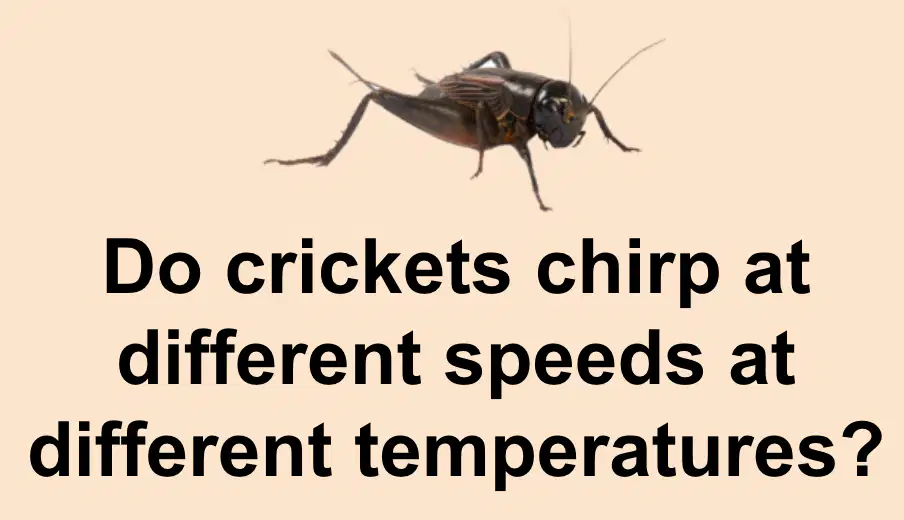
What is the INDEPENDENT variable?
(factor changed on purpose)
Type of Cricket
Temperature
Speed of Chirps
Type of Animal
11
Example:
Brad wants to know if crickets chirp at different speeds at different temperatures.
What Brad changes on purpose is the INDEPENDENT VARIABLE.
Independent Variable = Temperature
12
Example:
Brad wants to know if crickets chirp at different speeds at different temperatures.
What Brad changes on purpose is the INDEPENDENT VARIABLE.
Independent Variable =
13
Example:
Brad wants to know if different acids produce different amount of gas when combined with baking soda.
14
Example:
Brad wants to know if different acids produce different amount of gas when combined with baking soda.
What Brad changes on purpose is the INDEPENDENT VARIABLE.
15
Multiple Choice
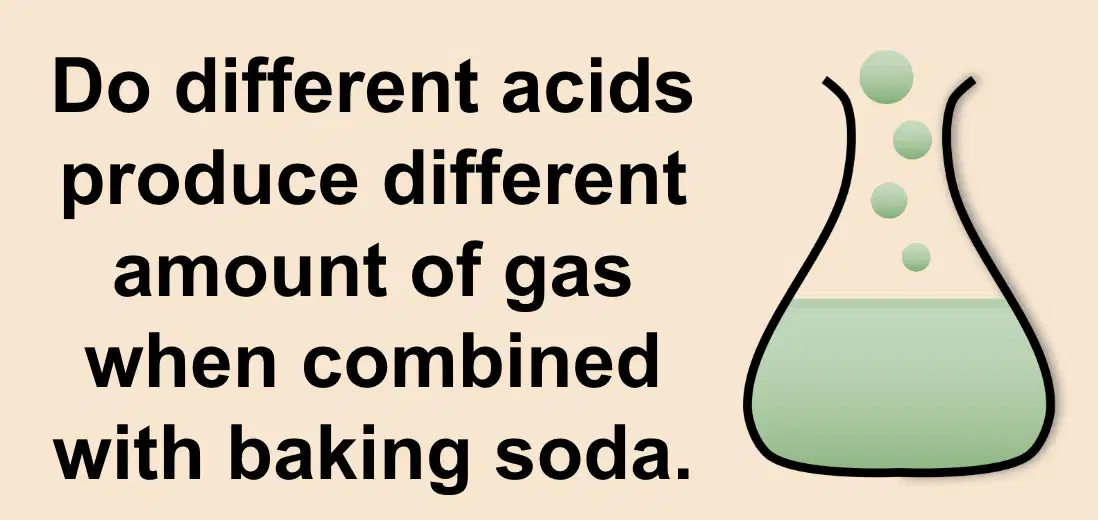
What is the INDEPENDENT variable?
Amount of gas
Amount of Baking Soda
Amount of Acid
Type of Acid
16
Example:
Brad wants to know if different acids produce different amount of gas when combined with baking soda.
What Brad changes on purpose is the INDEPENDENT VARIABLE.
Independent Variable = Type of Acid
17
Example:
Brad wants to know if different colored lights will make a difference in how wide a person's pupil will open.
18
Example:
Brad wants to know if different colored lights will make a difference in how wide a person's pupil will open.
What Brad changes on purpose is the INDEPENDENT VARIABLE.
19
Multiple Choice

What is the INDEPENDENT variable?
Pupil Width
Color of Light
Color of Eye
Time Light is On
20
Example:
Brad wants to know if different colored lights will make a difference in how wide a person's pupil will open.
What Brad changes on purpose is the INDEPENDENT VARIABLE.
Independent Variable = Color of Light
21

Dependent Variables
22

The dependent variable is the factor in an
experiment that the scientist is measuring so that they can see if their hypothesis was correct or not.
23
Every time the scientist runs a trial, they will need to record their observations. What they are recording on their Data table is the Dependent variable.
The dependent variable is the factor in an
experiment that the scientist is measuring so that they can see if their hypothesis was correct or not.
24
Example:
Brad wants to know if some colors of cars fade faster than other colors.
25
Example:
Brad wants to know if some colors of cars fade faster than other colors.
What Brad measures & records on the data table is the DEPENDENT VARIABLE.
26
Multiple Choice

What is the DEPENDENT variable?
Amount of Fading
Type of Car
Which color is used
Age of Car
27
Example:
Brad wants to know if some colors of cars fade faster than other colors.
What Brad measures & records on the data table is the DEPENDENT VARIABLE.
Dependent Variable = Amount of Fading
28
Example:
Brad wants to know if crickets chirp at different speeds at different temperatures.
29
Example:
Brad wants to know if crickets chirp at different speeds at different temperatures.
What Brad measures & records on the data table is the DEPENDENT VARIABLE.
30
Multiple Choice
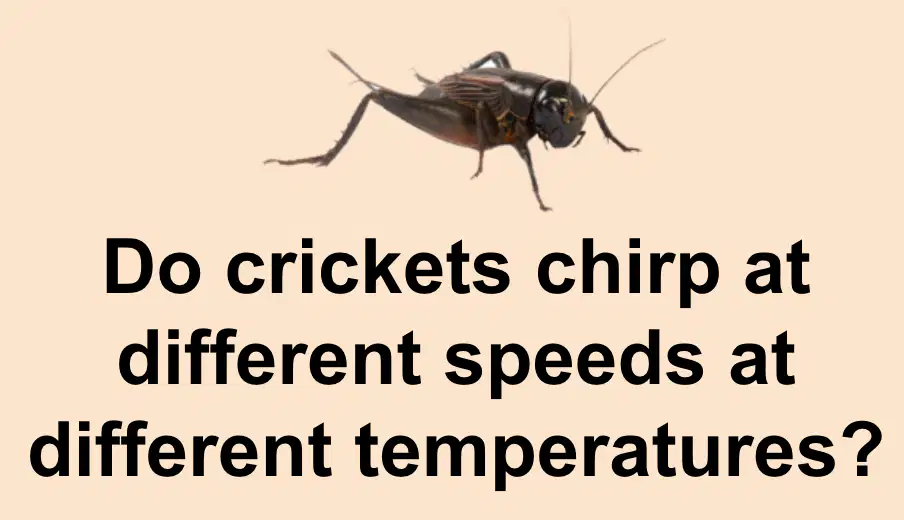
What is the DEPENDENT variable?
Temperature
Chirping Speed
Change in Temperature
Amount of time in Temperature
31
Example:
Brad wants to know if crickets chirp at different speeds at different temperatures.
What Brad measures & records on the data table is the DEPENDENT VARIABLE.
Dependent Variable = Chirp Speed
32
Example:
Brad wants to know if different acids produce different amounts of gas when combined with baking soda.
33
Example:
Brad wants to know if different acids produce different amounts of gas when combined with baking soda.
What Brad measures & records on the data table is the DEPENDENT VARIABLE.
34
Multiple Choice

What is the DEPENDENT variable?
Amount of Gas
Amount of Baking Soda
Type of acid
Amount of acid
35
Example:
Brad wants to know if different acids produce different amounts of gas when combined with baking soda.
What Brad measures & records on the data table is the DEPENDENT VARIABLE.
Dependent Variable = Amount of Gas
36
Example:
Brad wants to know if different colored lights will make a difference in how wide a person's pupil will open
37
Example:
Brad wants to know if different colored lights will make a difference in how wide a person's pupil will open
What Brad measures & records on the data table is the DEPENDENT VARIABLE.
38
Multiple Choice
What is the DEPENDENT Variable?
Width of Pupil
Color of Eye
Color of Light
Time light is shining
39
Example:
Brad wants to know if different colored lights will make a difference in how wide a person's pupil will open
What Brad measures & records on the data table is the DEPENDENT VARIABLE.
Dependent Variable = Width of Pupil
40

Control Variables
41

A control variable is a factor in an experiment that should remain constant
or the same for the entire experiment.
42
A control variable is a factor in an experiment that should remain constant
or the same for the entire experiment.
If the factor did change, it could negatively affect the outcome of the experiment.
43

Example:
Brad want to know if some colors of cars fade faster than other colors.
44
Example:
Brad want to know if some colors of cars fade faster than other colors.
For the experiment, he is going to purposefully change the colors of the car.
45
Example:
Brad wants to know if some colors of cars fade faster than other colors.
For the experiment, he is going to purposefully change the colors of the car.
He should NOT change anything else.
46
Example:
Brad want to know if some colors of cars fade faster than other colors.
For the experiment, he is going to purposefully change the colors of the car.
He should NOT change anything else.
What variables should he keep the SAME?
47
Open Ended

List TWO control variables
48
Example:
Brad want to know if some colors of cars fade faster than other colors.
For the experiment, he is going to purposefully change the colors of the car.
He should NOT change anything else.
What variables should he keep the SAME?
age of car time of year car model
time in sun brand of paint age of paint
49
Example:
Brad want to know if crickets will chirp at different speeds at different temperatures.
50
Example:
Brad want to know if crickets will chirp at different speeds at different temperatures.
For the experiment, he is going to purposefully change the temperature of the cage.
He should NOT change anything else.
51
Example:
Brad want to know if crickets will chirp at different speeds at different temperatures.
For the experiment, he is going to purposefully change the temperature of the cage.
He should NOT change anything else.
What variables should he keep the SAME?
52
Open Ended

List TWO control variables
53
Example:
Brad want to know if crickets will chirp at different speeds at different temperatures.
For the experiment, he is going to purposefully change the temperature of the cage
He should NOT change anything else.
What variables should he keep the SAME?
size cage time of day time in temperature
sex of cricket cricket age type of cricket
54
Example:
Brad wants to know if different acids produce different amounts of gas when combined with baking soda.
55
Example:
Brad wants to know if different acids produce different amounts of gas when combined with baking soda.
For the experiment, he is going to purposefully change the type of acid used.
He should NOT change anything else.
56
Example:
Brad wants to know if different acids produce different amounts of gas when combined with baking soda.
For the experiment, he is going to purposefully change the type of acid used.
He should NOT change anything else.
What variables should he keep the SAME?
57
Open Ended

List TWO control variables
58
Example:
Brad wants to know if different acids produce different amounts of gas when combined with baking soda.
For the experiment, he is going to purposefully change the type of acid used.
He should NOT change anything else.
What variables should he keep the SAME?
amount of acid amount of baking soda
container size time combined
59
Example:
Brad wants to know if different light colors will make a difference in how wide a person's pupils will open.
60
Example:
Brad wants to know if different light colors will make a difference in how wide a person's pupils will open.
For the experiment, he is going to purposefully change the color of the light.
He should NOT change anything else.
61
Example:
Brad wants to know if different light colors will make a difference in how wide a person's pupils will open.
For the experiment, he is going to purposefully change the color of the light.
He should NOT change anything else.
What variables should he keep the SAME?
62
Open Ended
List TWO control variables
63
Example:
Brad wants to know if different light colors will make a difference in how wide a person's pupils will open.
For the experiment, he is going to purposefully change the color of the light.
He should NOT change anything else.
What variables should he keep the SAME?
light brightness wait time before light
time in light eye (left/right)
person light brand and age
Identifying Variables
Show answer
Auto Play
Slide 1 / 63
SLIDE
Similar Resources on Wayground

52 questions
Solar System Exploration Review Honors 22-23
Presentation
•
6th Grade
60 questions
Dividing Integers
Presentation
•
7th Grade
55 questions
Weather in the Atmosphere
Presentation
•
6th Grade
57 questions
Untitled Lesson
Presentation
•
KG
56 questions
Transverse vs Longitudinal Waves
Presentation
•
6th Grade
56 questions
Simple and Extended Structures
Presentation
•
7th Grade
61 questions
European Union 6
Presentation
•
6th Grade
52 questions
LEAP REVIEW #1
Presentation
•
6th Grade
Popular Resources on Wayground
21 questions
Continents and Oceans

Quiz
•
6th Grade
20 questions
Parts of Speech
Quiz
•
5th Grade
16 questions
Subject & Predicate
Quiz
•
5th Grade
25 questions
Multiplication Facts
Quiz
•
5th Grade
12 questions
Map Skills
Quiz
•
3rd Grade
22 questions
Continents and Oceans
Quiz
•
5th Grade
15 questions
Rounding Decimals
Quiz
•
5th Grade
20 questions
Brand Labels
Quiz
•
5th - 12th Grade
Discover more resources for Science
20 questions
Elements, compounds, and mixtures
Quiz
•
6th Grade
10 questions
6.6D - Relative Density Review
Quiz
•
6th Grade
20 questions
Claim, Evidence and Reasoning (CER)
Quiz
•
6th - 8th Grade
10 questions
Exploring Chemical and Physical Changes

Interactive video
•
6th - 10th Grade
20 questions
Rocks and The Rock Cycle
Quiz
•
6th Grade
20 questions
6th Grade Force & Motion
Quiz
•
6th Grade
18 questions
Interpreting Distance/Time Graphs
Quiz
•
6th Grade
16 questions
Kinetic Energy and Potential Energy
Presentation
•
6th Grade