

Different types of questions B1.5

Presentation
•
English
•
University
•
Practice Problem
•
Medium

Eduardo Dorado
Used 3+ times
FREE Resource
29 Slides • 39 Questions
1

Imagine you are an incisive journalist. What would you ask to Johnny Depp?
2
Open Ended

You have the opportunity to ask Johnny Depp only one question. What would it be?
3

4
How to build questions properly.
Closed-ended Questions (yes/no)
Tag Questions
Open-ended Questions (information)
Indirect/Embedded Questions
Probing Questions
5

Aux. + Subject + Verb + ?
Closed-Ended Questions
6

7
Let's Practice!
8
Multiple Choice
_______ you coming home today?
Are
Do
Have
Is
9
Multiple Choice
__________ you understand the question?
Aren't
Doesn't
Don't
Haven't
10
Multiple Choice
______ she traveled abroad?
Has
Have
Does
Did
11
Multiple Choice
_____ the postman come, yet?
Don't
Hasn't
Aren't
Isn't
12
Multiple Choice
_______ Anna and Carlos vegan?
Didn't
Wasn't
Weren't
Haven't
13

Aux. (+ not) + Subject Pronoun
Affirmative, negative
Negative, affirmative
Tag Questions
14
Let's Practice!
15
Multiple Choice
I don’t need to finish this today,...
am I?
do I?
have I?
16
Multiple Choice
The will of people prevails,...
doesn't it?
won't it?
won't they?
17
Multiple Choice
Let’s all write a letter,...
shall we?
have we?
do we?
18
Multiple Choice
You and I came to terms,...
haven't we?
didn’t us?
didn’t we?
19
Multiple Choice
I’m right,...
amn't I?
aren’t I?
don't I?
20

WH + Aux. + Subject + Verb + ?
Open-Ended Questions
21
Let's Practice!
22
Multiple Choice
A: ______________ she like?
B: She's really pretty.
Who's
What's
Where's
23
Multiple Choice
A: ____________ Mark from?
B: I think he's from New York.
What's
Who's
Where's
24
Multiple Choice
A: ____________ they over there?
B: They're my friends.
Who's
Who are
What are
25
Multiple Choice
A: ____________ is your brother?
B: He's sixteen.
How old
How
What
26
Multiple Choice
A: ________ Jim and Mike?
B: They're at the stadium.
What are
Where are
How are
27

INTRO + WH + Subject + Verb (+ ?) (Intro + Affirmative/Negative)
Indirect/
Embedded Questions
28

Examples:
Indirect/
Embedded Questions
29

30
We normally use indirect questions when we want to be more polite. We begin the question with expressions such as Can you tell me …? Could you tell me …? Do you know …? Would you mind telling me … ?
What time is it? (direct question)
Could you tell me what time it is? (indirect question)
In indirect questions, the order is subject + verb.
Do you know where can I find a bank?
Do you know where I can find a bank?
Can you tell me what time do the shops close?
Can you tell me what time the shops close?
There are other expressions that follow the same rule:
I don’t know what he is doing here.
I wonder when he will find the truth.
I’m not sure when I can come.
I’d like to know where you left the documents.
For yes-no questions (when there is NO question word), we can use both if or whether.
Do you know if/whether he’ll be here soon?
31
Let's Practice!
32
Multiple Choice
Direct Question: Where does she play tennis?
Indirect Question: Can you tell me...
where do she play tennis?
where does she play tennis?
where she plays tennis?
33
Multiple Choice
DQ: Who is he?
IQ: I want to know…
who he is.
who is he.
he is.
34
Multiple Choice
DQ: Where are they studying?
IQ: Do you know…
what they’re studying?
what are they studying?
they are studying?
35
Multiple Choice
DQ: What kind of food does Mr. Jones like?
IQ: Tell me…
what kind of food Mr. Jones likes.
what kind of food does Mr. Jones like?
what kind of food is Mr. Jones like.
36
Multiple Choice
DQ: Where is the Jumbo Supermarket?
IQ: Do you know…
where the Jumbo Supermarket is?
where is the Jumbo Supermarket?
where the Jumbo Supermarket?
37

Uses:
Probing Questions
38

Usually, information questions:
WH + Aux. + Subject + Verb + ?
Probing Questions
39
Multiple Select
c. How exactly do you feel about the new government?
Ice-breaking question
Funneling question
Closed question
Probing question
Open question
40
Open Ended
A customer is calling because they want to send back a device
What probing questions would you ask?
41
Multiple Choice
Choose the best option:
We don’t remember...
a. where the house is?
b. where is the house?
42
Multiple Choice
Choose the best option:
I'm not sure...
a. where you were last night.
b. where were you last night.
43
Multiple Choice
Choose the best option:
Can you tell me...
a. where does he work?
b. where he works?
44
45
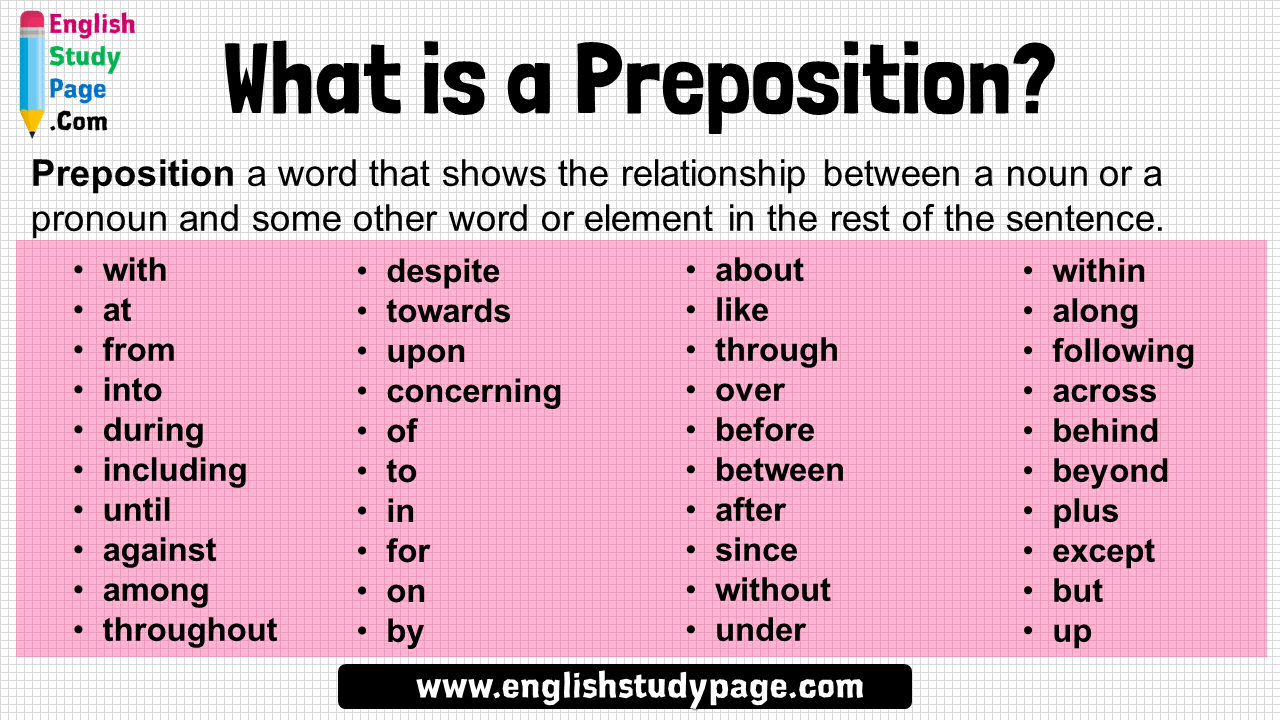
there's a bunch
relates a noun/pronoun to another word in a sentence.
Many prepositions tell you where something is or when something happened.
Most prepositions have several definitions, so the meaning changes quite a bit in different contexts.

46
FYI
We use questions with preposition when we ask about an element of the sentence that comes after a preposition. In questions with preposition we put the preposition at the end of the question (after the verb, or the verb + object if there is an object).
Questions with prepositions
47
In informal or spoken English, when a question word needs a preposition, we put the preposition at the end of the question (after the verb or after verb + object if there is an object). We don’t use the preposition at the beginning.
What are you talking about?
Who do you live with?
In more formal English, prepositions can be used before question words. Compare:
Who did she talk to? (Informal)
To whom did she talk? (More formal)
Note that we use whom instead of who after a preposition.
48
In informal or spoken English, when a question word needs a preposition, we put the preposition at the end of the question (after the verb or after verb + object if there is an object). We don’t use the preposition at the beginning.
What are you talking about?
Who do you live with?
In more formal English, prepositions can be used before question words. Compare:
Who did she talk to? (Informal)
To whom did she talk? (More formal)
Note that we use whom instead of who after a preposition.
49
I played tennis with John. ⇒ Who did you play tennis with? (NOT With who did you…)
I work for a multinational company ⇒ What company do you work for?
We usually talk about sports. ⇒ What do you usually talk about?
50
Multiple Choice
She's looking for a job.What...
she's looking for?
is she looking?
is she looking for?
51
Multiple Choice
I am waiting for my husband. Who ....
are you waiting for?
you're waiting ?
you're waiting for?
52
Multiple Choice
The book is based on a novel by a Russian writer. What....
is the book based on?
is the book based?
the book is based on?
53
Fill in the Blanks
I dreamt about our old house in Cornwall.
Type answer...
54
Fill in the Blanks
I always listen to Jack's advice.
Type answer...
55
Multiple Choice
How tall is the Burj Khalifa?
1000 m
90 m
654 m
825 m
56
Negative yes-no questions are question forms that begin with a negative helping verb such as aren't, isn't, can't, don't, didn't.
We usually use this type of question to check something we believe or expect to be true. For instance if we believe that Jim is a happy person, we can say: Isn't he happy?
57
We answer “no” when the answer is negative, and “yes” when the answer is positive.
Isn’t he happy?
→ No, he isn’t.
→ Yes, he is.
58
Turn the negative statement into a negative question.
He isn't happy. → Isn't he happy?
You aren't hungry. → Aren't you hungry?
You don't like bananas. → Don't you like bananas?
She didn't come. → Didn't she come?
They can't speak English. → Can't they speak English?
59
Fill in the Blanks
1
Type answer...
60
Fill in the Blanks
2 I love cooking.
Type answer...
61
Fill in the Blanks
3
Type answer...
62
Fill in the Blanks
4
Type answer...
63
Fill in the Blanks
6
Type answer...
64
Multiple Choice
READ THE STATEMENT AND SELECT THE CORRECT REPLY
A) I feel tired
Why won’t you slept last night?
Why don’t you take a nap? I can finish the report for you
65
Multiple Choice
READ THE STATEMENT AND SELECT THE CORRECT REPLY
A) Have you seen my old mp3 player?
B) Sorry, I sold it for some bucks
Why haven’t your told me? I´ve been looking for it all day
Why didn’t you tell? I´ve been looking for it all day
Why aren’t you told me? I´ve been looking for it all day
66
The past exercises use negative questions to give a reply to the situations.
To form negative sentences, obviously, the auxiliary will always be in negative form.
You use negative questions to:
*show surprise or annoyance
*suggest something
*request something
* check info or something you think is true.
67

68

Imagine you are an incisive journalist. What would you ask to Johnny Depp?
Show answer
Auto Play
Slide 1 / 68
SLIDE
Similar Resources on Wayground

59 questions
COM 101 Grammar Lesson and Quiz Fall 2023
Presentation
•
University
65 questions
ASP Materi 1 KARAKTERISTIK & LINGKUNGAN SEKTOR PUBLIK
Presentation
•
University
64 questions
Revision Lesson 1 Junior Intermediate
Presentation
•
Professional Development
62 questions
Tenses, Aspects and Voice 1: Present and Present Progressive
Presentation
•
Professional Development
65 questions
Unit 20 - Wishes and Regrets
Presentation
•
12th Grade
61 questions
Greek Roots
Presentation
•
12th Grade
62 questions
WEX - Interviewing
Presentation
•
KG - University
64 questions
pre intermediate II - unit = 06-07 review
Presentation
•
University
Popular Resources on Wayground
10 questions
Safety Day 2026 – Student Review

Quiz
•
9th Grade
21 questions
Continents and Oceans
Quiz
•
6th Grade
20 questions
Parts of Speech
Quiz
•
5th Grade
16 questions
Subject & Predicate
Quiz
•
5th Grade
25 questions
Multiplication Facts
Quiz
•
5th Grade
12 questions
Map Skills
Quiz
•
3rd Grade
22 questions
Continents and Oceans
Quiz
•
5th Grade
15 questions
Rounding Decimals
Quiz
•
5th Grade
Discover more resources for English
20 questions
Disney Trivia
Quiz
•
University
10 questions
Spanish Greetings and Goodbyes!
Presentation
•
6th Grade - University
20 questions
Physical or Chemical Change/Phases
Quiz
•
8th Grade - University
39 questions
Unit 7 Key Terms
Quiz
•
11th Grade - University
25 questions
SER and Subject Pronouns
Quiz
•
8th Grade - University
38 questions
Unit 6 Key Terms
Quiz
•
11th Grade - University
19 questions
Key Concepts in Buddhism
Quiz
•
University
0 questions
Cell Domain Basic Review (Biology)
Quiz
•
University