1B1, 1B2 Review Lesson
Presentation
•
Biology
•
12th Grade
•
Easy
James Franks
Used 1+ times
FREE Resource
9 Slides • 17 Questions
1
1B1 Macromolecule Monomers
Carbohydrates - CHO
Monosaccharides
Lipids - CHO
Fatty Acids and Glycerol
Proteins - CHON
Amino Acids
Nucleic Acids - CHOPN
Nucleotides
Macromolecules are made of building blocks called MONOMERS.
2
Match
REVIEW: Match the macromolecule to its monomer
monosaccharides
fatty acids
amino acids
nucleotides
Carbohydrates
Lipids
Proteins
Nucleic Acids
Carbohydrates
Lipids
Proteins
Nucleic Acids
3
1B1 Macromolecule Monomers
Carbohydrates
Monosaccharides
Lipids
Fatty Acids
Proteins
Amino Acids
Nucleic Acids
Nucleotides
CHO 1:2:1
6-C, 12-H, 6-O
CHO
Lots of C and H, few O
CHON
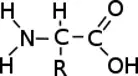
look for NCC or CCN
CHOPN
has P and N
1, 5, 9, 13
4
Match
Carbohydrate
Protein
Nucleic Acid
Lipid
Carbohydrate
Protein
Nucleic Acid
Lipid
5
1B1 Macromolecule Structures
Carbohydrates - CHO 1:2:1
Lipids - CHO
Proteins - CHON
Nucleic Acids - CHOPN
1, 5, 9, 13
6
Multiple Choice
7
Categorize
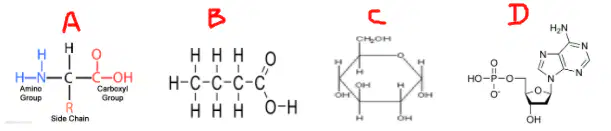
Determine what kind of macromolecule each structure represents.
8
1B1 Macromolecule Structures
Carbohydrates - CHO 1:2:1
Lipids - CHO
Proteins - CHON
Nucleic Acids - CHOPN
Monosaccharides
Amino Acids
Fatty Acids
Nucleotides
2, 10,
9
Multiple Choice
10
Categorize
main source of energy for cells
store long-term energy, cushion, insulate, waterproofs
Compare carbohydrates to lipids.
11
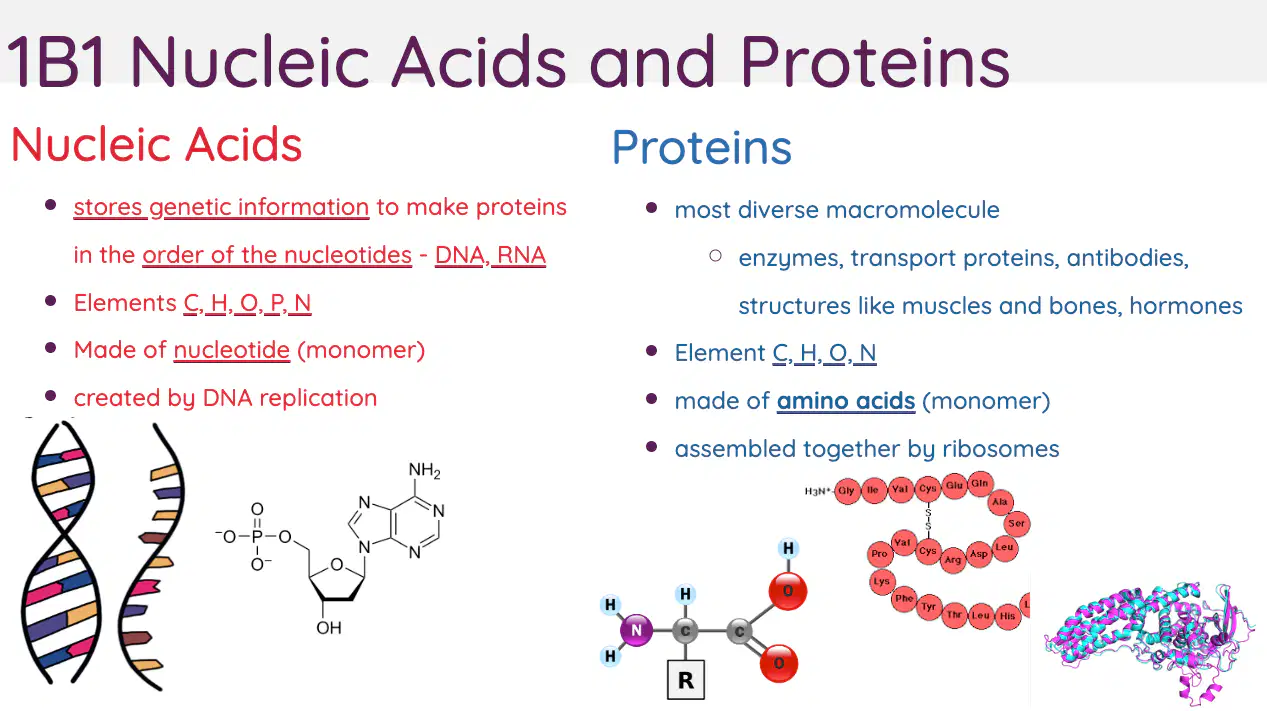
1B1 Nucleic Acids and Proteins
Nucleic Acids
stores genetic information to make proteins in the order of the nucleotides - DNA, RNA
Elements C, H, O, P, N
Made of nucleotide (monomer)
created by DNA replication
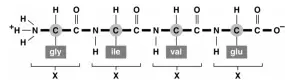
Proteins
most diverse macromolecule
enzymes, transport proteins, antibodies, structures like muscles and bones, hormones
Element C, H, O, N
made of amino acids (monomer)
assembled together by ribosomes
12
Categorize
Compare nucleic acids to proteins.
13
Multiple Choice
14
Multiple Choice
15
Multiple Choice
16
Multiple Choice
17
1B2 Enzymes
Enzymes are proteins that speed up chemical reactions by
Lowering the activation energy needed to start a reaction
Providing a place for the reaction to occur
A catalyst is something that speeds up reactions.
Enzymes are biological catalysts.
Amount of energy required to start reaction without enzyme
Amount of energy required to start reaction with enzyme
18
Dropdown
19
1B2 Enzyme Reaction Diagram
Enzymatic Reaction
AKA Catalyzed Reaction
Substrate - the substance(s) the enzyme is acting on
Active site - the place where the substrate binds to the active site
Enzyme-substrate complex - the enzyme and substrate when joined together
Product - the substance(s) released by the enzymatic reaction
20
Labelling
Label the enzyme activity diagram.
Products
Active Site
Enzyme-substrate Complex
Enzyme
Substrate
21
1B2 Optimum pH
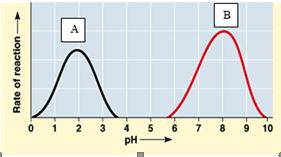
Optimum (best) pH
The pH at which the enzyme works the best
Most human enzymes work best at a pH of around 7 (neutral)
Stomach enzymes work best at a pH of 1.5 (acidic)
DENATURE - Outside of their pH range, the enzyme will denature and not function correctly (denature)
Optimum pH - 2.8
Range 1.8-2.2
Only functions in acidic environments
Optimum pH 8.5
Range 8-9
Only functions in alkaline (basic) environments
22
Multiple Choice
0
23
1B2 Optimum Temperature
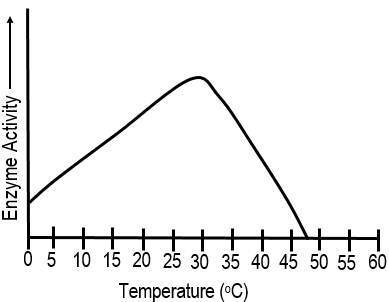
Optimum (best) Temperature
The temperature at which the enzyme works the best
Most human enzymes work best at around 98.6°F (37°C)
DENATURE
Outside of the optimum temperature range, the enzyme will change shape and not function correctly
Optimum temperature for this enzyme is around 40°C
Temp. Range: 35-45
24
Multiple Choice
25-35°C
35-45°C
5-25°C
25
Multiple Choice
26
Multiple Choice
1B1 Macromolecule Monomers
Carbohydrates - CHO
Monosaccharides
Lipids - CHO
Fatty Acids and Glycerol
Proteins - CHON
Amino Acids
Nucleic Acids - CHOPN
Nucleotides
Macromolecules are made of building blocks called MONOMERS.
Show answer
Auto Play
Slide 1 / 26
SLIDE

Similar Resources on Wayground
20 questions
Digestive System Crash Course
Presentation
•
KG - 12th Grade
18 questions
Cellular respiration
Presentation
•
11th - 12th Grade
19 questions
osmosis
Presentation
•
11th Grade
20 questions
The Federal Bureaucracy
Presentation
•
12th Grade
20 questions
Negative Exponents
Presentation
•
12th Grade
20 questions
States of Matter Review
Presentation
•
3rd Grade
20 questions
Nomenclature Day 1
Presentation
•
12th Grade
20 questions
Rhetoric Basics
Presentation
•
12th Grade
Popular Resources on Wayground
5 questions
A Home on the Shore
Quiz
•
3rd Grade
28 questions
US History Regents Review
Quiz
•
11th Grade
6 questions
A Horse Tale
Quiz
•
3rd Grade
20 questions
Math Review
Quiz
•
3rd Grade
10 questions
Juneteenth History and Significance
Interactive video
•
5th - 8th Grade
20 questions
Dividing Fractions
Quiz
•
5th Grade
55 questions
A Long Walk to Water Final Review
Quiz
•
6th - 8th Grade
10 questions
Equation Word Problems
Quiz
•
7th Grade
Discover more resources for Biology
20 questions
Insurance
Quiz
•
9th - 12th Grade
10 questions
Juneteenth: History and Significance
Interactive video
•
7th - 12th Grade
6 questions
Mayan Mathematics part 1
Presentation
•
9th - 12th Grade
40 questions
Flags of the World
Quiz
•
KG - Professional Dev...
10 questions
Unit 9 Quiz
Quiz
•
9th - 12th Grade