

Function of Cell Division

Presentation
•
Biology
•
11th Grade
•
Easy

Tina Wong
Used 2+ times
FREE Resource
33 Slides • 41 Questions
1

Functions of Cell Division
D2.1.1 & D2.1.12*
2
D2.1.1 — Generation of new cells in living organisms by cell
3
Review: All life has the capability for reproduction
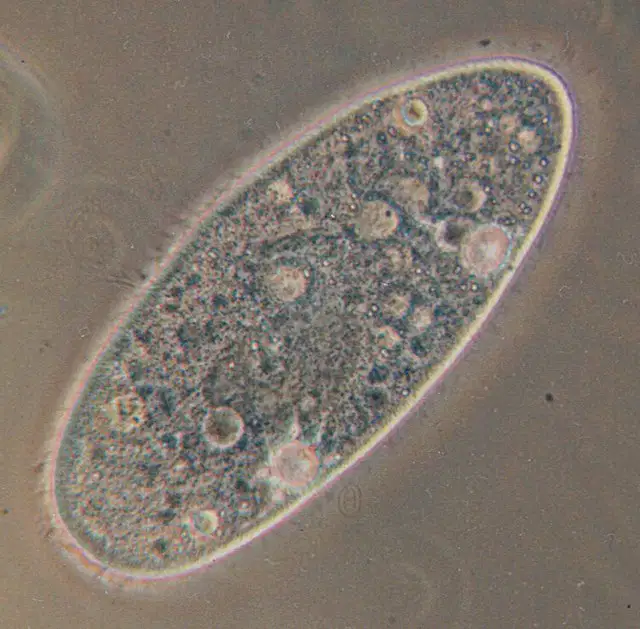
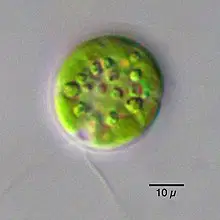
Even unicellular organisms like paramecium and chlamydomonas reproduce
4
Fill in the Blanks
5
Fill in the Blanks
6

Review: Reproduction can be sexual or asexual
Asexual reproduction produces offspring that are genetically identical to the parent
7
Labeling
Match the following
Binary Fission
Mitosis
Eukaryotes
Prokaryotes
8

Review: Reproduction can be sexual or asexual
Sexual reproduction produces offspring that are genetically
unique and increases genetic variation within a species
9
Fill in the Blanks
Form of cell division in sexual reproduction
10
Fill in the Blanks
According to the cell theory, cells can only be
formed by division of
11

Review: According to the cell theory, cells can only be
formed by division of pre-existing cells

12

Implications of all cells being formed from pre-existing cells
#1 We can trace the origin of all
the cells in our body back to the
first cell
13
Multiple Choice
First cell in the human body
zygote
egg
sperm
14

15
Multiple Choice
What type of relationship is shown in the graph?
Linear
Exponential
16

Implications of all cells being formed from pre-existing cells
#2 The origin of all cells can be
traced back through billions of
years of evolution to “LUCA” -
the last universal common
ancestor of all life on earth
17
Implications of all cells being formed from pre-existing cells
#3 There must have been a first cell that arose from non-living material
18
Implications of all cells being formed from pre-existing cells
#3 There must have been a first cell that arose from non-living material
How life originated and how the first cell came into being are matters of speculation (since these events cannot be reproduced in the laboratory)
19
Multiple Choice
The first cells were likely some sort of membrane surrounding a self replication molecule like a RNA
True
False
20
Multiple Choice
The first cells were likely some sort of membrane surrounding a self replication molecule like a RNA
True
False
21

22

Implications of all cells being formed from pre-existing cells
The first cells were likely some sort of membrane surrounding a self replication
molecule like a RNA
23
D2.1.12* — Cell proliferation for growth, cell repairment and tissue repair
24
Labeling
Match the following
Cell proliferation
Cell division
Cell growth
25

26
Multiple Choice
Cell Proliferation can only happen in
unicellular organisms
multicellular organisms
27

Cell Proliferation
Process in multicellular organisms
A cell grows and divides to produce daughter cells
28
Multiple Select
Cell proliferation occurs for:
Organism growth
Replacement of dead cells
Tissue repair
29
Organism Growth
When plants and animals age, most also grow in size.
Cell proliferation creates the cells necessary to add more mass to the body.

30

Organism Growth - Animals
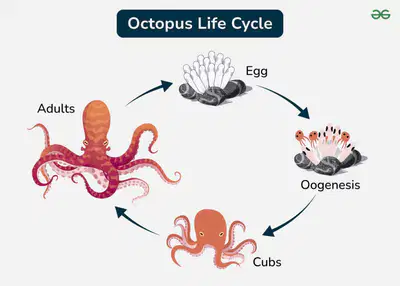
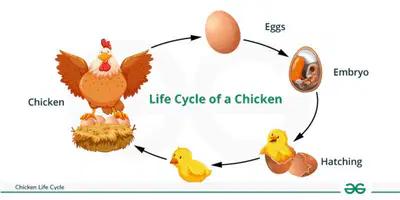
Most animals have an embryonic and juvenile phase of growth before reaching an adult size
31
Match
Match the following
Embryonic Phase
Juvenile Phase
Adult Phase
3rd - 8week of pregnancy
growth after birth before reproduction
reach sexual maturity, can reproduce
3rd - 8week of pregnancy
growth after birth before reproduction
reach sexual maturity, can reproduce
32


33
Reorder
Reorder the following
Embryonic Phase
Juvenile phase
Adult Phase
34
Embryonic Cell Proliferation is rapid
Cells omit growth phases (gap phases of interphase)

35
Labeling
Which phase is omitted for rapid embryonic cell proliferation?
Gap Phase (growth)
DNA Synthesis
Gap Phase (growth)
Mitosis (cell division)
36
Multiple Choice
As a result, the number of cells will:
increase
decrease
37
Multiple Choice
and the size of individual cells get
smaller
bigger
38
Open Ended
Why is it important for egg cells to be large in size?
39
Why are egg cells the largest cells?
All the cytoplasm and nutrients are supplied by the original cell

40


During juvenile growth
Cells continue to proliferation
With “spurts” of growth
41

Organism Growth - Plants
There is no limit to growth in plants
They can grow throughout their lifespan

42
Fill in the Blanks
In plants, cell proliferation is confined to
43
Labeling
Match the following functions to the meristem
widens the stem, adding thickness
for elongating stem, create leaf, flower
Creates cells for lengthening roots
44

Replacement of Cells that Die Naturally
An adult human has roughly 30 trillion human cells
●
72% (by mass) are fat and muscle

45


46
Open Ended
What is the little cell rule for life span?
47
Categorize
Fat tissue
Muscle tissue
Red blood cells
Cells lining the gut
Organize these options into the right categories
48

Replacement of Cells that Die Naturally - Red Blood Cells
Life span is only about 120 days
Must be replaced throughout an animal’s life
49
Fill in the Blanks
Name the stem cells that differentiate / specialise into red blood cells
50
Fill in the Blanks
Where are these stem cells located?
51
Fill in the Blanks
Which organ is it found in?
52
Open Ended
What are the two functions of hematopoetic stem cell niche?
53


54

Replacement of Cells that Die Naturally - Skin
Because of continued cell
division behind him → cells
produce more keratin
55

Replacement of Cells that Die Naturally - Skin
Keratin causes the cell to toughen and dry out, so when
cells reach the skin surface → flattened and dead. Dead
skin will slough off the surface.
56
Reorder
Process of Replacement of Skin Cells that Die Naturally
new cells are formed on the basal layer
there is continued cell division - producing more keratin
new cells push older ones up towards the skin surface
keratin causes the cell to toughen and dry out
dead skin cells are shed from the skin surface
57
Tissue Repair
During healing of injured tissue, cell proliferation occurs to replacement damaged cells
Important for skin and blood vessels
Protection
Bring oxygen and nutrients to other cells in the body
58

Tissue Repair: Skin during Wound Healing
A cut of burn of the skin will trigger
skin cell proliferation by:
Basal cells in the epidermis
Multipotent stem cells in the hair
follicle (for deeper damage)
59

In certain organisms, cell proliferation can replace entire
lost limbs or tails
60
61
Multiple Choice
What type of cell division occurs to create gametes used in sexual reproduction.
Mitosis
meiosis
binary fission
metastasis
62
Fill in the Blanks
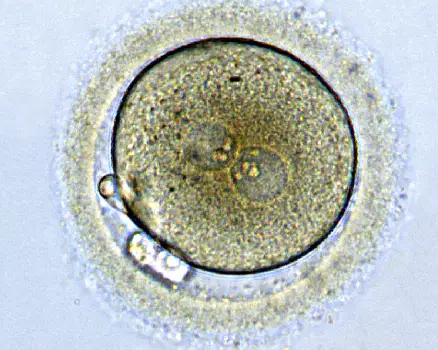
One implication of the cell theory is that we can trace all the cells in our body back to one cell formed after fertilization called a:
63
Fill in the Blanks
One implication of the cell theory is that we can trace every cell on Earth back to a common, universal cell known as:
64
Fill in the Blanks
One implication of the cell theory is that there must have been a first cell that was created from abiotic components. This first, living cell on Earth is known as a:
65
Multiple Choice
Cell Proliferation refers to
Cells that are dividing
Cells that are growing
Cells that are both dividing and growing
Cells repairing themselves
66
Fill in the Blanks
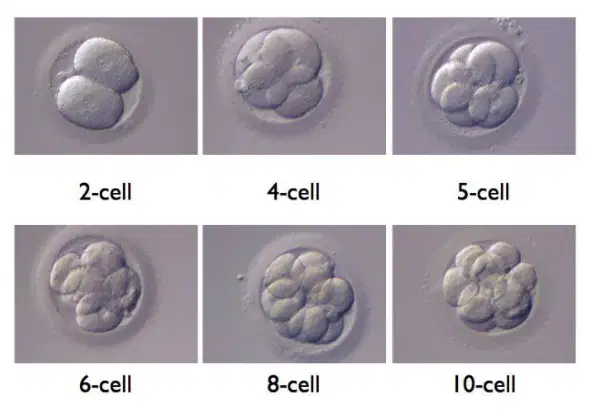
With embryonic cell development in animals, what is halted?
67
Multiple Choice
The egg cell has a large volume relative to other cells. What function does that provide?
The egg provides space for the embryo to grow
The egg divides many times to produce a large number of cells
The size of the egg makes it easy for sperm to fertilize
The egg contains many cells that need nutrients
68
Multiple Choice
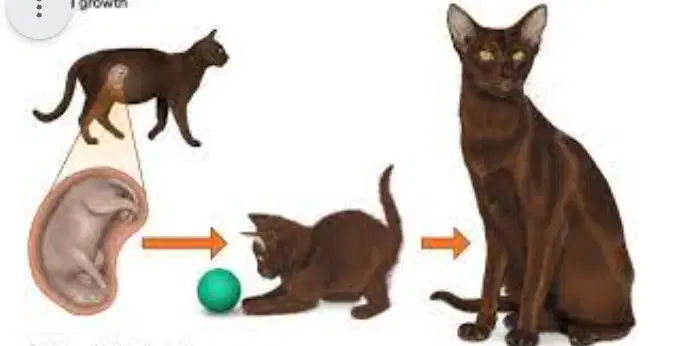
During what stage of development do animals experience the most growth?
Embryo
Fetus
Infant
Juvenile
Adult
69
Multiple Choice
Cell proliferation in plants is confined to what tissue(s)? Pick any that apply
Meristem
Leaf
Stem
Flower
Root
70
Reorder
Reorder the following based on life span
Red Blood Cells
Epithelial cells of the gut
Fat muscle cells
Skeletal muscle cells
Lymphocytes
71
Fill in the Blanks
Where are hematopoietic stem cells located in humans?
72
Multiple Choice

The basal layer
The spinous layer
The granular layer
The dermis
The stratum corneum
73
Fill in the Blanks
In animals, deep injuries will trigger stem cells that are
Type answer...
74
Multiple Choice
For plants and animals, does cell proliferation ever stop?
Yes, it stops but only for animals when they reach adulthood; not plants
Yes, it stops but only for plants when they reach a specific height; not animals
No, cell proliferation never stops in either plants or animals
Yes, cell proliferation stops for both plants and animals once maturation has stopped.
Functions of Cell Division
D2.1.1 & D2.1.12*
Show answer
Auto Play
Slide 1 / 74
SLIDE
Similar Resources on Wayground

71 questions
The Basics of Monopolies
Presentation
•
12th Grade
70 questions
Westward Expansion
Presentation
•
11th Grade
67 questions
C2.1 Chemical Signalling (IB Biology)
Presentation
•
12th Grade
68 questions
Chemistry Unit 3 Lesson 1: Heat vs. Temperature
Presentation
•
10th - 12th Grade
66 questions
Biomes on Earth Lesson
Presentation
•
9th - 12th Grade
72 questions
Juniors Literary Devices 25_26
Presentation
•
11th Grade
67 questions
America on the Homefront
Presentation
•
11th Grade
Popular Resources on Wayground
10 questions
Safety Day 2026 – Student Review

Quiz
•
9th Grade
21 questions
Continents and Oceans
Quiz
•
6th Grade
20 questions
Parts of Speech
Quiz
•
5th Grade
16 questions
Subject & Predicate
Quiz
•
5th Grade
25 questions
Multiplication Facts
Quiz
•
5th Grade
12 questions
Map Skills
Quiz
•
3rd Grade
22 questions
Continents and Oceans
Quiz
•
5th Grade
15 questions
Rounding Decimals
Quiz
•
5th Grade
Discover more resources for Biology
20 questions
Cell Transport
Quiz
•
9th - 12th Grade
8 questions
DNA vs. RNA
Presentation
•
9th - 12th Grade
16 questions
Epithelial tissues
Quiz
•
11th - 12th Grade
15 questions
DNA Structure and Replication
Quiz
•
9th - 12th Grade
20 questions
Ecological Succession Review
Quiz
•
9th - 12th Grade
22 questions
Photosynthesis and Cellular Respiration Review
Quiz
•
9th - 11th Grade
3 questions
Enzymes & Energy
Quiz
•
9th - 12th Grade
38 questions
Mitosis & Meiosis
Quiz
•
9th - 12th Grade