Search Header Logo
  1. Resource Library
  2. Science
  3. Chemistry
  4. States Of Matter
  5. Lesson 1 States Of Matter
Lesson 1 States of Matter

Lesson 1 States of Matter

Assessment

Presentation

•

Science

•

7th Grade

•

Practice Problem

•

Medium

•
NGSS
MS-ESS1-1, MS-PS1-4, MS-ESS2-4

+6

Standards-aligned

Created by

Jade Cassar

Used 2+ times

FREE Resource

5 Slides • 15 Questions

1

States of Matter

2

Poll

Question image

Which one weighs more?

Empty Balloon

Balloon filled with air

3

media

Please write everything that is underlined:

Everything around us that takes up space and has mass is known as matter. This includes the chair you're sitting on, the milk you pour on your cereal and the air you breathe.


Matter includes solids, liquids and gases. These different forms of a substance are called states of matter.

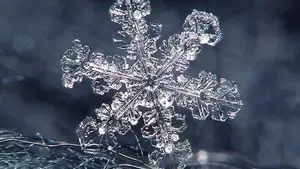
For example, water can be found in all three states on Earth. Ice is water in its solid state. When water is a gas, it's called water vapour.

​

​States of Matter

4

5

Open Ended

Tell me two things that you remember from the video.

6

Multiple Choice

Question image

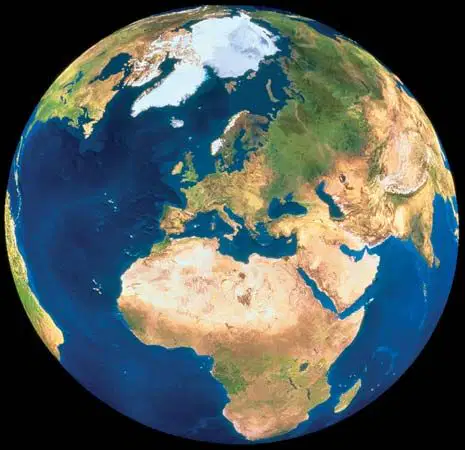
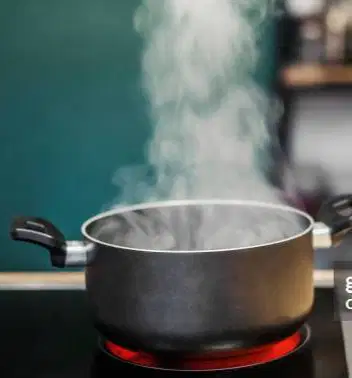
How much of the earth is covered by water?

1

3.5%

2

68%

3

71%

4

96.5%

7

Multiple Choice

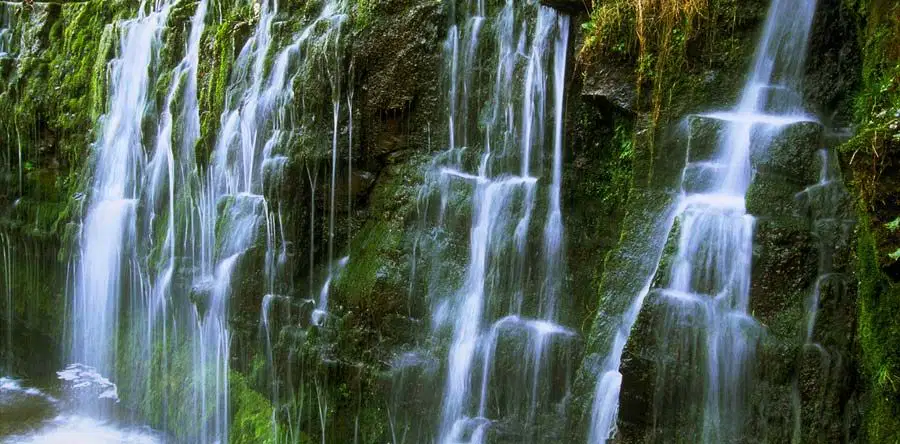
How is most of Earth's fresh water stored?

1
In rivers and lakes
2
In the atmosphere as vapor
3

As ground water

4
In glaciers and ice caps

8

Categorize

Options (7)
Question image
Question image
Question image
Question image
Question image
Question image
Question image

Organize these options into the right categories

Solid
Liquid
Gas

9

​Someone please read out loud

You probably see solid water and liquid water every day. But water vapour is an invisible gas, so you can't see it. It's actually all around you, mixed in with the other gases that make up air.

Clouds form when water changes from a gas to a liquid. When the invisible water vapour in air cools down, it forms droplets of liquid water. These droplets are so tiny that they can float in air. Some clouds are so cold that they are made up of solid ice crystals.

10

Multiple Select

Clouds are made up of water that we can see.

Which two states of matter could the water be in?

1

Solid

2

Liquid

3

Gas

4

11

Multiple Choice

Liquid water can float in air if the droplets are small enough.

1

True

2

False

3
4

12

13

Match

Match the following

How much space something takes up

How much matter is in an object

does not change shape easily

Changes shape easily and flows

To squeeze or squash

Volume

mass

Rigid

fluid

Compress

14

Dropdown

​
are have a fixed shape, whereas ​
have a changeable shape.

15

Labeling

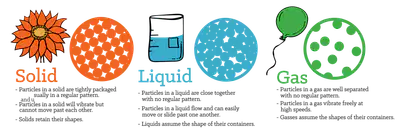
 Complete the table to summarise the important properties of each state of matter.

Drag labels to their correct position on the image

Fluid that finds lowest place in contain

Fluid that expands/compresses to fill

Rigid and can not be compressed

16

Multiple Select

Which statements about liquids are true? (two correct statements)

1

They don't change in volume

2

They are fluids that change shape depending on their container

3

They tend to fill the entire space of their container

4

They change volume depending on their container

17

Multiple Select

Which statements about gases are true? (multiple correct answers)

1

They don't change in volume

2

They are fluids that change shape depending on their container

3

They tend to fill the entire space of their container

4

They change volume depending on their container

18

Multiple Select

Question image

Which properties of the substance in this video help to identify it as a gas? (multiple correct answers)

1

It flows through the air

2

It changes shape easily

3

It expands to spread through the whole space

4

It is white

19

Open Ended

Question image

 Is the substance in this video a solid, liquid or gas? Explain your answer by describing the substance's properties.

20

Poll

Question image

Which one weighs more?

Empty Balloon

Balloon filled with air

pattern-tertiary
States of Matter

Show answer

Auto Play

Slide 1 / 20

SLIDE