Search Header Logo
The Persecuted Church - Eritrea

The Persecuted Church - Eritrea

Assessment

Presentation

Religious Studies

9th - 12th Grade

Practice Problem

Hard

Created by

Jade Harberg

Used 1+ times

FREE Resource

16 Slides • 13 Questions

1

media

2

​Before we start, let's play a game!

media

3

Poll

Question image

Would you rather have telekinesis (the ability to move things with your mind) or telepathy (the ability to read minds)?

telekinesis

telepathy

4

Poll

Question image

Would you rather be in jail for five years or be in a coma for a decade?

jail for five years

coma for a decade

5

Poll

Question image

Would you rather spend a week in the forest or a night in a real haunted house?

week in the forest

night in a real haunted house

6

ERITREA

media

7

Multiple Choice

Question image

What country did Eritrea gain independence from?

1

Gret Britain

2

Sudan

3

Ethopia

4

Djibouti

8

media

Eritrea gained independence from Ethiopia in 1993

Eritrean War of Independence

with Ethiopia
1961–1991

Ethiopia

9

Multiple Choice

Question image

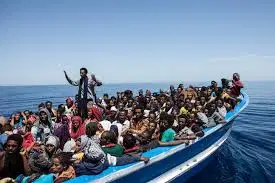
How many Eritreans have fled the country due to the Ethiopian-Eritrean war?

1

550,000

2

800,000

3

1.2 million

4

2.4 million

10

Multiple Choice

True or False: Women were not allowed to fight in the Ethiopian-Eritrean war.

1

True

2

False

3
4

11

media

Over 30% of Eritrean Freedom Fighters – Eritrean People’s Liberation Front (EPLF) – were women. That’s more than any other liberation movement in the world.

12

Multiple Choice

True or False: There is a military tank graveyard that some Eritreans have made a home in.

1

True

2

False

3
4

13

media

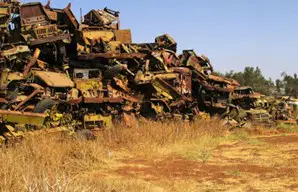
There's a tank graveyard in Asmara filled with old military tanks, trucks and other vehicles. It’s a stark reminder of the Eritrean War of Independence.

In some cases, local families have made homes in the shipping containers in the heart of the graveyard.

14

Multiple Choice

Question image

Which language is NOT an official language of Eritrea?

1

Tigrinya

2

Arabic

3

Ahmaric

4

English

15

media

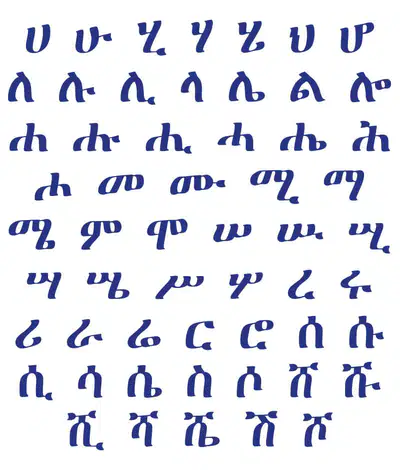
The official languages of Eritrea are Tigrinya, Arabic, and English.

Tigrinya is the most widely spoken language in Eritrea and serves as the primary language of communication.

16

Multiple Choice

Question image

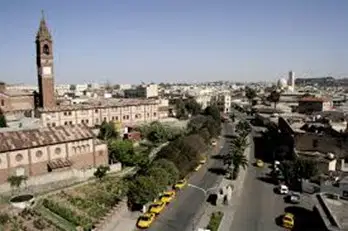
True or False: Eritrea’s capital Is known as ‘Italy’s African City’ or ‘New Rome’

1

True

2

False

3
4

17

Multiple Choice

Question image

True or False: Since Eritrea is a member of the U.N., the Euro is their national currency.

1

True

2

False

3
4

18

The currency of Eritrea is the Eritrean Nakfa (ERN). It was first used in 1998 when it replaced the Ethiopian Birr.

media

19

media

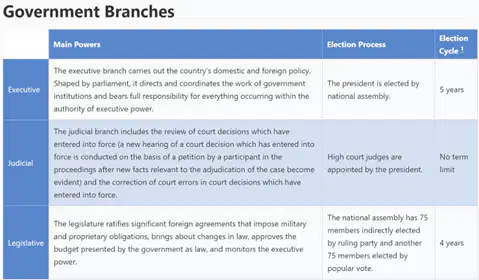
Supposedly a Presidential Republic

20

media

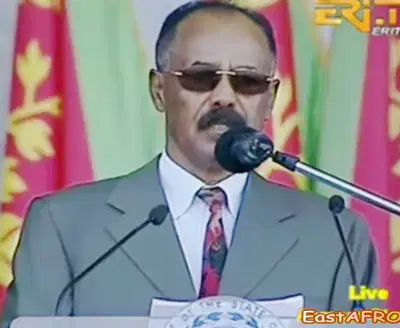
However, the Government of Eritrea in practice is an authoritarian regime under the control of President Isaias Afwerki. The People’s Front for Democracy and Justice (PFDJ), headed by President Isaias Afwerki, is the sole political party. The PFDJ has controlled the country since 1991. Elections have not taken place since the country’s independence from Ethiopia in 1993. The Constitution of Eritrea was ratified by the Constituent Assembly in 1997, but has yet to be entered into force.

21

Reorder

Question image

Put the religions in order from highest percentage [1] to least percentage [4] of the population.

Sunni Muslim

Eritrean Orthodox [Christian]

Catholicism

Animism

Shia Muslim

1
2
3
4
5

22

Fill in the Blanks

media image

23

media

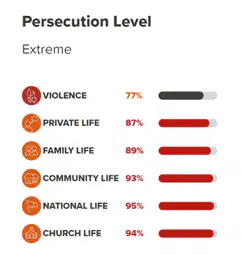
Eritrea suppresses basic rights, including to freedom of opinion, religion, and expression, with heightened restrictions in the context of forced mass conscription.

The "North Korea of Africa"

24

Open Ended

Question image

Why do you think the government would want to supervise and oppress churches within Eritrea?

25

To retain their power

  • There is no free press.

  • The government can draft anyone [even children] into the military for however long they want them.

  • Anyone who dodges the draft is imprisoned, as well as their family members.

  • All humanitarian aid goes through the government.

  • Every church has to be registered with the government. No church can operate until they get approval.

  • Even in the recognized churches, the government closely monitors every congregation. Speaking out about persecution or government interference in church matters is not tolerated at all.

26

Church application

The Office of Religious Affairs has authority to regulate religious activities and institutions, including approval of the applications of religious groups seeking official registration. Each application must include a description of the group’s history in the country; an explanation of the uniqueness or benefit the group offers compared with other registered religious groups; names and personal information of the group’s leaders; detailed information on assets; a description of the group’s conformity to local culture; and a declaration of all foreign sources of funding. Since the 2002 registration requirement came into existence, no religious group has passed the registration process.

27

Punishment

All religious activity outside of the highly regulated official state religions is still illegal. Christians caught conducting religious activities, even something as simple as a Bible study at home, can be arrested, subjected to torture, and possibly executed under charges of treason.

The 2002 declaration began a series of raids where Eritrean officials arrested Christians on foundationless grounds. At the end of 2005, there was an estimated 1,750 Christians held in prisons and military camps. Currently, the estimate of prisoners without a trial or even a crime charged to their name is approximately 500, with hundreds more imprisoned with charges such as blasphemy or apostasy. Many had been detained for more than a decade, often without charge, at locations kept secret from their families.

28

media

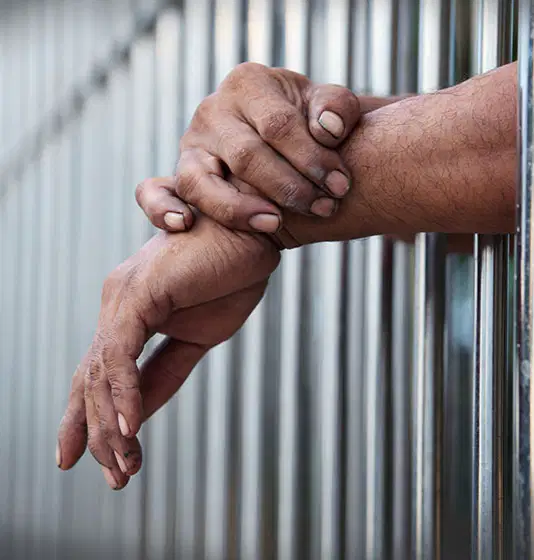
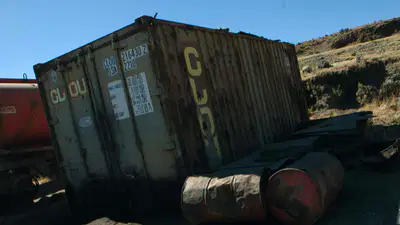
Authorities kept some Christian prisoners in shipping containers, exposed to searing heat by day and freezing cold by night. NGOs stated that officials beat and tortured some to try to force them to renounce their faith; some were reportedly tied up and hung from trees. NGOs said prison authorities banned praying aloud, singing, preaching, or reading of religious books.

29

How NGOs help Eritrea

  • NGOs like Open Doors smuggle in humanitarian aid directly to churches.

  • NGOs provide training courses including leadership and discipleship courses, trauma care and persecution survival seminars.

  • NGOs provide private medical care.

  • NGOs provide bibles in local languages.

  • NGOs educate local communities in trades & entrepeneurial skills to boost their economy.

  • NGOs work with local communities to find "lost" prison inmates, petition the U.N. when human rights are being violated, and make transparent human rights abuses.

media

Show answer

Auto Play

Slide 1 / 29

SLIDE

Discover more resources for Religious Studies