

Cell Structures

Presentation
•
Science
•
6th - 8th Grade
•
Easy
+14
Standards-aligned

Brenda Zarate
Used 26+ times
FREE Resource
33 Slides • 26 Questions
1

2

3

4

5

6
7

8

9

10
Multiple Choice
11
Multiple Choice
12
Multiple Choice
13
Multiple Choice
These cells HAVE a nucleus
Prokaryotic
Eukaryotic
Both
14
Multiple Choice
These cells have no nucleus
Prokaryotic
Eukaryotic
Both
15
16

17
Multiple Choice
Structures in the cell that carry out specific functions
organs
organelles
cytoplasm
cells
18

19
Multiple Choice
20
Multiple Choice
21
Multiple Choice
cell membrane
helps pull apart the cell during division
fluid in the cell that holds the organelles
thick, rigid layer that allows a plant to stand
controls what enters and leaves the cell
22

23
Multiple Choice
Thick, rigid layer that allows plants to stand
cell wall
cell membrane
cytoplasm
chloroplast
24

25
Multiple Choice
This organelle acts like a whip and helps the cell move
Cell Wall
Cytoplasm
Chloroplasts
Flagella
26

27
Dropdown
28
Multiple Choice
29

30
Multiple Choice
31
Multiple Choice

Directs all cell activities through the DNA located there.
Endomembrane System
Nucleus
Ribosomes
Mitochondria
32
Multiple Choice

What is the nucleus?
A part of the cell that tells everything else what to do.
An organ that makes you healthy.
A wall that protects everything in the cell.
33

34
Multiple Choice
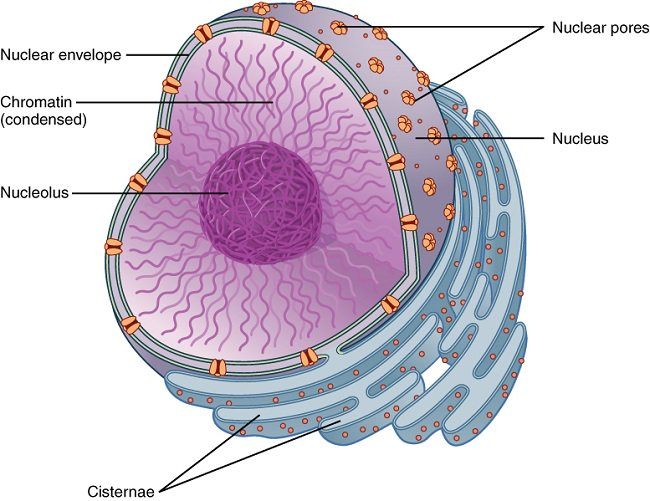
Helps assemble ribosomes, which are combinations made of protein and RNA (ribonucleic acid ).
nuclear membrane
nuclear pores
nucleoplasm
nucleolus
35

36

37

38

39

40

41

42

43

44
Drag and Drop
45

46

47

48

49

50

51

52
Match
Match the following organelles to their functions
Controls what enters the cell, outer flexible layer of cells
center of cell that houses DNA, acts as control center
jelly like fluid in a cell
gives the cell shape and support
system of membrane that transport proteins
cell membrane
nucleus
cytoplasm
cytoskeleton
endoplasmic reticulum
cell membrane
nucleus
cytoplasm
cytoskeleton
endoplasmic reticulum
53
Match
chloroplast
nucleus
ribosome
cell membrane
E.R.
performs photosynthesis
stores DNA (genetic information)
produces proteins
allows the movement of materials in and out of the cell
moves materials within the cell
performs photosynthesis
stores DNA (genetic information)
produces proteins
allows the movement of materials in and out of the cell
moves materials within the cell
54
Match
Match the following cell parts to their functions.
Makes proteins
Stores the DNA
Produces energy
Synthesizes glucose
Fluid filling the cell
Ribosomes
Nucleus
Mitochondria
Chloroplast
Cytoplasm
Ribosomes
Nucleus
Mitochondria
Chloroplast
Cytoplasm
55
Categorize
have ribosomes
have a nucleus
have membrane-bound organelles
no nucleus
no membrane-bound organelles
have a cell membrane
ex. bacteria
ex. animals, fungi, plants
unicellular
unicellular or multicellular
contain genetic material (DNA)
have cytoplasm
Determine whether each characteristic describes prokaryotic cells, eukaryotic cells, or both.
56
Labeling
Label each of the following organelles.
Endoplasmic reticulum
Golgi apparatus
Mitochondria
Cytoskeleton
Nucleolus
Cytoplasm
Ribosomes
Vacuole
Cell membrane
Nucleus
57
Labeling
Label each of the following organelles.
Nucleus
Chloroplast
Golgi apparatus
Large central vacuole
Cell membrane
Cytoplasm
Ribosomes
Mitochondria
Cytoskeleton
Cell wall
58
Poll
How well do you understand the learning goal: I can compare and contrast the structures and function of major organelles of plant and animal cells, including cell wall, cell membrane, nucleus, cytoplasm, chloroplasts, mitochondria, and vacuoles.
4: I can teach it.
3: I am confident I will do well on test and quizzes.
2: I kind of understand but need more practice.
1: I do not understand at all and need to attend tutoring to get a better understanding.
59
Poll
How well do you understand the learning goal: I can recognize and explore how cells of all organisms undergo similar processes to maintain homeostasis, including extracting energy from food, getting rid of waste, and reproducing.
4: I can teach it.
3: I understand well and will do well on my quizzes and assessments.
2: I understand some but need more practice.
1: I do not understand at all and need to attend tutoring so I can get a better understanding.
Show answer
Auto Play
Slide 1 / 59
SLIDE
Similar Resources on Wayground

52 questions
EM Spectrum Lesson
Presentation
•
6th - 8th Grade
53 questions
Plasma and Stars Lesson
Presentation
•
7th - 8th Grade
51 questions
Unit 1: Matter Study Guide
Presentation
•
6th Grade
52 questions
Energy
Presentation
•
7th Grade
52 questions
STAAR Review Day 6
Presentation
•
6th - 8th Grade
55 questions
Atoms and Elements Review
Presentation
•
6th - 8th Grade
57 questions
Energy Transformations
Presentation
•
6th - 8th Grade
51 questions
European Economic Factors
Presentation
•
6th - 8th Grade
Popular Resources on Wayground
10 questions
Safety Day 2026 – Student Review

Quiz
•
9th Grade
21 questions
Continents and Oceans
Quiz
•
6th Grade
20 questions
Parts of Speech
Quiz
•
5th Grade
16 questions
Subject & Predicate
Quiz
•
5th Grade
25 questions
Multiplication Facts
Quiz
•
5th Grade
12 questions
Map Skills
Quiz
•
3rd Grade
22 questions
Continents and Oceans
Quiz
•
5th Grade
15 questions
Rounding Decimals
Quiz
•
5th Grade
Discover more resources for Science
20 questions
Newton's Laws of Motion
Quiz
•
8th Grade
20 questions
Elements, compounds, and mixtures
Quiz
•
6th Grade
10 questions
6.6D - Relative Density Review
Quiz
•
6th Grade
15 questions
potential and kinetic energy
Quiz
•
8th Grade
21 questions
Newton's Laws of Motion
Quiz
•
8th Grade
20 questions
Elements, Compounds and Mixtures
Quiz
•
8th Grade
10 questions
Exploring Chemical and Physical Changes

Interactive video
•
6th - 10th Grade
20 questions
CONDUCTION,CONVECTION AND RADIATION
Quiz
•
6th Grade