

Computer Data Conversion

Presentation
•
Computers
•
12th Grade
•
Practice Problem
•
Medium

Okpor Monday
Used 5+ times
FREE Resource
16 Slides • 13 Questions
1

2
3
Poll
What is your take on the video?
I like the video
I don't like the video
He should take it down
It can't get 70 views
4
By the end of the lesson, the students should be able to:
1.define register, address & Bus
2. state the types of register
3. state functions of register
5
Current Instruction Register (CIR)
Status or Sequence Register (SQR)
Data Processing
CPU (Central Processing Unit)
Data Transfer
Computer Data Conversion
Register
Address
Bus
Types of Registers
Memory Data Register (MDR)
6
Data conversion is the conversion of computer data from one format to another. Throughout a computer environment, data is encoded in a variety of ways. For example, computer hardware is built on the basis of certain standards, which requires that data contains, for example, parity bit checks.
7
Similarly, the operating system is predicated on certain standards for data and file handling. Furthermore, each computer program handles data in a different manner. Whenever anyone of these variables is changed, data must be converted in some way before it can be used by a different computer, operating system or program.
8
REGISTERS:
A register is a small, high-speed storage location within the CPU that temporarily holds data, instructions, or addresses during processing.
9
MDR (Memory Data Register):
Holds data that is being transferred to or from memory. It acts as a buffer between the CPU and memory during data access.
10

Stores the current instruction being executed by the CPU, allowing the processor to decode and process the instruction
CIR (Current Instruction Register)
11

Keeps track of the sequence and status of instructions, often used to manage the flow of operations within the CPU.
SQR (Status or Sequence Register):
12
Word Cloud
List any other register you know
13
Fill in the Blanks
Registers are used to quickly accept, store and transfer data and instructions that are being used
14
Multiple Choice
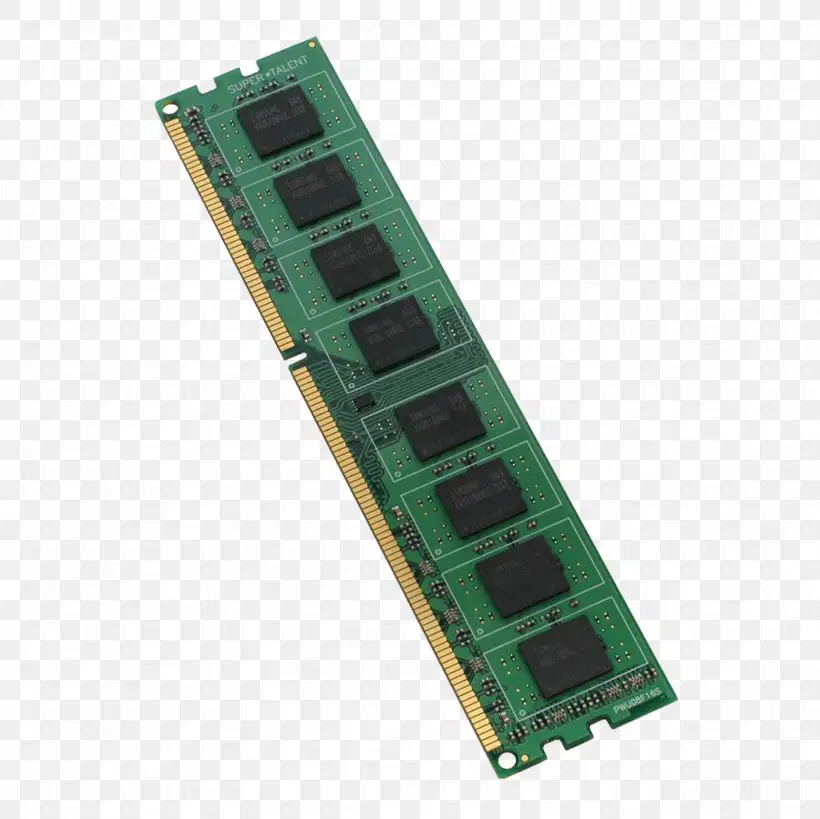
What is the name of this image
RAM
ROM
DVD
EEPROM
15
Multiple Choice
The register that captures the value that is winning the interrupt arbitration.
Current Interrupt Register
16
Match
Match the following
MDR
CPU
RAM
SSD
GPU
Memory Data Register
Central Processing Unit
Random Access Memory
Solid State Drive
Graphics Processing Unit
Memory Data Register
Central Processing Unit
Random Access Memory
Solid State Drive
Graphics Processing Unit
17
Fill in the Blanks
A register is a small, high-speed storage location within the CPU that
18
Match
Match the following
Memory Data Register
Accumulator
Program Counter
Instruction Register
Stack Pointer
Holds data that is being transferred to
Stores the result of arithmetic and logic operations
Holds the address of the next instruction to be executed
Holds the current instruction being executed
Points to the top of the current stack in memory
Holds data that is being transferred to
Stores the result of arithmetic and logic operations
Holds the address of the next instruction to be executed
Holds the current instruction being executed
Points to the top of the current stack in memory
19
An address is a unique identifier used to locate a specific storage location in the memory where data or instructions are stored
20
BUS
A bus is a communication pathway that transfers data and instructions between the CPU, memory, and other components of a computer.
21

22

23
Reorder
Reorder the following in descending order
Power Bus
Control Bus
Address Bus
Data Bus
24
Multiple Choice
Whenever anyone of these _______ is changed, data must be converted in some way before it can be used by a different computer, operating system or program
Memory
variables
letter
Constant
25
Fill in the Blanks
An address is a
26
Poll
Which component of the computer do you think plays the most crucial role in data processing
CPU (Central Processing Unit)
Memory (RAM)
Registers (MDR, CIR, SQR)
Bus (Data Transfer Pathway)
Storage (Hard Drive/SSD)
27
Match
Match the following
Memory Data Register
Current Instruction Register
Status or Sequence Register
Program Counter
Accumulator Register
Facilitates the transfer of data to and
Ensures that the CPU is always aware of
Tracks the address of the next instruction to be executed
Stores intermediate arithmetic and logic results
a type of register for short-term, inter
Facilitates the transfer of data to and
Ensures that the CPU is always aware of
Tracks the address of the next instruction to be executed
Stores intermediate arithmetic and logic results
a type of register for short-term, inter
28
The three important functions of computer registers are fetching, decoding, and execution. Data instructions from the user are collected and stored in the specific location by the register. The instructions are interpreted and processed so that the desired output is given to the user.
29
Conclusion
Registers play a crucial role in data processing by temporarily holding data, instructions, and addresses, enabling fast and efficient data conversion and execution in the CPU.
Show answer
Auto Play
Slide 1 / 29
SLIDE
Similar Resources on Wayground

22 questions
ECONOMICS TOPIC 3 LESSON 2
Presentation
•
12th Grade
22 questions
Tone and Mood
Presentation
•
KG
20 questions
The Federal Bureaucracy
Presentation
•
12th Grade
22 questions
7.1 Stages of pregnancy
Presentation
•
12th Grade
20 questions
Componentes Internos de la PC.
Presentation
•
12th Grade
23 questions
Lesson 1.3
Presentation
•
12th Grade
24 questions
Human rights
Presentation
•
12th Grade
22 questions
ITF+ Most Missed from 3/22
Presentation
•
12th Grade
Popular Resources on Wayground
10 questions
Safety Day 2026 – Student Review

Quiz
•
9th Grade
21 questions
Continents and Oceans
Quiz
•
6th Grade
20 questions
Parts of Speech
Quiz
•
5th Grade
16 questions
Subject & Predicate
Quiz
•
5th Grade
25 questions
Multiplication Facts
Quiz
•
5th Grade
12 questions
Map Skills
Quiz
•
3rd Grade
22 questions
Continents and Oceans
Quiz
•
5th Grade
15 questions
Rounding Decimals
Quiz
•
5th Grade